Storing your golf bag properly can protect your gear and extend its lifespan. The two main options are climate-controlled and standard storage. Here’s what you need to know:
- Climate-Controlled Storage: Maintains stable temperatures (50°F–80°F) and humidity (30%–55%) year-round. It prevents damage like rust, mold, and adhesive failure, making it ideal for long-term or high-value gear storage. Costs range from $150–$250/month.
- Standard Storage: Includes spaces like garages or sheds, which mirror outdoor conditions. Extreme heat, cold, and humidity can cause damage to materials and electronics. It’s cheaper ($80–$150/month) but riskier for long-term storage.
Key takeaway: If your equipment is expensive or stored for over 30 days, climate control is worth the extra cost. Standard storage works for short-term use in mild conditions.
Quick Comparison
| Factor | Standard Storage | Climate-Controlled Storage |
|---|---|---|
| Temperature | Matches outdoor weather; extreme swings | Consistent 50°F–80°F |
| Humidity Control | None; risk of mold and rust | Regulated 30%–55% RH |
| Cost | $80–$150/month | $150–$250/month |
| Best For | Short-term, low-cost storage | Long-term, high-value gear storage |
Bottom line: Choose the option that fits your needs, budget, and local climate.
Climate-Controlled Storage: Features and Benefits
What Is Climate-Controlled Storage?
Climate-controlled storage provides a stable environment designed to protect sensitive items. As David Thompson, a storage expert at 3D Storage, explains:
"A Climate-Controlled Unit is a Room in a Building… most importantly, it has a dehumidifier. It actively pulls moisture out of the air. It fights the invisible enemy."
These units are housed in insulated buildings equipped with HVAC systems and dehumidifiers, maintaining consistent conditions throughout the year. Typically, the temperature is kept between 50°F and 80°F, with relative humidity (RH) maintained at 30% to 55% – similar to the conditions inside a well-maintained home.
How Climate Control Protects Golf Bags and Gear
Heat and humidity are the biggest threats to golf equipment, and climate-controlled storage is designed to combat both.
For example, on an 85°F day, the temperature inside a car trunk or an uninsulated garage can soar to over 140°F. Such heat can weaken the epoxy adhesive that holds clubheads to shafts. On the other hand, freezing temperatures can make graphite shafts brittle and cause rubber grips to crack. Humidity adds another layer of risk: moisture can lead to rust on steel shafts – sometimes hidden beneath grips – and can damage bag fabrics and leather by promoting mold and other forms of deterioration. Spencer Lanoue, Founder of Caddie AI, emphasizes the importance of proper storage:
"The absolute best place to store your golf clubs is indoors, in a climate-controlled environment kept at what we’d consider ‘room temperature.’ Think about how you’d store a nice guitar or a piece of wooden furniture."
Modern golf accessories like GPS units and rangefinders are also vulnerable to extreme temperatures. Rechargeable batteries and internal electronics can degrade quickly, making climate-controlled storage essential for protecting these items.
Ideal Conditions to Look For
When choosing a climate-controlled storage unit, focus on three key factors: consistent temperature, regulated humidity, and indoor placement.
| Condition | Recommended Range | Risk If Outside Range |
|---|---|---|
| Temperature | 50°F – 80°F | Epoxy breakdown, brittle shafts, damaged grips |
| Humidity | 30% – 55% RH | Rust, mold, mildew, musty odors, material cracking |
| Placement | Indoor / Elevated off floor | Dust, pests, moisture wicking from concrete |
Indoor placement offers extra protection. Units located inside a building are naturally shielded from dust, pests, and outdoor debris – issues that standard drive-up units often face. Even in a climate-controlled space, it’s wise to elevate your golf bag off bare concrete to avoid exposure to moisture or debris.
It’s worth noting that climate-controlled storage typically costs 25% to 50% more than standard storage. For example, a 10×10 unit might cost around $150/month compared to $100/month for a basic unit. Despite the higher price, these features make climate-controlled storage the best choice for safeguarding premium or custom golf bags. This overview sets the stage for comparing these units with standard storage options in the next section, where we’ll explore their limitations in protecting your valuable golf gear.
Standard Storage: Features and Limitations
What Is Standard Storage?
Standard storage refers to spaces like unheated garages, outdoor sheds, car trunks, damp basements, and basic drive-up units. These areas lack climate control systems, so the environment inside is entirely dependent on external weather conditions. As American Van Lines explains:
"Standard units expose your belongings to the full force of whatever weather your region experiences. During summer, uninsulated metal or concrete structures become ovens."
Common Problems with Standard Storage
One major issue with standard storage is thermal cycling, where temperatures swing dramatically. In the summer, uninsulated spaces like garages or sheds can reach 110°F to 120°F. This intense heat can soften the epoxy that bonds clubheads to shafts and degrade rubber grips, making them brittle or slippery over time. During winter, the cold has the opposite effect, weakening graphite shafts and causing rubber grips to crack.
Humidity adds another layer of risk. When relative humidity exceeds 60%, mold can form on fabrics and leather – like bag trims and headcovers – within just 24 to 48 hours. Steel shafts are prone to rust, and moisture trapped under grips can corrode shafts from the inside, often going unnoticed until significant damage occurs. Drive-up units, which are more exposed to outdoor conditions, also invite pests. Mice, for instance, are known to nest in bag pockets and headcovers.
Electronics stored in these conditions are especially vulnerable. Lithium-ion batteries, such as those in rangefinders or GPS units, can lose up to 20% of their capacity when exposed to temperatures above 95°F. All of these risks highlight the importance of carefully choosing your storage location when using standard storage.
Safer Standard Storage Choices
The risks associated with standard storage largely depend on the location. For example, a spare bedroom closet or an interior hallway – where temperatures remain steady between 60°F and 80°F – is a much safer option than spaces like garages or sheds.
| Storage Location | Risk Level | Key Threats |
|---|---|---|
| Car Trunk | Extreme | Epoxy failure, melted grips |
| Outdoor Shed | High | Rust, pests, temperature fluctuations |
| Unheated Garage | Moderate/High | Humidity, brittle shafts in winter |
| Damp Basement | Moderate | Mold, mildew, shaft pitting |
| Indoor Closet | Low | Minimal (best standard option) |
If an indoor closet isn’t an option, there are ways to reduce risks in a garage or shed. Placing the bag against an interior wall (shared with the heated part of the house) can help buffer temperature swings. Elevating the bag on a rack minimizes exposure to moisture and pests. Additionally, silica gel desiccant packs in the bag’s pockets can absorb excess humidity during extended storage.
As Mark from The Clubhouse wisely states: "Dry storage is protective storage."
Climate-Controlled vs. Standard Storage: Side-by-Side Comparison
Choosing between climate-controlled and standard storage isn’t just about convenience – it directly impacts the lifespan of your gear. To make the right call, it’s crucial to understand how these options differ in protecting your equipment.
The main difference lies in environmental control. As Louderback Moving Services explains:
"Standard units are metal boxes that mirror outdoor conditions. When it’s 95°F with 80% humidity outside, your unit matches that."
In contrast, climate-controlled units use HVAC systems and dehumidifiers to maintain a stable environment. This prevents damage to sensitive materials like grips, leather, and adhesives, which can deteriorate in fluctuating conditions.
While climate-controlled storage typically costs 25%–50% more – adding $20 to $100 per month – the extra expense can save you from hefty replacement costs. Michael Turner from Accent Self Storage puts it simply:
"If you’d be upset if it got ruined, get climate control. The extra $20 a month is cheaper than replacing any of that stuff."
To help you weigh the pros and cons, here’s a side-by-side breakdown of the key differences:
Comparison Table
| Factor | Standard Storage | Climate-Controlled Storage |
|---|---|---|
| Temperature Range | Mirrors outdoor weather; can exceed 130°F in summer or drop below freezing in winter | Maintains a consistent 55°F–85°F year-round |
| Humidity Control | None; reflects outdoor humidity and condensation | Uses dehumidifiers to keep humidity at 30%–50% RH |
| Mold & Rust Risk | High, especially in humid or coastal areas | Minimal due to stable, dry conditions |
| Material Preservation | Prone to epoxy failure, grip cracking, and leather damage | Protects adhesives, textiles, leather, and electronics |
| Long-Term Suitability | Suitable for less than 30 days in mild climates | Ideal for 90+ days or off-season storage |
| Monthly Cost | Lower ($80–$150/month) | Higher ($150–$250/month) |
Here’s a striking statistic: improper storage can cause golf equipment to deteriorate up to 50% faster than items stored in proper conditions. When you consider the cost of replacing premium gear – like a custom set of clubs or a high-end golf bag – the added expense of climate control starts to feel less like an indulgence and more like a smart investment.
sbb-itb-4fa7e8b
When to Use Each Storage Option
Choosing the right storage option for your golf gear is essential – not just for protecting it but also for ensuring it performs well over time. Here’s how to decide which option works best for your needs.
Off-Season Storage
If you’re storing your gear for more than 30 days, climate-controlled storage is the way to go. This prevents issues like thermal cycling and mold growth, which can warp materials and weaken seams when exposed to fluctuating temperatures or high humidity. For reference, humidity levels above 60% can cause damage, while climate-controlled units keep it in the safer 30%–50% range.
Frequent Golfers and Day-to-Day Use
For golfers who play regularly, a dry garage or similar standard storage space works well – as long as you keep the area dry. Equipment specialist Mark from The Clubhouse puts it simply:
"Dry storage is protective storage."
To keep your gear in good shape, make sure your bag is elevated off the floor (especially bare concrete) and remove any sensitive electronics for indoor storage. A clean and dry bag stored in a well-maintained garage should hold up perfectly fine between rounds. However, if you own high-end equipment, you might want to take a few extra precautions.
Premium or Custom Golf Bags
High-end or custom bags require more attention. These bags are particularly sensitive to heat and humidity, making climate-controlled storage the best choice. Golf specialist Phil Kenyon emphasizes the importance of proper conditions:
"Equipment care starts with proper environmental conditions… ideal conditions include temperatures between 50–70°F and humidity levels of 30–50%."
For collections valued over $3,000, experts strongly recommend climate-controlled storage. The cost? A small 5×5 unit, which is enough for a few bags, can run as low as $37 per month. Considering the expense of repairing or replacing damaged custom bags, this is a small price to pay.
Practical Tips for Setting Up Golf Bag Storage
How to Prepare Golf Bags for Storage
Getting your golf bag ready for storage starts with a thorough cleaning. Never store a bag that’s damp or dirty – moisture can lead to mold, rust, and material damage. Start by emptying all the pockets. Remove items like used towels, gloves, snack wrappers, and any debris. Use a vacuum to clean out sand and grass clippings from the interior. Next, wipe down the clubheads with a microfiber cloth and mild soap, and clean the grips with a damp cloth to remove sweat and oils, which can break down the rubber over time. Don’t forget to check the zippers and stand mechanisms – lubricate any that feel stiff to prevent corrosion during storage.
When storing the bag, keep it upright on a rack. This prevents unnecessary pressure on the club shafts and keeps the bag off concrete floors, which can draw in moisture.
Once your bag is prepped, it’s time to focus on creating the right storage environment.
How to Improve Standard Storage Conditions
Even if you’re using a basic garage or shed, small adjustments can make a big difference in protecting your golf bag. Humidity is often the biggest challenge in these spaces, so aim to keep it under 50% to avoid mold and mildew. A hygrometer is a simple tool to monitor humidity levels.
To combat moisture, place silica gel packets in the bag’s pockets, and always store the bag elevated on a rack. Position it along an interior wall, away from windows and doors, to avoid temperature fluctuations and UV exposure.
"A Standard Unit is a Fancy Garage. It keeps rain and thieves out. But the air inside is the same as the air outside. It sweats in the summer and freezes in the winter." – David Thompson, Author, 3D Storage
For added protection, use a breathable fabric cover or a rain hood. These help shield the bag from dust and pests without trapping condensation as plastic covers might.
How to Get the Most Out of Climate-Controlled Storage
If you’re using a climate-controlled unit, you’re already minimizing environmental risks, but organizing the space can provide even more protection. Set up dedicated zones within the unit – one for your bag and clubs, another for smaller items like balls and tees, and a separate area for electronics like rangefinders or GPS devices. For frequently accessed units, store electronics in sealed containers to reduce exposure to brief humidity changes when the door is opened.
Make it a habit to check your equipment every 90 days. Use a hygrometer to ensure humidity stays between 45–55% and inspect batteries regularly. Lead-acid batteries, for instance, can degrade if left fully discharged. Routine visual inspections can help catch minor issues before they escalate.
Choosing the Right Storage Option for Your Needs
Key Takeaways
When selecting a storage option, consider how long you’ll store your gear, the construction of your bag, and the value of your equipment. For longer periods (90+ days), especially with high-end bags, climate-controlled storage is a must. If you’re storing items for a short time in mild conditions, standard storage might work. However, keep in mind that extreme temperature changes and high humidity can cause serious damage to your gear over time. If your equipment is worth over $2,000, spending an additional $20–$75 per month on climate-controlled storage is a smart way to safeguard your investment.
"The cost of replacing even one damaged item often exceeds a month or two of climate-controlled storage fees. Yet many people focus only on the rental price, not the actual cost of loss." – American Van Lines
Avoid standard storage if your gear will face prolonged exposure to harsh conditions. To ensure maximum protection, match your storage choice with the durability of your bag. Equally important is selecting a bag specifically designed for long-term resilience.
Keep Perfect Golf Gear: Custom Bags Built to Last
The right storage solution works best when paired with a durable bag. Keep Perfect Golf specializes in creating custom golf bags – cart bags, stand bags, and Sunday bags – crafted with premium materials tailored to your needs. This allows you to select fabrics and construction that suit your climate and playing habits.
Keep Perfect Golf takes durability seriously, ensuring their bags can withstand the demands of both daily use and extended storage. Their OEM/ODM production process covers everything from design and sampling to final inspection and delivery, so you get a bag built to last. Investing in a high-quality bag simplifies your storage decisions and protects your gear for the long haul.
FAQs
How do I know if my storage space is too humid for my golf bag?
If the relative humidity in your storage area goes beyond the ideal range (about 30–50% for golf bags), it’s likely too humid. Watch for telltale signs like a musty smell, mildew growth, or a damp bag interior. To keep tabs on humidity, use a hygrometer for regular monitoring. If the levels are higher than they should be, improve airflow and think about adding a dehumidifier or moisture-absorbing packs. Aim to maintain a cool, dry environment, ideally between 50°F and 70°F.
What parts of my golf gear are most likely to fail from heat or cold?
Extreme weather conditions, like high temperatures and humidity, can wreak havoc on your golf gear. Heat speeds up the deterioration of synthetic materials in golf bags, leading to cracks and peeling. On the flip side, cold temperatures make these fabrics brittle, increasing the likelihood of tears.
When it comes to clubs, heat can soften the epoxy adhesives holding components together and degrade grips, causing them to become sticky or detach. Meanwhile, cold temperatures can make grips brittle and weaken adhesive bonds, which raises the chance of shaft fractures. Protecting your gear from these extremes is crucial to keeping it in top condition.
What’s the best way to store my golf bag in a garage without climate control?
To store your golf bag in a garage without climate control, start by ensuring the space is dry and maintains stable conditions. Thoroughly clean and dry both your bag and clubs to avoid issues like rust or mold. Use a hygrometer to monitor humidity levels, keeping them below 50%. If necessary, add a dehumidifier or moisture-absorbing packs to manage excess moisture. Place the bag on racks or shelves to keep it off the floor, and cover it to shield it from dust and sunlight.
Related Blog Posts
- Seasonal Storage Guide: How to Protect Custom Golf Bags in Winter
- Golf Bag Storage Rules: Public vs. Private Clubs
- 5 Steps for Cleaning Golf Bags in Spring
- Ultimate Guide to Golf Bag Storage
Related Resources
Related Products
Explore our manufacturing capabilities in this category:
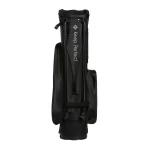 Premium Stand Bag
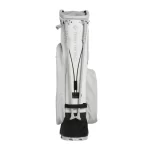 Ultra-Light Stand Bag
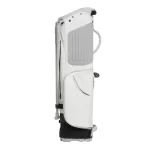 Hybrid Stand Bag
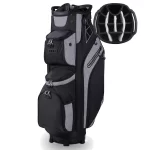 Rain-Resistant Stand Bag
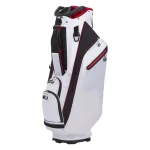 Premium Tour Cart Bag
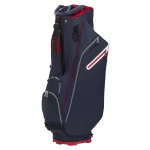 Lightweight Cart Bag
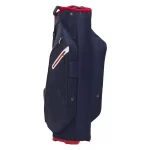 Waterproof Cart Bag
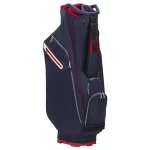 Staff Cart Bag
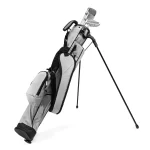 Classic Sunday Carry Bag
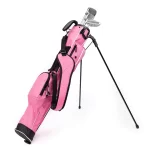 Ultra-Light Sunday Bag
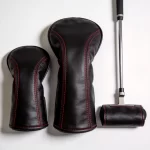 Custom Golf Headcovers Set
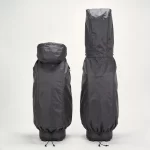 Golf Bag Rain Cover
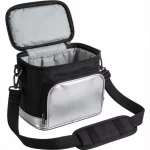 Golf Cooler Bag
Need custom golf bags? Contact us for OEM/ODM quotes — MOQ 100pcs, FOB Xiamen.