Golf gear works best when all parts fit together seamlessly. From dividers to tech gadgets, ensuring compatibility improves performance, reduces frustration, and protects your equipment. This guide covers everything you need to know about aligning your golf bag, clubs, pockets, straps, and tech for a hassle-free experience. Key takeaways:
- Divider Setup: Choose between 6-way or 14-way dividers based on your club set and needs. Full-length dividers offer better protection.
- Pocket Design: Ensure ball, apparel, and valuables pockets are spacious and accessible. Cooler pockets should keep drinks upright and cold.
- Straps and Carts: Double straps distribute weight evenly for walking. Cart bags should include pass-through straps for stability.
- Tech & Rules: Secure compartments for rangefinders or GPS devices are essential. Verify all equipment complies with USGA rules.
For a tailored setup, brands like Keep Perfect Golf Gear offer custom solutions, ensuring your bag fits your playing style and equipment perfectly. Double-check your configuration before hitting the course for a smooth game.
How to Properly Setup Your Golf Bag (For Every Type Of Player)
Golf Bag and Club Divider Compatibility
Types of Divider Configurations
Dividers in golf bags play a crucial role in keeping your clubs organized, preventing damage, and avoiding the hassle of tangled grips and shafts. The type of divider configuration you choose can greatly affect how easily you can access your clubs and how well they’re protected, especially during transport.
Full-length dividers run the entire length of the bag, keeping club shafts straight and grips untangled. These are especially useful for golfers who travel often or use carts, as they provide extra protection and reduce wear and tear. On the other hand, partial dividers only separate clubs at the top, which can lead to tangling near the bottom of the bag.
The number of dividers is another key consideration. Smaller Sunday bags typically feature a 2-way or 3-way system, which works well for carrying 5–8 clubs. Walking bags often come with a 4-way or 5-way divider, accommodating up to 10 clubs. For golfers with a full 14-club set, the choice usually boils down to a 6-way divider, which groups clubs into categories like woods, irons, and wedges, or a 14-way divider, where each club gets its own slot.
Walking golfers often lean toward the lighter 6-way divider for easier access, while those using carts or push-carts benefit from the added organization and protection of a 14-way setup. For golfers with high-end clubs or those who frequently travel, combining full-length dividers with a 14-way top offers maximum protection by minimizing shaft contact and grip tangling.
Club and Divider Fit Checklist
Before finalizing your bag choice, it’s essential to ensure the divider setup is compatible with your clubs. Here are some key points to consider:
- Divider Opening Material: Look for padded and smooth dividers to make removing clubs easier. Plastic openings can snag on grips and cause frustration.
- Putter Well Dimensions: If you use an oversized putter grip, check that the putter well is wide enough. Standard wells can be too narrow, making it difficult to insert or remove the putter without extra effort.
- Grip Size Compatibility: Golfers with oversized grips should opt for full-length dividers, as they provide more space and prevent grips from jamming.
- Headcover Clearance: Ensure the divider slots leave enough room for clubs with headcovers. This protects woods and hybrids from scratches and dents while making them easier to remove.
Evaluating these factors will help you select a bag that works seamlessly with your equipment.
Custom Divider Layout Options
For a tailored solution, Keep Perfect Golf Gear offers custom-designed divider layouts that cater to your specific club set. These custom bags consider the exact number of clubs you carry, oversized grips, and specialized equipment like belly putters or adjustable drivers.
Custom layouts can include oversized or extended dividers to better accommodate larger grips and drivers. Some designs even allow for adjustable or removable dividers, so you can modify the layout as your club set evolves over time.
High-quality custom dividers often feature reinforced padding and smooth fabric openings to protect your clubs during transport. This level of detail ensures your bag is ready to handle your unique equipment setup from the moment you start using it.
Pocket and Pouch Compatibility
Common Pocket Types and Their Uses
Golf bags are designed with various pockets, each serving a specific purpose to keep your gear organized and easily accessible. The ball pocket is one of the most prominent features, typically located at the front and bottom of the bag. It’s the largest compartment, designed to hold 6 to 9 golf balls (in sleeves) and a few tees. This pocket ensures your essentials for the game are always within reach.
The apparel pocket is a long, deep side compartment meant for items you might not need frequently but want to have on hand. Think rain gear, a lightweight windbreaker, or an extra towel. On the other hand, the valuables pouch is smaller, often lined with soft material, and located near the top of the bag. This pouch is perfect for storing delicate items like your phone, keys, wallet, or sunglasses, keeping them safe from scratches or damage.
For quick access, small accessory pockets are typically found on the front or sides of the bag. These are ideal for frequently used items such as a divot repair tool, ball markers, a Sharpie, or even your rangefinder. Many bags also feature a beverage and snack cooler pocket, which is insulated to keep your drinks cool and your snacks fresh throughout your game. Some designs even include dedicated water bottle holders on the side for easy hydration access during your round.
Pocket and Pouch Fit Checklist
To ensure your golf bag meets your needs, it’s essential to evaluate how well each pocket accommodates your gear.
- Ball pocket: Check that it can hold multiple sleeves of balls without being cramped and still leaves room to grab tees easily. Avoid bags where the ball pocket feels cluttered.
- Apparel pocket: Roll up your rain jacket or spare layers and test the fit. The pocket should hold these items neatly without bulging.
- Valuables pouch: Look for soft lining to protect delicate items and ensure there’s enough space to keep your phone, keys, and sunglasses from scratching each other.
- Accessory pockets: Test these by placing divot tools, ball markers, and a rangefinder inside. They should be easily accessible without requiring you to dig around. Consider whether you can dedicate one pocket to in-play tools and another to backup supplies.
- Cooler pocket: Verify that bottles can stand upright, snacks are easy to reach, and the insulation works well to maintain temperature.
Finally, inspect the quality of closures – zippers should slide smoothly, Velcro should hold securely, and magnetic closures should keep contents safe and secure.
Custom Pocket Configurations
If standard pocket layouts don’t quite meet your needs, custom configurations can provide a tailored solution. Companies like Keep Perfect Golf Gear specialize in creating custom pocket designs that balance storage capacity with accessibility. For example, if you often carry extra clothing for unpredictable weather, oversized apparel pockets can be added in convenient locations.
Tech-savvy golfers can request valuables pouches with enhanced padding to better protect electronics like phones or GPS devices. Additionally, custom layouts can optimize pocket placement to maintain the bag’s balance, ensuring frequently used items are easy to grab without disrupting the overall organization. This level of customization ensures that your bag works seamlessly with your playing style and equipment preferences.
Strap, Cart, and Travel Compatibility
Having the right strap, cart, and travel setup makes all the difference, ensuring your golf bag performs smoothly both on and off the course.
Walking and Stand Bag Checklist
Your comfort during a round heavily depends on how well the strap system is adjusted. Properly fitted straps can reduce strain and fatigue. Golf bags typically come with either a single strap, often found on lightweight Sunday bags, or a double strap system, which is common on carry and stand bags.
Double strap systems are designed to evenly distribute the bag’s weight across both shoulders, much like a hiking backpack. One popular design, the H-Strap (Equilibrium System), features two shoulder straps connected by a padded central hub that self-balances as you walk. To set it up, load your bag with 5–7 clubs, adjust the straps until the bag rests at a slight angle, with the club heads slightly elevated, for a secure and comfortable fit.
For shorter rounds or practice sessions, single strap systems can be a good option. If you’re using a single strap, position it over your preferred shoulder, center the bag on your back, and switch shoulders occasionally to avoid muscle imbalance.
Once your strap system is sorted, make sure your bag is also secure on carts and ready for travel.
Cart and Pushcart Compatibility Checklist
Cart bags are specifically designed to stay secure on golf carts and pushcarts. They often include features like cart strap pass-throughs and stable bases that keep them firmly in place. While standard carry or stand bags can work on carts, they don’t have these specialized features and may require some extra adjustments. Hybrid stand bags offer a middle ground, with concealed stand mechanisms and lower leg brackets that allow them to sit more flush on carts.
Before heading out, double-check that your bag is securely fastened to the cart or pushcart to avoid any unexpected movement.
Travel Case Compatibility Checklist
When it comes to travel, it’s essential to choose a travel case that matches your bag’s size and provides enough protection to keep your gear safe during transit.
sbb-itb-4fa7e8b
Hardware, Tech, and Rules Compatibility
When it comes to setting up your golf bag, it’s not just about the bag itself. The small details – like attachment points, tech compatibility, and adherence to tournament rules – can make a big difference in your performance on the course.
Hardware Attachment Essentials
Your bag should have dedicated spots for essential accessories like towels and wire brushes. Towels are crucial for keeping your clubs and balls clean, while wire brushes help remove dirt and grass buildup from clubfaces. Look for sturdy towel rings or loops that can handle regular use without breaking down.
Tech-Friendly Features
Modern golf relies heavily on technology. Rangefinders and GPS watches are invaluable for measuring distances to the pin, hazards, and other key points on the course. Ensure your bag has secure mounting spots or dedicated pockets for these devices. This keeps them safe and within easy reach when you need them most.
Staying Within the Rules
If you’re playing in tournaments, compliance with official equipment rules is non-negotiable. Players are allowed a maximum of 14 clubs, and each club must conform to the Equipment Rules, which regulate characteristics like weight, lie, loft, and alignment features. Any adjustments made to a club during play must be reversible immediately.
Additionally, your driver and golf ball must be listed on the official Conforming Lists maintained by the USGA. These lists are updated frequently – driver heads every Monday and golf balls on the first Wednesday of each month. Since January 2014, the American Junior Golf Association has required players’ clubs to meet specific groove and punch mark standards, with disqualification as the penalty for non-compliance.
Before heading into tournament play, double-check your equipment against the USGA’s lists. It’s your responsibility to ensure everything in your bag is rule-compliant.
Custom Bag Design Checklist with Keep Perfect Golf Gear
Setting Your Bag Specifications
Start by determining how you’ll primarily use your golf bag – whether it’s for walking, riding, or traveling. This will help you choose the right type: a stand bag for walking, a cart bag for riding, or a travel bag for flights. Decide on the divider setup that suits your needs: a 6-way divider for simplicity or a 14-way divider for individual club slots, which also keeps things quieter during transport.
Think about what you’ll carry and map out your pocket requirements. For instance, you might want a front bottom pouch for golf balls, a small pocket for tees, side pockets for apparel, and padded compartments for your electronics or rangefinder. If you often play in wet conditions, consider bags with waterproof zippers. For straps, you have options: a single strap for quick access or a double strap system for better weight distribution during longer walks.
Once you’ve nailed down your basic specs, you can shift your attention to design details and functional hardware that reflect your personal style.
Adding Branding and Hardware
When it comes to materials, think about durability and aesthetics. Nylon is lightweight and water-resistant, making it perfect for stand bags. If you’re after a classic, vintage vibe, canvas is a great choice, though it offers less weather protection. For a sleek and modern look, consider microfiber leather or carbon fiber accents. Want to make a bold statement? Opt for metallic finishes. Pair your material choice with hardware finishes like gunmetal to complete the look and add a touch of sophistication.
Final Compatibility Verification
Before placing your order, make sure everything works as planned. Load your clubs into the bag to confirm that the dividers fit securely and prevent club heads from bumping into each other. Pack your accessories – like towels, rain gear, a first-aid kit, snacks, a water bottle, and extra socks – to ensure there’s enough space and that everything is easy to access. Double-check that your tech devices, such as a rangefinder, GPS watch, or shot-tracking system, have secure compartments or mounting options. Lastly, verify that the bag includes essential attachment points for items like wire brushes and divot tools, and ensure it comes with a rain hood to protect your clubs during bad weather.
Conclusion: Getting the Perfect Fit for Your Golf Gear
Key Compatibility Factors Review
Making sure your golf gear works together seamlessly is crucial. Start by choosing a bag type that aligns with your playing style – whether it’s a stand bag for walking the course or a cart bag for riding in comfort. Check that your divider setup can hold up to 14 clubs, and ensure the pockets can store essentials like balls, tees, rangefinders, and rain gear. Don’t forget attachment points for towels and wire brushes. Comfort is key, so test the straps for long walks and confirm the bag offers solid rain protection.
"A good golf bag is essential for carrying your clubs and other gear. There are stand bags, cart bags, and carry bags, each designed for different needs. A stand bag is versatile and convenient for walking the course, while a cart bag is perfect if you prefer using a golf cart. Look for a bag with ample pockets and comfortable straps." – NCGA Blog
Once you’ve nailed down the basics, consider stepping up to a custom bag for a tailored experience.
Custom Solutions with Keep Perfect Golf Gear
If you’re looking for a bag that’s truly yours, Keep Perfect Golf Gear offers full customization. From logo placement and material choices to unique patterns and pocket layouts, they handle every detail to ensure your bag meets your exact needs. Their OEM/ODM services include design, sampling, production, quality checks, packaging, and global delivery.
After customizing, take a moment to double-check all the details to make sure your bag is exactly how you envisioned it.
Next Steps
Now it’s time to review your setup. Use the earlier checklists to confirm everything fits just right. Check that your dividers prevent clubs from clashing, pockets hold all your accessories, and tech compartments work seamlessly with your devices. As Zephyr Melton, GOLF.com Editor, wisely puts it:
"This checklist takes the guesswork out of your setup, so by the time you swing the club, you don’t have to worry about making any more adjustments. You can simply swing away and know you’re going to make solid contact."
When your gear is perfectly dialed in, you can concentrate on your game without distractions.
FAQs
What’s the difference between a 6-way and a 14-way golf bag divider, and how do I choose the right one?
A 6-way divider works well if you lean toward a straightforward setup with fewer clubs to manage. It’s a solid choice for beginners or for shorter rounds when carrying a full set isn’t necessary.
On the flip side, a 14-way divider offers a dedicated slot for each club, ensuring better protection and keeping everything neatly organized. This setup caters to advanced players or anyone who prefers carrying a full set during longer rounds.
When choosing between the two, think about your playing habits, the number of clubs you usually bring, and how much organization matters to you.
What should I look for in a golf bag to ensure it meets USGA standards?
When picking out a golf bag, focus on essentials like plenty of storage pockets, comfortable straps, and a design that matches how you play – whether that’s a stand bag, cart bag, or carry bag. Make sure it aligns with USGA equipment rules, including size and weight requirements, to stay within the guidelines. A well-chosen bag not only keeps your gear organized but also supports your performance on the course.
How can I set up my golf bag to match my playing style and equipment?
To make your golf bag work for you, start by arranging your clubs by length and type. This way, you can grab the right one quickly during a game. Protect your clubs with headcovers and pack only the essentials – think tees, golf balls, and a towel. Keeping it light makes it easier to carry or manage on the course.
Make sure the straps are adjusted for comfort, whether you’re walking the course or using a cart. When choosing a bag, go for one that matches how you play. Look for features like multiple dividers to keep your clubs organized, secure pockets for accessories, and handy storage options. These details make your gear easier to access and your game more enjoyable.
Related Blog Posts
- 5 Hidden Features to Add to Your Custom Golf Bag (e.g., GPS Pocket)
- Maximizing Storage: Innovative Pockets in Modern Golf Bags
- The 2025 Ultimate Checklist: Building Your Dream Golf Bag Kit
- The 2025 Ultimate Checklist: Building Your Dream Golf Bag Kit
Related Resources
Related Products
Explore our manufacturing capabilities in this category:
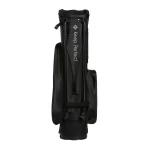 Premium Stand Bag
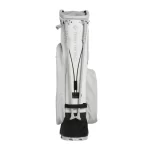 Ultra-Light Stand Bag
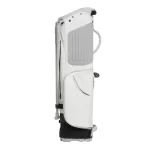 Hybrid Stand Bag
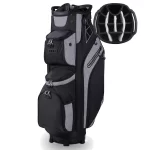 Rain-Resistant Stand Bag
 Premium Tour Cart Bag
 Lightweight Cart Bag
 Waterproof Cart Bag
 Staff Cart Bag
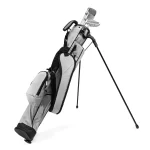 Classic Sunday Carry Bag
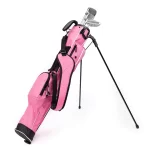 Ultra-Light Sunday Bag
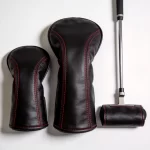 Custom Golf Headcovers Set
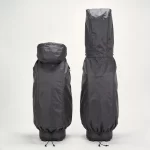 Golf Bag Rain Cover
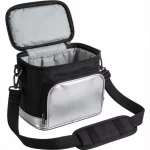 Golf Cooler Bag
Need custom golf bags? Contact us for OEM/ODM quotes — MOQ 100pcs, FOB Xiamen.