Creating the ideal golf bag setup isn’t just about clubs – it’s about preparing for every scenario on the course. From selecting the right 14-club lineup to adding practical accessories, this guide walks you through everything you need to know. Here’s a quick breakdown:
- Clubs: Ensure consistent 10–15 yard gaps between clubs, with a mix of drivers, woods, irons, wedges, and a putter tailored to your playing style.
- Accessories: Include rangefinders, GPS devices, maintenance tools, and weather gear for sunny and rainy conditions.
- Bag Selection: Choose between stand, cart, or Sunday bags based on how you play (walking or using a cart).
- Customization: Add personal touches like embroidery, logos, or unique colors to make your bag stand out.
- Budget Planning: Golf bags range from $200 to $350+, while clubs and accessories can push the total investment to $1,000–$4,000.
This checklist ensures your golf bag is functional, personalized, and ready for any course conditions. Let’s dive into the details.
How to Properly Setup Your Golf Bag (For Every Type Of Player)
Assessing Your Playing Profile
Before diving into a shopping spree for golf gear, it’s important to evaluate your playing needs. For starters, your swing speed plays a big role in choosing the right driver loft and shaft flex. Slower swing speeds pair better with higher lofts, while faster swings often require stiffer shafts – like regular, stiff, or extra stiff options. Your handicap is another critical factor. If you’re a higher handicapper, forgiving equipment like hybrids and cavity-back irons can make a noticeable difference. On the other hand, lower handicappers might prefer players’ irons or blades to enhance feel and shot-shaping capabilities. Additionally, understanding your shot tendencies – whether you struggle with accuracy or frequently slice – can help narrow down your choices. For example, a forgiving driver or a strong 3-wood could be a smart investment if accuracy is a concern.
Understanding Your Playing Style
Take a closer look at your yardages and club gaps. Ideally, you want consistent gaps of 10–15 yards between your irons to avoid redundancy. For instance, if your 7-iron covers 150 yards but your 8-iron only reaches 148 yards, it’s time to reevaluate your set. Similarly, ensure your wedge gapping aligns with your full-swing distances to cover all short-game scenarios. The types of courses you frequent also matter. Parkland-style courses with softer turf might require wedges with more bounce, while firmer, open layouts call for different grind options. If you’re unsure about your club specifications, consulting a pro can be invaluable. Even slight variations in loft or lie angles can alter your ball flight.
Once you’ve nailed down your playing style, it’s easier to set a budget that matches your needs.
Budget Planning Checklist
A well-thought-out budget keeps you from overspending on features you won’t use and ensures your equipment serves you well for multiple seasons. Golf bags typically fall into three main price categories:
- Budget Bags ($200–$250): Lightweight and functional, these are great for most golfers.
- Mid-range Bags ($250–$350): Come with more pockets, better dividers, and durable fabrics.
- Premium Bags ($350+): Offer top-tier materials, waterproof designs, and advanced storage solutions.
Don’t forget to account for the cost of clubs, which can range from $800 for a basic starter set to over $3,000 for high-end custom options. Accessories like rangefinders ($150–$500), GPS devices ($100–$300), and maintenance tools ($50–$100) also add up. If you prefer a minimalist setup, stick to bags with 5–7 pockets to avoid paying for unnecessary storage. Golfers who walk the course should aim for stand bags under 6.2 pounds, while cart users might prioritize heavier bags with extra organizational features.
Finally, tailor your gear choices to the conditions you typically play in.
Consider Local Conditions
Your local climate and course conditions can have a big impact on the gear you’ll need. If you’re in a humid or rainy area, make sure to keep a rain jacket and umbrella in your bag and dry your golf shoes thoroughly after each round to prevent mold. For those in hotter, sunnier regions, sunscreen, lip balm, and bags with cooler pockets for beverages are must-haves for staying comfortable during long rounds. Turf conditions also play a role in wedge selection – soft, lush fairways may require wedges with more bounce, while tighter lies call for different specifications.
Core Clubs Checklist: Building Your 14-Club Setup
Once you’ve evaluated your playing style and budget, it’s time to assemble your 14-club lineup. According to USGA rules, you’re allowed a maximum of 14 clubs in your bag during competition. To eliminate guesswork on the course, aim for consistent 10–15 yard gaps between each club. This checklist will help you create a balanced setup that works for your game.
Drivers and Woods
Start with a driver that matches your swing style. Newer models, like the Callaway Epic Flash or TaylorMade SIM2 (2025 editions), come with adjustable hosels and weight systems, allowing you to tweak loft and lie angles for optimal performance. When selecting fairway woods, make sure they complement your driver. Look for clubs that offer forgiveness and make it easier to achieve higher launches.
Irons and Wedges
Irons are the backbone of your game, especially for scoring. To maintain consistent performance, have a professional regularly check the loft and lie angles of your irons. This ensures you maintain proper yardage gaps and avoid unintended ball flight issues. As Golficity explains:
Indeed, having a lie angle that’s too upright or too flat will promote a draw or fade, respectively, ball flight, which could exaggerate your natural ball flight into a hook or slice.
When it comes to wedges, variety is key. Include wedges with different lofts and bounce angles to handle various shot scenarios. Be mindful of how your local turf conditions may affect your bounce angle choices.
Putters
Choosing the right putter depends on your comfort and stroke style. If you prefer a straight-back, straight-through stroke, a blade putter with its classic design might be your best bet. On the other hand, mallet putters offer more forgiveness and are ideal for players with an arcing stroke. Consider alignment aids that suit your visual preferences, such as single lines or multiple markers.
Custom fitting is now the norm in 2025, and it can make a huge difference. PGA Professional Brendon Elliott points out:
Bad fitting is a silent killer. You can have a decent swing and still struggle because your clubs are fighting you.
Don’t overlook your grips – they’re your only connection to the club. Replace worn grips promptly to maintain stability. As Golficity highlights:
Given that your grip is the exclusive connection with your club, it should also be the most stable and reliable.
For enhanced grip performance, consider advanced options like Golf Pride Align MAX, which improves clubface awareness and control.
sbb-itb-4fa7e8b
Selecting and Customizing Your Golf Bag
After picking out your clubs, the next step is finding a golf bag that blends practicality with a touch of personal flair. A golf bag isn’t just a storage solution – it’s your on-the-go organizer, keeping your gear safe, tidy, and accessible while also showcasing your personality.
Choosing the Right Bag Type
The type of golf bag you choose should align with how you play. Here’s a quick breakdown:
- Stand Bags: These are perfect for golfers who prefer walking. They come with built-in legs to keep your clubs off the ground and usually weigh between 4–6 lbs.
- Cart Bags: Ideal for those who frequently use golf carts, these bags offer extra compartments to store items like rain gear, water bottles, or extra balls.
- Sunday Bags: Also known as carry or pencil bags, these are lightweight and minimalistic – great for quick nine-hole rounds or practice sessions.
If you’re someone who walks the course, a stand bag is your best bet. If you ride often, go for a cart bag. For casual or shorter outings, a Sunday bag is the way to go [25–27].
Once you’ve settled on a bag type that fits your playing style, you can make it truly yours with customizations.
Customization Options with Keep Perfect Golf
Keep Perfect Golf offers plenty of ways to personalize your bag, ensuring it aligns with your style and preferences. You can add logos through embroidery, printing, or leather patches – whether it’s your personal logo, a team emblem, or a company mark [31,32]. Material choice is another big decision. Premium leather provides a sleek, durable finish, while nylon or waterproof fabrics are great for keeping things lightweight and weather-resistant.
You can also customize colors, patterns, and even hardware details. For example, tripod stands are available in aluminum for affordability or carbon fiber for a lighter feel. And if you’re eager to see how your design will look, Keep Perfect Golf offers a quick 6-hour design turnaround for custom concepts.
Here’s what Ricky Tetting, a satisfied customer, had to say about his experience:
WOW!!! Thank you for this amazing customization. I love my logo golf bags. They are perfect! I highly recommend them for the fastest shipping, the most professional service, and bags. I will return again and again.
Quality and Durability Checklist
Once your bag is customized to your liking, it’s time to make sure it’s built to last. Here’s a quick checklist to evaluate quality:
- Stitching: Check for tight, even stitching with no loose threads, especially around high-stress areas like straps and pocket seams.
- Zippers: Make sure zippers move smoothly without snagging. Heavy-duty YKK zippers are a trusted choice for durability.
- Straps: Look for padded, adjustable straps that distribute weight evenly for maximum comfort.
- Warranty and Repairs: A good bag often comes with a solid warranty – 5 years or even lifetime coverage. Some bags also feature replaceable parts, like stand mechanisms, so you can repair instead of replacing the whole bag [10,33].
- Real-World Testing: Take your bag for a spin on a nine-hole round to ensure it’s comfortable and keeps your gear organized.
Accessories and Tools Checklist
Once you’ve got your clubs and bag ready, it’s time to think about the extras that can make a big difference in your game. These accessories not only enhance your performance but also add to your overall comfort and help keep your gear in great shape. They’re the finishing touches that bring your whole setup together.
Distance and Data Tools
Knowing the exact distance to the pin, hazards, or landing zones is key to smart shot decisions. That’s where a rangefinder or GPS device comes in. Rangefinders use laser technology to give precise yardages, while GPS devices provide detailed course maps with distances to various points on each hole. Both tools are invaluable for improving accuracy and confidence in your shot-making.
Weather and Comfort Gear
Weather can change quickly, so being prepared is essential. For sunny days, pack waterproof sunscreen (don’t forget to reapply every two hours), SPF lip balm, a wide-brimmed hat, UV-blocking sunglasses, and headcovers to protect your clubs.
Rainy conditions call for a rain hood to shield your bag and clubs, a lightweight water-resistant jacket (look for something packable and made of 100% nylon), and a double-canopy umbrella that can handle gusty winds. If it’s hot, a portable mini fan can keep you cool, while a jacket is great for chilly mornings or evenings. And don’t overlook insect repellent, especially if you’re playing near water or during the summer months.
Maintenance and Practice Tools
To keep your clubs performing their best, a few maintenance tools are must-haves. A groove cleaner helps remove dirt and grass from club faces, ensuring consistent spin and contact. Alignment sticks are perfect for practicing your setup and swing path, whether during warmups or practice sessions. Add a multi-purpose towel for cleaning your clubs and drying your hands – it’s compact enough to tuck into your bag’s pockets.
These tools and accessories might seem small, but they can have a big impact on your overall game and experience on the course.
Final Bag Audit
Master Checklist for Your Dream Golf Bag
Before heading to the course, take a moment to complete a thorough audit of your golf bag. Start by ensuring you have exactly 14 clubs – no more, no less. Each club should serve a clear purpose, filling yardage gaps without redundancy. As essential.golf explains:
The USGA allows just 14 clubs in your bag. That means every club you choose should have a purpose. Don’t waste space on redundant yardage gaps or clubs you never hit. Build a balanced set that covers all distances, conditions and shot types.
Next, arrange your clubs for easy access and protection. Place your driver and woods at the top, followed by long and short irons, and finish with wedges and your putter at the bottom. This logical order not only simplifies club selection during your round but also helps keep your equipment organized and safe. If your bag has a 14-way divider, assign each club its own slot to prevent tangling and allow for a quick visual inventory.
Don’t overlook your accessories. Store balls and tees in the front pockets for easy reach, valuables in fleece-lined compartments, and rain gear in the full-length side pockets. Heavier items, like extra balls, should go in the lower pockets to evenly distribute the weight. Clear out any clutter, such as old scorecards, broken tees, or expired snacks, to avoid carrying unnecessary weight.
Finally, double-check your bag’s overall condition and personal touches. Inspect your clubs for wear, especially the grips, and ensure any custom additions – like embroidery, patches, or bag tags from Keep Perfect Golf – are securely in place and looking their best. Give your bag a quick wipe-down to keep it clean and ready for the course.
FAQs
How can I figure out the right distance gaps between my golf clubs?
To figure out the best distance gaps between your clubs, start by measuring how far you usually hit each one. You can do this at a driving range or with a launch monitor for precise results. Ideally, aim for consistent gaps of 10-15 yards between clubs. If you notice any overlaps or larger gaps, consider adjusting the lofts of your clubs. This creates a smoother progression throughout your set, giving you better control and performance out on the course.
How do I decide between a stand bag, cart bag, or Sunday bag for my golf gear?
Choosing the right golf bag comes down to how you like to play and what features matter most to you. If you enjoy walking the course, a stand bag is a solid pick. It’s lightweight, easy to carry, and comes with built-in legs to keep it stable when you set it down. For golfers who prefer riding in a cart, a cart bag is ideal. It offers more storage space and is designed to stay secure on the cart. If you’re after something ultra-light for quick rounds or practice sessions, a Sunday bag keeps things simple and easy to manage.
When making your choice, think about key factors like weight, storage options, comfort, and protection against the elements. The right bag should strike a balance between functionality and style, matching both your game and personal preferences.
How can I make my golf bag uniquely reflect my style?
You can make your golf bag truly your own by opting for custom embroidery, featuring your name, initials, or even a favorite phrase. Pick colors, patterns, or logos that reflect your personality or show off your loyalty to a favorite team. For an extra touch, consider adding personalized accessories like distinctive zipper pulls, bag tags, or specially designed pockets. These details not only add flair but also keep your bag functional and unique out on the course.
Related Blog Posts
- How to Choose the Best Custom Golf Bag: 5 Factors for Durability & Style
- 5 Hidden Features to Add to Your Custom Golf Bag (e.g., GPS Pocket)
- Tour-Approved Golf Bag Organization Hacks You Need Now
- The 2025 Ultimate Checklist: Building Your Dream Golf Bag Kit
Related Products
Explore our manufacturing capabilities in this category:
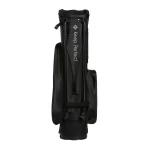 Premium Stand Bag
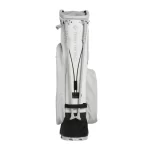 Ultra-Light Stand Bag
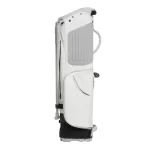 Hybrid Stand Bag
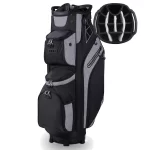 Rain-Resistant Stand Bag
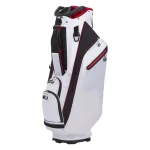 Premium Tour Cart Bag
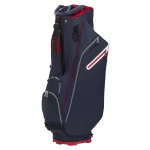 Lightweight Cart Bag
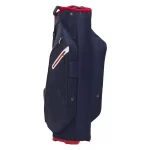 Waterproof Cart Bag
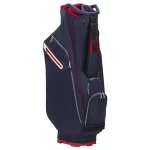 Staff Cart Bag
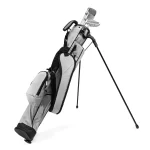 Classic Sunday Carry Bag
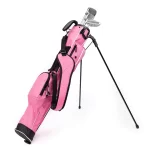 Ultra-Light Sunday Bag
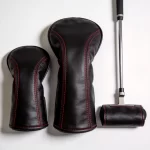 Custom Golf Headcovers Set
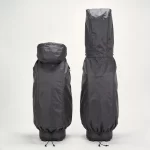 Golf Bag Rain Cover
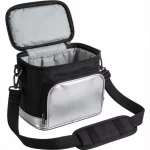 Golf Cooler Bag
Need custom golf bags? Contact us for OEM/ODM quotes — MOQ 100pcs, FOB Xiamen.