Launching a Kickstarter campaign for custom golf bags? Here’s what you need to know: Small MOQs (Minimum Order Quantities) – as low as 50–100 units – can help you align production with backer demand, reduce financial risks, and test premium materials or designs.
Key Takeaways:
- Small MOQs: Order only what you need (50–100 units) to match backer pledges.
- Cost Control: Lower MOQs reduce upfront costs compared to traditional 300–1,000 unit requirements.
- Customization Options: Choose from materials like PU leather, nylon, or eco-friendly RPET, and add features like cooler pockets or GPS compartments.
- Production Process: Digital mockups in 6 hours, prototypes in 7–12 days, and mass production in 30–45 days.
- Shipping Made Easy: Delivered Duty Paid (DDP) shipping ensures no surprise fees for global delivery.
By working with experienced manufacturers like Keep Perfect Golf Gear, you can ensure quality, manage costs, and deliver a product your backers will love – all while keeping production flexible and efficient.
Planning Your Custom Golf Bag Project
Selecting the Right Golf Bag Type
When planning your custom golf bag project on Kickstarter, the type of bag you choose plays a big role in both production costs and how appealing your product will be to backers.
Cart bags are perfect for golfers who prefer riding and need lots of storage. These bags often feature 14-way dividers and dual cooler pockets, giving them a premium feel. However, their larger size and added features mean higher material costs.
If you’re targeting a more versatile audience, stand bags (or hybrid bags) might be the way to go. These are lighter than cart bags and include integrated stands with either 6-way or 14-way dividers, making them a good fit for players who alternate between walking and riding. On the other hand, Sunday bags cater to minimalists and casual players. With a sleek design and 5-way top, they are the most budget-friendly option and ideal for beginners.
The material you select will significantly impact your costs, accounting for 40% to 50% of the total unit price. If you’re aiming for a premium look, PU Leather is a great option – it’s waterproof and stylish but adds weight, making it better suited for serious golfers. For a lightweight and durable alternative, nylon or polyester is ideal, especially for walking golfers who value mobility. If sustainability is a priority, RPET (made from recycled plastic bottles) is worth considering. This eco-friendly material has seen a 300% surge in demand across European markets.
Once you’ve chosen the bag type and materials, it’s time to focus on the special features that will make your bag stand out.
Defining Your Customization Requirements
Nailing down your customization details early is crucial. One key feature is the divider system in the bag’s top cuff. For casual golfers, a standard 6-way divider works well, but serious players may expect a 14-way full-length divider. Keep in mind, though, that the 14-way option requires more intricate sewing, which can triple labor time.
Another important consideration is hardware and branding. Custom molds for branded handles or zipper pulls can cost anywhere from $300 to $2,000 upfront. To save on costs, ask your manufacturer about "open-mold" options – these are pre-existing standard parts that don’t require new tooling.
For branding, you have a couple of options. Heat transfer offers a sleek, durable finish at about $35 per bag, while embroidery provides a more traditional, textured look but costs around $50 per bag. To streamline the process, submit high-resolution files (PNG, AI, EPS, or PDF with transparent backgrounds) early on. This will help manufacturers create virtual mock-ups faster.
Finally, think about functional features that will resonate with your backers. Details like thermal cooler pockets or reinforced strap anchor points should align with what your audience actually needs, ensuring your bag is both visually appealing and practical for its intended users.
sbb-itb-4fa7e8b
Customization Options for Your Golf Bags
Logo Application Methods
Your logo is a key part of your brand identity, so the way it’s displayed on your golf bags matters. Embroidery is a go-to option if you’re aiming for a polished, professional appearance. It’s best for logos with up to eight colors and requires a minimum size of 1.2″ (3 cm). This method gives your logo a textured, long-lasting finish. For simpler, bold designs, silk screening offers a flat and clean result, with no size restrictions. If your logo is more intricate or features vibrant, full-color artwork, heat transfer can deliver detailed, photographic-quality results – though the image may fade over time. For premium leather bags, debossing or hot stamping creates a subtle, permanent impression that won’t peel or wear away. Meanwhile, sublimation printing is perfect for all-over or full-wrap designs, embedding vibrant colors that last.
To get the best results, provide your manufacturer with Pantone (PMS) codes for accurate color matching. Submit your logo in vector formats like AI or EPS, or as a high-resolution PNG (at least 300 dpi) to avoid pixelation. Always request a pre-production sample – this usually takes about 7 to 12 days – so you can confirm the look before moving into full production.
Once you’ve nailed down the logo application, it’s time to think about the materials and patterns that will define your bag’s overall style and performance.
Material and Pattern Selection
The material you choose for your golf bags plays a big role in both appearance and durability. Lightweight yet durable options like 600D/840D nylon are industry standards, while 1680D nylon is ideal for heavier-duty needs. If you want to elevate the look, jacquard nylon adds a textured, premium feel without sacrificing weight.
For brands with a focus on sustainability, GRS-certified RPET – made from recycled plastic bottles – provides an eco-conscious choice. If you’re designing high-end bags, PU leather offers a luxurious aesthetic and excellent water resistance, though it’s heavier than synthetic fabrics. Make sure your PU leather is hydrolysis-resistant to prevent peeling for three to five years. Playing with color combinations and textured patterns can also help your bag stand out in a competitive market.
Once your materials are set, shift your attention to practical features that enhance the bag’s usability.
Practical Features to Consider
The right features can take your golf bag from standard to standout. Adding insulated cooler pockets keeps drinks cold during long games, while ventilated shoe compartments ensure hygiene by separating footwear from other gear. Small touches like a dedicated umbrella sleeve and towel hooks add convenience without overcomplicating production.
For tech-savvy golfers, think about including compartments for GPS devices or Bluetooth trackers, along with RFID-blocking pockets to protect valuables. Opt for waterproof hardware and reinforced construction to enhance the bag’s durability.
Pay special attention to stress points. Use "Cross-Box X" stitching at shoulder strap anchors to prevent tearing under heavy loads. Weak zipper stitching and unstable bases are common reasons for product returns in this category, so ask your manufacturer to perform loaded drop tests (simulating about 33 lbs of gear) to ensure structural integrity. These thoughtful design choices can help your bags meet the high expectations of your customers, especially if you’re launching through a Kickstarter campaign.
Finding Manufacturers That Accept Small MOQs
What to Look for in a Manufacturer
If you’re planning a Kickstarter launch, finding a manufacturer that accepts small orders (around 50–100 units) is a game-changer. Look for a partner offering a full-service solution – one that handles everything from design and sampling to production, quality checks, and global shipping. This streamlined approach saves you from juggling multiple vendors and keeps your project on schedule.
A quick turnaround on digital mockups (as fast as 6 hours) is another must-have. It lets you visualize your product and make adjustments quickly, which is critical for hitting your campaign deadlines. Plus, working directly with the factory can help you avoid unnecessary middleman fees, keeping your margins intact.
The manufacturer should also offer customization options, like working with materials such as aluminum or carbon fiber, creating custom headframes, or applying logos in different styles. Their quality assurance should include features like waterproof zippers, reinforced stitching at stress points, and formal warranties. Typically, production takes 30 to 45 days after sample approval, but some manufacturers can expedite the process to just 20 days.
With these factors in mind, let’s explore how Keep Perfect Golf Gear checks all these boxes.
Why Choose Keep Perfect Golf Gear
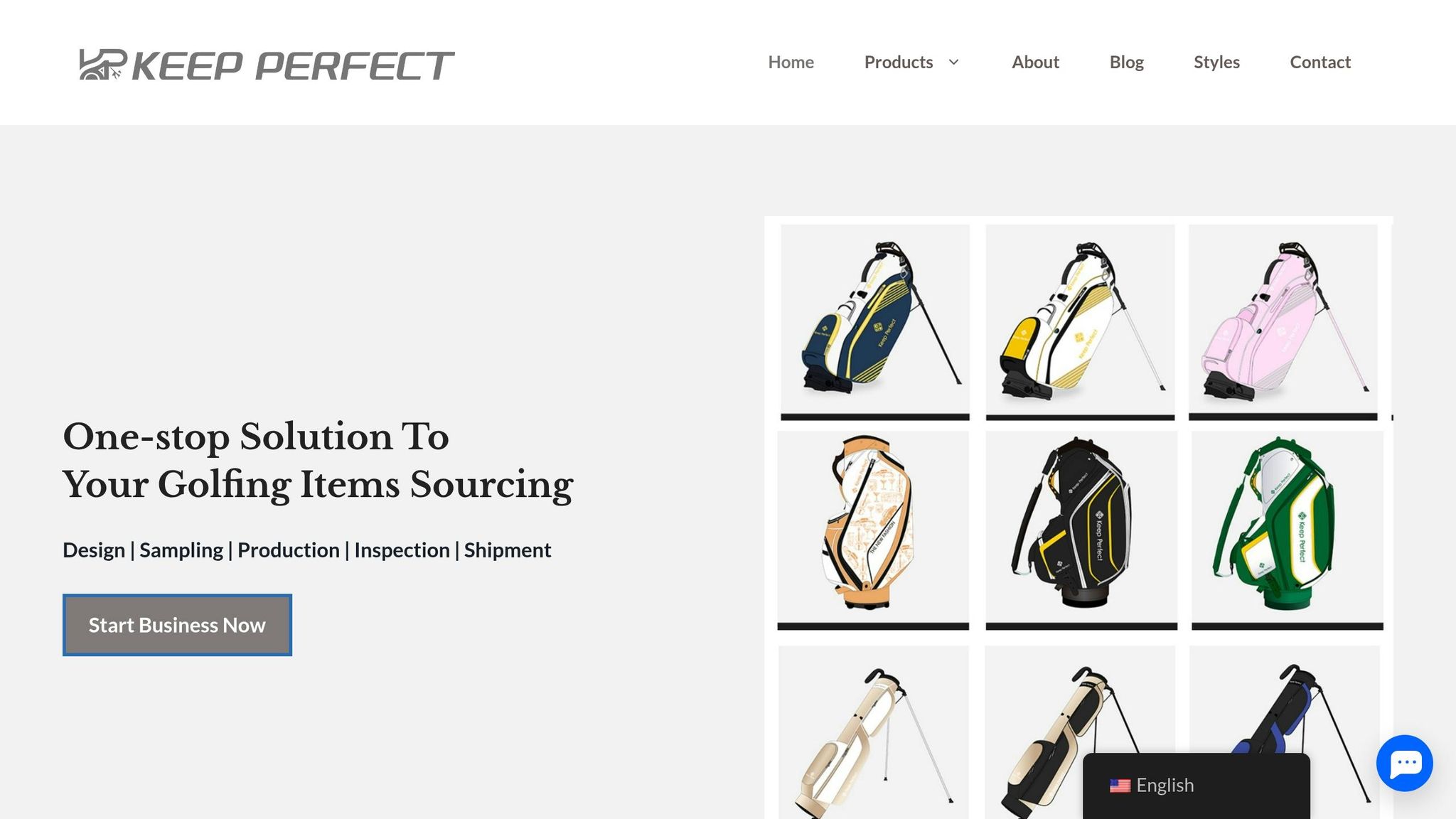
For Kickstarter creators looking for fast, high-quality production, Keep Perfect Golf Gear stands out with its small MOQ options. They specialize in OEM/ODM custom golf bags, offering production runs starting at just 50 to 100 units – perfect for testing your product in the market. Their rapid digital mockup process allows you to refine your design quickly, helping you stay on track during campaign planning.
Located in Quanzhou, Fujian, Keep Perfect operates as a direct factory, cutting out middleman costs while maintaining strict quality control. Their one-stop service includes everything: design, sampling (with sampling fees fully refundable upon bulk orders), mass production, AQL Level II quality inspections, and DDP shipping to major markets.
With experience serving over 100 global brands, Keep Perfect knows how to meet the demands of crowdfunding campaigns and backer expectations. You can customize every detail, from club dividers (4-way to 14-way) to tripod materials, and choose from various logo applications like embroidery, printing, or leather patches.
"Keep Perfect delivered exceptional custom golf bags for our sales team. The logo embroidery was flawless!" – Global Sports Brand
How Golf Bags Are Made? 🏅 Inside a Professional Golf Bag Factory Tour
How the Manufacturing Process Works
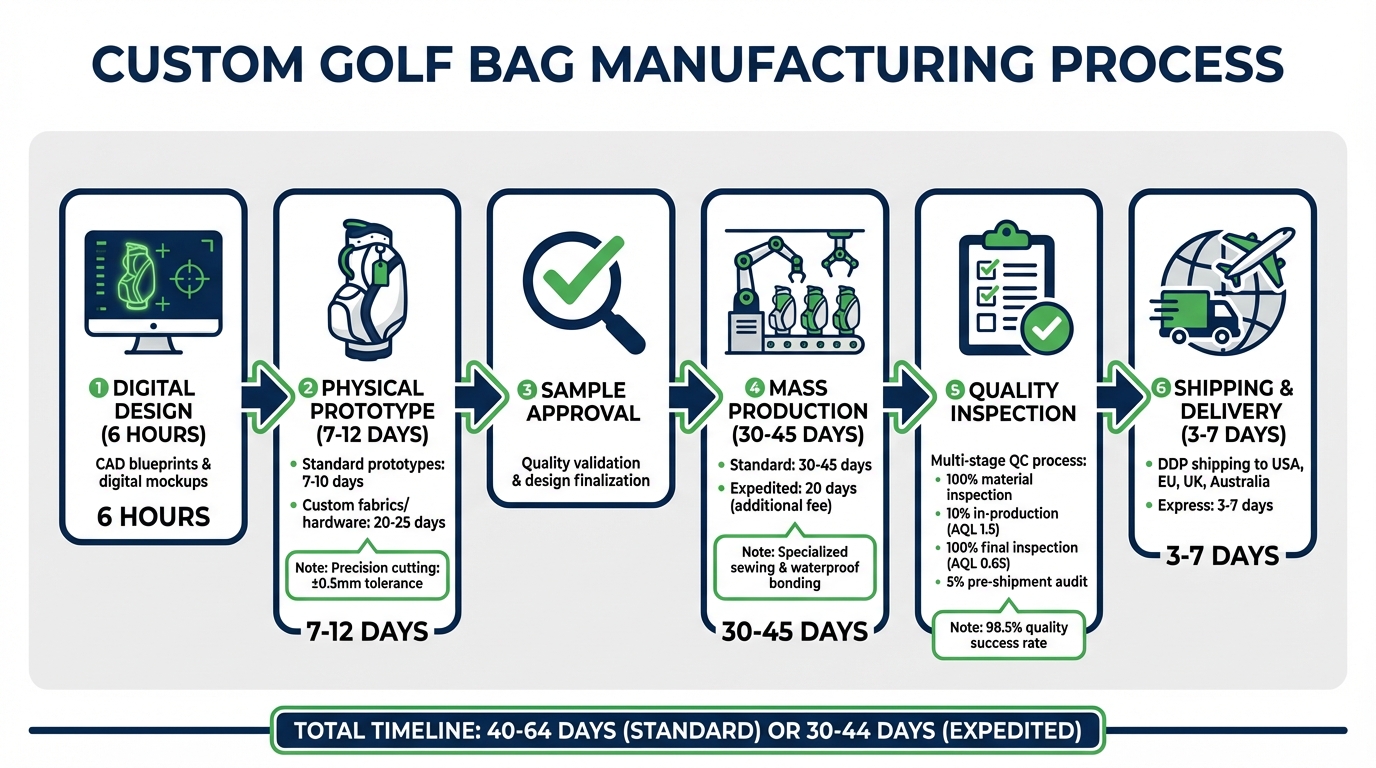
Custom Golf Bag Manufacturing Timeline: From Design to Delivery
From Design to Prototype
Creating your custom golf bag kicks off with CAD (Computer-Aided Design), where your ideas are translated into detailed technical blueprints. These include material specifications and production plans, giving you a clear picture of how your concept will come to life. Some manufacturers can provide initial mockups in as little as 6 hours, helping you quickly visualize and tweak your design before committing to physical samples.
Once you’re satisfied with the digital design, the process moves into the physical prototype phase. Standard prototypes usually take 7 to 10 days to produce. However, if you’re working with custom-dyed fabrics or need specialized hardware molds, the timeline can extend to 20 to 25 days. During this stage, every detail is tested – zippers, straps, and overall durability – to ensure the design is flawless before scaling up to mass production.
Manufacturers rely on precision cutting systems like laser, ultrasonic, or water jet cutters, achieving accuracy within ±0.5mm tolerance. This precision ensures consistent quality across the entire production run. If standard hardware is used for components like handles and bases, you can avoid costly tooling fees, which typically range from $300 to $2,000 for custom molds.
Once the prototype is finalized and approved, the process advances to full-scale production, backed by rigorous quality checks to maintain your design’s integrity.
Production, Inspection, and Shipping
After prototype approval, mass production begins. This phase usually takes 30 to 45 days, though expedited options are available for an additional fee, cutting the timeline to just 20 days. The assembly process involves specialized sewing techniques, such as lockstitch and bartack reinforcements at stress points, along with bonding methods like heat welding to create waterproof seams.
Quality control is a critical part of the process. It includes thorough inspections at multiple stages: 100% of incoming materials are checked, 10% of items are reviewed during production (AQL 1.5), 100% undergo final inspection (AQL 0.65), and 5% are audited pre-shipment. These steps ensure a 98.5% quality success rate and a 95% on-time delivery rate. Functional tests are rigorous too – zippers are tested for 2,000 open-close cycles, while straps undergo 5,000-cycle jerk tests to guarantee durability.
The final steps involve branding application, protective packaging, and shipping. For Kickstarter campaigns, DDP (Delivered Duty Paid) shipping to regions like the USA, EU, UK, and Australia simplifies the process by including customs clearance upfront. If you need your products quickly, express shipping can deliver them within 3 to 7 days.
Maintaining Quality and Reducing Risks
Quality Control Procedures
Your supporters expect nothing less than professional-grade products – not flawed prototypes. To meet these expectations, it’s crucial to establish a structured inspection process that identifies issues before shipping. Start with material validation: confirm that every batch of fabric meets a tensile strength of at least 200 N (ASTM D5034) and achieves a water resistance rating of 4+ on the AATCC 22 scale. This step is essential to avoid production setbacks later.
Pay special attention to high-wear components like zippers, straps, and stand mechanisms, as these parts endure daily use. Test their reliability under repeated stress and request a pre-shipment inspection report to document the results. Reputable facilities often target a 98.5% quality rate, keeping defect rates as low as 1.2%.
Your approved pre-production sample should serve as the benchmark for comparison. Every unit produced must match it in terms of dimensions, pocket sizes, strap lengths, and divider spacing. Manufacturers typically conduct final inspections at an Acceptance Quality Limit (AQL) of 0.65. To ensure consistency, request random inspections of 10–15% of the finished units. These thorough checks are the foundation for minimizing production risks.
How to Reduce Production Risks
Even with rigorous quality checks in place, there are additional steps you can take to reduce production risks further. Ordering samples is one effective way to validate design details before committing to full-scale production. Start with digital or 3D mockups to confirm details like logo placement and color accuracy using Pantone codes. Once satisfied, move on to physical samples, which usually require 7–12 days to produce.
Clear communication with your manufacturer is essential. Verify that they hold ISO9001 and BSCI certifications, which indicate adherence to consistent quality standards and ethical practices. To protect your designs, have them sign an NDA. If visiting the facility in person isn’t feasible, ask for a live video tour to assess their operations.
Plan your timelines carefully, accounting for potential delays caused by holidays or sourcing specialized materials. Opt for manufacturers that back their products with 24-month warranties on key components like zippers, straps, and stitching defects. This shows their confidence in the quality of their work. Additionally, using DDP (Delivered Duty Paid) shipping can help streamline customs clearance and prevent unexpected fees that might disrupt your Kickstarter budget.
Conclusion
Launching a custom golf bag on Kickstarter doesn’t have to mean overextending your budget or taking on unnecessary inventory risks. With minimum order quantities (MOQs) starting at just 100 pieces, you can test your idea, keep financial risks low, and deliver exactly what your backers are counting on.
The key to success lies in careful preparation. Start by choosing the right bag style, specifying customization details clearly (using tools like Pantone codes and vector files), and securing pre-production samples – typically available in 7–12 days. These steps ensure your prototype aligns with your vision and builds confidence with your backers from the outset.
It’s also important to work with a manufacturer experienced in the unique demands of crowdfunding. Look for facilities with ISO9001 or BSCI certifications, transparent DDP shipping to avoid surprise customs fees, and dependable warranties. These factors help safeguard your campaign’s reputation and reassure your supporters well after the campaign wraps up.
Don’t overlook quality control. A thorough five-stage inspection process – covering material checks, in-process reviews, and pre-shipment audits – ensures your product meets professional standards. Random inspections of 10–15% of units further reduce the chance of defects reaching your backers. By leveraging small MOQs, you can align production with actual demand, setting your campaign up for success.
With detailed planning and a strong focus on quality, your custom golf bag campaign has everything it needs to hit the mark.
FAQs
What’s the best MOQ to start with for my Kickstarter?
The perfect minimum order quantity (MOQ) for your Kickstarter project depends on several factors, like your budget, goals, and how much customization your product needs. Many manufacturers cater to crowdfunding campaigns by offering smaller MOQs, often starting around 50 to 100 units. This range is a sweet spot – it keeps costs manageable while ensuring you have enough inventory to fulfill rewards for your backers.
To get the best results, have a clear conversation with your manufacturer. Share your specific needs and expectations to confirm they can handle your MOQ and any customization requests. Clear communication is key to making this process smooth and successful.
How do I price rewards with small-batch manufacturing costs?
To determine reward pricing for small-batch manufacturing, start by calculating your per-unit cost. This includes everything: materials, labor, and any customization. Once you have that number, add a markup that ensures a solid profit margin while still being attractive to your backers.
Keep in mind that smaller minimum order quantities (MOQs) often lead to higher per-unit costs, so your pricing should reflect this reality. Don’t forget to factor in shipping costs and leave a buffer for any unexpected expenses. It’s also smart to build room into your reward tiers to cover setup fees and other costs related to small-scale production.
What should I lock in before approving a prototype?
Before giving the green light to a prototype for your custom golf bag, take a close look at its quality standards. This means examining the materials used, testing its durability, and evaluating the craftsmanship. Don’t forget to check for features like water resistance and how well it holds up under stress tests.
You’ll also want to ensure that all customization options – like logo placement, embroidery, and any special features – are exactly as you envisioned. Getting these details right from the start can save you from expensive and time-consuming revisions down the line.
Related Blog Posts
- How to Order Bulk Custom Golf Bags: Wholesale Pricing & Timeline
- From Design to Delivery: A Behind-the-Scenes Look at Our Custom Process
- Top 10 Custom Golf Bag Factories in China: OEM Capabilities & Quality Standards
- Minimal Order Quantities (MOQ) Guide: Working with Golf Bag Factories
Related Resources
Related Products
Explore our manufacturing capabilities in this category:
 Premium Stand Bag
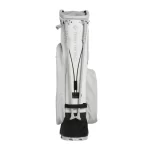 Ultra-Light Stand Bag
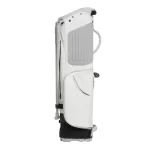 Hybrid Stand Bag
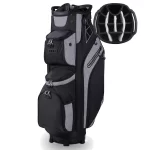 Rain-Resistant Stand Bag
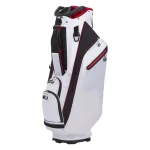 Premium Tour Cart Bag
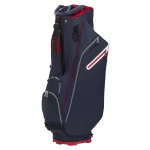 Lightweight Cart Bag
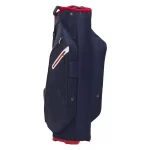 Waterproof Cart Bag
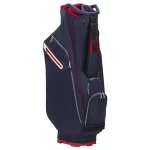 Staff Cart Bag
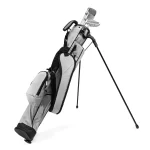 Classic Sunday Carry Bag
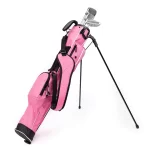 Ultra-Light Sunday Bag
Need custom golf bags? Contact us for OEM/ODM quotes — MOQ 100pcs, FOB Xiamen.