
Introduction: Why This Brand Comparison Matters for Golf Retail Buyers
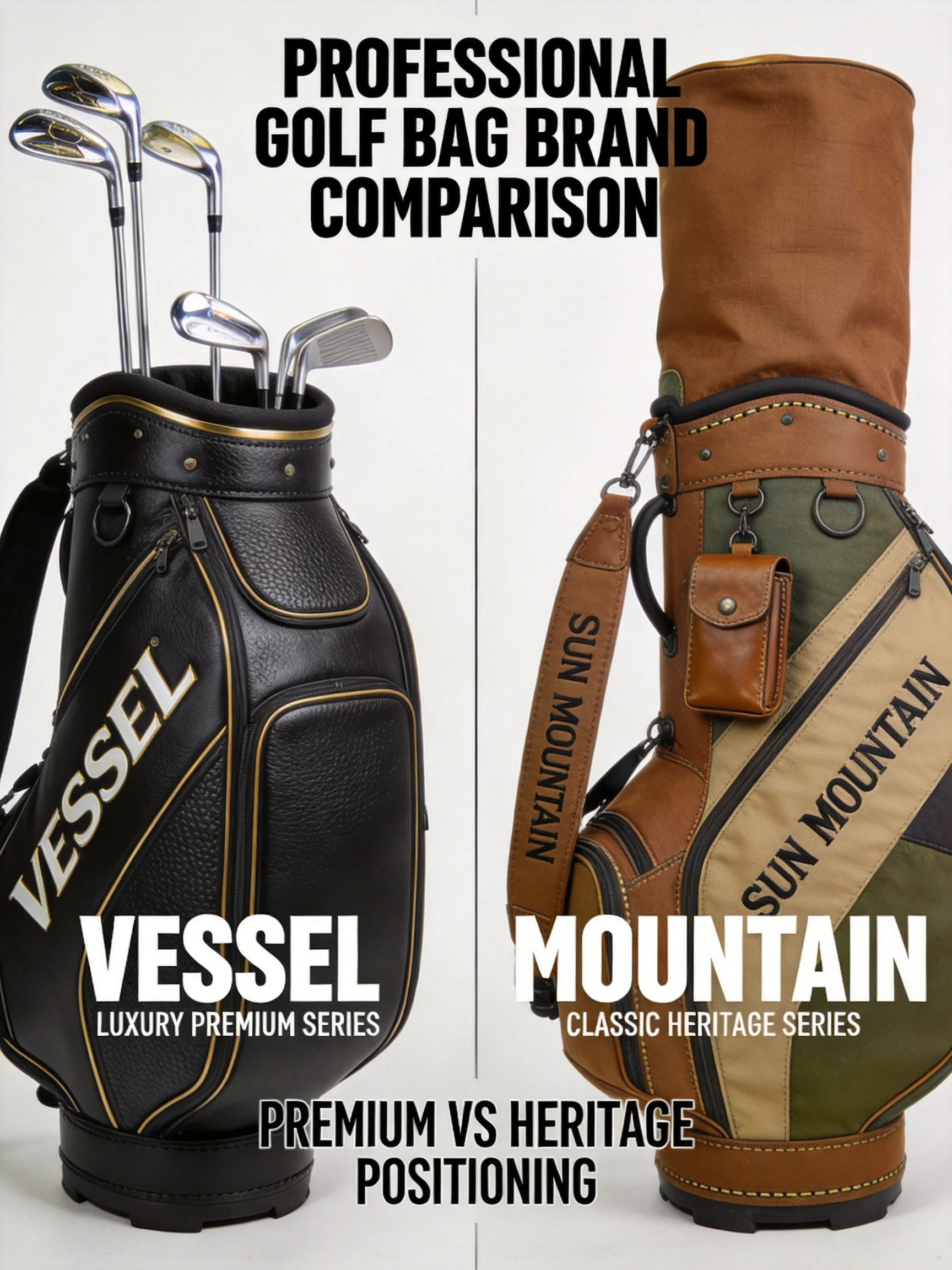
In the premium golf bag market, two names consistently dominate buyer conversations: Vessel and Sun Mountain. As the global golf bag market continues to expand — valued at approximately USD 1.8 billion in 2025 with the premium segment growing at a 6.2% CAGR through 2030 — OEM/ODM decision-makers, retail buyers, and DTC brand founders need a clear understanding of what separates these two powerhouses.
This isn’t merely a consumer-level product review. This comparison is engineered for B2B stakeholders: purchasing managers evaluating brand positioning, pro shop operators curating inventory, and entrepreneurs building private-label golf bag lines. Understanding the strategic differences between Vessel’s luxury DTC model and Sun Mountain’s heritage-driven, broad-market approach reveals critical insights about pricing architecture, material choices, distribution strategies, and the white-space opportunities available through OEM/ODM manufacturing partnerships.
By the end of this analysis, you’ll have a data-driven framework for deciding whether to stock, distribute, or compete against these brands — or whether building your own premium brand through a private-label manufacturing partner offers superior margins.
Brand Heritage & Background
Vessel: The Luxury Disruptor
Founded: 2016 | Founder: Michael Zuppello | Headquarters: Austin, Texas, USA
Vessel entered the golf bag market with a singular thesis: golf bags should be treated as luxury accessories, not utilitarian equipment. Founder Michael Zuppello, drawing from his background in the premium golf industry, identified that no brand was consistently occupying the $500–$1,200+ price tier with the same rigor that brands like Louis Vuitton or Tumi brought to leather goods.
Vessel’s founding premise was radical for golf: apply luxury fashion-house principles — premium materials, limited colorways, celebrity endorsements, and direct-to-consumer exclusivity — to a product category that had largely competed on incremental feature additions.
The brand’s trajectory accelerated dramatically when Parsons Xtreme Golf (PXG) acquired Vessel in 2022, integrating it into a broader luxury golf equipment ecosystem. This acquisition gave Vessel access to expanded distribution channels while maintaining its premium brand identity. Today, Vessel operates through a hybrid DTC and select pro-shop model, with estimated retail distribution in over 40 countries.
Sun Mountain: The Pacific Northwest Pioneer
Founded: 1984 | Founder: Tom Reid | Headquarters: Bend, Oregon, USA
Sun Mountain represents four decades of iterative innovation in golf bag design. Founded by Tom Reid in the golf-mad Pacific Northwest, the company built its reputation on solving real problems golfers faced — from weight distribution to pocket configuration to rain protection.
The brand’s 4.5 series, launched in the 1990s, became an industry benchmark for lightweight stand bags, selling over 2 million units across successive iterations. Sun Mountain’s design philosophy has always prioritized functionality and accessible pricing, with products spanning from $100 entry-level bags to $600 premium offerings.
As part of a larger golf equipment distribution network, Sun Mountain benefits from established relationships with major retail chains, pro shops, and e-commerce platforms across North America, Europe, and Asia-Pacific markets. The brand’s estimated market share in the U.S. golf bag segment is approximately 12–15%, making it one of the top three domestic brands by volume.
Product Line Overview
Vessel Product Architecture
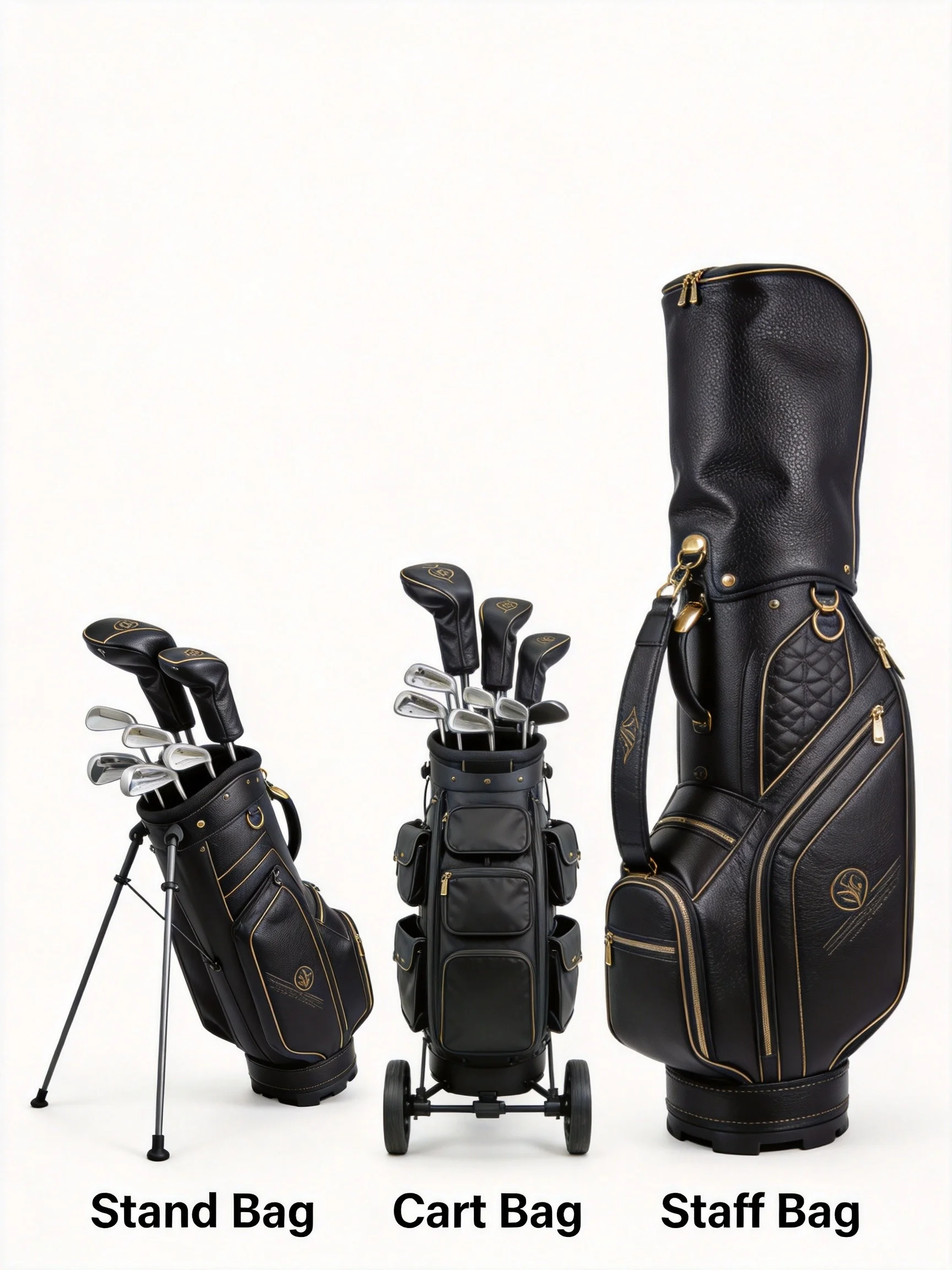
Vessel maintains a curated, high-ASP product line with minimal SKU proliferation — a deliberate luxury strategy:
| Category | Key Models | Price Range (USD) | Target Buyer |
|---|---|---|---|
| Stand Bags | Vessel STAND LX, Vessel STAND XV | $500–$750 | Walking golfers, luxury pro shops |
| Cart Bags | Vessel Cart BRX, Vessel Cart VLX | $550–$900 | Cart-preference golfers, club fitting studios |
| Staff/Tour Bags | Vessel STAFF, Vessel STAFF XL | $800–$1,200+ | Tour professionals, brand ambassadors, collectors |
| Limited Editions | Collaboration releases, seasonal colorways | $650–$1,500 | Collectors, luxury retail, gift market |
Sun Mountain Product Architecture
Sun Mountain operates a volume-driven, tiered product line covering every price point and bag type:
| Category | Key Models | Price Range (USD) | Target Buyer |
|---|---|---|---|
| Stand Bags | 3.5 LS, 4.5 LSB, C-1X Stand | $100–$350 | Mass-market retail, big-box golf, e-commerce |
| Cart Bags | C-1X Cart, 2024 X-Range Cart | $180–$450 | Mid-tier pro shops, online retailers |
| Staff Bags | Rayne Staff, Tour Staff | $250–$600 | Tour teams, college programs, pro shops |
| Sunday/Utility Bags | Sunday Bag, Range Pouch Bag | $80–$200 | Practice range, walking minimalists |
Head-to-Head Comparison
| Attribute | Vessel | Sun Mountain |
|---|---|---|
| Founding Year | 2016 | 1984 |
| Materials | Synthetic leather, premium nylon, metal hardware | Cordura nylon, polyester, EVA-molded bases |
| Design Philosophy | Luxury aesthetics, fashion-forward, minimalist | Function-first, iterative innovation, ergonomic |
| Storage & Organization | Curated pockets (fewer, more refined) | Maximum pocket count (10–14 pockets typical) |
| Weight (Stand Bag) | 4.5–5.5 lbs | 3.0–5.0 lbs (ultralight 4.5 series) |
| Price Range | $500–$1,200+ | $80–$600 |
| Warranty | 2-year limited warranty | Limited lifetime warranty |
| Distribution | DTC + select luxury pro shops | Mass retail, e-commerce, pro shops, big-box |
| Customization | Monogramming, custom color programs | Limited custom options |
| Target Demographics | High-income golfers (HHI $200K+), luxury buyers | Broad market (all skill levels, all budgets) |
Vessel Golf Bags: Deep Dive
Key Models
Vessel Stand LX
The flagship stand bag features synthetic leather panels, a carbon-fiber-reinforced base, and a 14-way full-length divider system. Weight: approximately 5.2 lbs. Retail: $649. The LX embodies Vessel’s “less is more” philosophy — six strategically placed pockets rather than the 10+ found in competitor bags.
Vessel Cart BRX
Designed for the cart golfer who refuses to compromise on aesthetics. Features waterproof valuables pocket, integrated putter well, and magnetic accessories dock. The BRX represents Vessel’s highest-margin product category, with ASP exceeding $700. Retail: $699–$899.
Vessel STAFF Tour Bag
The tour-visible flagship. At $1,000–$1,200+, the STAFF bag serves as both a functional product and a brand marketing tool. Tour professionals carrying the Vessel STAFF generate significant earned media value — a key ROI metric for the PXG ecosystem.
Vessel Strengths
- Brand Premium: Commands 3–5x markup over comparable-quality competitors through brand equity alone
- Material Innovation: Proprietary synthetic leather blends that resist UV degradation and moisture absorption
- Customization Programs: B2B custom color and monogram programs enable pro shops to offer exclusive inventory
- Celebrity & Tour Presence: Visible on PGA/LIV tours, generating organic brand awareness
- DTC Margin Capture: Estimated gross margins of 60–65% through direct-to-consumer channels
Vessel Weaknesses
- Price Barrier: $500+ entry point excludes 85%+ of the addressable golf market
- Limited Distribution: Selective retail strategy means lower brand awareness among casual golfers
- Weight Penalty: Luxury materials add 1–2 lbs compared to ultralight competitors
- PXG Dependency: Brand perception partially tethered to PXG’s polarizing market position
Sun Mountain Golf Bags: Deep Dive
Key Models
Sun Mountain 3.5 LS Stand Bag
The evolution of the legendary 4.5 series. At 3.5 lbs, it’s one of the lightest full-featured stand bags on the market. Features a 5-way divider, 4 pockets, and a dual-strap carry system. Retail: $249.
Sun Mountain C-1X Cart Bag
A bestseller in the cart bag segment with 11 pockets including a full-length valuables pocket, insulated beverage pouch, and integrated glove hook. The C-1X’s 14-way divider and oversized construction make it a pro shop favorite. Retail: $279–$349.
Sun Mountain Rayne Staff Bag
The brand’s premium offering, competing at $450–$600 — roughly half the price of a Vessel STAFF. Features full-grain leather accents, embroidered customization options, and a tour-validated silhouette. Retail: $499.
Sun Mountain Strengths
- Value Proposition: Unmatched price-to-feature ratio across all bag categories
- Innovation Leadership: Pioneered lightweight stand bag design; continuous material science R&D
- Broad Distribution: Available through 5,000+ retail doors in North America alone
- Brand Trust: 40-year track record creates purchasing confidence for risk-averse buyers
- Warranty Strength: Limited lifetime warranty reduces buyer risk perception
Sun Mountain Weaknesses
- Luxury Gap: Lacks the premium brand cachet that drives $700+ ASP transactions
- Brand Inconsistency: Wide product range (from $80 to $600) dilutes brand positioning
- Design Aesthetics: Functional but rarely described as “beautiful” — a missed emotional connection opportunity
- Customization Limits: Minimal personalization options compared to luxury competitors
Which Brand Is Right for You? A Buyer Persona Guide
For Luxury Pro Shop Operators
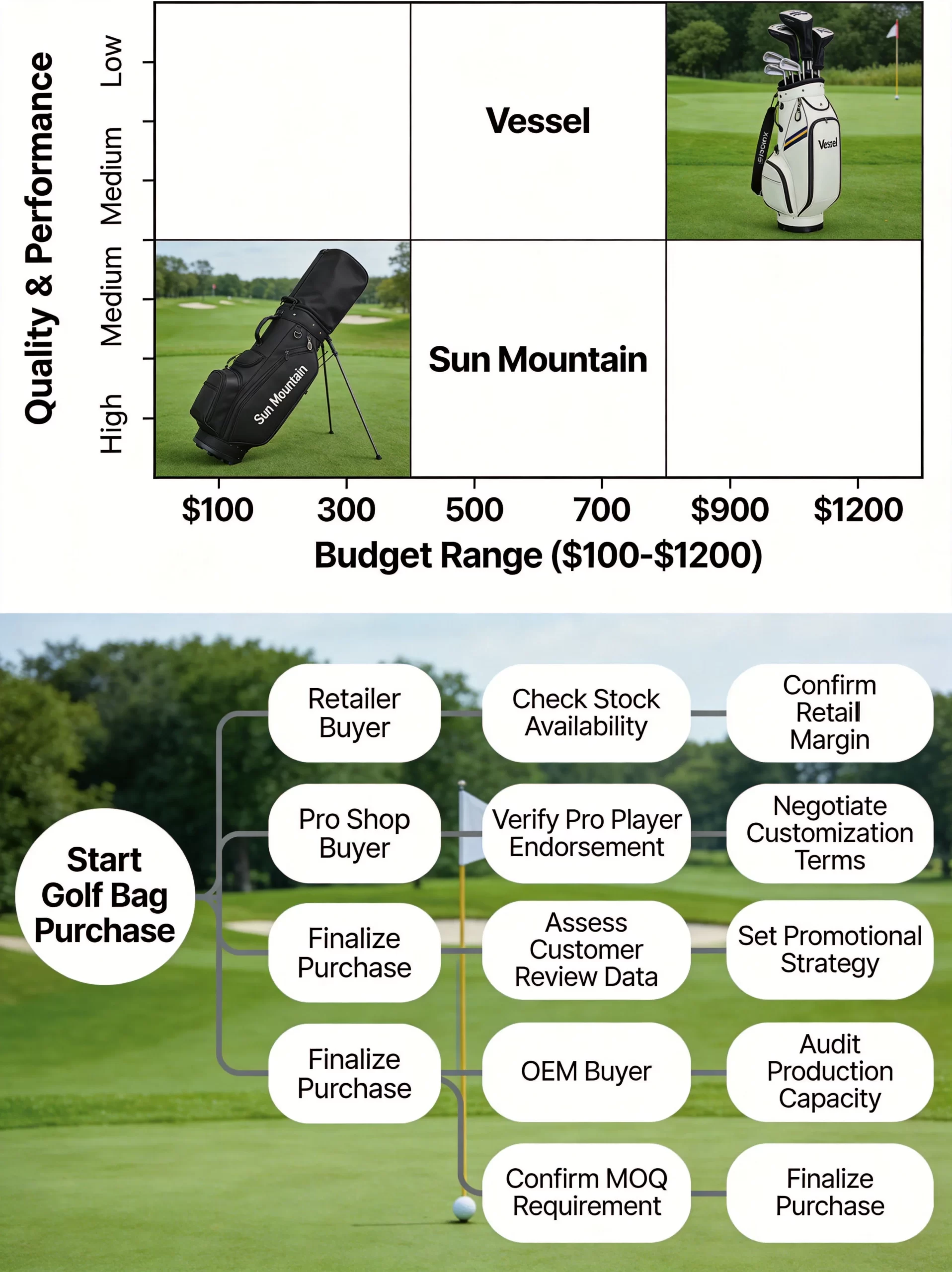
If your shop caters to high-net-worth golfers (HHI $200K+) in resort or private club environments, Vessel is the strategic choice. The brand’s luxury positioning complements premium club fitting services, and the manufacturer selection process for stocking Vessel typically involves direct brand relationship negotiations. Average pro shop margin on Vessel bags: 35–42%.
For Mass-Market Retail Buyers
If you operate a high-volume retail operation — big-box sporting goods, e-commerce platforms, or regional chains — Sun Mountain offers the velocity-to-margin balance your business model demands. Sun Mountain’s established wholesale programs include cooperative advertising support, seasonal promotion calendars, and quality-tested supply chains that minimize return rates.
For Tour & College Program Buyers
Both brands compete aggressively in the team bag segment. Sun Mountain’s $250–$600 price point fits within most athletic department budgets, while Vessel’s tour credibility appeals to programs seeking premium brand association. Volume discounts of 15–25% are available from both brands for orders exceeding 20 units.
For DTC Brand Founders & Private-Label Buyers
If you’re building a golf bag brand and evaluating these companies as benchmarks, the critical insight is this: neither brand’s price positioning is immutable to replicate. Through strategic OEM/ODM partnerships, you can engineer products that match Vessel’s material quality at 40% lower cost, or Sun Mountain’s functionality with enhanced aesthetics. See our materials guide for technical specifications.
The OEM/ODM Alternative: Build Your Own Premium Brand
For B2B buyers who recognize the margin compression inherent in stocking established brands, the golf bag category landscape presents a compelling alternative: creating your own brand through OEM/ODM manufacturing.
Why Private Label Makes Financial Sense
| Cost Element | Branded (Vessel/Sun Mountain) | Custom OEM/ODM |
|---|---|---|
| Landed Cost (Stand Bag) | $180–$350 | $45–$120 |
| Retail Price Point | $500–$1,200 / $100–$600 | Your choice: $150–$800 |
| Gross Margin | 35–45% (retail) / 20–30% (wholesale) | 55–75% (DTC) / 40–55% (wholesale) |
| Minimum Order | No minimum (wholesale) | 200–500 units per SKU |
| Brand Equity | Building someone else’s brand | 100% owned by you |
| Customization | Limited to existing catalog | Full design, material, and feature control |
Junyuan Outdoors: Your Manufacturing Partner
With 22 years of golf bag manufacturing expertise, Junyuan Outdoors has partnered with over 200 brands across 100+ countries to deliver OEM and ODM golf bag solutions that rival — and often exceed — the quality of Vessel and Sun Mountain products.
Our capabilities include:
- Full Material Spectrum: From Cordura nylon and PU leather to recycled PET fabrics, we source and process materials to match any brand specification
- Design-to-Delivery: Complete private-label development from concept to market, including industrial design, prototyping, and production
- Quality Assurance: Rigorous quality control protocols aligned with ISO 9001 standards, with every bag passing 12-point inspection before shipment
- Flexible MOQ: Low minimum order quantities designed for emerging brands and market entrants
- Sustainable Manufacturing: Eco-friendly materials and processes for brands targeting environmentally conscious consumers
- Global Compliance: Certifications including REACH, CPSIA, and Prop 65 compliance for all major markets
Whether you’re looking to match Vessel’s luxury aesthetic at a fraction of the cost, or engineer Sun Mountain-level functionality with your own unique design language, our factory capabilities and engineering team are ready to partner with you.
Material & Construction Deep Dive
Vessel’s Material Strategy
Vessel differentiates through synthetic leather composites and premium nylon weaves that mimic the hand-feel of luxury automotive interiors:
- Water-resistant synthetic leather with UV-stable pigmentation
- Anodized aluminum hardware (zippers, feet, strap attachments)
- Carbon-fiber reinforced base plates for rigidity
- Molded EVA interiors with microfiber lining
Sun Mountain’s Material Strategy
Sun Mountain prioritizes proven, field-tested materials optimized for weight-to-durability ratios:
- 1680D and 1200D Cordura nylon for high-abrasion zones
- 600D polyester for secondary panels (weight savings)
- EVA-molded bases with injection-molded rib structures
- YKK zippers with oversized pulls for gloved operation
What This Means for OEM Buyers
Both brands’ material choices are fully replicable through experienced OEM manufacturers. The cost differential between Vessel’s synthetic leather approach and a comparable OEM execution can be 30–50% when leveraging established supply chains in China’s premium bag manufacturing clusters. The key is selecting a manufacturer with proven expertise in quality testing and shipping standards.
Market Trends & Strategic Implications
The Premium Segment Opportunity
According to industry analysis, the premium golf bag segment (retail price $400+) is growing at 6.2% CAGR, outpacing the overall golf bag market growth of 3.8%. Key drivers include:
- Growing HNW golfer population: Global golf participation among HNW individuals increased 18% from 2020–2025
- DTC brand emergence: Over 40 new premium golf bag brands launched between 2020–2025, most using OEM manufacturing
- Customization demand: 67% of pro shop operators report increased customer requests for personalized bag options
- Tour visibility ROI: Bags visible on professional tours generate an estimated $2–5M in equivalent media value annually for featured brands
The Value Segment Reality
While the premium segment grows faster, the mid-range segment ($100–$400) still accounts for approximately 55% of total market volume. Sun Mountain dominates this space, but the barrier to entry is lowering as OEM manufacturers improve quality capabilities. The average OEM cost for a mid-range stand bag has decreased 12% since 2020 due to material innovation and manufacturing efficiency gains.
Supply Chain & Manufacturing Considerations for B2B Buyers
Lead Times & Production Capacity
Understanding manufacturing timelines is critical for inventory planning. Vessel products, manufactured through contract partnerships in Asia with strict quality oversight, typically require 90–120 days from order to delivery for wholesale accounts. Sun Mountain, with its established U.S.-based distribution infrastructure, maintains domestic warehousing that enables 2–4 week fulfillment for most domestic orders.
For OEM/ODM buyers building their own brand, production timelines range from 60–90 days for initial orders, with subsequent re-orders fulfilling in 45–60 days. This compares favorably to both branded alternatives when factoring in the time required for brand negotiation, allocation approval, and seasonal catalog constraints.
Quality Assurance Benchmarks
Both Vessel and Sun Mountain maintain rigorous quality standards, but their approaches differ meaningfully:
- Vessel: Emphasizes visual inspection and material hand-feel consistency. Each bag undergoes individual inspection for stitching alignment, leather grain matching, and hardware finish quality. Acceptance rate targets: 98.5%+ visual perfection.
- Sun Mountain: Prioritizes functional testing and durability benchmarks. Statistical process control (SPC) methods ensure zipper longevity, strap integrity, and structural performance meet defined thresholds across production lots.
For OEM buyers, both quality philosophies are achievable. The choice depends on your brand positioning: luxury brands benefit from Vessel’s visual-first approach, while performance-oriented brands should adopt Sun Mountain’s function-first methodology. Either way, partnering with a manufacturer that implements comprehensive quality control is non-negotiable for building brand credibility.
Geographic Distribution Strategy
Vessel’s distribution strategy mirrors luxury fashion brands: controlled scarcity. The brand limits retail door count to maintain premium perception, focusing on elite pro shops, resort courses, and flagship DTC channels. This creates pricing discipline — authorized retailers rarely discount Vessel products, protecting brand equity.
Sun Mountain takes a penetration-maximizing approach, distributing through mass-market channels including Golf Galaxy, PGA Tour Superstore, Amazon, and independent pro shops nationwide. While this drives volume, it also creates pricing pressure as discount-oriented retailers compete on price.
For private-label brands, the optimal strategy often combines elements of both: selective premium distribution for hero products (stand bags, staff bags) paired with broader e-commerce availability for entry-level offerings. This hybrid approach enables brands to capture margin at the top of the funnel while building awareness at the base.
FAQ
1. What is the main difference between Vessel and Sun Mountain golf bags?
The core difference is market positioning. Vessel targets the luxury segment ($500–$1,200+) with premium materials, limited distribution, and fashion-forward design. Sun Mountain serves the broad market ($80–$600) with innovation-driven, functional designs emphasizing value and accessibility. For B2B buyers, Vessel offers higher per-unit margins but lower velocity; Sun Mountain offers higher velocity with lower per-unit margins.
2. Is Vessel worth the premium price for retail buyers?
From a consumer perspective, Vessel’s premium is justified by material quality, brand prestige, and customization options. From a retail perspective, Vessel’s gross margins (35–42%) exceed industry averages for golf bags (25–35%), but inventory turnover is slower. Luxury pro shops and resort retailers typically achieve the best ROI with Vessel products.
3. Can OEM manufacturers replicate Vessel or Sun Mountain quality?
Yes. Experienced OEM manufacturers like Junyuan Outdoors (22 years, 200+ brand partnerships) can replicate — and in some cases exceed — the material quality and construction standards of both brands. The critical factors are selecting the right materials, implementing rigorous quality control protocols, and investing in prototyping and testing before full production.
4. What MOQ is required to launch a competing golf bag brand?
Modern OEM manufacturing has reduced barriers significantly. Partners like Junyuan offer low MOQ programs starting at 200 units per SKU, enabling emerging brands to test market viability without the $50,000+ inventory commitments that were standard a decade ago. A complete launch collection (stand bag, cart bag, staff bag) can be initiated with 600–1,500 total units.
5. How does the PXG acquisition of Vessel affect the market?
PXG’s 2022 acquisition of Vessel created a vertically integrated luxury golf equipment ecosystem. For competitors, this means Vessel now has deeper financial resources for tour marketing and product development. For OEM buyers, it means the luxury segment has a well-funded incumbent, making differentiation through custom design and material innovation more critical than ever.
6. What are the most important quality tests for golf bag manufacturing?
Critical quality tests include: zipper cycle testing (5,000+ cycles), strap pull-strength testing (minimum 50 lbs), water resistance testing (IPX4 rating minimum), UV degradation testing (500+ hours), base plate impact resistance, and divider system durability testing. These and additional tests are detailed in our golf bag quality testing guide.
Final Verdict: Strategic Recommendations for B2B Buyers
Choose Vessel if: You operate in the luxury retail segment, your customers expect premium brand association, and your margin model supports higher ASPs with lower inventory velocity. Vessel’s brand equity is substantial but comes with exclusivity requirements that limit market reach.
Choose Sun Mountain if: You need broad market appeal, reliable supply chain consistency, and a product range that serves golfers at every skill level and budget. Sun Mountain’s 40-year reputation provides risk mitigation that emerging brands cannot match.
Choose OEM/ODM if: You want to capture the full value chain margin, build your own brand equity, and have complete control over product design, materials, and pricing strategy. With manufacturing partners like Junyuan Outdoors, the quality gap between custom OEM products and established brands has effectively closed — while the margin advantage remains substantial.
Ready to explore OEM/ODM golf bag manufacturing? Contact Junyuan Outdoors today for a consultation on how we can help you build a premium golf bag brand that competes with Vessel and Sun Mountain — at margins that transform your business economics.
Related Resources
Related Resources
Related Products
Explore our manufacturing capabilities in this category:
 Premium Stand Bag
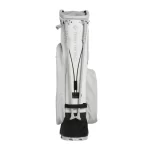 Ultra-Light Stand Bag
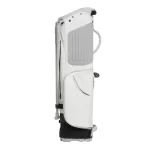 Hybrid Stand Bag
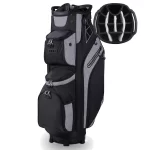 Rain-Resistant Stand Bag
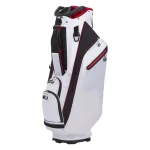 Premium Tour Cart Bag
 Lightweight Cart Bag
 Waterproof Cart Bag
 Staff Cart Bag
 Classic Sunday Carry Bag
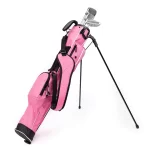 Ultra-Light Sunday Bag
Need custom golf bags? Contact us for OEM/ODM quotes — MOQ 100pcs, FOB Xiamen.

 English
  Português
  Français
  Español
  日本語
日本語