Want to save time and improve focus on the golf course? Organizing your golf bag can help you avoid distractions, protect your gear, and make every round smoother. Here’s how:
- Empty and Clean Your Bag: Remove all items, clean the bag, and check for damage or missing essentials.
- Arrange Clubs by Type and Length: Place woods and driver at the top, irons in the middle, and wedges/putter at the bottom for easy access.
- Organize Accessories: Use front pockets for frequently used items (balls, tees), side pockets for weather gear, and a valuables pocket for personal items.
- Use Cooler Pockets: Keep drinks and snacks in insulated compartments to stay hydrated and energized.
- Maintain Consistency: Always return items to their designated spots, clean your bag regularly, and adjust for seasonal needs.
Pro Tip: A well-organized bag can save you over 15 minutes per round, giving you more time to focus on your game. Follow these steps to simplify your setup and play with confidence.
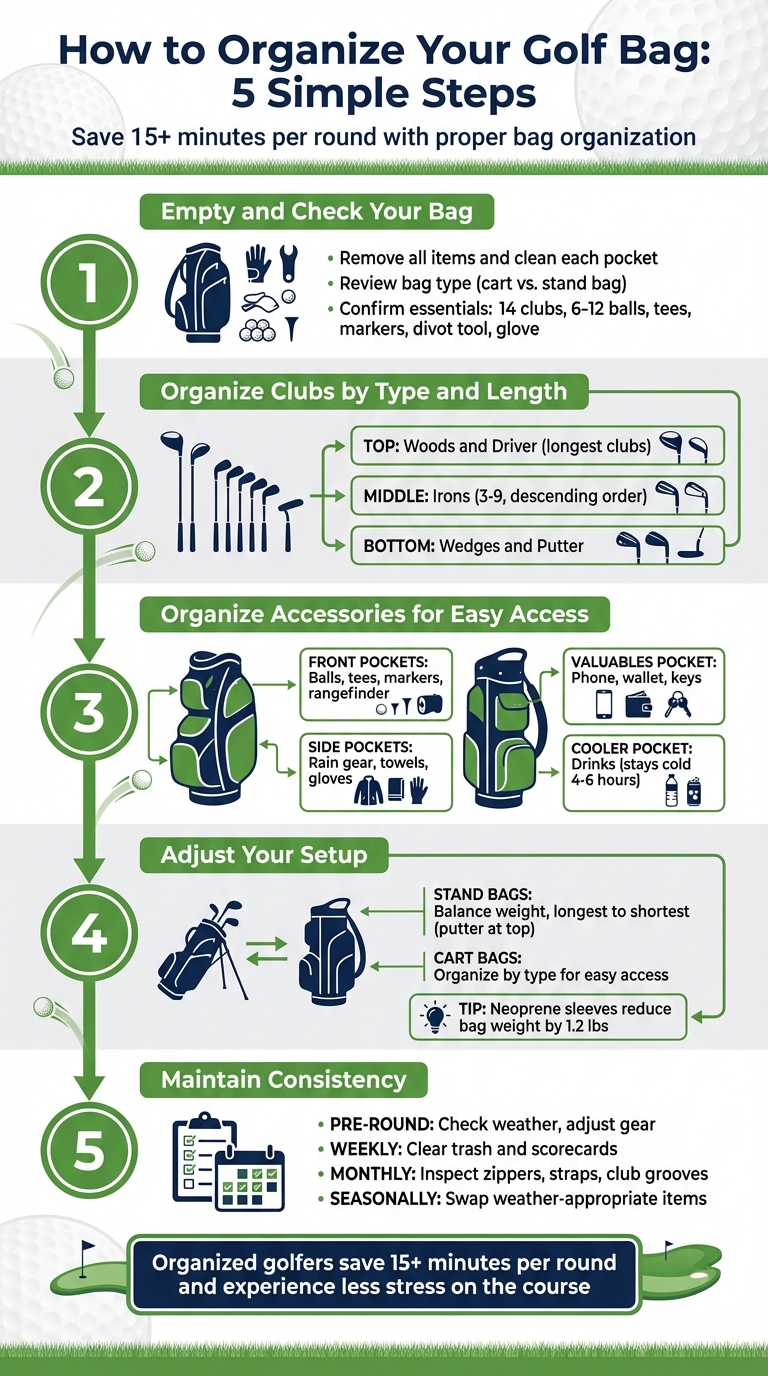
5-Step Golf Bag Organization Process for Pre-Round Setup
How to Arrange Your Golf Bag (for Maximum Performance!)
sbb-itb-4fa7e8b
Step 1: Empty and Check Your Golf Bag
Start by completely emptying your golf bag to take stock of what’s inside – clubs, balls, tees, gloves, and other accessories. Spread everything out on a flat surface so you can clearly see what you’re working with.
Take a damp towel and clean out each pocket to remove old scorecards, broken tees, and any debris that’s accumulated over time. Once cleaned, let your bag air-dry in a well-ventilated space. Having a fresh and organized bag makes the next steps much easier.
Review Your Bag Type
Take a moment to figure out what kind of bag you’re working with. Cart bags typically have more pockets and dividers, while stand bags are lighter and come with built-in stands. Knowing the layout of your bag – how many dividers it has and the size and placement of the pockets – will help you figure out the best way to organize everything.
Confirm You Have the Basics
Double-check that you’ve got all the essentials: a full set of clubs (up to 14), 6–12 golf balls, tees, ball markers, a divot repair tool, and a glove. Don’t forget other useful items like a rangefinder, a towel, and any personal items you might need.
Take the time to clean your club faces with a groove brush to avoid spin problems on the course. Inspect your clubs for any signs of wear or damage, and ensure the zippers and straps on your bag are in good condition. Lastly, pack weather-specific gear like sunscreen or a rain cover, depending on the forecast.
Step 2: Organize Clubs by Type and Length
After cleaning your bag and ensuring you have all the essentials, it’s time to arrange your clubs by type and length. This step helps balance your bag and allows for quick access during your game. A well-organized bag isn’t just about keeping things tidy – it can save you time on the course and reduce stress when selecting clubs. Follow these guidelines to arrange your woods, irons, wedges, and putter efficiently.
Top Section: Woods and Driver
Place your driver, fairway woods, and hybrids in the top compartment. These are the longest clubs, and positioning them here ensures balanced weight distribution. The top section is usually closest to the shoulder strap, so this setup prevents the long shafts from obstructing access to other clubs.
"Having [woods] on top helps distribute the bag’s weight more evenly across your shoulders" – The Club Washer
If you’re using a 4-way divider bag, arrange your two woods and hybrid in the top compartment. Many golfers use color-coded headcovers for these clubs, making it easier to grab the right one at a glance.
Middle Section: Irons
Your irons, ranging from the 3-iron to the 9-iron, should go in the middle compartments. Arrange them in descending order, from longest to shortest, creating a clear visual sequence. This setup makes it easier to pick the right club quickly, even during high-pressure moments.
For bags with a 4-way divider, you can split your irons between the two middle sections. For instance, place three irons in the middle-left compartment and three in the middle-right.
Bottom Section: Wedges and Putter
Store your wedges – pitching wedge, sand wedge, and lob wedge – in the bottom section of your bag. Group them by loft to simplify your short-game club selection. The putter should also go in the bottom section or in its dedicated putter well if your bag has one. This prevents tangling and keeps the putter’s finish intact.
Some golfers prefer keeping the putter in the top section alongside the head-covered clubs. Whether you choose this approach or stick with the bottom section, consistency is key. Always arrange your clubs the same way, so you instinctively know where to reach during play.
Step 3: Organize Accessories for Easy Access
Once your clubs are set, it’s time to organize your accessories. Assigning specific pockets for each item ensures you can find what you need instantly, saving time and effort during your round. Pairing a logical pocket system with your club arrangement creates a smooth flow from preparation to play.
Front and Side Pockets: Essentials Within Reach
The front pockets are perfect for items you’ll use frequently, like golf balls, tees, ball markers, and your rangefinder. These are things you’ll grab on almost every hole, so keep them easily accessible. To stay organized, separate new balls from used ones, and store smaller items like tees and markers in zippered pouches or built-in compartments for quick access.
Larger side pockets are great for bulkier items like rain gear, jackets, extra gloves, and towels. Rolling or folding your rain gear neatly can help you maximize space while keeping it easy to grab when needed. Smaller side pockets work well for utility items like sunscreen, first-aid supplies, divot tools, and snacks. And don’t forget a groove brush – it’s a handy tool and can make you one of the 8% of golfers who regularly clean their wedges.
Next, let’s talk about keeping your personal items safe and secure.
Valuables Pocket: Personal Belongings
Your phone, wallet, and keys belong in the waterproof, fleece-lined valuables pocket. Keeping all personal items in one spot makes them easy to find. If the pocket doesn’t have dividers, consider using a small zippered pouch to protect your phone screen from scratches caused by keys.
"Assign each pocket a category (like valuables, drinks, tools) and return items to the same spot every time – this reinforces muscle memory." – Rod Dunlap, Author, CaddyDaddy
Avoid overpacking this pocket, as too much weight could lead to muscle fatigue during your round. Make it a habit to empty this pocket after each game to avoid unnecessary strain.
Cooler Pocket: Refreshments
For snacks and drinks, use your bag’s cooler pocket. Most built-in coolers can hold between six and twelve 12-ounce cans, and high-quality insulated pockets can keep items cold for 4 to 6 hours, with premium options lasting up to 8 hours. Water bottles and electrolyte-rich drinks are excellent choices to keep you hydrated and focused throughout the game.
Pre-chill your drinks and include frozen gel packs to prevent leaks. Open the cooler only when needed and reseal it immediately to maintain the temperature. After your round, empty the cooler, wipe it down with a towel, and leave it open for a few hours to prevent mildew.
"Even a small drop in hydration can bring on fatigue, lead to bad decisions, and mess with your swing mechanics." – Bob Houston
Side Pockets: Weather Gear and Extras
Reserve side pockets for weather-specific gear and extra clothing. Rain jackets, hats, and spare gloves are great choices for these compartments. To maintain balance and prevent your bag from tipping over, place heavier items like umbrellas or large rangefinders toward the base of the bag. This setup makes it easier to carry or push your bag on a cart, especially on uneven terrain.
Step 4: Adjust Your Setup to Fit Your Needs
Choosing the right setup for your golf bag can make a world of difference in both comfort and efficiency. Whether you prefer walking the course with a stand bag or riding in a cart with a cart bag, tailoring your setup to your playing style is key. Let’s break down how to fine-tune your bag for each type.
Setting Up Stand Bags
If you carry your bag, balancing the weight is crucial. To achieve this, arrange your clubs strategically. Start by placing heavier clubs, like woods and hybrids, in the top or back compartments of the bag. Then, organize the clubs from longest to shortest, keeping the putter at the top with other head-covered clubs for easy access and protection.
For a standard 4-way top, here’s a simple guide:
- Top section: Woods and hybrids
- Middle section: Mid-irons
- Bottom section: Short irons and wedges
Using color-coded headcovers can also help you quickly grab the right club when you’re on the move.
"If you carry your clubs, they should be organized from longest to shortest, top to bottom. The exception is your putter, which should live at the top among the other head-covered clubs." – Howard, Author and Consultant, Keep Perfect Golf
Did you know? Organized golfers save over 15 minutes per round and experience less stress on the course. Additionally, using neoprene club sleeves can lighten your bag by about 1.2 lbs.
Now, let’s look at how cart bags require a slightly different approach.
Setting Up Cart Bags
Cart bags are all about accessibility. Since weight balance isn’t as critical here, focus on arranging clubs by type and length for easy retrieval. Place woods in the back compartment, irons in the middle (ordered from longest to shortest), and wedges along with the putter in the front. If your bag has 14 dividers, use the top slots for your putter and driver, the middle for irons (5–9), and the bottom for wedges.
Stability is another consideration. Make sure the bag is securely fastened to the cart to prevent tipping, and load heavier items like umbrellas near the base for better balance. Use the front pockets for items you’ll need frequently, such as tees and your rangefinder, while side pockets can hold less-used gear like rain jackets and snacks. Be mindful not to overload your bag, as it could affect cart stability.
Using Custom Bag Features
Once your basic setup is complete, take advantage of any custom features your bag may offer to elevate your game. For example, if you own a bag from Keep Perfect Golf, you can enjoy specialized perks like fleece-lined pockets to protect valuables like your phone and keys. Customizable dividers and waterproof pouches allow you to adapt compartments to your needs, while cooler pockets can keep your drinks chilled for up to 4–6 hours.
And here’s a bonus: a rotating ball dispenser can save you 23% of the time spent retrieving balls during a round. Little details like these can make your time on the course even more enjoyable and efficient.
Step 5: Keep Your Bag Organized Every Round
Setting up your golf bag is just the first step. The real challenge lies in keeping it organized round after round. Developing consistent habits will save you time and frustration, ensuring your bag is always ready when you hit the course. These routines not only streamline your pre-round prep but also help you stay focused during your game.
Put Items Back Where They Belong
Make it a habit to return clubs and accessories to their designated spots right after use. This simple step prevents clutter and keeps your clubs from tangling, which can lead to unnecessary wear and tear on the shafts over time.
After finishing a round, take a few minutes to clear out any debris – things like scorecards, broken tees, snack wrappers, or empty water bottles. Use this time to check your inventory of essentials, such as golf balls, tees, and clean gloves, and restock anything you’re running low on. It’s also a good idea to wipe down your club heads and the bag itself with a damp towel to avoid dirt buildup.
"Organization isn’t a one-time task – it’s a habit. The more consistently you maintain your bag, the easier your pre-round prep becomes." – Rod Dunlap, Author, CaddyDaddy
Store Your Bag Correctly
After organizing your bag, proper storage is key to keeping it in good condition. Avoid leaving your bag in a car trunk, especially during extreme temperatures, as heat and humidity can warp its structure and damage the materials. Instead, store it upright in a dry, shaded, and well-ventilated space, like a garage or closet.
If you’ve played in the rain or humid conditions, make sure to dry the bag thoroughly with a towel and let it air out completely before storing it. Keep apparel pockets reserved for clothing only. Additionally, inspect zippers, straps, and stitching on a monthly basis to catch any wear-and-tear issues before they become bigger problems.
Update Gear for the Season
Keeping your bag organized also means adapting it to seasonal changes. Your setup should match the weather, not the other way around. For instance, as temperatures rise, consider removing heavy layers or rain gear to lighten your load and avoid unnecessary fatigue. When cooler weather sets in, add items like a windbreaker or thermal layer to your apparel pocket.
Rotating your golf balls is another smart move. Long-term storage in fluctuating temperatures can affect their compression, so swapping them out regularly ensures optimal performance. If you’ve recently added adjustable clubs, don’t forget to include the adjustment wrench in your bag for quick tweaks during practice or play. By aligning your bag’s contents with the season, you’ll stay prepared without carrying extra weight.
| Update Frequency | Task | Benefit |
|---|---|---|
| Pre-Round | Check weather; add/remove layers | Manage weight & stay comfortable |
| Weekly | Clear out trash and old scorecards | Reduce clutter and lighten bag |
| Monthly | Inspect zippers, straps, and club grooves | Avoid equipment issues |
| Seasonally | Swap gear for weather-appropriate items | Stay ready for changing conditions |
Conclusion
A well-organized golf bag isn’t just about tidiness – it’s about improving focus, protecting your gear, and saving precious time on the course. Research shows that golfers who keep their bags organized can save over 15 minutes per round, time that can be better spent perfecting your swing or strategizing your next shot. Whether you’re emptying your bag or customizing compartments, every small effort contributes to a smoother pre-round routine.
"Mastering golf bag organization shaves strokes by eliminating distractions." – Howard, Keep Perfect Golf
The secret lies in developing consistent habits. Returning items to their designated spots after each round, doing a monthly inventory, and adjusting for seasonal needs all ensure your bag stays ready for action. This kind of preparation eliminates the frustration of searching for essentials when you should be focusing on your game.
For those looking to take it a step further, custom golf bags from Keep Perfect Golf offer solutions tailored to your playing style. Features like 14-way divider systems, specialized pockets for valuables and rangefinders, and neoprene club sleeves – reducing bag weight by about 1.2 lbs – can make a big difference. With over 20 years of manufacturing expertise, Keep Perfect Golf combines functionality with personalization, ensuring your bag is built to match your unique needs.
FAQs
What’s the fastest way to set up my bag before a round?
The fastest way to arrange your golf bag is by grouping your clubs and accessories for easy access. Start by placing your woods in the back section of the bag. Position your irons in the middle slots, and store your wedges and putter in the front pockets. For smaller essentials like tees, golf balls, and gloves, use the designated compartments. This simple, zone-based setup helps you save time and get your game started without hassle.
Should I arrange clubs differently for a stand bag vs a cart bag?
Yes, the way you arrange your clubs should match the type of bag you’re using. Stand bags are designed for mobility and quick access, so it’s best to organize your clubs in a way that makes them easy to grab while carrying. On the other hand, cart bags are built for use on carts, so the focus shifts to maximizing space and ensuring easy access while stationary. Organize your clubs by type or how often you use them, depending on the bag. Adjusting your setup to suit the bag and your playing style can make your round much smoother.
What should I keep in my bag year-round vs seasonally?
Golf gear isn’t just about clubs and balls; it’s about being ready for every round and every season. The year-round basics? Golf clubs, tees, balls, gloves, a divot repair tool, and a ball marker – these are must-haves no matter when you play.
But as the seasons change, so should your bag. In colder months, pack rain gear and hand warmers to keep yourself dry and comfortable. When the sun’s blazing, don’t forget sunscreen and cooling towels to stay protected and cool.
By adjusting your gear to match the weather, you’ll stay comfortable and ready to play, no matter the conditions.
Related Blog Posts
- Tour-Approved Golf Bag Organization Hacks You Need Now
- Maximizing Storage: Innovative Pockets in Modern Golf Bags
- The 2025 Ultimate Checklist: Building Your Dream Golf Bag Kit
- Golf Accessory Compatibility Checker: Ensuring Perfect Fit for Your Gear
Related Resources
Related Products
Explore our manufacturing capabilities in this category:
 Premium Stand Bag
 Ultra-Light Stand Bag
 Hybrid Stand Bag
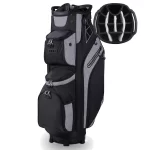 Rain-Resistant Stand Bag
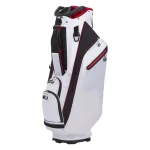 Premium Tour Cart Bag
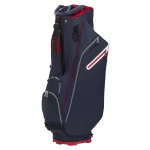 Lightweight Cart Bag
 Waterproof Cart Bag
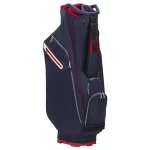 Staff Cart Bag
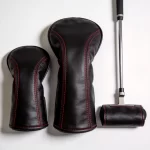 Custom Golf Headcovers Set
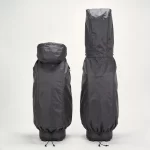 Golf Bag Rain Cover
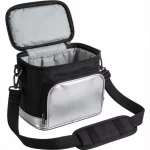 Golf Cooler Bag
Need custom golf bags? Contact us for OEM/ODM quotes — MOQ 100pcs, FOB Xiamen.