When two brands dominate different segments of the premium golf bag market, OEM buyers and brand owners have everything to gain from understanding what separates their manufacturing approaches. Titleist — backed by AcushNet’s $2.6 billion global operation — has built its bag division on tour-validated materials and ISO-certified production systems. Sun Mountain, a Missoula, Montana-based specialist with over four decades of golf equipment heritage, has developed its own rigorous TQR (Trust-Quality-Reliability) Standard that prioritizes structural integrity and long-cycle durability.
This is not a consumer product review. This is a manufacturing quality comparison written for B2B buyers, OEM procurement managers, and brand owners evaluating construction approaches. Whether you’re benchmarking for your own private-label golf bag line or selecting a manufacturing partner, understanding how these two industry leaders approach material selection, assembly standards, and quality control will help you set the right specifications for your next production run.
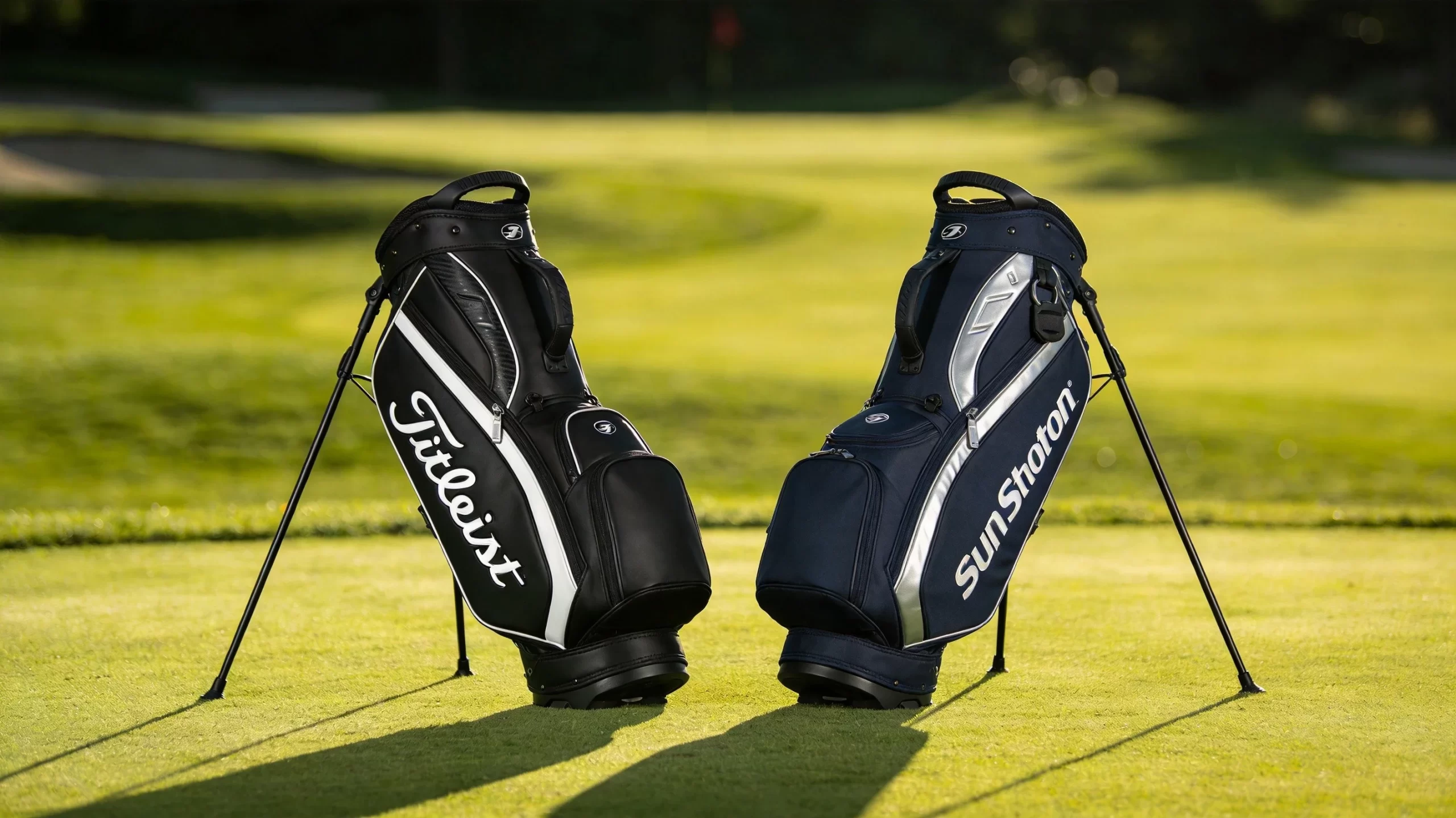
Two manufacturing philosophies: Titleist’s tour-grade approach vs Sun Mountain’s engineering-first standard
Brand Background: Manufacturing Heritage
Titleist Golf Bags (AcushNet Company)
Titleist golf bags are designed and engineered under AcushNet Holdings Corp., the same parent company behind the world’s most played golf ball. AcushNet’s manufacturing network spans owned facilities across the United States, Thailand, and partner factories in Vietnam — where golf bag production is primarily concentrated. The company operates under a vertically integrated supply chain model, owning or controlling the design, sourcing, manufacturing, packaging, and distribution of its gear products (AcushNet Corporate Responsibility Report, 2025).
The brand’s bag division benefits from AcushNet’s broader quality infrastructure: ISO 9001-certified quality systems, ISO 14001 environmental management standards, and a comprehensive Supplier Citizenship Compliance Program that includes factory inspections, corrective action protocols, and chemical substance monitoring. These enterprise-level systems create a manufacturing baseline that few independent bag brands can match.
Sun Mountain Sports
Founded in 1981 in Missoula, Montana, Sun Mountain has spent over 45 years exclusively focused on golf equipment — an unusual level of category specialization in an industry where many competitors diversify across multiple sports. The company’s manufacturing philosophy is codified in its TQR Standard (Trust, Quality, Reliability), a framework that governs every material selection, seam specification, and mechanism design (Sun Mountain Official, 2026).
Unlike brands that outsource design to marketing teams, Sun Mountain maintains in-house engineering in Montana, where every product undergoes real-world field testing across varied terrain and weather conditions. Their C-Series cart bags and ClubGlider travel system have become industry benchmarks — the ClubGlider3, launched in 2026, uses 900D polyester ripstop with TPU film laminate, representing one of the highest denier specifications in the golf travel category.
Manufacturing Quality Comparison: 6 Critical Dimensions
1. Material Selection Standards
Material grade selection is the foundation of bag durability — denier count and weave density tell the real story
The first differentiator between any two premium bag brands is what goes into the fabric. Material selection directly determines UV resistance, abrasion tolerance, tear strength, and long-term color retention.
| Material Parameter | Titleist Approach | Sun Mountain Approach |
|---|---|---|
| Primary Shell Fabric | Premium nylon with enhanced UV-resistant coating (2026 generation upgraded materials) | High-density 600D nylon/polyester blend (C-Series); 900D polyester ripstop (ClubGlider3) |
| Fabric Weight Class | Mid-to-high denier nylon, optimized for weight-to-durability ratio | 600D–900D range, prioritizing abrasion resistance |
| Waterproof Technology | StaDry™ system: seam-sealed construction + waterproof fabrics + sealed zippers | Water-resistant DWR finish + TPU film laminate (travel); H2NO sealed-seam system (waterproof line) |
| UV Resistance | Upgraded UV-resistant materials in 2026 Players S series (generation-over-generation improvement) | Ripstop weave pattern prevents tear propagation under UV degradation |
| Lining Material | Polyester linings with velour-touch valuables compartments | Velour-lined rangefinder and valuables pockets; anti-scratch interior surfaces |
Key Takeaway for OEM Buyers: Titleist’s material strategy focuses on premium nylon with advanced coatings, reflecting AcushNet’s broader material science capabilities. Sun Mountain takes a specification-heavy approach, using quantifiable denier ratings (600D–900D) that give procurement teams clear, testable benchmarks. For private-label production (see our complete golf bag materials guide), specifying exact denier counts and coating types — as Sun Mountain does — creates more consistent batch-to-batch results.
2. Stitching and Sewing Standards
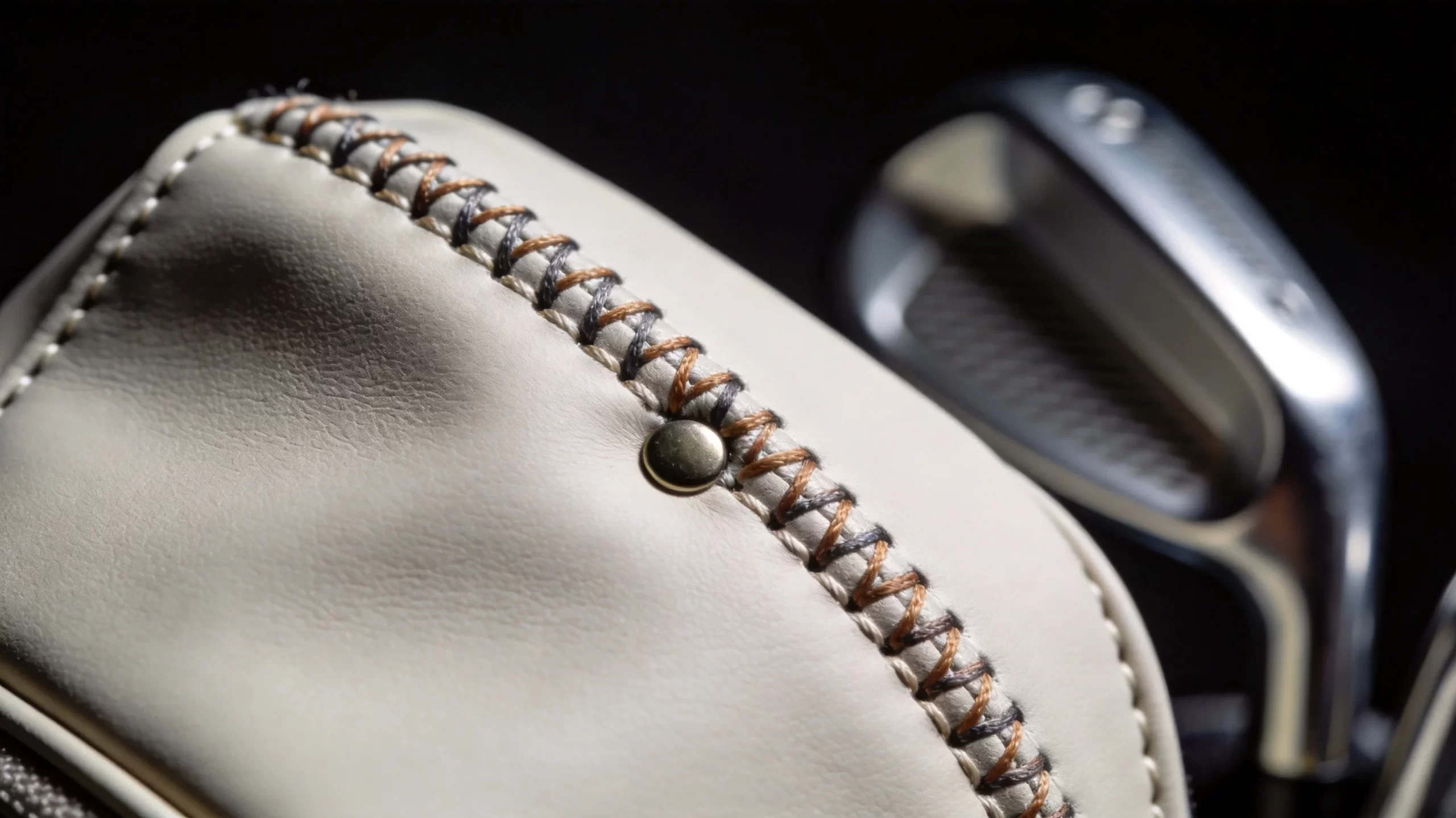
Stitch density and seam reinforcement patterns are the most reliable indicators of manufacturing quality
Stitching is where manufacturing philosophy becomes visible. Both brands employ industrial-grade sewing techniques, but their approaches to stress-point reinforcement differ meaningfully.
Titleist follows AcushNet’s enterprise-wide sewing standards, which are aligned with the same quality management systems used across their golf ball and club manufacturing. Critical load-bearing seams — particularly where straps attach to the bag body, where the stand mechanism connects, and at the base-to-body junction — use reinforced bartack stitching patterns. The company’s supplier compliance program mandates that all contracted sewing facilities follow documented stitch-per-inch (SPI) specifications and undergo regular factory inspections.
Sun Mountain emphasizes what they call “purposeful construction” — every seam is engineered around anticipated stress vectors. The compression-molded base-to-body junction on their C-Series bags uses a combination of adhesive bonding and mechanical stitching, creating a dual-retention system that outperforms stitching alone. On high-wear areas like pocket zippers and strap attachment points, Sun Mountain uses triple-needle construction for redundancy.
Industry benchmarks for premium golf bag stitching typically require 7–9 stitches per inch (SPI) on structural seams and a minimum of 6 SPI on non-load-bearing seams. Bartack reinforcement at stress points should measure at minimum 20mm in length. Both brands exceed these baselines, but Sun Mountain’s approach of quantifying stress vectors before designing seam placement offers a more systematic methodology that OEM buyers should consider adopting in their own specifications.
3. Frame Structure and Divider System Design
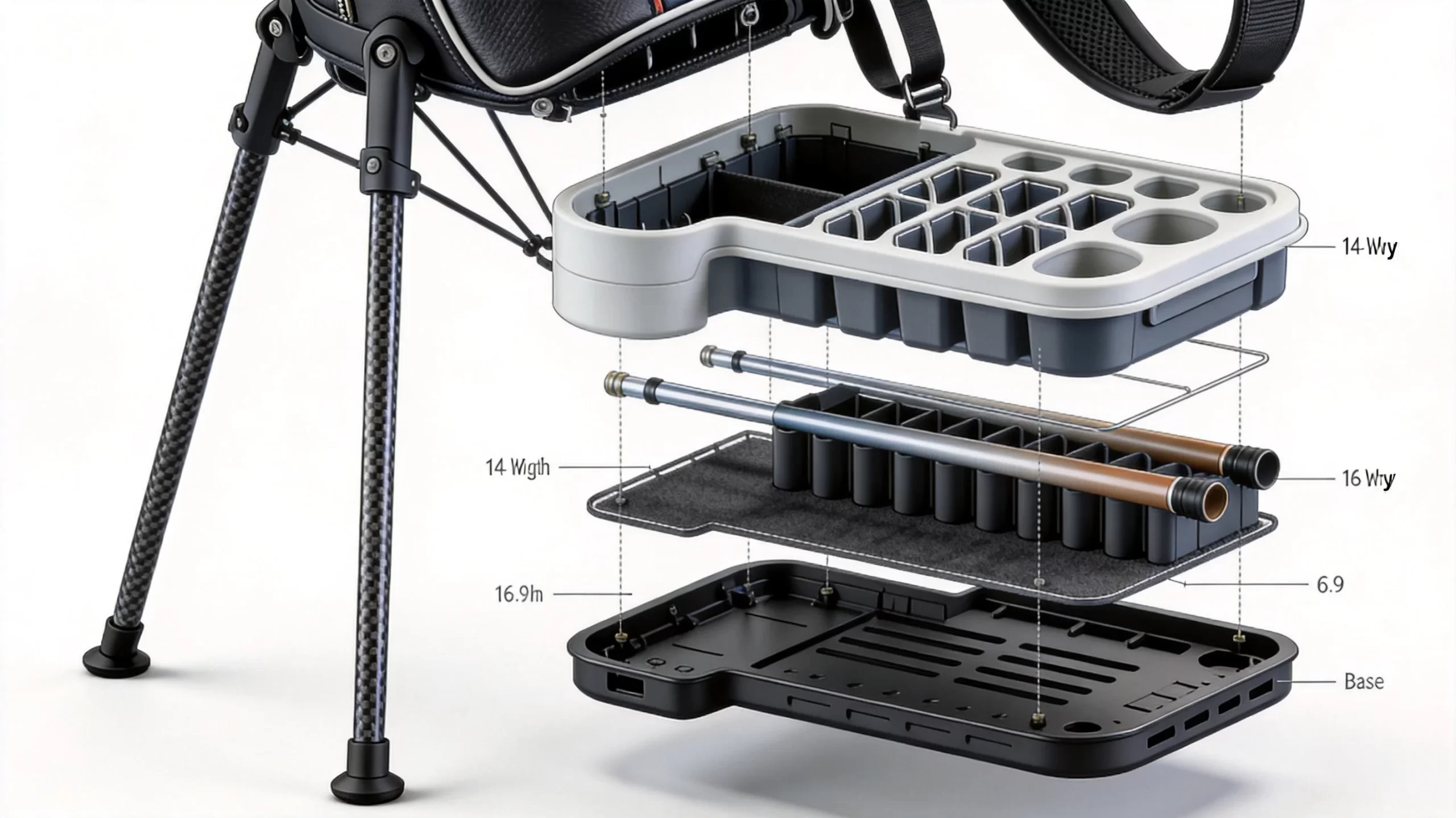
Frame engineering determines club protection, weight distribution, and long-term structural integrity
The internal skeleton of a golf bag — its frame, stand mechanism, and divider system — is the most complex engineering challenge in bag manufacturing. This is where design investment directly translates to user experience and product longevity.
| Structural Feature | Titleist Players S Series (2026) | Sun Mountain C-Series / Stand Bags |
|---|---|---|
| Top Cuff Configuration | 4-way (S4) or 5-way (S5) with integrated handle | 14-way full-length individual dividers (C130); 4-way to 5-way (stand bags) |
| Divider Construction | Full-length fabric dividers, molded top cuff | True full-length individual divider tubes running cuff-to-base |
| Stand Mechanism | Redesigned 2026 leg system with improved deployment security and stability | Patented retractable kickstand (ClubGlider); precision-machined aluminum legs (stand bags) |
| Base Construction | Molded polymer base with cart strap tunnel | Compression-molded cart base with anti-twist locking geometry |
| Weight Optimization | Carbon fiber leg options (Players Carbon series); 4.8–5.0 lbs range | Engineered weight-to-storage ratios; 6.6 lbs (C130 cart bag with 11 pockets) |
Key Takeaway for OEM Buyers: Titleist’s 2026 stand system redesign demonstrates how iterative engineering can solve persistent deployment issues — a lesson in investing in mechanism R&D rather than competing solely on material cost. Sun Mountain’s true full-length divider tubes (running from cuff to base) represent a best-practice approach to club separation that eliminates shaft tangling and protects expensive graphite shafts. For OEM buyers specifying club organization systems, requiring full-length individual dividers (not just top-cuff separation) should be a non-negotiable quality benchmark.
4. Zipper and Hardware Component Grades
Zippers and hardware components are the most failure-prone elements in any golf bag. Premium brands differentiate through component specification, not just assembly quality.
Titleist specifies high-quality YKK zippers across their entire bag lineup — a standard that appears in every 2026 Players S model specification sheet. YKK zippers meet international fastening standards including ASTM D5034 (tensile strength), BS 3084 (UK standard), and QB/T 2171–2173 (Chinese industry standard). Their waterproof models use YKK sealed zippers as part of the StaDry™ system.
Sun Mountain similarly specifies industrial-grade two-way zippers on their premium models. The ClubGlider3 (2026) features “industrial-grade two-way zippers and heavy-duty clips” as standard. On the C-Series cart bags, high-tensile water-resistant zippers are tested for smooth tracking under load — a critical specification given that over-stuffed pockets create lateral stress on zipper elements.
For B2B procurement, the zipper specification should include at minimum:
- Tensile strength: ≥500N for #5 zippers, ≥700N for #8 metal zippers (per YKK Fastening Standards, 2025)
- Fatigue cycle rating: ≥5,000 cycles for bag/luggage applications (per GB/T 18746 testing standard)
- Salt spray resistance: ≥96 hours for outdoor/golf applications (per ASTM B117)
- Slider pull-off strength: ≥90N vertical for auto-lock sliders
Both brands meet or exceed these specifications. The lesson for OEM buyers is to require zipper test reports with every production batch, not generic compliance certificates. For a deeper dive into why YKK dominates the golf bag hardware market, read our analysis of YKK zippers in golf bags.
5. Waterproof and Weather-Resistant Treatment Processes
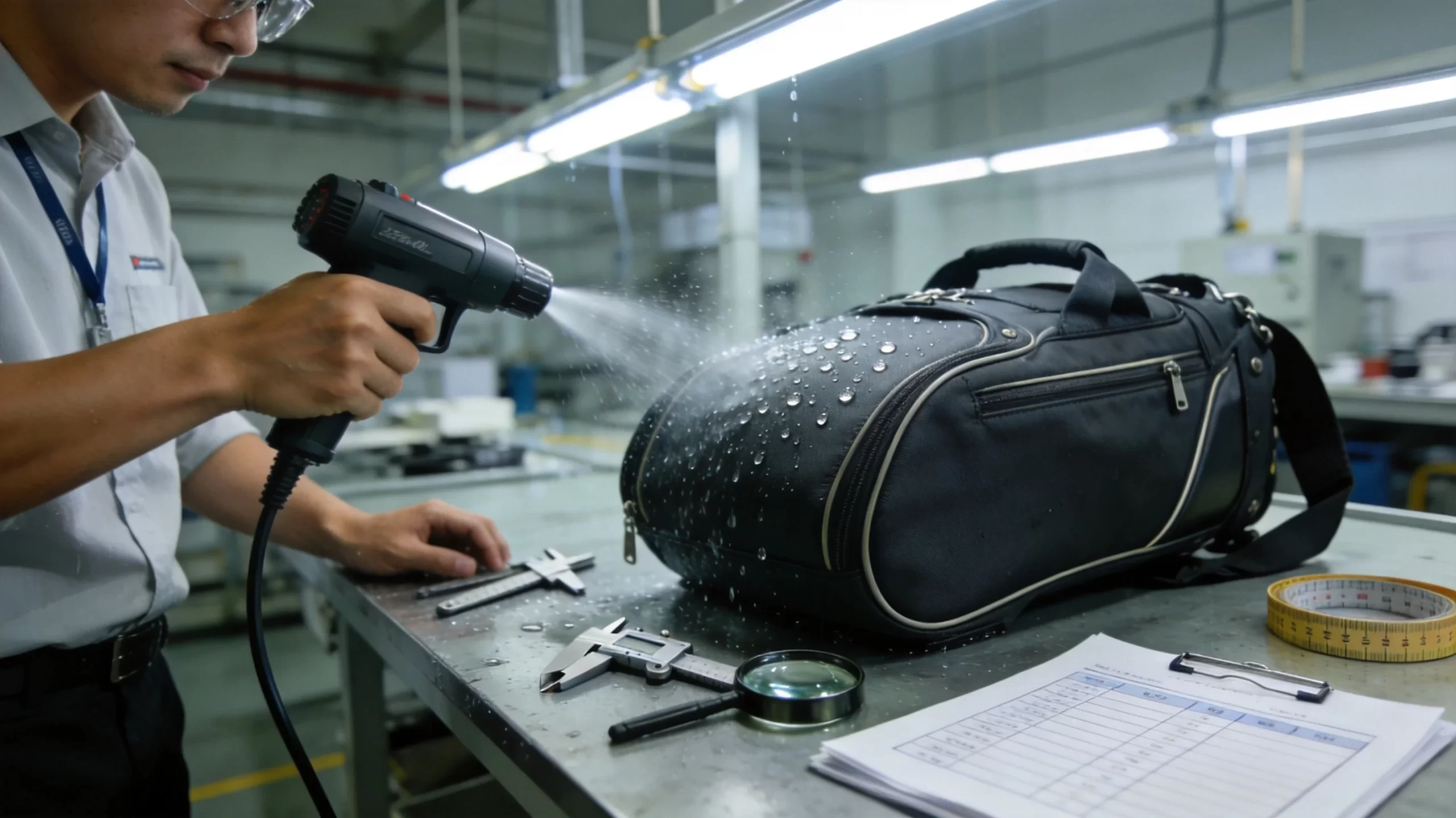
Waterproof testing validates the entire construction chain — fabric coating, seam sealing, and zipper integration
Weather resistance is a system-level property, not a fabric property. A bag can use waterproof fabric and still leak through unsealed seams. Both brands understand this, but they implement weather protection differently.
Titleist’s StaDry™ System is a multi-layer approach: waterproof fabric substrate + seam-sealed construction + sealed zippers + waterproof valuables pocket. The Players S4 StaDry model (2026) integrates all four elements into a coherent waterproof architecture. This approach requires tight process control during assembly — seam sealing must be applied after stitching but before final assembly, creating a specific production sequence that cannot be rushed.
Sun Mountain’s Weather Strategy operates on a tiered system: standard bags use water-resistant DWR (Durable Water Repellent) finish on the fabric surface; their H2NO line adds sealed seams for full waterproofing; and the ClubGlider3 travel system uses a dual-defense approach combining “TPU film laminate and DWR finish” as a systematic barrier (Sun Mountain Press Release, June 2026).
Key Takeaway for OEM Buyers: If you’re manufacturing waterproof golf bags, Titleist’s StaDry approach demonstrates the importance of treating waterproofing as a system (fabric + seams + zippers + pocket construction) rather than a single material upgrade. Sun Mountain’s tiered approach — offering water-resistant and waterproof options at different price points — is a smart product architecture strategy for brands entering the market.
6. Quality Control Processes and Testing Standards
QC processes are what separate consistent manufacturing from occasional quality. Here, the two brands’ corporate structures create distinctly different advantages.
Titleist/AcushNet operates under enterprise-level quality infrastructure inherited from a $2.6 billion publicly traded corporation. Their quality systems include:
- ISO 9001 quality management certification across manufacturing facilities
- ISO 14001 environmental management certification
- ISO 45001 occupational health and safety certification (Thailand facility)
- Comprehensive Supplier Citizenship Compliance Program with factory inspections
- Environmental Compliance Risk Mitigation program in operation for 30+ years
- Chemical substance monitoring through regulatory tracking databases (REACH, CPSIA, TSCA)
According to AcushNet’s 2025 Annual Report, “Our Operations teams ensure superior product quality” — and this is backed by OSHA VPP Star certification at their U.S. facilities, a distinction held by fewer than 0.5% of American manufacturers.
Sun Mountain takes a more product-focused QC approach through their TQR Standard. While they may not publish the same level of ISO certification documentation, their testing methodology is rigorous and product-specific:
- Real-world field testing across varied terrain and weather conditions
- Long-cycle durability testing (projected lifespan of 5–7 years for C-Series under regular use)
- Compression-molded base testing for cart compatibility across multiple cart brands
- Anti-twist stability testing on uneven terrain
- Zipper cycle testing under load conditions
Key Takeaway for OEM Buyers: Titleist’s ISO-certified systems approach is the gold standard for brands planning high-volume, multi-factory production. If your manufacturing plan involves multiple contract factories across different countries, you need enterprise-level quality systems like AcushNet’s. Sun Mountain’s product-focused testing approach — validating through extended real-world use — is equally valuable for brands that produce in fewer facilities and can invest in product-specific quality testing protocols.
What OEM Buyers Can Learn from These Two Brands
After analyzing both manufacturing philosophies, here are the actionable specifications and standards that B2B buyers should incorporate into their own golf bag procurement or private-label development:
- Specify exact denier ratings and coating types — Sun Mountain’s 600D–900D specification range gives buyers clear, testable benchmarks. Never accept vague “premium nylon” without quantified specifications.
- Require full-length individual divider tubes — Not just top-cuff dividers. True cuff-to-base divider construction prevents club tangling and protects expensive shafts. This should be a non-negotiable spec for any premium bag.
- Mandate YKK zippers with batch-specific test reports — Both brands use YKK, but the real quality assurance comes from requiring tensile strength test reports (≥500N for #5), fatigue cycle certifications (≥5,000 cycles), and salt spray test results (≥96 hours) with each production shipment.
- Treat waterproofing as a system, not a material — Waterproof fabric + sealed seams + sealed zippers + waterproof pocket construction = a true waterproof system. Titleist’s StaDry approach demonstrates this principle perfectly.
- Implement stress-vector seam design — Sun Mountain’s approach of engineering seam placement around anticipated stress vectors — rather than using uniform stitching everywhere — produces bags that last significantly longer in real-world use.
- Invest in mechanism R&D — Titleist’s complete 2026 stand system redesign shows that even small mechanism improvements (leg deployment, stability, security) create significant product differentiation. Don’t just copy existing mechanisms — iterate on them.
If you’re developing a custom golf bag line (or exploring the lightweight vs. durable design tradeoff) or sourcing from a golf bag manufacturer, these six standards should form the foundation of your quality specification document. The brands that win in B2B golf bag markets are the ones that treat manufacturing quality as a system — not a checklist.
Frequently Asked Questions
Where are Titleist golf bags manufactured?
Titleist golf bags are primarily manufactured in Vietnam under AcushNet’s supply chain management. AcushNet maintains design and engineering oversight from their U.S. headquarters while leveraging Vietnamese manufacturing facilities for production. The company also operates facilities in Thailand and the United States for other product lines, with all facilities operating under ISO 9001 quality management standards.
What is Sun Mountain’s TQR Standard?
Sun Mountain’s TQR Standard stands for Trust, Quality, and Reliability. It is a product certification framework that evaluates every material, seam, and mechanism against real-world performance benchmarks. Trust refers to confidence in consistent performance across conditions; Quality refers to premium materials and craftsmanship; Reliability refers to long-term durability across hundreds of rounds and multiple seasons of use.
Which brand offers better waterproof golf bags?
Both brands offer effective waterproof solutions but with different approaches. Titleist’s StaDry system uses seam-sealed construction with waterproof fabrics and sealed zippers as an integrated system. Sun Mountain offers tiered weather protection, from water-resistant DWR finishes on standard bags to full H2NO sealed-seam waterproof systems. For OEM buyers, the key lesson is that waterproofing must be treated as a complete system — fabric alone is not sufficient.
What denier rating should B2B buyers specify for premium golf bags?
For premium golf bags, B2B buyers should specify a minimum of 600D nylon or polyester for the primary shell fabric. High-end travel bags and maximum-durability models use 900D specifications (as seen in the Sun Mountain ClubGlider3). The denier rating should be accompanied by specific coating requirements (DWR finish, TPU laminate, or PU coating) and UV resistance testing standards.
What zipper specifications should be required for OEM golf bag orders?
OEM buyers should require YKK or equivalent branded zippers with the following minimum specifications: tensile strength of ≥500N for #5 zippers and ≥700N for #8 zippers; fatigue cycle rating of ≥5,000 open/close cycles; salt spray corrosion resistance of ≥96 hours; slider pull-off strength of ≥90N for auto-lock models. Request batch-specific test reports rather than generic compliance certificates.
Ready to Build Golf Bags That Match Premium Brand Standards?
With 22 years of manufacturing expertise since 2004, we’ve helped 200+ brands across 100+ countries produce golf bags that meet the quality benchmarks set by industry leaders like Titleist and Sun Mountain. From material specification to final QC, we apply the same systematic quality approach that defines the world’s best golf bag brands.
- ✅ MOQ from 100 pieces — FOB Xiamen
- ✅ Full ISO-compliant quality management system
- ✅ YKK zippers, premium fabrics, and tested hardware as standard
- ✅ Waterproof system construction available (seam-sealed + sealed zippers)
Contact us for a manufacturing consultation:
📧 [email protected]
📱 WhatsApp: +86 17750020688
🤝 Start a Partnership →
Related Products
Explore our manufacturing capabilities in this category:
 Premium Stand Bag
 Ultra-Light Stand Bag
 Hybrid Stand Bag
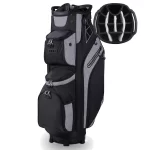 Rain-Resistant Stand Bag
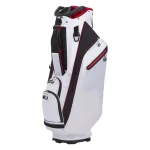 Premium Tour Cart Bag
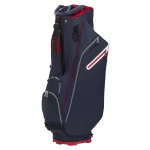 Lightweight Cart Bag
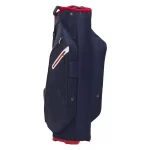 Waterproof Cart Bag
 Staff Cart Bag
Need custom golf bags? Contact us for OEM/ODM quotes — MOQ 100pcs, FOB Xiamen.