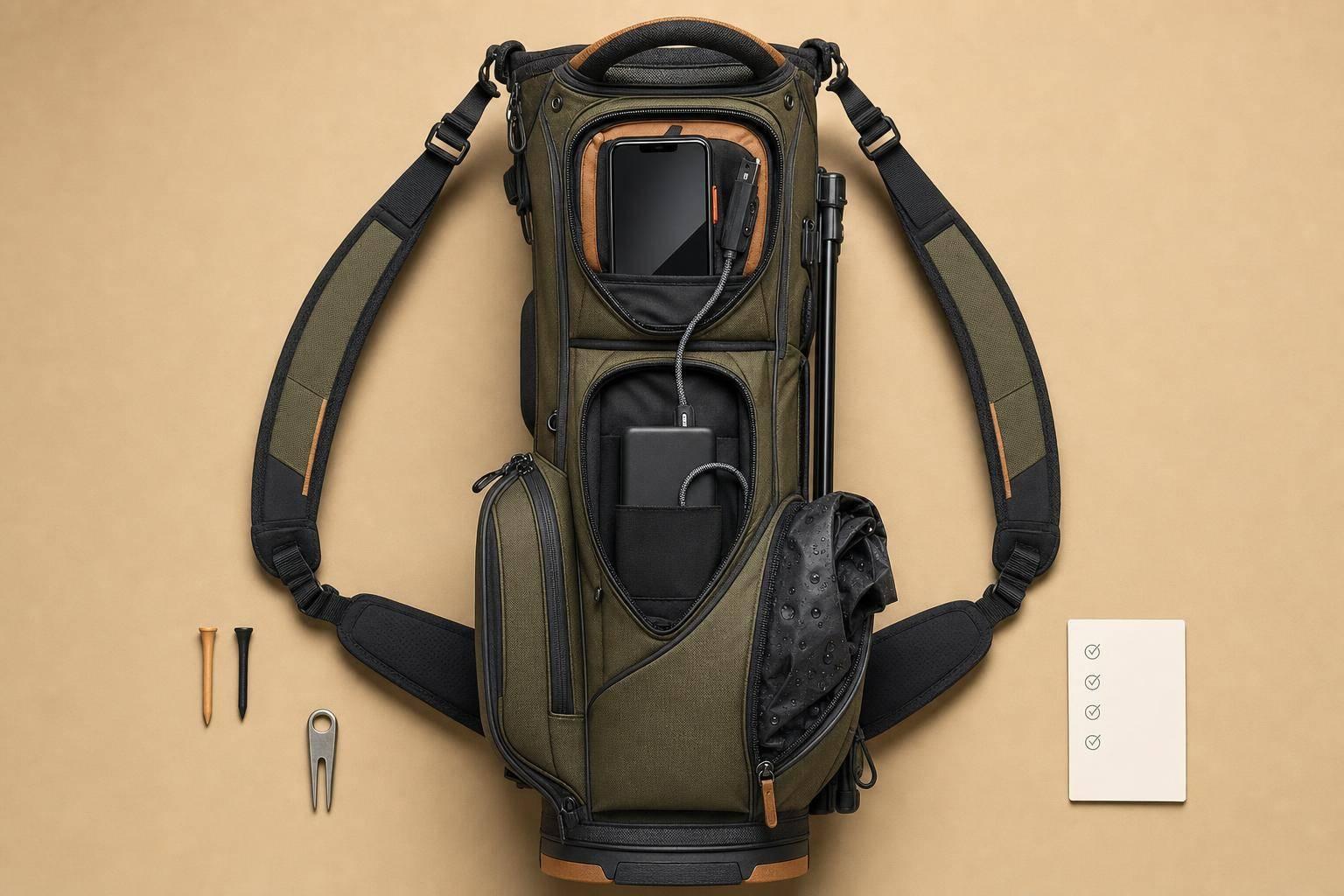
Checklist for Choosing Tech-Ready Golf Bags
Start with fit, then check device access, power bank space, and rain protection to choose a truly tech-ready golf bag.

Start with fit, then check device access, power bank space, and rain protection to choose a truly tech-ready golf bag.
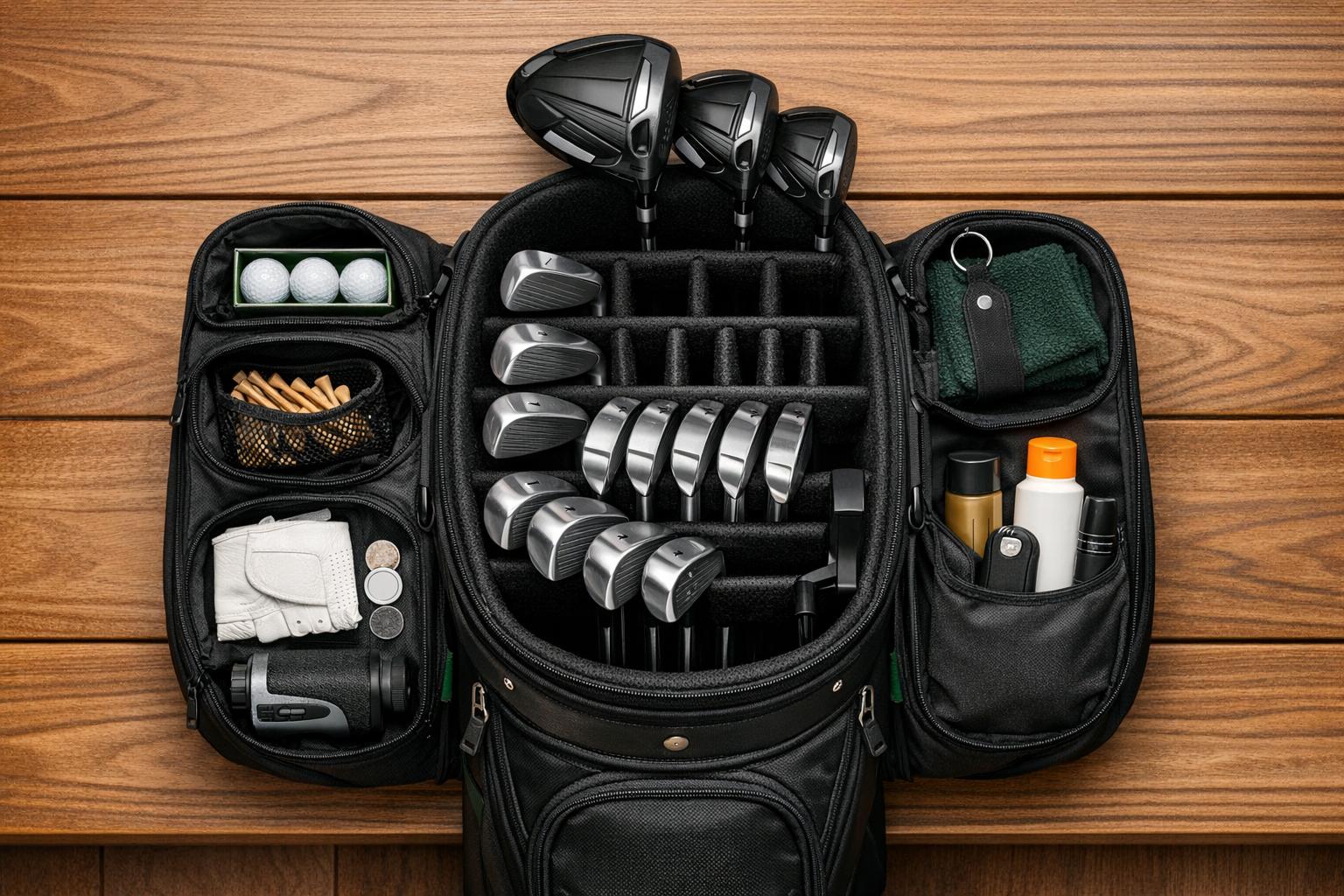
Organize your golf bag by assessing dividers, arranging clubs longest-to-shortest, balancing weight, and assigning pockets for essentials.
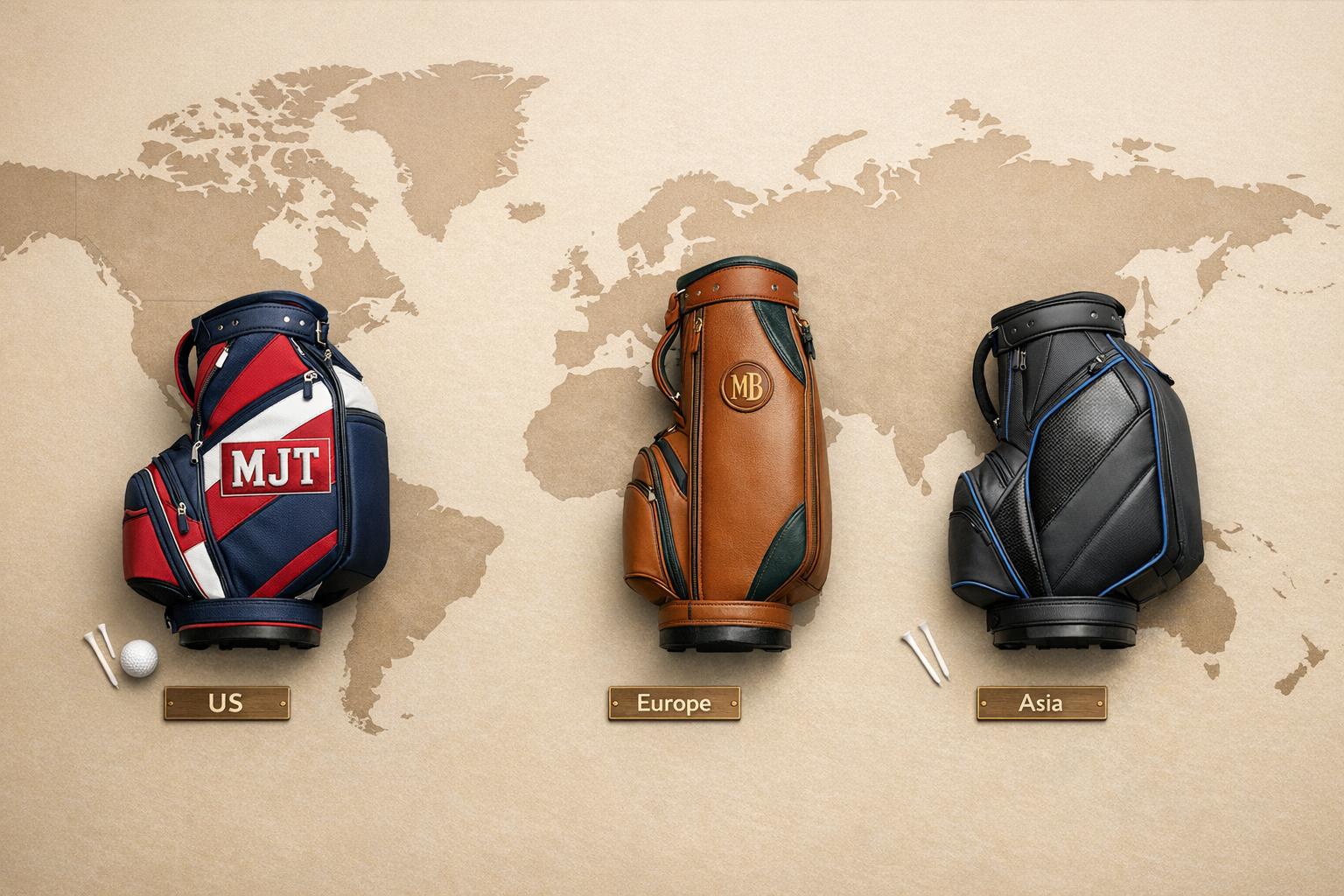
How custom golf bags differ across the US, Europe, and Asia — color, materials, branding, and regional customization priorities.
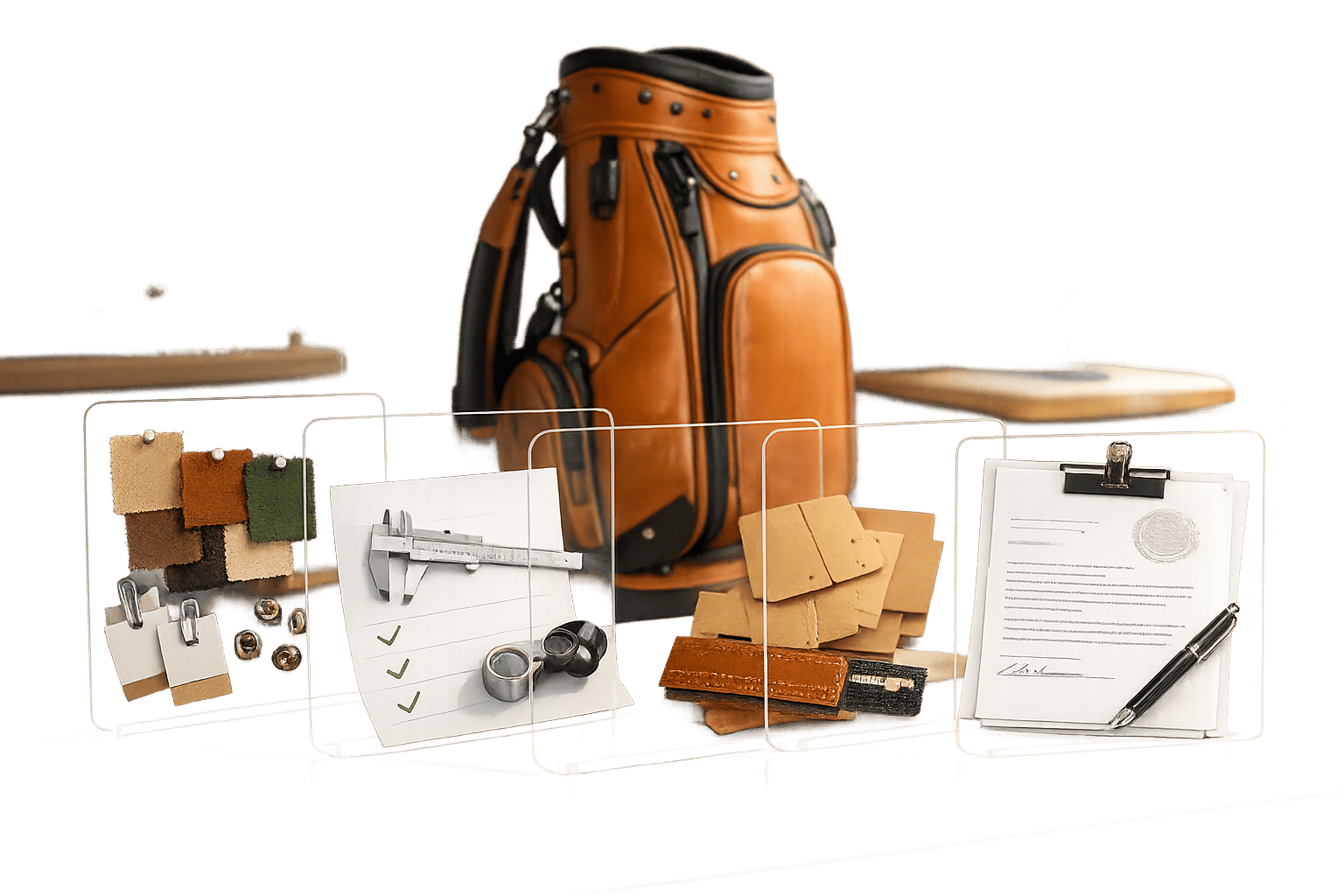
Step-by-step guide to sourcing, vetting, prototyping, and contracting golf bag manufacturers for Kickstarter success.
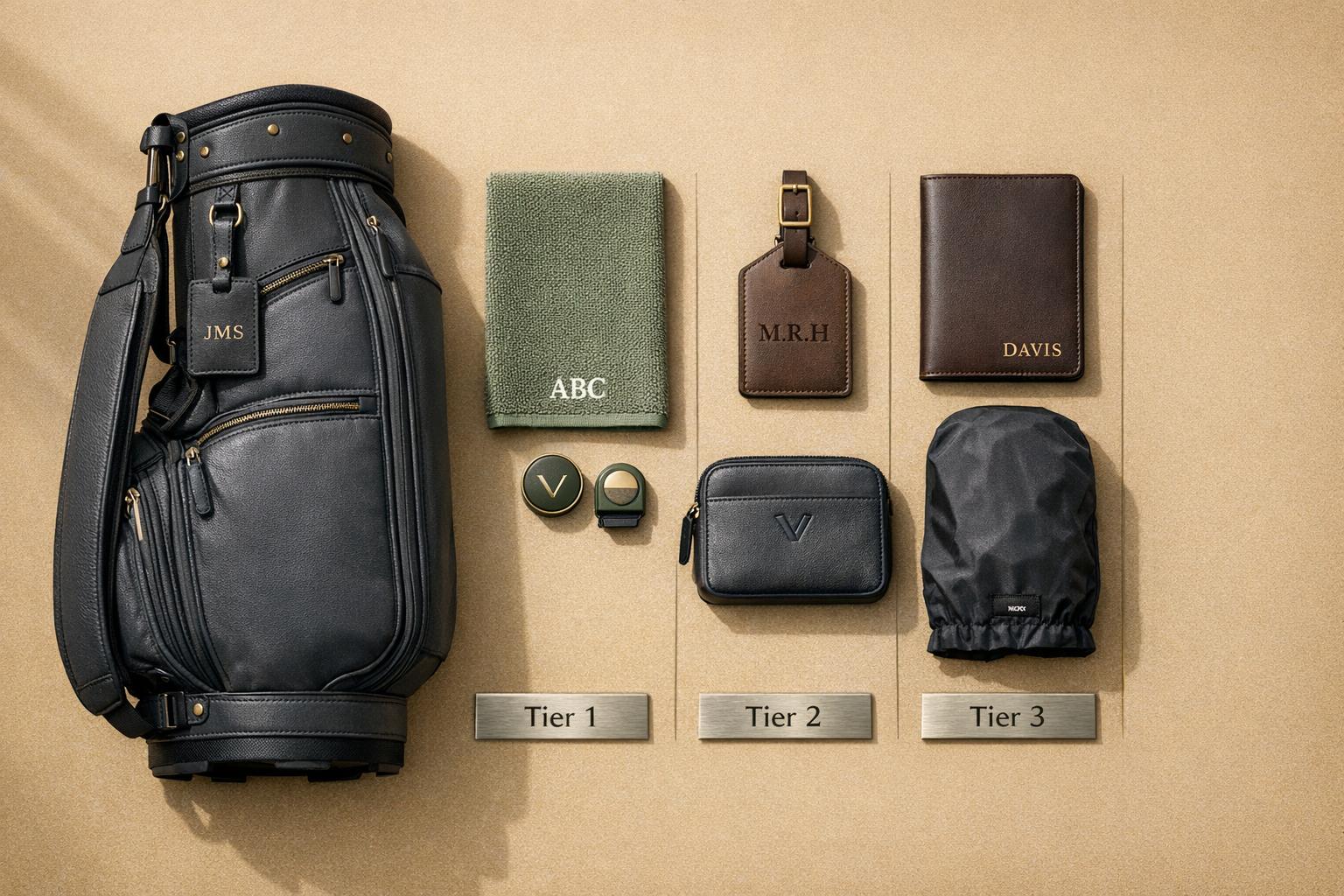
Personalized golf bag accessories boost crowdfunding by offering useful, branded rewards, clear tier pricing, and streamlined production.
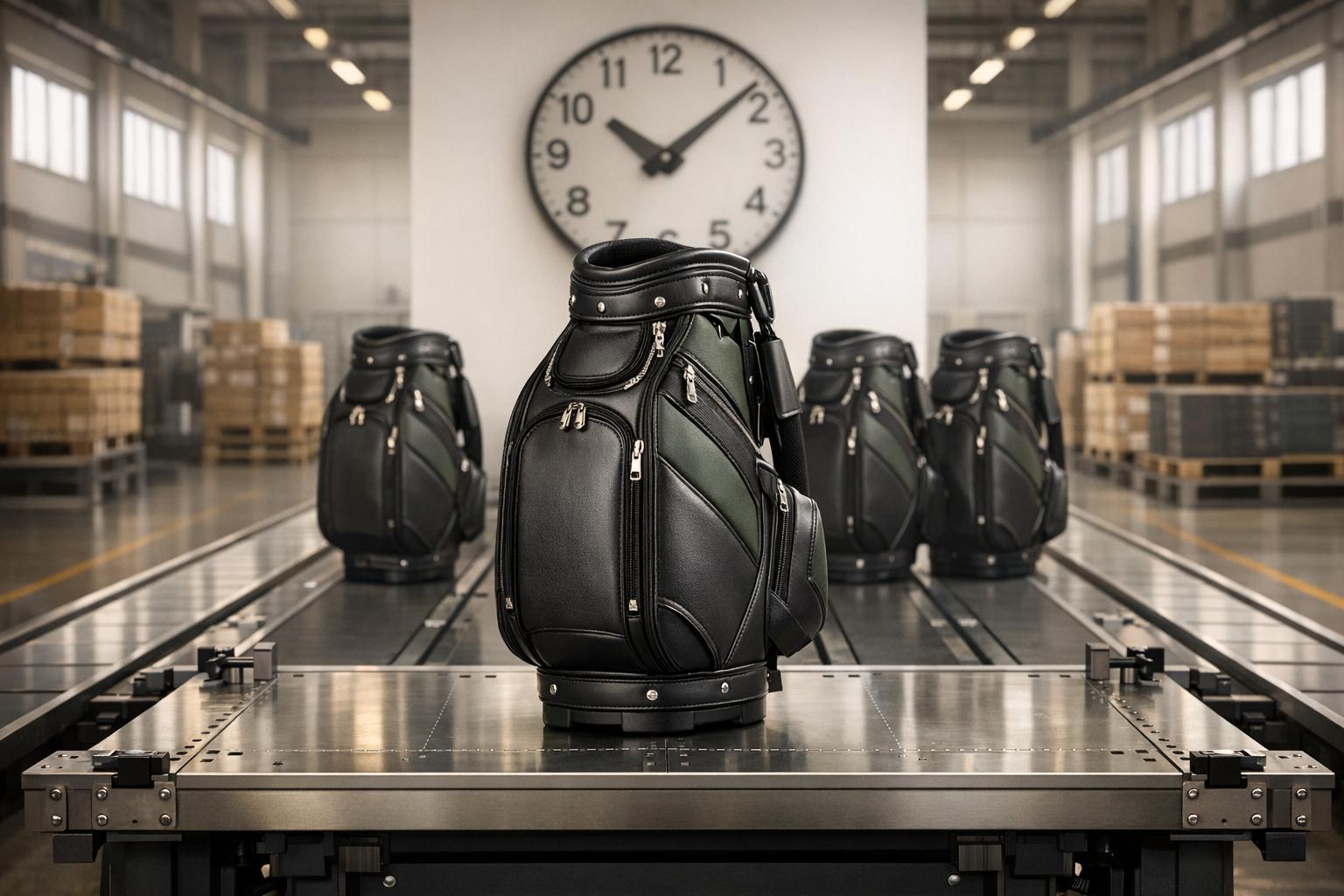
Professional factories lower costs, improve durability, and ensure on-time delivery for Kickstarter golf bag projects.
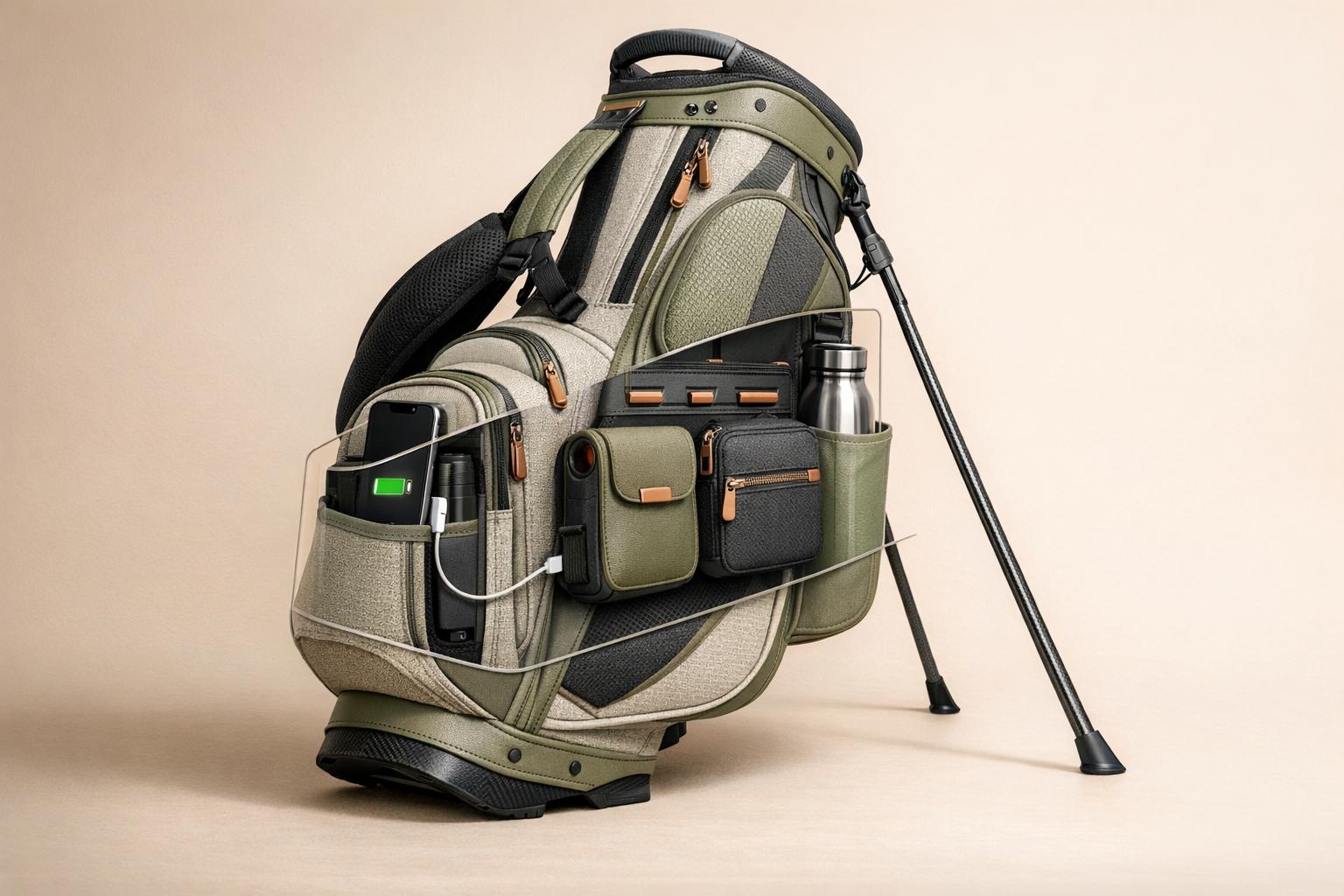
Smart tech, sustainable materials, customization, and premium accessories are driving stronger crowdfunding results for 2026 golf bag designs.
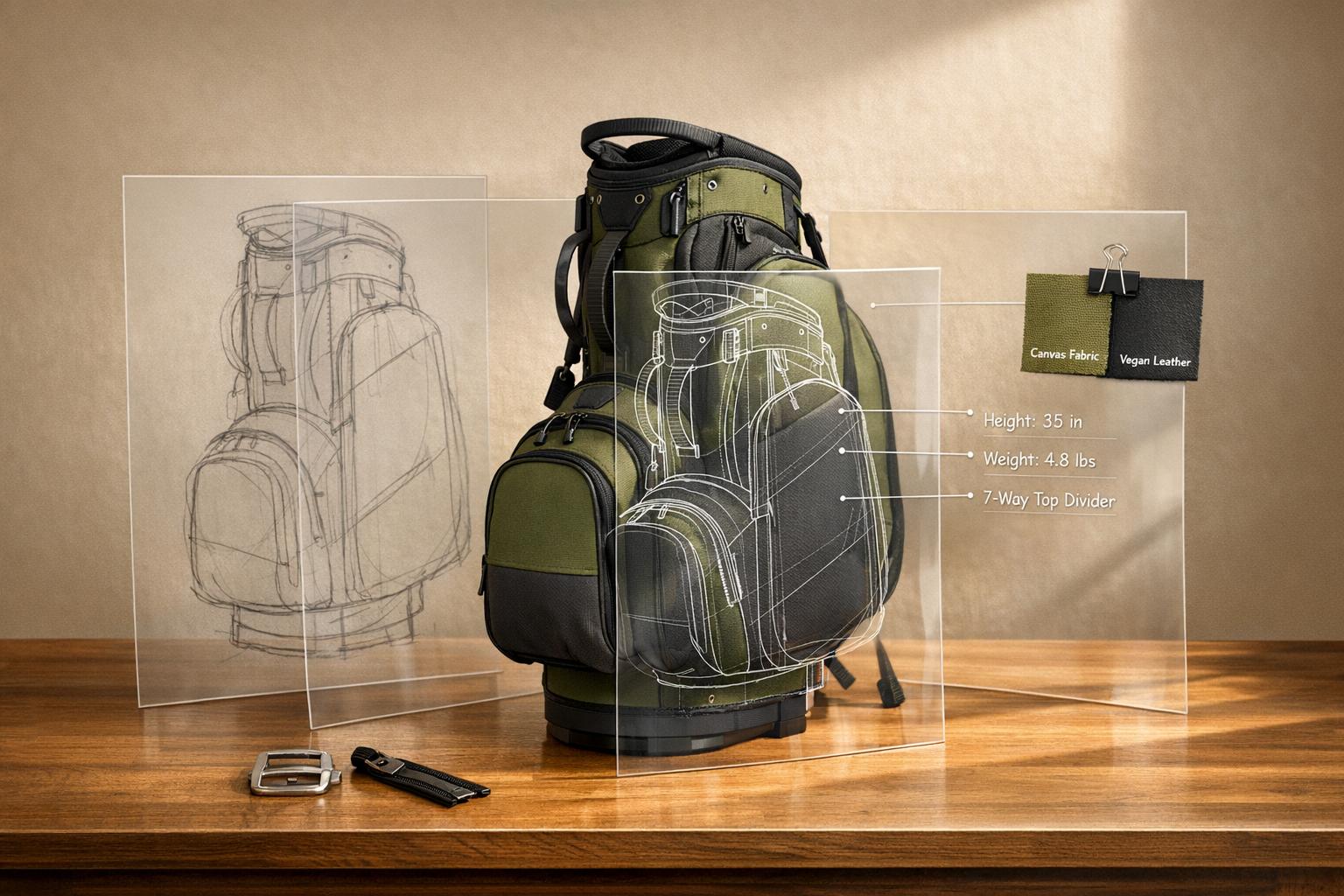
Step-by-step guide to designing, prototyping, sourcing manufacturers, and launching a golf bag on Kickstarter.

Sustainable golf bags: recycled materials, performance features, and Kickstarter successes reshaping eco-conscious gear.
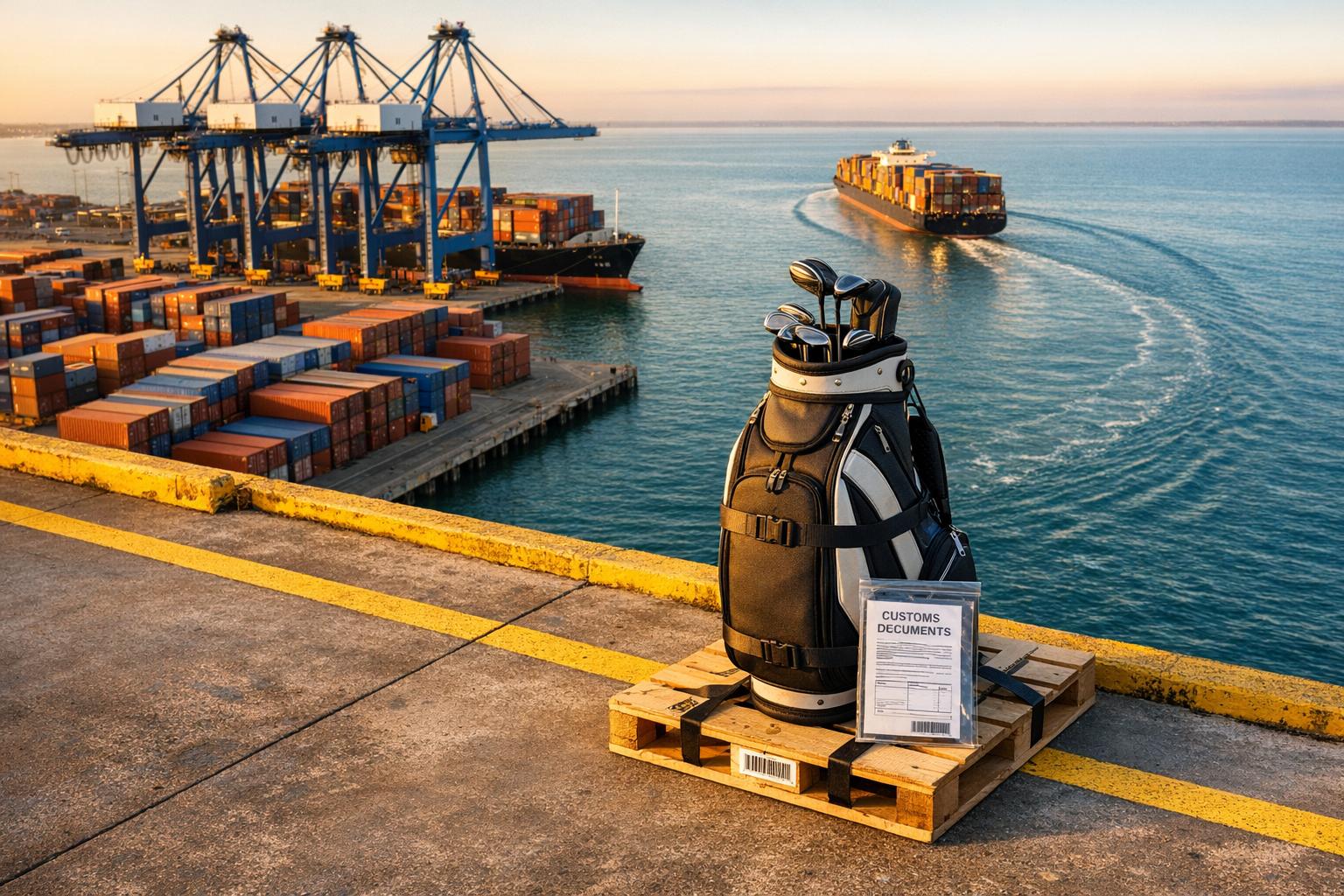
Rising 2026 tariffs and shipping costs force golf bag makers to rethink sourcing, claim refunds, and adopt tighter customs compliance.

keep perfect golf
Boya Building, Nanpu Industrial Area, Quanzhou, Fujian, China
PH 177 5002 0688
© KEEP PERFECT GOLF