Golfers face a common challenge: keeping their gear dry during wet conditions. Waterproof golf bags address this issue by protecting clubs, electronics, and other essentials from rain, moisture, and potential damage. Here’s what you need to know:
- Why It Matters: Moisture can damage clubs, rust shafts, ruin electronics, and even lead to mold or mildew in bags.
- Key Features:
- Materials: High-denier nylon, polyester, TPU laminates, and Gore-Tex provide water resistance and durability.
- Sealing: Heat-welded seams, seam taping, and waterproof zippers prevent leaks.
- Extras: Drainage ports, rain hoods, and waterproof pockets enhance protection.
- Performance Ratings: Water resistance is measured in millimeters (mm) with high-end bags exceeding 10,000 mm for heavy rain protection.
Takeaway: Choose a bag with materials and features that match your playing conditions. For heavy rain, opt for TPU laminates and welded seams. For lighter conditions, PU-coated fabrics and taped seams offer reliable protection at a lower cost.
NEW PING PIONEER MONSOON WATERPROOF CART BAG REVIEW 2025
Waterproof Fabrics and Materials
Waterproof Golf Bag Materials Comparison: Performance, Weight, and Cost Guide
Common Materials in Waterproof Golf Bags
When it comes to waterproof golf bags, the choice of fabric and coatings plays a big role in ensuring they keep your gear dry. Most bags start with high-denier nylon (420D or 600D) or polyester as their base. Nylon stands out for its excellent strength-to-weight ratio, making it perfect for stand bags you’ll carry around the course. On the other hand, polyester is better at resisting UV rays and holds its color longer, which makes it a great choice for cart bags that spend more time in the sun.
But the base fabric alone isn’t enough to stop water from getting in. That’s where coatings and laminates come in. TPU (Thermoplastic Polyurethane) laminates are often the top choice. TPU is lightweight, elastic, and highly resistant to abrasion, and it works seamlessly with sealed seams for superior water resistance. For a more affordable option, PU (Polyurethane) coatings are applied as a liquid to seal the fabric’s pores. However, PU coatings can degrade over time when exposed to moisture or UV light. Similarly, PVC (Polyvinyl Chloride) coatings offer strong waterproofing at a lower cost but tend to add extra weight and reduce breathability, which can lead to trapped moisture inside the bag.
Premium bags may also feature microporous membranes like Gore-Tex, which are sandwiched between fabric layers. These membranes keep liquid water out while allowing water vapor to escape, so your bag doesn’t feel damp inside. Some manufacturers also use proprietary technologies like "Dri-Lite", "StaDry", or "H2NO", which are their unique waterproofing standards.
A fabric is considered waterproof when it achieves a Hydrostatic Head (HH) rating of at least 1,500 mm. This rating measures how much water pressure the fabric can withstand before leaking. Recently, the industry has been shifting toward PFAS-free treatments in Durable Water Repellent (DWR) finishes, moving away from "forever chemicals" due to growing environmental and health concerns.
Waterproof Fabric Comparison
The right material depends on how you plan to use your golf bag. If you’re walking the course with a stand bag, lighter materials like TPU laminates or PU-coated nylon are ideal – they balance weight and water resistance. For cart bags, where weight isn’t as critical, heavier options like PVC coatings are more cost-effective.
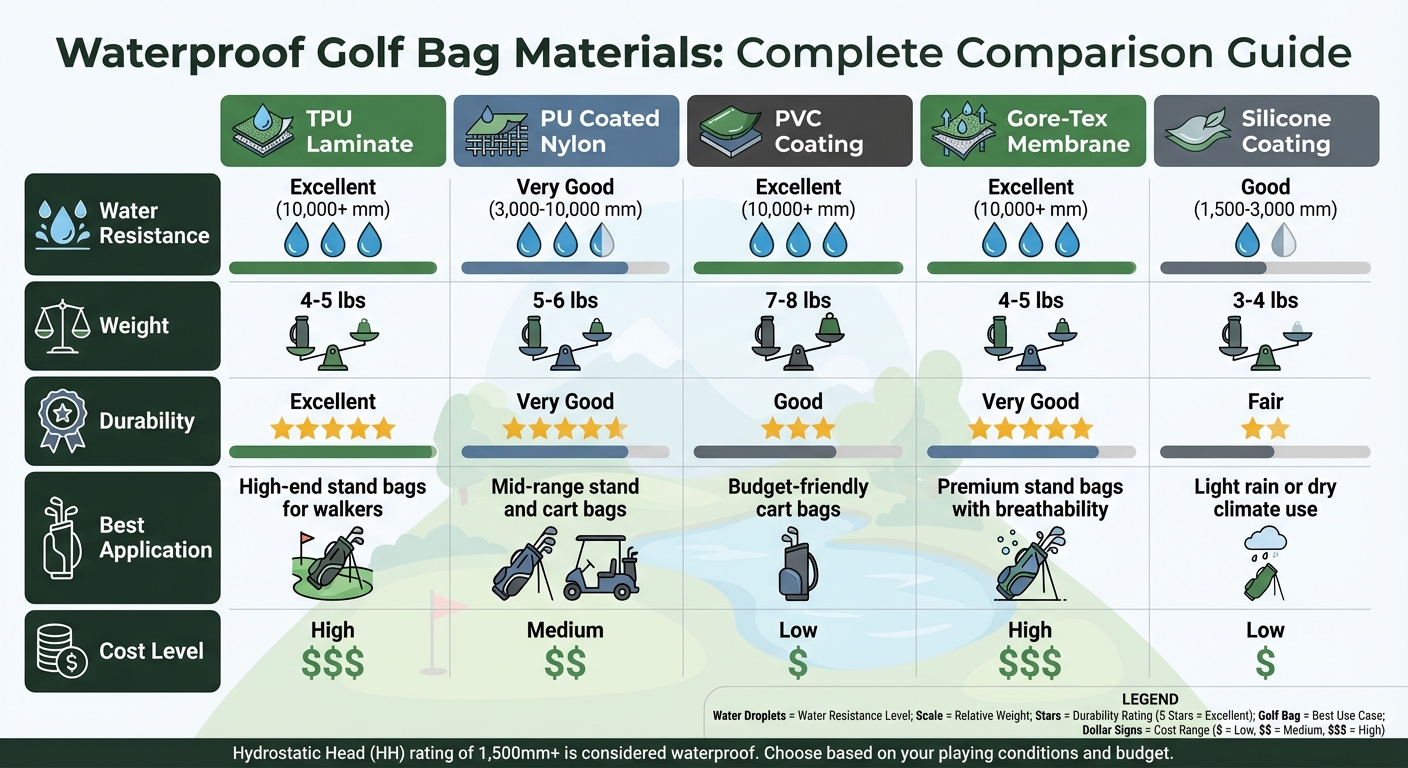
Here’s a quick comparison of popular materials:
| Material | Water Resistance | Weight | Durability | Best Application |
|---|---|---|---|---|
| TPU Laminate | Excellent (10,000+ mm) | 4-5 lbs | Excellent | High-end stand bags for walkers |
| PU Coated Nylon | Very Good (3,000-10,000 mm) | 5-6 lbs | Very Good | Mid-range stand and cart bags |
| PVC Coating | Excellent (10,000+ mm) | 7-8 lbs | Good | Budget-friendly cart bags |
| Gore-Tex Membrane | Excellent (10,000+ mm) | 4-5 lbs | Very Good | Premium stand bags with breathability |
| Silicone Coating | Good (1,500-3,000 mm) | 3-4 lbs | Fair | Light rain or dry climate use |
When choosing a golf bag, don’t just focus on the fabric – pay attention to the construction details. Look for features like "taped" or "heat-welded" seams, as regular stitching can create holes that let water seep in. Check the zippers too; waterproof models like YKK AquaGuard or zippers with "garages" (small fabric hoods that protect the zipper teeth) add an extra layer of protection. Pairing advanced fabrics with these construction techniques ensures your gear stays dry, no matter the weather.
Sealed Zippers and Seam Protection
Sealed and Thermo-Sealed Zippers
Standard zippers, with their exposed teeth and traditional stitching, leave gaps that water can easily penetrate. To address this, waterproof zippers use a rubberized or polyurethane coating to block these entry points.
Many premium bags feature YKK AquaGuard zippers, which utilize coated coil or VISLON® teeth to repel water effectively. For even better protection, some manufacturers opt for RF welded or ultrasonically bonded zippers instead of traditional stitched ones. This method eliminates the needle holes created during stitching, ensuring water can’t sneak in through attachment points. On the production side, adding a basic PVC waterproof zipper costs about $1–$2, while the high-end YKK AquaSeal zippers can increase costs by $3–$5.
"In many cases [AquaGuard® zippers] remove the need for a flap or garage to cover the pack’s coil zipper since AquaGuard® zippers can provide the same protection to the contents of the bag." – YKK Americas
Top-tier bags often include a zipper garage, a small fabric cover at the end of the zipper track. This extra feature seals off the tiny gap where the slider rests when fully closed, adding another layer of defense. Combined with advanced zippers, robust seam protection ensures your bag is well-guarded against water intrusion.
Heat-Welded and Taped Seams
While waterproof fabrics often boast impressive hydrostatic ratings, seams are a common weak point for water entry. The needle holes created during stitching allow moisture to seep in. To tackle this, seam taping is widely used. This process involves applying waterproof tape over stitched seams using heat, a technique commonly found in mid-range waterproof bags priced between $200–$350.
For higher-end designs, RF or ultrasonic welding eliminates stitching altogether by fusing TPU or PVC fabrics. This method removes the risk of needle holes entirely. Welded seams can achieve IPX7 ratings (capable of withstanding submersion up to 1 meter for 30 minutes), while taped seams typically provide IPX4 or IPX5 protection. For example, the Motocaddy HydroFlex stand bag employs heat-welded seams to block potential water entry points.
"It is not the fabric that fails first, but the zippers and seams. Even the most durable fabric cannot prevent leakage if water seeps in through a poorly sealed zipper or a stitched seam." – Vancharli Outdoor
After exposure to rain, it’s essential to air-dry your bag for 24–48 hours. This helps prevent mold and material degradation while giving you a chance to check for any peeling seam tape.
Drainage Systems and Design Features
Built-In Drainage Ports
Even with the most water-resistant fabrics and sealed zippers, water can still seep in through the open top of a golf bag – designed for easy club access. That’s where drainage ports come in, allowing water to escape instead of pooling at the bottom.
These ports are often built into the bag’s base or inside insulated cooler pockets, where condensation tends to gather. By letting water drain out, they help keep the bag lighter and prevent moisture from soaking through dividers. For instance, the Callaway Fairway 14 includes drainage ports in its insulated cooler pocket to stop water from building up.
"You’ll love the insulated cooler pocket with a clever drainage port for those warm days on the course, while the water-resistant construction keeps your gear dry when the weather turns nasty." – Paul Liberatore, Founder, Golfers Authority
Some bags take it a step further with drainage channels that direct water away from vulnerable entry points like zippers and pocket seams. This approach not only keeps the interior dry but also prevents condensation and mold from forming after a round. It’s a smart addition that works hand-in-hand with the bag’s waterproof design.
Waterproof Pockets and Rain Hoods
While drainage systems handle water removal, waterproof pockets are designed to keep your essentials completely dry. These compartments use seam-sealed construction and thermo-sealed zippers to shield items like electronics, scorecards, and extra clothes from rain.
Rain hoods, on the other hand, protect the bag’s largest opening – where your clubs are stored. Most hoods attach with three to five snaps or press studs around the top cuff of the bag. For added convenience, some designs feature magnetic closures or quick-deploy systems, making it easy to secure the hood with one hand when the weather takes a sudden turn.
"The modern-day waterproof golf bag is completely impervious to rain and can withstand even the heaviest of downpours if you follow a couple of simple rules." – Scottsdale Golf
High-quality rain hoods often include long, two-way zippers, which let you access your clubs without removing the entire cover. Pro tip: attach your rain hood as soon as the clouds look threatening – it’s much harder to secure snaps during a downpour, and wet gear is a hassle to deal with. After a rainy round, always hang your hood to air dry fully; this prevents mold, mildew, and unpleasant odors from forming.
Design Feature Comparison
| Feature | Primary Function | Customization/Benefit |
|---|---|---|
| Drainage Ports | Prevents water from pooling in pockets and reduces weight. | Commonly found in cooler pockets; can suit various pocket depths. |
| Waterproof Pockets | Protects valuables like electronics with sealed zippers. | Available in different sizes; velour-lined for premium care. |
| Rain Hoods | Shields club heads and the bag’s top opening from rain. | Options include quick-deploy magnets and universal fits. |
sbb-itb-4fa7e8b
Custom Waterproof Golf Bag Solutions at Keep Perfect Golf
Tailored Waterproof Materials and Features
Keep Perfect Golf specializes in creating golf bags that stand up to the elements, offering a range of customizable waterproofing solutions to suit your specific needs. You can choose TPU Laminate for exceptional water resistance (10,000mm+ ratings) while keeping the bag lightweight, or go with Polyurethane (PU) for a balance of performance and cost-effectiveness. For those seeking top-tier protection, Gore-Tex membranes deliver excellent waterproofing combined with breathability, though they come at a higher price.
When it comes to sealing, you have options like ultrasonically welded seams for a completely leak-proof finish or taped seams for added durability. Extra reinforcements can be applied to critical areas, such as zipper installations, pocket joins, and base panels, ensuring long-lasting performance.
Custom design features include thoughtful additions like built-in drainage ports for cooler pockets, waterproof zippers with rubberized coatings and protective "zipper garages", and storm flaps to keep water out. For golfers in humid environments, options such as anti-microbial treatments and enhanced ventilation systems can help reduce mold and moisture buildup inside waterproof compartments.
OEM/ODM Services for Custom Golf Bags
Keep Perfect Golf provides end-to-end production services, covering everything from consultation and prototyping to manufacturing and worldwide delivery. Typical lead times range from 30 to 45 days for orders of 50 to 100 units and 45 to 60 days for orders of 100 to 500 units. Orders over 500 units often qualify for priority scheduling and include perks like a free sample. For larger orders, dedicated account managers and competitive pricing are available to streamline the process.
Branding options are extensive, with choices like embroidery, screen printing, and heat transfer for popular locations such as the side saddle pocket, spine, and apparel pockets. During the prototyping phase, you can review and refine details like sealing points and hardware placement to ensure everything aligns with your vision before production begins. Rigorous quality control throughout manufacturing, along with optional custom dust covers and carry cases, ensures your bags are ready to impress.
With these tailored solutions, your golf bag will not only meet high waterproof standards but also cater to your specific playing style and branding needs.
Waterproofing Technology Comparisons
Comparison Table: Waterproofing Options
To help you navigate the many waterproofing options available, here’s a breakdown of the most common technologies. We’ve compared them based on protection level, cost, weight, and lifespan, giving you a clear idea of which option suits your needs and budget. The table below summarizes these key points, followed by a deeper dive into each material and sealing method.
| Technology/Material | Protection Level | Cost | Weight | Lifespan/Durability |
|---|---|---|---|---|
| TPU Nylon | Excellent (10,000mm+) | High | Light | Excellent |
| Vinyl (PVC) | Excellent | Low | Heavy | Good |
| Dri-Lite / PU Coated | Very Good (3,000-10,000mm) | Medium | Medium | Very Good |
| Seam-Sealed Zippers | High (Rain-resistant) | Medium | N/A | Good |
| Heat-Welded Seams | Excellent (Submersible) | High | Light | Excellent |
| Taped Seams | Very Good | Medium | Medium | Good |
TPU Nylon stands out for its exceptional water resistance, rated over 10,000mm, making it a top choice for heavy rain and extreme weather. It’s also lightweight and stays flexible even in colder temperatures, though it comes with a higher price tag.
Vinyl (PVC) offers excellent water resistance at a much lower cost, making it a great option for those on a budget. However, it’s heavier and less breathable, which might be a drawback for some users.
For those seeking a balance between performance and affordability, Dri-Lite or PU-coated fabrics provide solid protection in the 3,000–10,000mm range without stretching your budget.
When it comes to sealing methods, heat-welded seams provide superior waterproofing, even for submersible conditions, outperforming taped seams, which still offer reliable protection but at a slightly lower level.
Conclusion: Choosing the Right Waterproof Golf Bag
Picking the perfect waterproof golf bag comes down to understanding your needs and the conditions you play in. If you often find yourself golfing in heavy rain or severe weather, look for bags made with TPU laminate materials rated at 10,000mm+ and welded seams, which ensure leak-proof protection by bonding the fabric at a molecular level. For less extreme conditions, bags with PU-coated fabrics in the 3,000–10,000mm range and taped seams can deliver reliable waterproofing without breaking the bank.
Material is just one piece of the puzzle – quality components matter too. Opt for bags with waterproof zippers like YKK AquaSeal and check for a Hydrostatic Head rating of at least 1,500mm to ensure dependable water resistance.
"Investing in a high-quality waterproof golf bag is essential for any golfer who plays in wet conditions. By protecting your clubs, electronics, and personal items from moisture, you’ll not only extend the life of your equipment but also enjoy a more comfortable round regardless of the weather." – Sarah Williams, Golf Equipment Specialist
Price often reflects performance. Bags under $200 typically offer basic protection against light rain, while the $200–$350 range includes sturdier designs. If you’re willing to spend over $350, you’ll find bags featuring advanced materials and construction techniques.
For golfers with specific needs, custom solutions add an extra layer of personalization. Keep Perfect Golf provides OEM/ODM services to tailor waterproof features to your preferences. Whether you’re looking for climate-adapted materials for tropical play or marine-grade hardware for coastal environments, custom manufacturing can deliver options like 14-way dividers or drainage ports to meet your exact requirements.
FAQs
What makes TPU laminates better than PU coatings for waterproof golf bags?
When it comes to waterproof golf bags, TPU laminates stand out for several reasons. They offer excellent water resistance, ensure better breathability, and boast impressive durability – all while being lighter than their PU coating counterparts. This combination makes them a fantastic option for keeping your gear dry without adding extra weight.
On the other hand, PU coatings, though functional, tend to be heavier, less breathable, and not as long-lasting. For golfers seeking dependable waterproofing without compromising on weight or convenience, TPU laminates present a smarter, more efficient solution.
What’s the difference between heat-welded seams and taped seams for waterproofing golf bags?
Heat-welded seams create a tough, long-lasting seal by fully bonding materials together. This method is excellent at keeping water out, even during heavy downpours. On the other hand, taped seams use adhesive strips to cover stitching, which may not hold up as well over time, especially when exposed to moisture for extended periods.
For the best waterproof protection for your golf gear, particularly in harsh weather, heat-welded seams are typically the superior option.
What is the Hydrostatic Head rating, and why does it matter when choosing a waterproof golf bag?
The Hydrostatic Head rating is a key measure of how well a material can withstand water pressure before it starts to leak. This rating is especially important for golfers because it indicates how effectively a golf bag can protect your gear from heavy rain or damp conditions. Simply put, the higher the Hydrostatic Head rating, the better the water resistance, giving you peace of mind that your clubs and accessories will stay dry, no matter the weather.
When choosing a waterproof golf bag, prioritize materials with a high Hydrostatic Head rating. Also, pay attention to features like seam-sealed zippers and waterproof fabrics. These design elements ensure your bag is ready to handle sudden downpours while keeping your equipment in excellent condition.
Related Blog Posts
- Waterproof Golf Bags: How Custom Materials Protect Your Gear in Rain
- Waterproof Golf Bag Technology: How It Revolutionizes Your Game
- Waterproof Golf Bags: Manufacturing Secrets from Leading Golf Bag Factories
- Waterproof Golf Bags: Manufacturing Secrets from Leading Golf Bag Factories
Related Resources
Related Products
Explore our manufacturing capabilities in this category:
 Premium Stand Bag
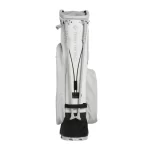 Ultra-Light Stand Bag
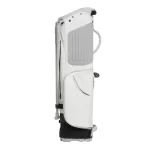 Hybrid Stand Bag
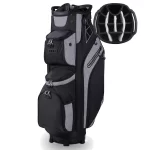 Rain-Resistant Stand Bag
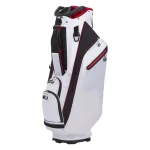 Premium Tour Cart Bag
 Lightweight Cart Bag
 Waterproof Cart Bag
 Staff Cart Bag
Need custom golf bags? Contact us for OEM/ODM quotes — MOQ 100pcs, FOB Xiamen.