When launching a golf bag through crowdfunding, material selection is critical. It influences quality, cost, and how backers perceive your product. Here’s a quick breakdown:
- Nylon: Lightweight, durable, and ideal for performance-focused bags like stand or travel bags. High-denier options (e.g., 1680D) resist abrasion and wear.
- Polyester: Affordable and colorfast, suitable for budget-friendly bags. Adding PU coating improves water resistance.
- Canvas: Offers a rugged, natural look. Best for lifestyle designs but heavier and less water-resistant unless treated.
- Leather & Synthetic Leather: Genuine leather is luxurious but costly and heavy. PU and microfiber leather provide a premium feel at a lower price, ideal for mid-to-high-tier products.
- Eco-Friendly Materials: Options like recycled polyester (RPET) or plant-based leathers are gaining popularity for sustainability-focused campaigns.
Quick Comparison
| Material | Durability | Weight | Best Use | Cost |
|---|---|---|---|---|
| Nylon | High | Very Low | Performance bags | Moderate |
| Polyester | Moderate | Low–Mid | Budget-conscious bags | Low |
| Canvas | High | High | Heritage-style designs | Moderate–High |
| PU Leather | High | Mid–High | Mid-tier cart bags | High |
| Microfiber Leather | Very High | Heavy | Luxury or professional bags | Premium |
| Recycled Polyester (RPET) | Moderate | Low–Mid | Eco-conscious products | Moderate |
Key Takeaway: Match materials to your product’s purpose and audience. Durable nylon suits active golfers, while synthetic leather adds a polished look for premium backers. Eco-friendly materials appeal to sustainability-minded buyers. Prototyping and testing ensure quality and build trust with backers.
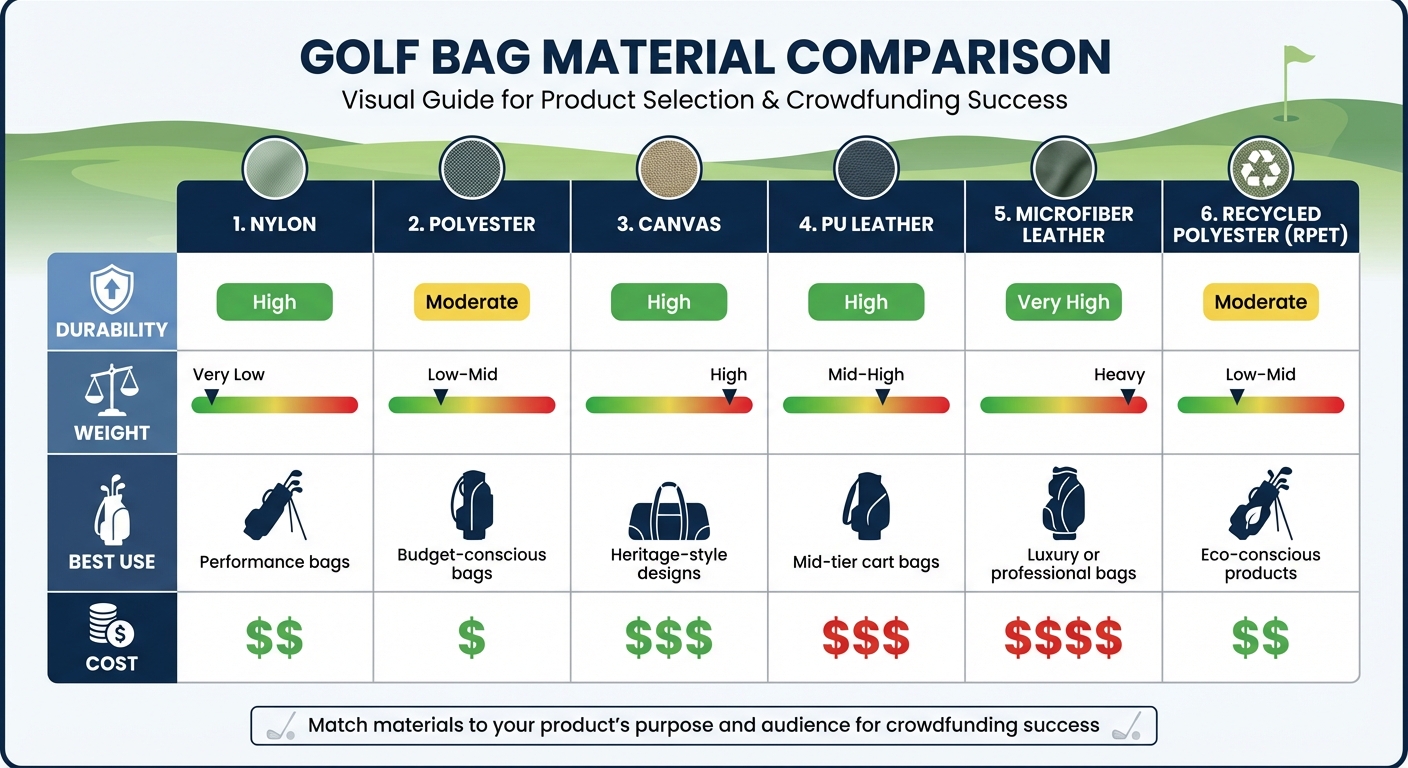
Golf Bag Material Comparison: Durability, Weight, Cost and Best Use Cases
Primary Material Options for Golf Bag Manufacturing
The choice of material can make or break a product’s appeal. It influences not just the bag’s quality but also how well it aligns with customer expectations and campaign goals. Each material brings its own strengths, helping you strike the right balance between functionality, aesthetics, and cost.
Nylon: Lightweight and Durable
Nylon is a go-to material for performance-driven designs, especially for stand and travel bags where keeping weight down is a priority. Known for its high strength-to-weight ratio, it’s perfect for bags that need to endure frequent use and tough conditions. High-denier options like 1680D Ballistic Nylon stand out for their exceptional abrasion resistance, making them ideal for travel bags or those exposed to rough handling.
"Nylon remains a core material in performance-focused golf bags, especially stand bags and lightweight cart bags."
Variants such as 420D, 600D, and ripstop nylon add additional features like puncture resistance and natural water repellency. These qualities make nylon a practical choice for golfers who walk the course, as it combines durability with minimal weight and maintenance.
Polyester: Affordable and Reliable
Polyester is a budget-friendly alternative that works well for mass production. Its ability to retain color under UV exposure ensures that the bag looks just as good in photos as it does in person, even after extended use. Plus, its wrinkle-resistant nature helps keep the product looking fresh, whether in marketing materials or unboxing videos.
While polyester is moderately durable, it can show wear under heavy loads. Adding a polyurethane (PU) coating can enhance its moisture resistance, making it a solid option for outdoor use. This material is particularly suited for entry-level bags in budget-conscious campaigns, with 600D polyester being a common choice.
Canvas: Timeless Appeal with an Eco-Friendly Edge
Canvas offers a rugged, classic look that appeals to those seeking a more natural aesthetic. Its strong natural fibers, especially when sourced as organic cotton canvas, add a layer of environmental responsibility by being biodegradable and sustainable.
"Canvas resonates with eco-conscious buyers. The rise of sustainable sourcing makes organic cotton canvas attractive."
However, canvas comes with trade-offs. It’s heavier than synthetic fabrics and absorbs water unless treated with wax or coatings. This makes it better suited for lifestyle-oriented designs where its traditional appeal and eco-friendly story justify the added weight and care requirements.
Leather and Synthetic Leather: Luxury Choices for Premium Tiers
Genuine leather is synonymous with luxury and durability but is often reserved for high-end or limited-edition bags due to its weight and cost. Many manufacturers now turn to synthetic alternatives like PU leather, which offers a premium look and feel at a more accessible price.
"PU leather (polyurethane leather) is one of the most widely used materials in premium golf cart bags and staff bags."
"Microfiber leather is often used in luxury golf bags where texture, touch, and durability are prioritized."
PU leather is easy to clean, supports detailed branding like embroidery, and provides a consistent texture. Microfiber leather, on the other hand, elevates luxury products with its softer feel and higher resistance to tears and scratches. These materials are perfect for distinguishing between standard and limited-edition designs, with PU leather often used in premium cart bags and microfiber leather reserved for top-tier offerings.
Eco-Friendly Materials: Sustainability Meets Innovation
Eco-friendly materials are gaining traction for their appeal to environmentally conscious buyers. Recycled polyester (RPET), made from plastic bottles, offers the same durability as traditional polyester while reinforcing a sustainability narrative. Similarly, ECONYL, made from recycled nylon, provides high performance with the added benefit of reducing waste.
Emerging alternatives like plant-based leathers – crafted from cactus or mushrooms – are also making waves. While these materials can cost 10–20% more to produce, they offer compelling storytelling opportunities that can justify higher price points. Highlighting certifications like the Global Recycled Standard (GRS) can further build trust and credibility, ensuring your campaign resonates with eco-conscious backers.
| Material | Durability | Weight | Best Application | Relative Cost |
|---|---|---|---|---|
| Nylon | Excellent | Very Low | Stand bags, travel bags | Moderate |
| Polyester | Moderate | Low–Mid | Budget/promotional bags | Low |
| Canvas | High | High | Heritage/boutique bags | Moderate–High |
| PU Leather | High | Mid–High | Cart and staff bags | High |
| Microfiber Leather | Very High | Heavy | Luxury/professional bags | Premium |
| Recycled PET | Moderate | Low–Mid | Eco-conscious campaigns | Moderate |
sbb-itb-4fa7e8b
Material Comparison: Weighing Quality, Cost, and Market Appeal
Choosing the right material is a balancing act between performance, price, and how your product is perceived. Each material comes with its own pros and cons, directly influencing how potential backers view your campaign – and ultimately, whether they’ll open their wallets. Understanding these trade-offs helps align your material choices with your campaign’s goals and audience.
Here’s a breakdown of how different materials perform across key factors that impact crowdfunding success. Things like weight affect shipping costs and usability, durability impacts long-term value, and water resistance determines how practical the product will be. Cost, of course, shapes your pricing strategy, while maintenance influences the experience backers can expect after purchase.
| Material | Weight | Durability | Water Resistance | Cost | Maintenance | Primary Backer Demographic |
|---|---|---|---|---|---|---|
| Nylon | Low | Very High | High | Moderate | Low | Performance-focused / Frequent players |
| Polyester | Moderate | Moderate | Moderate | Low | Low | Budget-conscious / Occasional golfers |
| Canvas | High | Moderate | Low (unless treated) | Moderate | Moderate | Traditionalists / Style-conscious |
| Synthetic Leather | Moderate | High | Very High | Moderate-High | Low | Modern Luxury / Value-Premium seekers |
| Genuine Leather | Very High | High | Moderate | Very High | High | High-Net-Worth / Luxury collectors |
How Materials Drive Campaign Value
Each material plays a different role in shaping your campaign’s success. For instance:
- Nylon: Its lightweight strength makes it perfect for high-performance designs. It’s ideal for premium products aimed at serious users, especially when shipping costs are a concern.
- Polyester: Affordable and versatile, polyester works well for entry-level products priced under $150, appealing to budget-conscious backers.
- Synthetic Leather: This material strikes a balance between cost and perceived luxury. It photographs beautifully, making it a great choice for mid-range products priced between $300 and $500.
- Genuine Leather: While undeniably luxurious, genuine leather comes with high costs and shipping challenges due to its weight. It’s best suited for high-end products targeting collectors or affluent backers.
Shipping costs are another critical factor. Lightweight materials like nylon can significantly reduce fulfillment expenses, especially for international backers, while also improving usability for golfers who carry their bags. These decisions directly impact backer trust and can make or break your campaign’s success.
How to Choose the Right Material for Your Crowdfunding Campaign
Selecting the right material for your product is a balancing act between function, cost, and the expectations of your backers. For example, lightweight and durable materials like high-denier ripstop nylon are perfect for performance-focused buyers. Budget-conscious backers might prefer polyester, while premium supporters often look for high-quality synthetic or genuine leather. Your choice of material not only impacts production costs but also shapes how backers perceive the value of your product. Making this decision early can save you from expensive mid-campaign course corrections.
Your pricing strategy should align with your material choices. For instance, an entry-level Sunday bag made from 600D polyester typically falls in the $80–$130 range on crowdfunding platforms. Mid-range stand bags, crafted with tougher materials like 1680D ballistic nylon, are priced between $150 and $250. At the higher end, premium cart bags featuring synthetic or genuine leather can command $300 to $600 or more. Carefully consider how the material enhances the functionality and appeal of each bag style.
Pairing Materials with Golf Bag Styles
Each type of golf bag comes with specific performance requirements, and the material you choose plays a crucial role in meeting those demands.
- Stand Bags: These are carried throughout an 18-hole round, so the material must balance durability and weight. For high-stress areas like the base and strap joints, 1680D ballistic nylon is a popular choice, offering strength without unnecessary bulk.
- Cart Bags: Since these bags are designed to sit on carts, aesthetics and storage capacity take priority. Heavier materials like canvas or high-grade synthetic leather add a polished look and a sense of luxury, appealing to higher-tier backers.
- Sunday Bags: Also known as pencil bags, these need to be ultra-light yet sturdy. Materials in the 210D to 420D range achieve this balance effectively, keeping costs low while maintaining quality. Genuine leather is typically avoided here, as it adds weight and increases production costs unnecessarily.
Once you’ve matched the material to the bag style, you can refine your decision based on what your backers value most.
Selecting Materials Based on Your Target Backers
Understanding your audience is key to making strategic material choices. Backers can generally be grouped into three categories:
- The Minimalist: Values portability and prefers lightweight materials like nylon or canvas.
- The Eco-Conscious: Looks for recycled or bio-based materials and is willing to pay extra for sustainable options.
- The Premium Player: Expects refined materials like high-grade synthetic or genuine leather, prioritizing tactile feel and elegance.
Tailor your material to match these preferences. For instance, if weight is a concern for golfers walking the course, high-denier ripstop nylon is a reliable choice. Eco-conscious backers might appreciate materials like ocean-bound plastic or bio-based synthetics made from cactus, pineapple, or mushroom fibers – options gaining popularity as consumers seek luxury without environmental trade-offs.
To ensure your choices align with backer expectations, consider running a pre-launch survey. Tools like Typeform or Google Forms can help you gather feedback on what matters most – weight, durability, or sustainability. This data can guide your material selection and even inspire stretch goal incentives. For example, you could offer an upgrade to a limited-edition X-Pac® fabric if a certain funding milestone is reached.
Transparency is crucial in crowdfunding. Share the story behind your material choices, whether it’s highlighting the percentage of recycled polyester used or explaining why synthetic leather offers better weather resistance and lower maintenance than genuine leather. By doing so, you turn technical details into a compelling narrative that enhances your product’s perceived value.
Creating and Testing Prototypes Before Campaign Launch
Prototyping is a critical step in validating your material choice before launching your campaign. Start by reviewing material swatches to assess texture, weight, and color accuracy. Manufacturers like Keep Perfect Golf can provide fabric samples, helping you avoid costly errors down the line.
Once you have a prototype, test it thoroughly to ensure the material complements the bag’s design. This includes checking if the material holds the bag’s shape, allows smooth pocket operation, and meets functional requirements. Prototyping costs typically range from $300 to $800 per bag design, with production times of two to four weeks.
Performance testing is equally important. For golf bags, this could mean conducting UV resistance tests (Grade 4 or higher is ideal), verifying waterproof claims with hydrostatic head tests, and evaluating abrasion resistance to simulate wear from cart straps. Recording these tests and sharing the results with your backers can build trust, showing that your material choices are well thought out and reliable.
Field testing is another critical step. Load the bag with 14 clubs, repeatedly operate the stand mechanism, and expose it to different weather conditions to identify potential issues. Pay close attention to details like zippers – high-quality options like YKK are a must to avoid negative reviews stemming from failures. Also, confirm the bag’s shipping weight to ensure accurate cost calculations for different regions.
The final step is creating a "Golden Sample" – a perfected prototype that serves as the standard for mass production. This is the version you’ll showcase in your campaign’s photos and videos, so every detail must be flawless. Backers will expect the final product to match this sample exactly. Collaborating with manufacturers like Keep Perfect Golf during this phase can also provide valuable feedback on design for manufacturing, potentially reducing production costs by 10% to 15%. These savings can be passed on to backers or reinvested in further improving your product.
Conclusion: Material Selection as a Campaign Success Factor
Your choice of materials plays a pivotal role in determining your campaign’s outcome. As Spencer Lanoue, Founder of Caddie AI, puts it: "A golf bag isn’t just a container for your clubs, it’s a piece of technical equipment designed for a specific job". The materials you select send a clear message to backers about whether your product is a wise investment or a potential gamble.
Pricing often reflects the quality of materials used. For instance, a Sunday bag made from 600D polyester typically costs between $100 and $170. A stand bag crafted with 1680D ballistic nylon might range from $180 to $280. Meanwhile, premium cart bags featuring synthetic or genuine leather often exceed $300. These price points aren’t arbitrary – they’re justified by tangible benefits like ultra-lightweight designs under 5 pounds, dependable weather resistance, or the timeless charm of genuine leather that develops a unique patina over time. This tiered pricing structure highlights how carefully chosen materials meet the varied expectations of your backers.
Material selection is about more than just fabric; it’s about aligning with user preferences. Walking golfers may favor high-tenacity nylon for its durability, cart bag buyers might lean toward synthetic leather for its sleek look without added bulk, and eco-conscious backers will appreciate materials certified by the Global Recycled Standard. Performance-driven players are often swayed by evidence, such as torture test videos showcasing UV resistance or water column ratings that prove durability under tough conditions.
To avoid costly changes mid-campaign, finalize all prototyping details before launch. Using trusted components like YKK zippers, as highlighted earlier, can turn product features into trust-building elements. High-resolution macro photos of your fabric weave or a clear explanation of why you chose TPU coating over waxed canvas can make all the difference. These small but impactful details, paired with precise technical specifications, create a compelling story that helps convert curious visitors into dedicated backers.
FAQs
Which material is best for my bag type (stand, cart, or Sunday)?
The material you choose should align with your bag type and how you plan to use it. For stand bags, lightweight and durable nylon works perfectly – it’s water-resistant and ideal for golfers who walk the course. Cart bags, typically used with carts, often feature PU leather for a sleek, polished appearance along with water resistance. If you’re considering Sunday bags, which are smaller and more casual, canvas or premium nylon offers a good mix of durability and style. Think about portability, looks, and functionality when making your choice.
How do materials change my crowdfunding price and shipping costs?
Materials play a big role in determining both the price tag and shipping costs of golf bags. High-end choices, such as leather or advanced composite materials, tend to push up production costs. They can also lead to higher shipping fees, thanks to their added weight or the need for special care during transport. On the other hand, lightweight materials like nylon offer a more budget-friendly alternative. They’re durable, easier to handle, and help keep shipping costs lower.
When selecting materials, it’s all about finding the right balance. You need to consider how the material looks, how long it will last, and whether it appeals to buyers – all while keeping manufacturing and delivery costs in check.
What tests should I run to prove durability and waterproofing?
When evaluating durability, it’s essential to put materials through stress tests. This could involve applying repeated tension or subjecting them to impacts to see how well they hold up against wear and tear. For waterproofing, you can test by spraying or submerging the materials under controlled conditions to check for any water penetration. Pay special attention to sealed seams and water-resistant fabrics to ensure they repel moisture effectively. These tests help verify that your materials can withstand long-term use and different weather conditions.
Related Blog Posts
- The Ultimate Guide to Golf Bag Manufacturing: Key Processes, Materials, and Partner Selection
- Step-by-Step Guide to Designing a Durable Golf Stand Bag from Concept to Reality
- Golf Bag Materials Guide: Nylon, PU Leather & RPET in OEM Production
- Material Choices for Custom Golf Bags: Balancing Durability and Aesthetics
Related Resources
Related Products
Explore our manufacturing capabilities in this category:
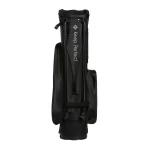 Premium Stand Bag
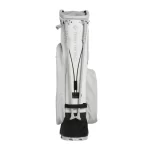 Ultra-Light Stand Bag
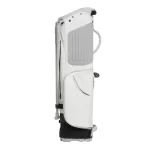 Hybrid Stand Bag
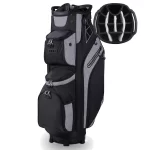 Rain-Resistant Stand Bag
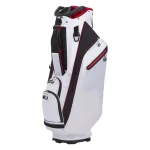 Premium Tour Cart Bag
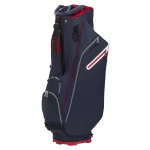 Lightweight Cart Bag
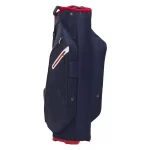 Waterproof Cart Bag
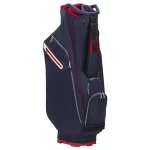 Staff Cart Bag
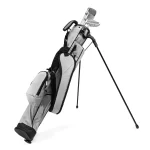 Classic Sunday Carry Bag
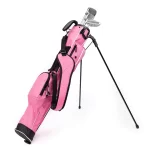 Ultra-Light Sunday Bag
Need custom golf bags? Contact us for OEM/ODM quotes — MOQ 100pcs, FOB Xiamen.