Quick answer: Callaway-class golf bags are built from 600D–1680D polyester shells with molded polypropylene tops and bases, aluminum or polymer stand legs, and layered linings—run through a 7–8 stage factory process of cutting, main-body sewing, zipper and pocket install, strap mounting, stand–base integration, divider-cuff fitting and final QC. At a qualified golf bag factory the manufacturing cost of a mid-tier Callaway-style stand bag is roughly $40–$65; a full-feature cart bag like the Org-class runs about $48–$80 before branding, freight, duty and retail margin. Most of what you pay for a Callaway bag sits above the factory floor, not in the fabric.
TL;DR / Quick Answer
- Materials: 600D–1680D polyester body, 1000D+ reinforcing on wear panels, EVA/layered foam padding, molded PP top, base and handle, aluminum or high-strength polymer stand legs, YKK-class #5–#8 zippers.
- Process: 7–8 core steps from cutting to final QC; a single bag passes through roughly 120–150 discrete sewing, binding and installation operations.
- Factory cost: Callaway-style stand bags typically land between $40 and $65 at a mid-to-high-volume partner factory; feature-rich cart bags run $48–$80.
- Retail split: a $180–$280 Callaway bag means roughly 55–70% of your money covers brand engineering, marketing, distribution, warranty and retailer margin—not the bag’s materials.
- Worth it? Yes if you want a stable 14-way carry bag with good strap ergonomics or a high-pocket-count cart bag with solid after-sales support. The same materials and QC are available at a lower price through a comparable OEM/ODM bag from the same sort of partner factory.
How a Callaway-Class Golf Bag Is Actually Made: The Factory Process
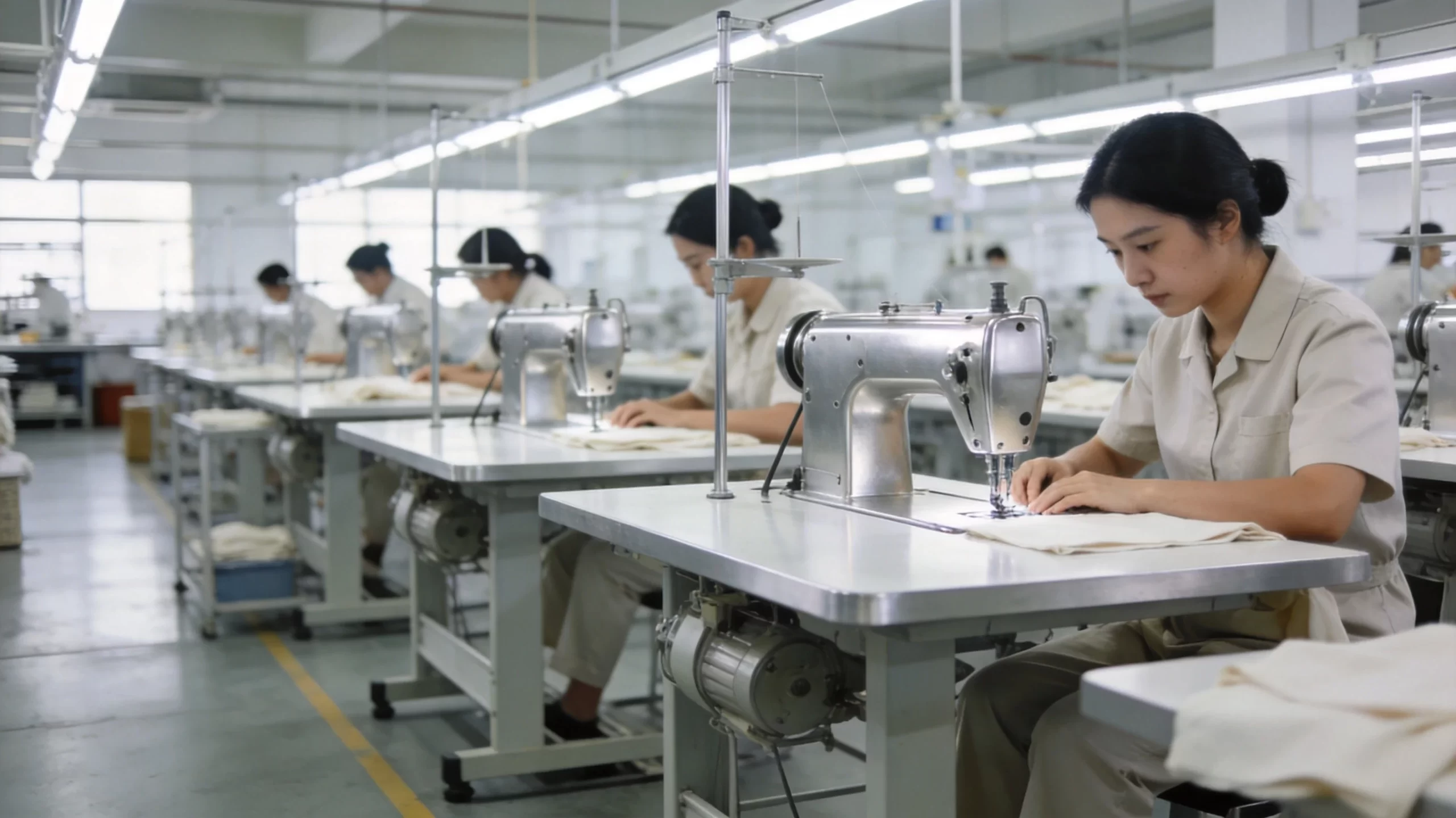
Like every major golf brand, Callaway designs and specs its golf bags in-house but manufactures them at affiliated and partner factories, typically in Asia. The brand supplies the design, tech-pack, colors and quality standards; the factory runs the physical production. The line sequence is broadly consistent across the industry, with brand-specific details (Callaway’s high pocket-count cart bags and lightweight stand-bag engineering) driving where the cost and craft concentrate. Here is how a Callaway-class bag moves through production.
1. Design & Tech-Pack
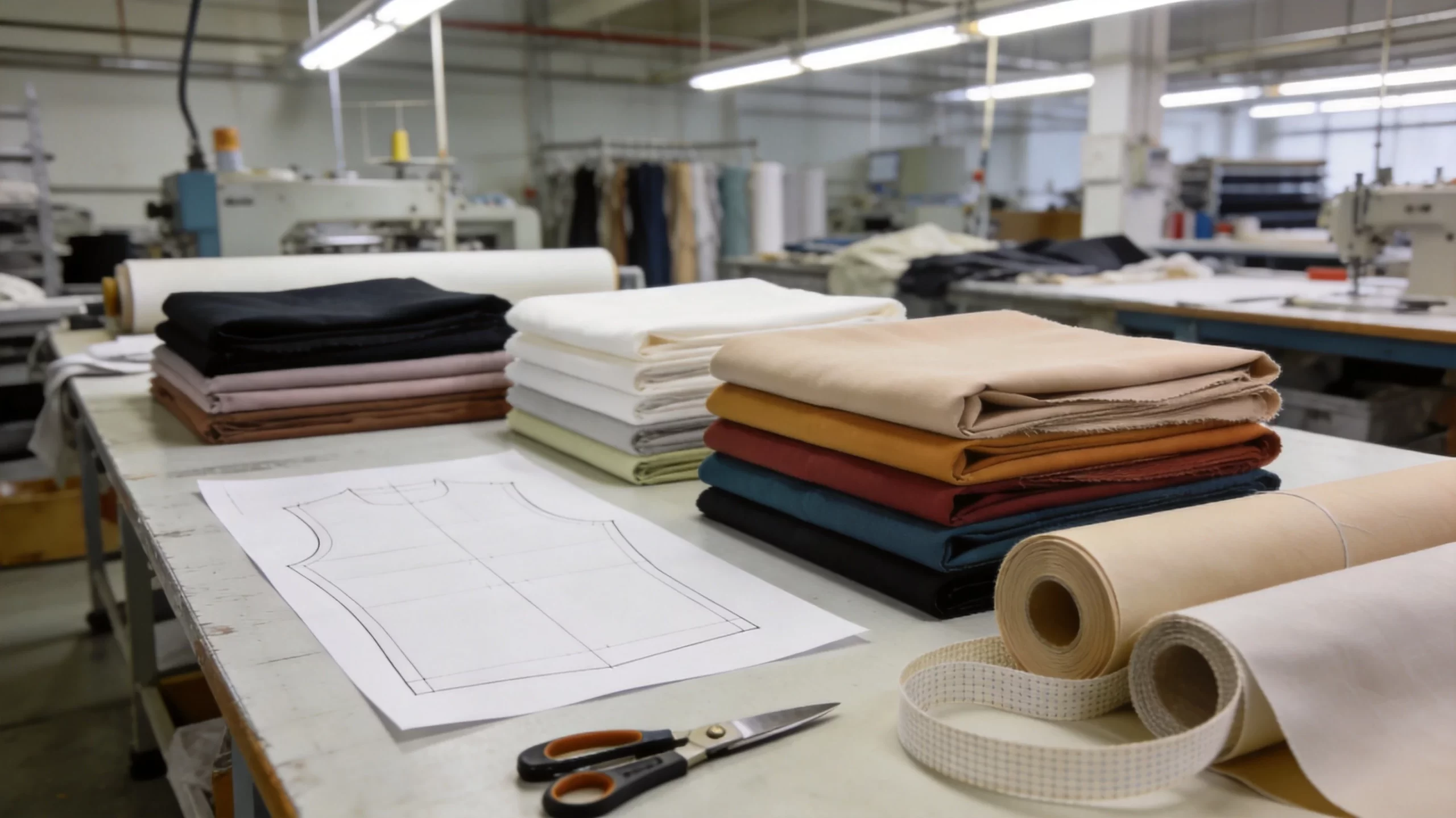
Every Callaway model starts as a tech pack: pattern drawings, panel measurements, stitch types, zipper lengths, material callouts and a Bill of Materials. A 14-way stand bag typically has 18–26 individual fabric panels, each cut to ±2mm. The factory engineering team converts the brand sketch into production-ready CAD patterns and a nesting layout that drives fabric yield.
2. Fabric Cutting & Prep
Polyester rolls are spread in stacks and cut on high-precision CNC or die-cutting tables. Cutting is where cost discipline lives: good factories hit 88–93% fabric utilization through smart nesting versus 78–82% on poorly planned layouts. Edge-binding, piping and zipper tapes are prepped in parallel for the next stage.
3. Main-Body Sewing & Panel Binding
The shell is assembled from multiple panels on industrial sewing machines. A mid-to-large golf bag factory typically runs 7 production lines with roughly 149 machines, about 126 of them sewing, in a 4,950 sqm facility. Straight-stitch, bartack and overlock machines each play a role: bartacks lock down stress points, overlock finishes raw internal seams. This stage creates around 70% of the bag’s structural strength.
4. Pockets, Zippers & Lining
Pockets and zippers are installed before the shell is fully closed so pulls sit flush. Callaway-style cart bags carry a high pocket count—10 to 15+—which is exactly why they have more sewing operations and a higher factory cost than a slim carry bag. Linings (flannel, mesh or PU-coated) are layered in; water-resistant models add seam-sealed or PU-coated layers. The more pockets and the heavier the fabric, the more labor and cost accumulate here.
5. Strap System (Stand & Cart)
Stand bags get dual padded shoulder straps with daisy-chain adjusters; cart bags get the wider integrated carry handles and keeper straps. Straps are sewn and load-tested to years of loaded carry. A premium bag’s strap hardware is injection-molded for smooth adjustment, adding a small but real cost line.
6. Stand Mechanism & Base Integration
The stand is the engineering heart of a carry bag. Legs are aluminum or high-strength polymer, hinged at the base with a spring-loaded bias that deploys when the bag tips and retracts when lifted. The molded polypropylene base plate anchors the legs and the divider block, and the divider tunnels align each club slot from the top cuff down to a hidden bottom guide—this is what keeps grips from tangling.
7. Top Cuff & Divider Install
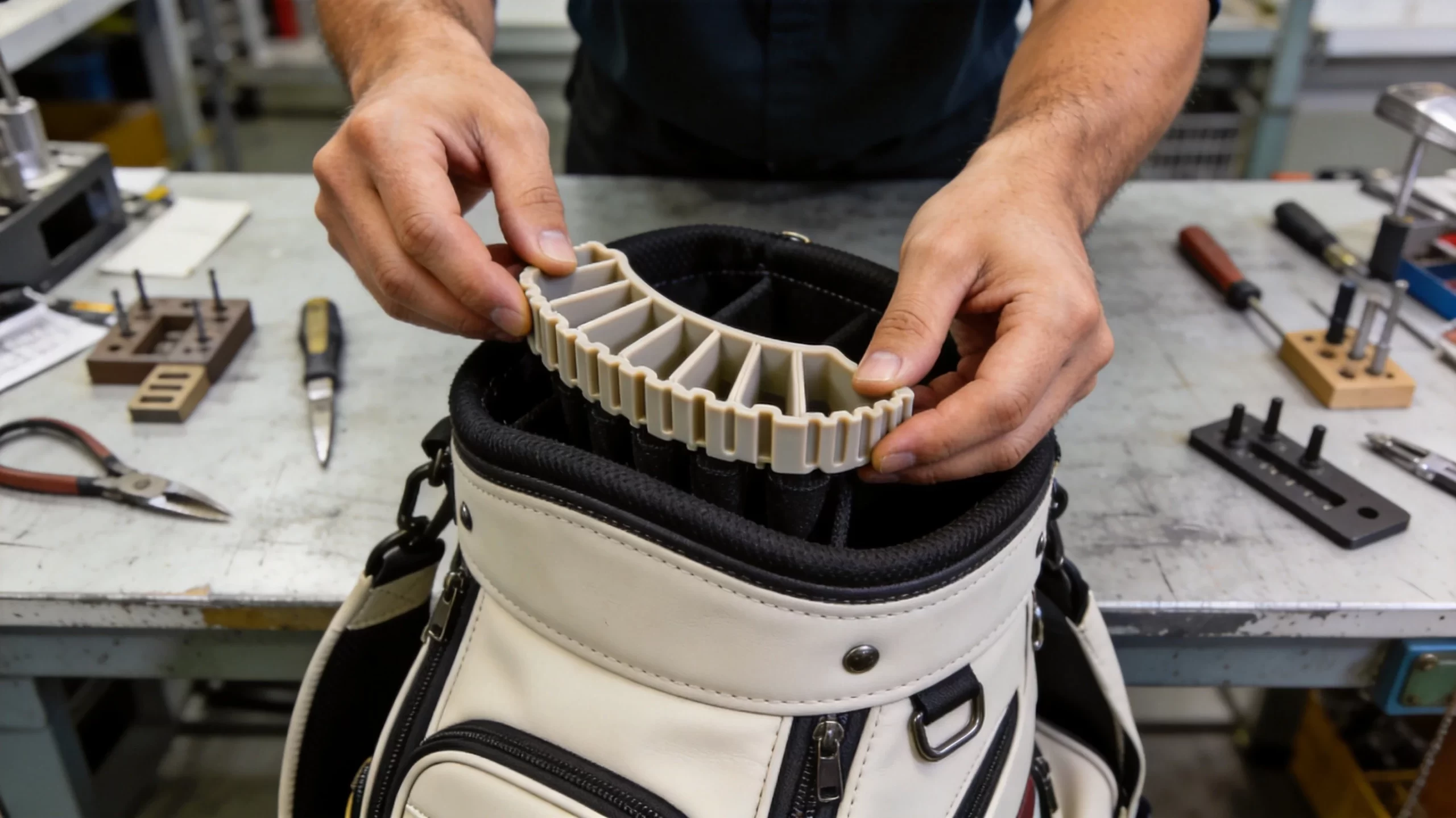
The 14-way or 5-way molded top collar is fitted late in the line, then base, legs and zipper pulls are shot on. Any misalignment here becomes a “clubs tangle” defect at retail, so this step is double-checked. For cart bags a 14-way top is common; for lighter carry bags a 14-way or 5-way option is offered.
8. Final QC, Packing & Ship
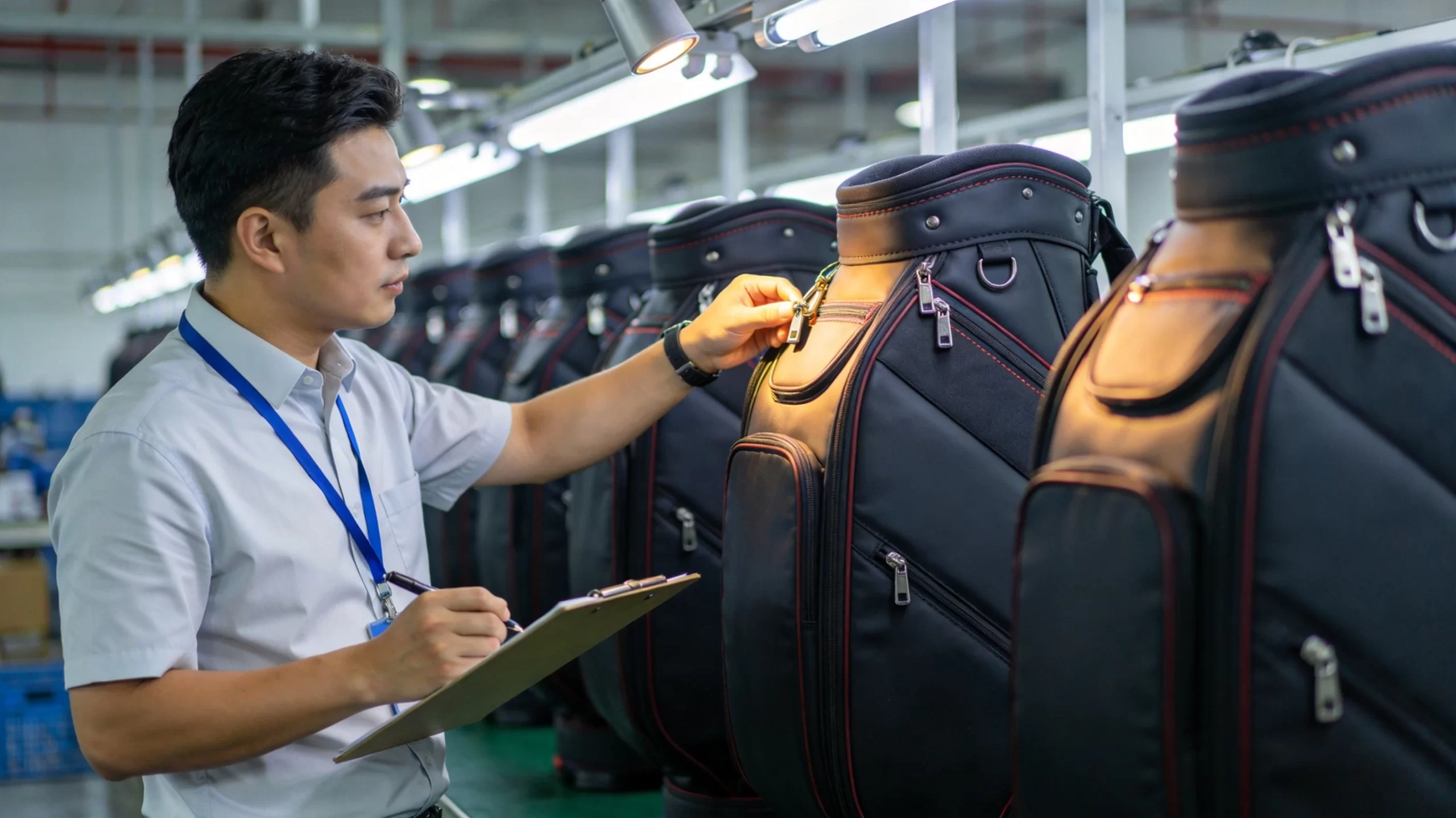
Finished bags go to a QC station where seams, zippers, strap stitching and stand function are checked against AQL tolerances and the brand’s QA manual. Passing bags are folded, poly-bagged and cartoned for export. Export packing and shipping add their own cost layer on top of the factory price.
Materials: What a Callaway-Style Bag Is Actually Built From
| Component | Typical Material | Role | Relative Cost |
|---|---|---|---|
| Shell body | 600D–1680D polyester | Main exterior, abrasion & weather wear | Low–Medium |
| Wear panels | 900D–1680D / ballistic nylon | Bottom, base, high-touch seams | Medium |
| Top cuff & base | Molded polypropylene | Divider, leg anchor, rigidity | Medium |
| Stand legs | Aluminum / high-strength polymer | Stable upright support | Medium |
| Zippers | #5–#8 YKK-class | Pocket & main access | Medium |
| Straps | Nylon webbing + EVA padding | Carry comfort | Low–Medium |
| Lining | Flannel / mesh / PU | Pocket finish, ventilation, waterproofing | Low |
| Waterproof layer | PU coating / seam sealing | Wet-weather protection | Low–Medium |
Fabric weight is the single biggest material cost driver. Moving from a 600D to a 1680D shell can add 20–35% to the fabric bill, which is why “how durable” is the first question any factory asks. Callaway’s high-pocket cart bags push material and hardware spend higher because each extra pocket means more webbing, more liners and more zipper rail. For a deeper look at denier, see our 600D/1200D/1680D fabric guide.
Where the Cost Goes: A Factory Cost Breakdown
Here is a realistic cost picture for a single mid-tier Callaway-class bag from the manufacturer’s point of view at a qualified partner factory (indicative ranges, not a quote):
| Cost Component | % of Factory Cost | Notes |
|---|---|---|
| Materials (fabric, hardware, zippers) | ~50–55% | Fabric dominant; pocket-heavy cart bags add webbing and zippers |
| Labor (sewing & assembly) | ~25–30% | 126–149 machines / 7 lines at mid-to-large scale |
| Hardware & machining (legs, base, top) | ~8–10% | Molded & stamped components |
| Sourcing & overhead (factory margin) | ~10–15% | Operating margin & QA |
Putting dollars on it: a solid mid-tier 14-way Callaway-style stand bag often lands between $40 and $65 at the factory gate. A high-pocket cart bag with more fabric, webbing and zippers trends higher, roughly $48–$80. Premium materials push toward the top of those ranges. Note that tariffs, freight, warehousing and import duty are added on top—and approximate import-duty figures should always be confirmed with your customs broker, since they vary by country and HS classification.
Are Callaway Golf Bags Worth It?
The factory answer is nuanced. A Callaway Fairway-class 14-way stand bag or Org-class cart bag retails around $180–$280—roughly 3–5× its factory cost. Beyond the physical bag you are paying for:
- Design and engineering—the stand geometry, divider layout and high-pocket organization were refined over multiple design cycles.
- Brand, marketing and distribution—tour presence, retail placement, freight and warranty support all carry real cost.
- Quality-assurance consistency—a big brand enforces tight tolerances and backs the product with after-sales service.
When is it worth it? If you want a light, stable 14-way carry bag that protects shafts and carries well on the course, the premium buys reliability and warranty support. If you ride and value organization, a high-pocket cart bag justifies its cost in convenience. If you mostly want the build and materials without the brand markup, the private-label route below gets you there for less.
Why the Same Build Can Cost Less: The OEM/ODM Alternative
The core factory insight: the materials, the process and the QC discipline behind a Callaway-class bag are the same capabilities used for private-label and OEM/ODM bags. A retailer or brand that works directly with a partner factory (here’s how a private-label line goes from concept to market) gets the same construction without the big-brand marketing and tour budget baked in. That is how a comparable-spec, unbranded 14-way stand bag or high-pocket cart bag can sell for noticeably less while using 600D–1680D polyester, YKK-class zippers and an aluminum stand. Our OEM manufacturing FAQ explains how a brand—large or small—actually specs and orders these bags.
How to Spot a Quality Golf Bag Build Before You Buy
- Bartacks at stress points. Check strap anchors, base corners and the stand hinge—dense bar-tack reinforcement means it will not rip under load.
- Denier honesty. Press the base and bottom panels; stiffer, thicker fabric means heavier, tougher construction (and more cost).
- Zipper build. Pull every zipper several times. Premium #8 zippers ride smoothly; flimsy zippers are the first thing to fail.
- Pocket seam quality. On high-pocket cart bags, inspect the pocket corners and dividers—these are where heavy use shows first.
- Stand function. Set the bag down and pick it up. Legs should deploy and retract crisply on a spring bias with no base wobble.
- Divider alignment. Slide a club into each slot; if the cuff and bottom guide align, the club drops cleanly—tangles mean cheap 14-way construction.
If a bag passes all six checks, it is built to a standard you could comfortably retail at $150–$280 regardless of logo.
Frequently Asked Questions
Are Callaway golf bags made in-house?
No. Like most major golf brands, Callaway designs and specs its golf bags in-house, but production is carried out by affiliated and partner factories, typically in Asia. The brand retains design, quality standards and warranty; the factory executes the physical manufacturing.
What material are Callaway golf bags made of?
Mostly polyester, from 600D to 1680D depending on the line, plus 900D or higher reinforcement on wear panels, molded polypropylene for the top and base, aluminum or polymer stand legs, and flannel or mesh pocket linings. Thicker denier and more pockets mean more durability and more cost.
Why are Callaway golf bags so expensive?
The factory cost of a mid-tier Callaway-style stand bag is often only $40–$65. The retail price adds brand research, tour and marketing spend, distribution, freight and duty, and retailer margin—typically 3 to 5 times the factory cost.
What is the difference between a 5-way and a 14-way divider?
A 5-way top groups clubs into five open compartments; a 14-way top gives every club its own slot with a hidden bottom guide so grips do not tangle. A 14-way top is more protective for shafts but heavier and a little more complex to manufacture.
Are Callaway cart bags or stand bags better for most golfers?
If you mostly ride, a high-pocket cart bag offers more organized storage and easier access. If you walk or carry, a lighter stand bag with a stable stand and good strap ergonomics serves better. Many golfers pair one of each rather than forcing a single bag.
How long does a Callaway-class golf bag last?
A well-built 600D or higher bag typically lasts 5 to 10 years or more with normal use. The first wear points are usually the stand legs, base and zippers, so reinforced wear panels and quality hardware extend service life.
Can I get the same quality without a big brand name?
Yes. The same partner factories that build big-brand bags also produce private-label and OEM/ODM lines with identical materials and quality control. A qualified factory can often deliver a comparable 14-way stand bag or high-pocket cart bag at a lower price point.
How do I lower the cost of a custom golf bag order?
Start from an existing in-line pattern, keep panel counts standard, choose polyester over leather, use proven hardware, and order at a volume that fits line capacity. A mid-to-large partner factory runs 7 production lines with about 149 machines, 126 of them sewing, in a 4,950 square metre facility, serving 200+ brands across 100+ countries as of 2026.
Get a Factory Quote on a Comparable Golf Bag
If a Callaway-class build at a better price point is what you need, our affiliated partner factory can quote a matching-spec private-label or OEM/ODM 14-way stand bag or high-pocket cart bag—same 600D–1680D fabric options, same aluminum stand and left/right-hand divider builds, built to your brand. Contact the Keep Perfect Golf team for a spec-and-quote conversation.
Related Products
Explore our manufacturing capabilities in this category:
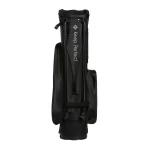 Premium Stand Bag
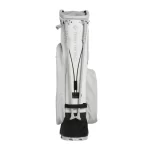 Ultra-Light Stand Bag
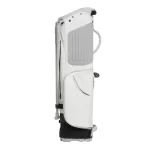 Hybrid Stand Bag
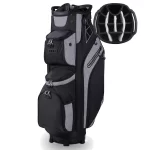 Rain-Resistant Stand Bag
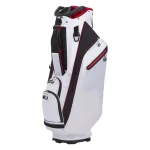 Premium Tour Cart Bag
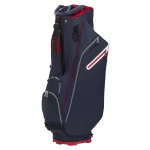 Lightweight Cart Bag
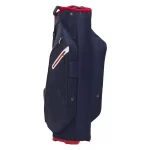 Waterproof Cart Bag
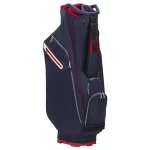 Staff Cart Bag
 Classic Sunday Carry Bag
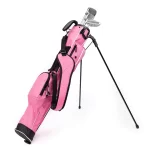 Ultra-Light Sunday Bag
Need custom golf bags? Contact us for OEM/ODM quotes — MOQ 200 pcs (100 pcs for test orders), FOB Xiamen.