For pro shop owners and golf retail managers, the gap between a bag that looks premium on a warehouse shelf and one that sells at full margin on a pro shop floor almost always comes down to one thing: merchandising execution. The U.S. golf equipment market exceeded $3.8 billion in retail sales in 2025, with on-course pro shops capturing 22% of that share — a channel where average margins run 40–50%, far above big-box or online alternatives, according to industry market analysis. Yet many shops still leave significant revenue on the table through inconsistent display standards, outdated seasonal rotations, and a lack of data-driven assortment planning.
This guide breaks down the specific, actionable merchandising strategies that high-performing pro shops use to drive golf bag sell-through rates of 70% and above — covering space planning, visual hierarchy, seasonal rotation, experiential zones, and the KPIs that tie it all together. Whether you operate a 500-sq-ft cart at a municipal course or a 3,000-sq-ft flagship at a private club, the principles here scale to your footprint.
Why Golf Bag Merchandising Matters More Than Ever
Golf bags are among the highest-ticket accessories in a pro shop, with premium models routinely priced between $300 and $600. Unlike golf balls or gloves — which are impulse, low-involvement purchases — bags require the customer to see, feel, and compare. Research from the Association of Golf Merchandisers confirms that pro shops tracking formal retail KPIs (sell-through rate, inventory turn, ATV) consistently outperform shops that rely on intuition alone. According to AMG’s Golf Pro Shop Retail Benchmarks & KPIs guide, sell-through rate is “the ultimate test of a vendor program’s relevance to your membership.”
The opportunity is clear: a pro shop that invests in intentional merchandising can move 15–25% more bag inventory per season compared to one that treats bags as “fill the shelf” stock. And with on-course shops enjoying 40–50% margins, even a modest sell-through improvement translates directly to bottom-line impact.
The Three Zones of Pro Shop Space Planning
Effective pro shop merchandising starts with understanding how customers move through your space. Retail science — backed by decades of shopper behavior research — identifies three distinct display zones, each serving a different purpose in the buying journey.
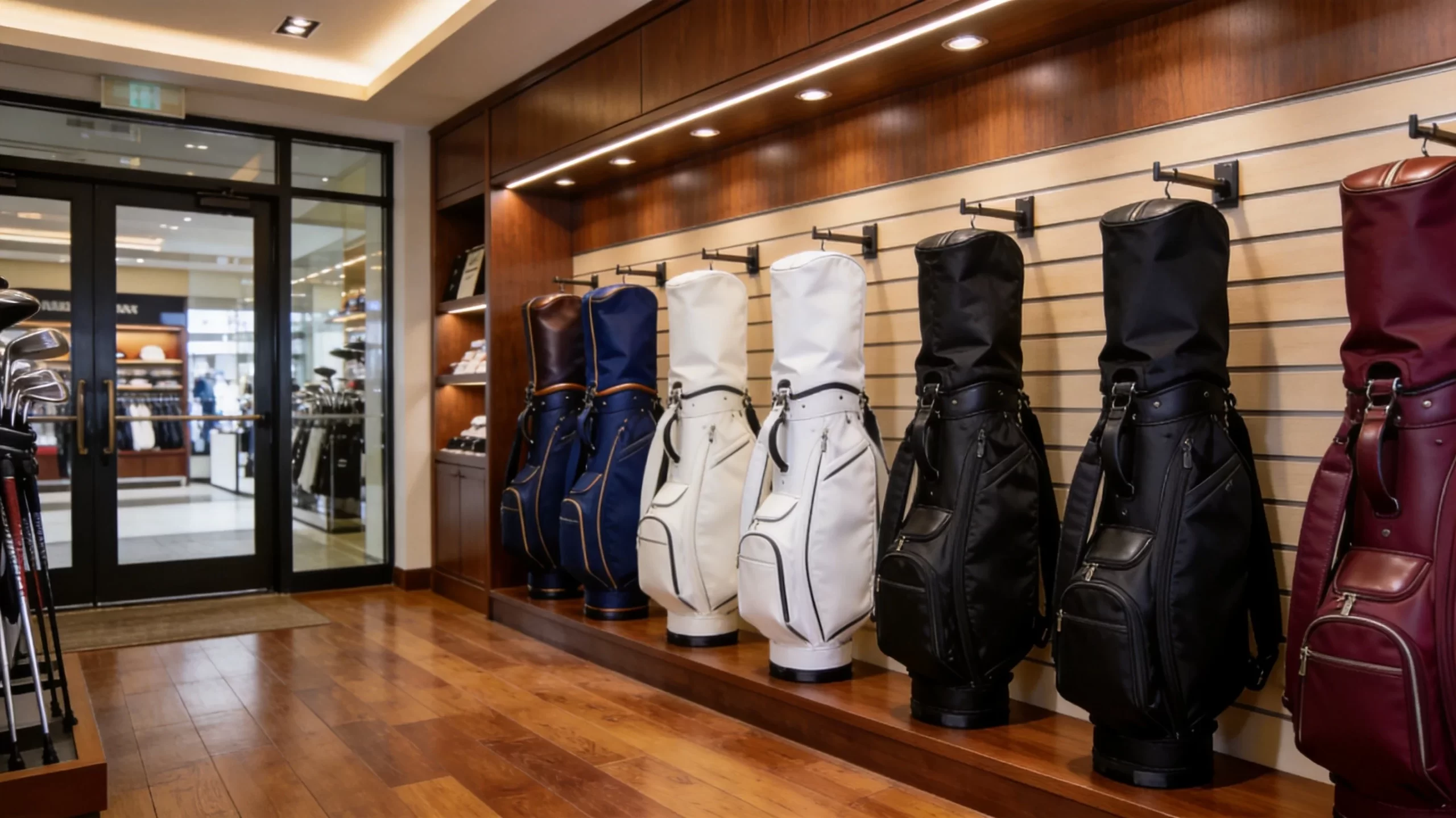
Zone 1: Wall Display (The Authority Zone)
Wall-mounted slatwall or pegboard systems are the backbone of golf bag merchandising. Bags hung at eye level (roughly 48–60 inches from the floor) receive the most visual attention. The key principle: premium bags belong at premium heights. Place your highest-margin, newest-arrival, or best-selling bag in the prime “golden zone” — center wall, eye level — and flank it with complementary colorways.
Zone 2: Floor Stand (The Experience Zone)
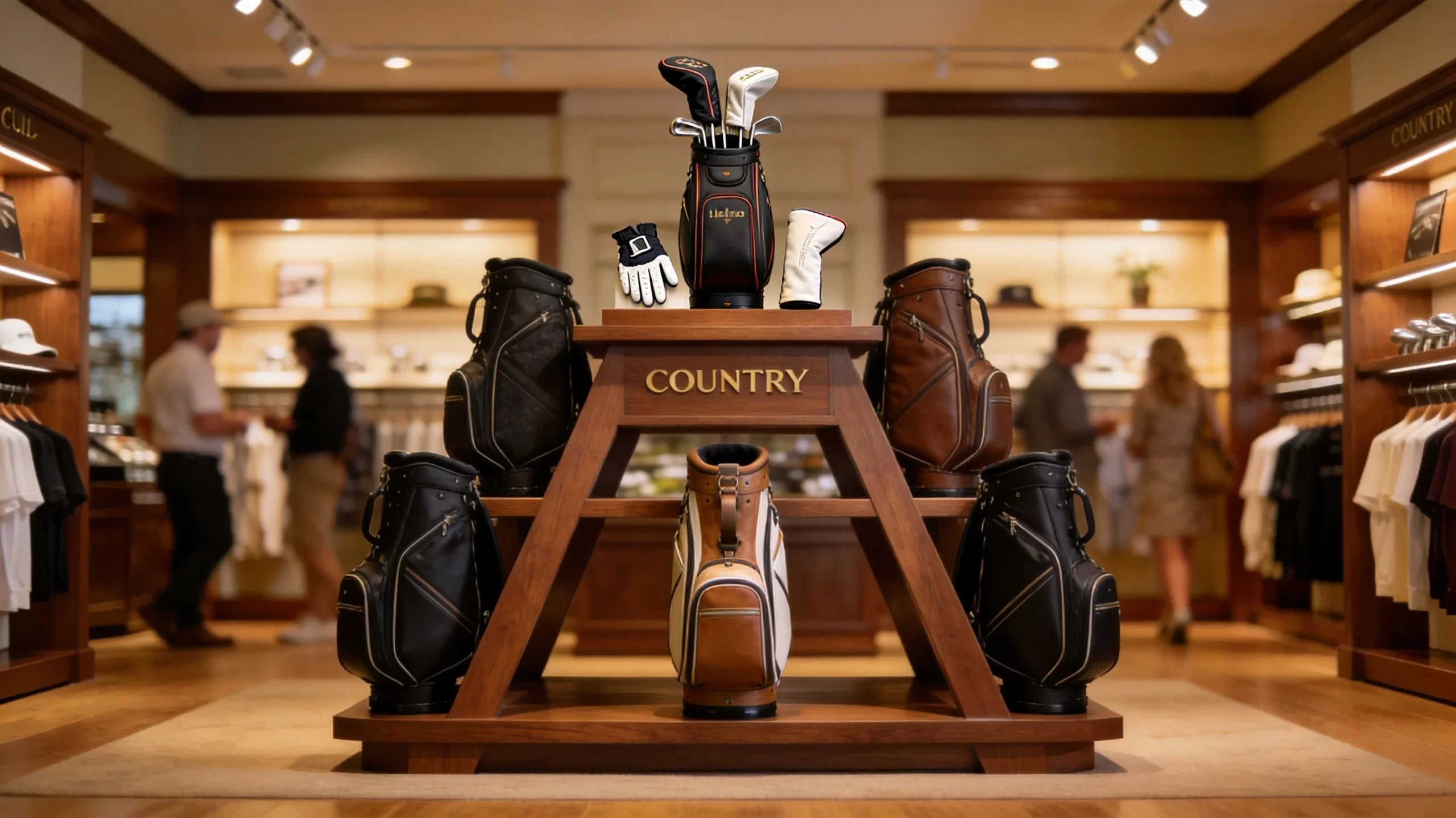
Floor displays serve a different function: they invite interaction. Freestanding racks or A-frame fixtures in the center of the shop allow customers to walk around, compare bags side by side, and visualize them with their own clubs. The most effective floor displays use the pyramid principle — a broad base of supporting products (gloves, headcovers, towels) leading up to a hero bag at the peak. As explained in AMG’s analysis of the Pyramid Principle in golf retail, triangular displays “naturally guide the eye upward, creating a sense of stability, flow, and harmony.”
Zone 3: Window & Entry (The Hook Zone)
Your front window and entrance decompression zone are prime real estate for storytelling. Avoid stuffing the entrance with product — retail researcher Paco Underhill’s concept of the “decompression zone” warns that customers entering a store cannot process merchandise within the first 5–15 feet. Instead, use this space for a single statement piece: a limited-edition bag, a seasonal hero, or a tournament-themed collection. Save the dense assortments for deeper in the shop where customers have mentally “arrived.”
Visual Hierarchy: Color Blocking, Price Tiering & Brand Grouping
Once your zones are defined, the next layer is how bags are arranged within each zone. Three proven techniques:
Color Blocking
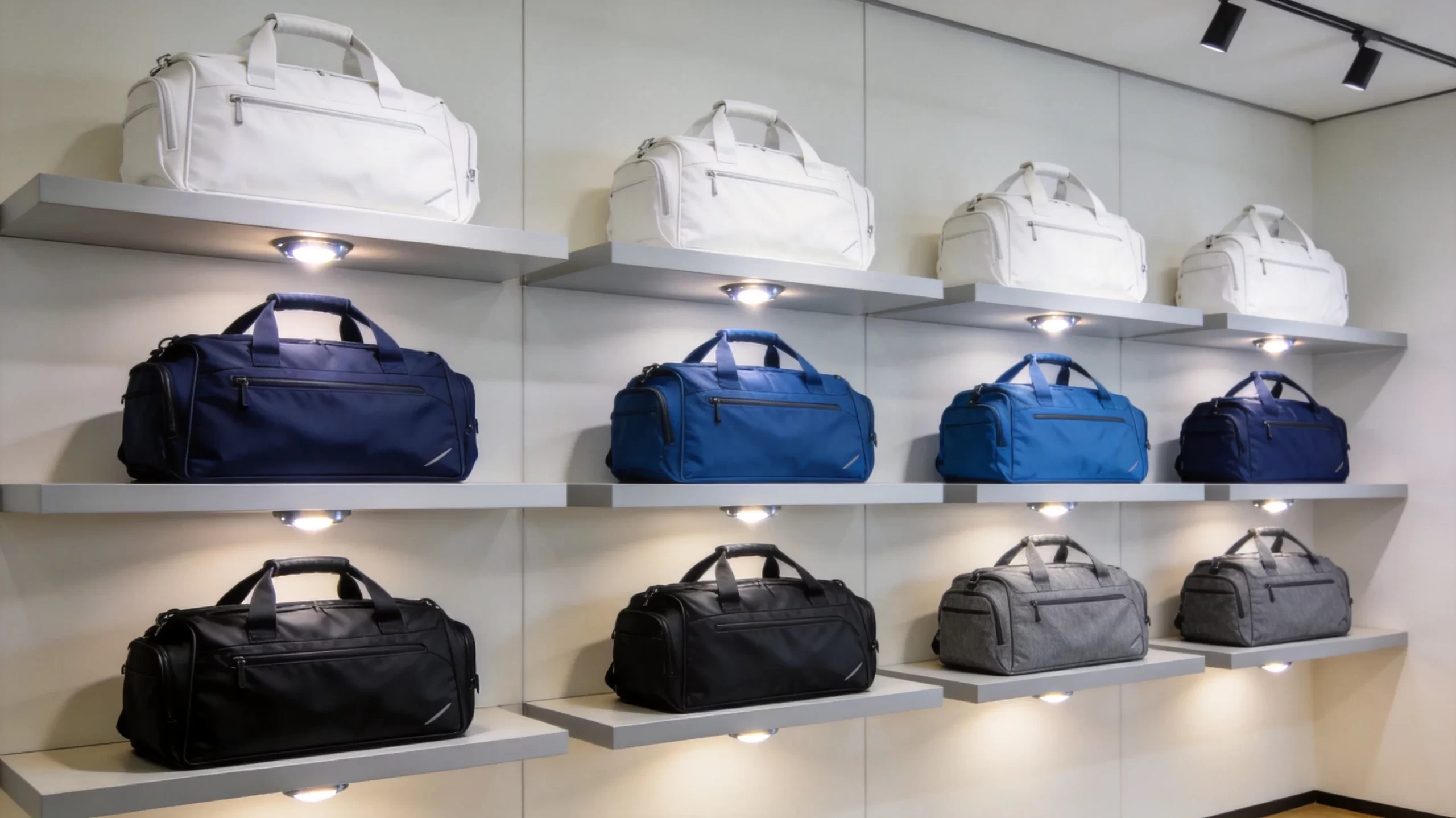
Group bags by dominant color family — whites and creams together, navies and blues together, blacks and charcoals together. Color blocking reduces cognitive load and lets customers self-select into their preferred palette before engaging with features. A clean white-to-black gradient across a wall is more visually arresting than a random mix of colors.
Price Tiering
Within each color group, arrange by price — low to high from left to right (matching Western reading direction). This creates a natural “upgrade path” where customers start with an accessible entry point and see premium options as they scan right. Tag each tier with a small, unobtrusive price marker.
Brand Grouping
If you carry multiple OEM or private-label lines, give each brand its own “neighborhood” with consistent signage. This prevents brand cannibalization and helps repeat customers find their preferred line quickly. For pro shops building a private label golf bag program, dedicating a branded zone reinforces the exclusivity of the offering.
High-Sell-Through vs. Low-Sell-Through Pro Shops: What’s Different?
Below is a practical comparison of merchandising practices observed in shops achieving 70%+ annual sell-through on golf bags versus those stuck below 45%.
| Dimension | High Sell-Through Shops (70%+) | Low Sell-Through Shops (<45%) |
|---|---|---|
| Display Rotation | Monthly refresh; seasonal full reset | Set once per season or less |
| Lighting | Dedicated LED spots per display unit | Ambient shop lighting only |
| Bag Orientation | All bags face forward, zippers accessible | Mixed orientation, some bags hidden |
| Accessory Cross-Merchandising | Gloves, headcovers, rain hoods at bag level | Accessories in separate aisle |
| Signage | Feature callouts (material, pockets, warranty) | Price tag only |
| Data Tracking | Weekly sell-through by SKU; OTB adjustments | End-of-season review only |
| Staff Training | Product knowledge + suggestive selling scripts | No formal training program |
The pattern is clear: high-performing shops treat merchandising as an operating system, not a one-time setup. Every element — from lighting angles to accessory placement — is intentional and reviewed on a regular cadence.
Seasonal Display Rotation: The 3-Phase Calendar
Golf bag demand follows a predictable seasonal rhythm. Shops that align their displays with this rhythm capture more attention and convert more browsers. Here’s a proven three-phase framework:
Phase 1: Spring Launch (February–April)
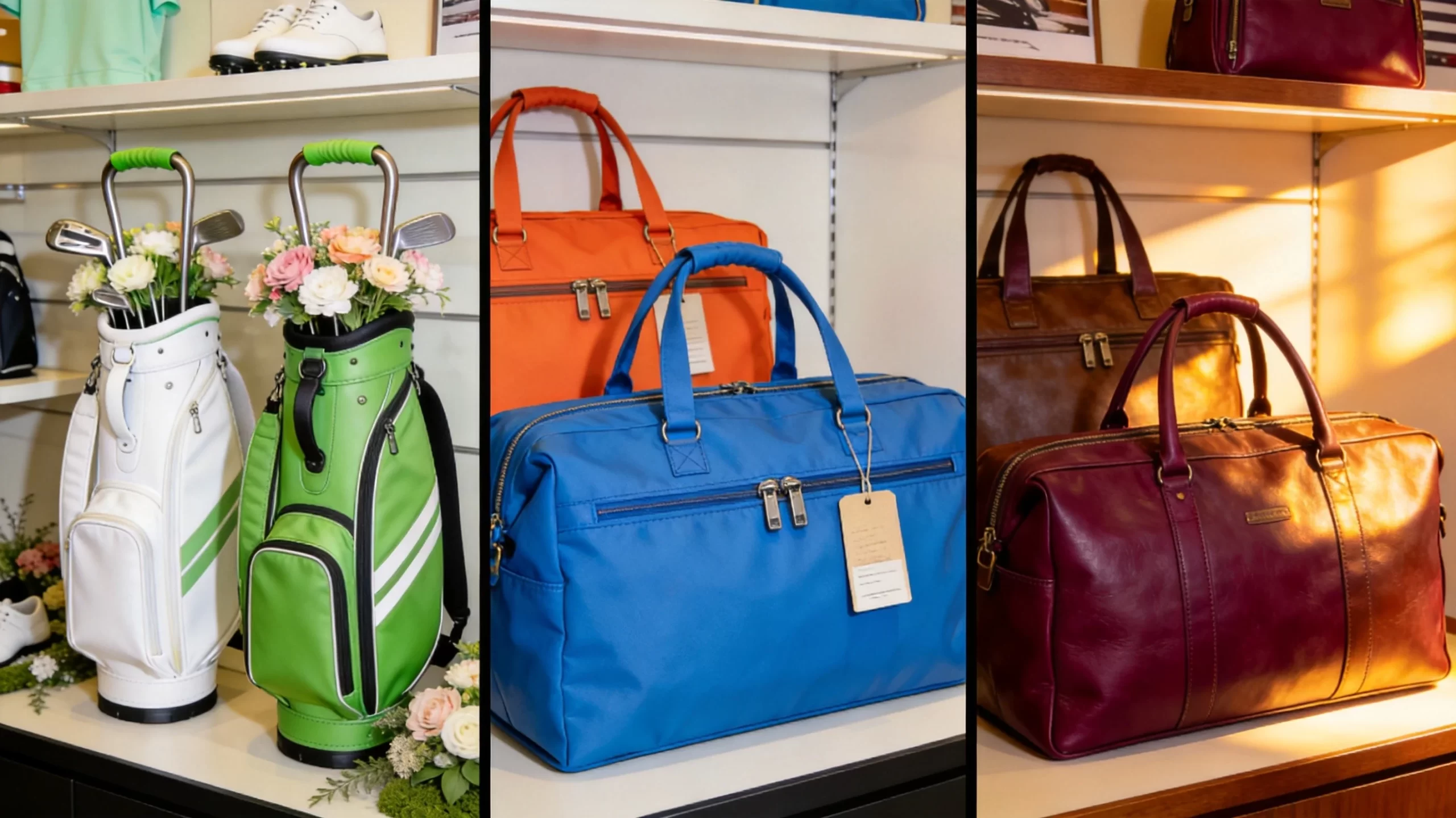
This is the single most important selling window for golf bags. Fresh arrivals should dominate prime display real estate. Use light, bright color palettes (whites, mint greens, sky blues) in signage and props. Launch events or “new arrival” signage with the first 10 SKUs create urgency. According to the 2026 PGA Merchandise Show, which drew over 40,000 attendees and 1,200 exhibitors, spring is when the majority of annual bag innovations hit the floor — your display should reflect that energy.
Phase 2: Summer Travel & Performance (May–August)
Shift focus to lightweight stand bags, travel bags, and tournament-ready options. Create a “summer travel” vignette with luggage tags, club brushes, and travel covers grouped around a hero travel bag. Use warmer tones and active lifestyle imagery. This is also the ideal time to plan your OEM/ODM refresh for the following spring — orders placed in summer arrive in time for the next launch window.
Phase 3: Fall Clearance & Preview (September–November)
Deep browns, burgundies, and leather tones signal the transition. Create a “best of the year” display featuring top sellers alongside a sneak peek of next spring’s line. Clearance items get their own section — never mix them with full-price inventory, as it erodes perceived value. Use this phase to gather member feedback on desired features for the coming year.
Designing the Trial & Experience Zone
Golf bags are tactile products. A customer who picks up a bag, feels the zipper pull, opens a pocket, and tests the strap adjustment is far more likely to buy than one who only looks. Dedicate a corner of your shop — even a 4×4 foot area — as an interactive trial zone.
- Stock demo clubs: Keep a set of irons and a driver in the zone so customers can load a bag and feel the balance.
- Sample materials swatches: Display fabric, leather, and nylon swatches next to finished bags so customers can touch the raw materials.
- Zipper & hardware demo: Let customers test YKK zippers, magnetic closures, and dividers. This is where component quality becomes a selling point — shoppers who feel premium hardware often upgrade to a higher tier.
- Mirror placement: A full-length mirror near the trial zone lets customers see how a bag looks slung over their shoulder — a powerful conversion tool.
POS Integration & Digital Signage
Modern pro shops are increasingly blending physical merchandising with digital touchpoints. Here are three high-impact integrations:
QR Codes on Display Tags
Each bag display tag can include a QR code linking to a video walkthrough of the bag’s features, a comparison chart, or the product page on your website. This extends the selling story beyond what fits on a physical tag.
Digital Price Boards
Small LCD screens near display zones can rotate through feature highlights, customer testimonials, and limited-time promotions. Unlike printed signage, digital boards can be updated in real time to reflect sell-through data — pulling items that are moving slowly and pushing items that need a nudge.
POS Data-Driven Reordering
Integrate your point-of-sale system with your inventory management to flag SKUs approaching sell-through targets. When a bag model hits 60% sell-through by mid-season, that’s a signal to reorder or expand the color range — not to mark it down.
Sell-Through Rate: How to Track and Optimize
Without measurement, merchandising is guesswork. Here’s the minimum KPI dashboard every pro shop should maintain for golf bags:
| KPI | Target | Review Frequency |
|---|---|---|
| Sell-Through Rate | ≥ 65% annually | Monthly |
| Inventory Turn | 3–5x per year | Quarterly |
| Average Transaction Value (ATV) | +10% YoY | Monthly |
| Units Per Transaction (UPT) | ≥ 1.5 (bag + accessory) | Monthly |
| Gross Margin by Category | 40–50% (bags) | Quarterly |
When sell-through on a specific SKU dips below 40% by mid-season, take action: rotate it to a secondary display, bundle it with a high-margin accessory, or apply a targeted markdown. The goal is to free up capital and shelf space for items with stronger demand signals. For shops sourcing through a wholesale golf bag supplier, strong sell-through data also strengthens your negotiating position for the next order cycle.
Small-Space Pro Shops: High-Impact Display in Under 500 Sq Ft
Not every pro shop has the luxury of a 2,000-square-foot showroom. For compact carts and small shops, every square foot must earn its keep.
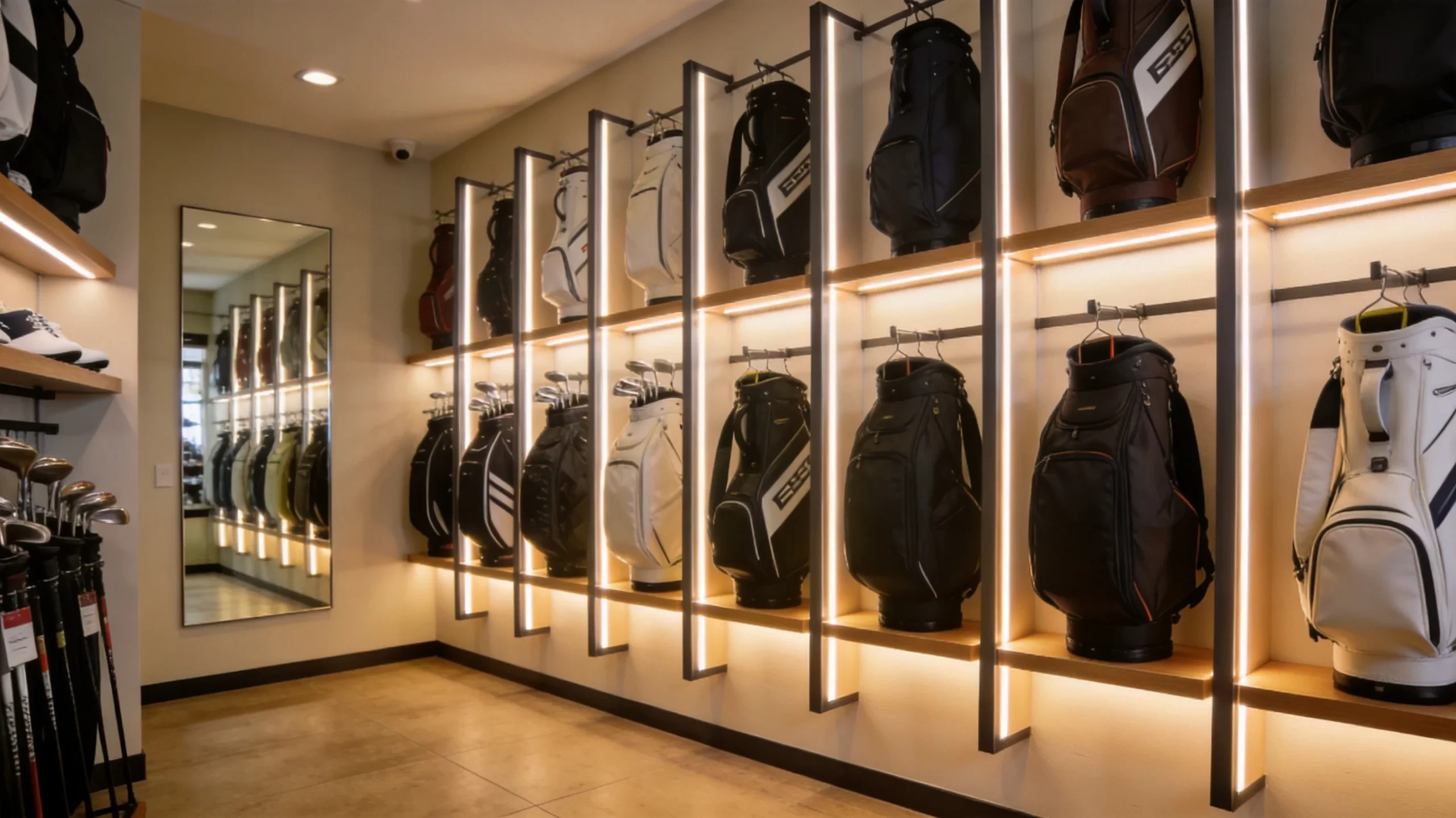
- Go vertical: Wall-mounted displays that reach 7 feet high multiply your display area without touching your floor footprint. Use the upper zones for “billboard” hero bags and the lower zones for accessible try-me stock.
- One-in, one-out rule: In tight spaces, never add a new bag without removing an underperformer. Maintain a strict SKU cap (e.g., 12–15 active bag SKUs) to avoid a cluttered, overwhelming feel.
- Multipurpose fixtures: A bag display rack that also holds gloves and headcovers on its sides does the work of three separate fixtures.
- Mirror trick: A strategically placed mirror can make a small shop feel twice as large and doubles the visibility of your display.
- Rotate hero weekly: In a small shop, swapping the single hero bag on your prime display every week keeps regular members engaged and creates a “what’s new this week” habit.
Even in the smallest pro shop, the fundamentals still apply: clean displays, intentional lighting, seasonal relevance, and data-driven assortment. The constraint of space simply demands greater discipline in execution.
The Supplier Side: How Merchandising-Ready Bags Drive Faster Turnover
From a supplier perspective, golf bags that arrive with retail-ready features — consistent branding panels, standardized dimensions for slatwall hooks, premium zipper pulls visible at a glance — give pro shops a head start on effective merchandising. For pro shops and distributors building or refreshing their bag assortment, working with a golf bag manufacturer that understands retail display requirements can shorten the path from order to on-floor revenue. This includes considerations like custom cart bag configurations that align with your shop’s display fixtures, as well as material choices that photograph well under retail lighting.
Whether you’re a club professional setting up your first seasonal display or a retail chain optimizing across multiple locations, the principles above provide a repeatable framework for turning golf bag inventory into consistent, high-margin revenue. The shops that win are the ones that treat merchandising not as decoration, but as a core operational discipline.
Frequently Asked Questions
What is a good sell-through rate for golf bags in a pro shop?
A strong annual sell-through rate for golf bags in a pro shop is 65% or higher. Top-performing shops consistently achieve 70–80%, while shops below 45% should reassess their merchandising, pricing, and assortment strategy. Monthly tracking allows mid-season adjustments before inventory becomes dead stock.
How often should a pro shop rotate its golf bag display?
Best-in-class pro shops perform a full seasonal reset three times per year (spring launch, summer travel, fall clearance) and do minor refreshes monthly — such as swapping the hero bag, updating signage, or rearranging color blocks. Even a small change every 4–6 weeks signals freshness to regular members.
What is the best height to display golf bags on a wall?
The “golden zone” for golf bag display is 48–60 inches from the floor — roughly eye level for an average adult. Premium or new-arrival bags should occupy this zone. Bags can extend higher (up to 7 feet) for visual impact, but the most shoppable range is between chest and eye height.
How many golf bag SKUs should a small pro shop carry?
For shops under 500 square feet, a SKU cap of 12–15 active golf bag models is recommended. This avoids visual clutter while providing enough variety across bag types (stand, cart, Sunday, travel) and price points. Apply a strict one-in, one-out rule to maintain assortment discipline.
What accessories should be cross-merchandised with golf bags?
The highest-converting accessory pairings at bag level include: golf gloves (impulse add-on), headcovers (visual complement), rain hoods (functional bundle), club brushes, and luggage tags for travel bags. Placing these items directly on or beside the bag display increases Units Per Transaction and creates a “complete kit” impression that justifies the bag’s price point.
Ready to Build a Merchandising-Ready Bag Line?
Whether you’re refreshing an existing assortment or launching a new private-label program, the right product partner makes the difference between a bag that sits and a bag that sells. KeepPerfect Golf brings 22+ years of manufacturing expertise, partnerships with 200+ brands across 100+ countries, and a deep understanding of what makes a golf bag perform on a pro shop floor — from hardware selection to color palette to retail-ready packaging. FOB Xiamen, MOQ 100 pieces, with full OEM/ODM customization.
📧 [email protected] | WhatsApp: +86 17750020688
Related Products
Explore our manufacturing capabilities in this category:
 Premium Stand Bag
 Ultra-Light Stand Bag
 Hybrid Stand Bag
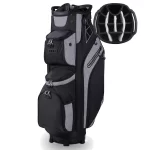 Rain-Resistant Stand Bag
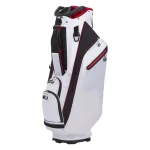 Premium Tour Cart Bag
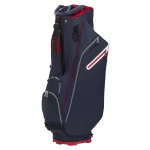 Lightweight Cart Bag
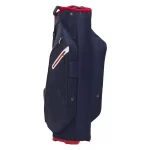 Waterproof Cart Bag
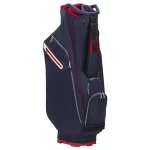 Staff Cart Bag
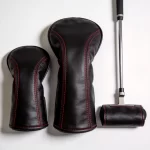 Custom Golf Headcovers Set
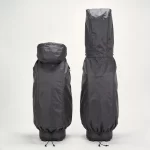 Golf Bag Rain Cover
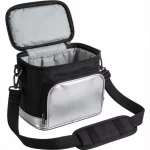 Golf Cooler Bag
Need custom golf bags? Contact us for OEM/ODM quotes — MOQ 100pcs, FOB Xiamen.