Solar-powered golf bags are transforming the game by combining functionality with eco-friendly materials. These bags feature built-in solar panels, battery banks, and USB ports, allowing golfers to charge devices like smartphones, GPS units, or rangefinders directly on the course. Weighing about 5–5.5 pounds, they are lightweight yet packed with tech. Prices range from $250 for entry-level models to $800 for premium designs, with some crafted from recycled materials like plastic bottles.
Key Points:
- Charging on the go: Solar panels provide steady power for devices during a typical 4–5 hour game.
- Eco-friendly design: Many bags use recycled materials, such as ocean plastics.
- Weather-resistant: Panels and batteries work even on cloudy days, with some models rated for heavy rain.
- Wide price range: Options start at $250 and go up to $800 for high-end leather models.
- Extra features: Wireless charging pads, multiple USB ports, and trade-in programs for old bags.
These bags are ideal for golfers who rely on electronic devices or prefer walking the course. They offer convenience and align with growing interest in renewable energy and sustainable practices. As solar technology advances, expect even more efficient designs and features in the future.
This Bag Fixes EVERYTHING Wrong with Golf Bags!
How Solar Panels Work in Golf Bags
Solar panels integrated into golf bags harness sunlight, converting it into electricity that gets stored in a built-in battery. This stored energy powers USB ports and wireless charging pads, ensuring your devices stay charged while you’re on the course. As long as the panels are exposed to light, they keep generating energy. Some high-end models even allow you to monitor solar intensity in real time and see exactly how much battery life you’ve gained through solar charging. Next, let’s dive into the types of solar panels used in these bags and how they convert sunlight into usable energy.
Types of Solar Panels and Their Efficiency
Most solar golf bags feature thin-film solar panels. These panels are lightweight and flexible, making them ideal for the curved surfaces of a golf bag. While thin-film panels are less efficient than the rigid monocrystalline panels typically found on rooftops, their design prioritizes portability and ease of use.
These panels work best in direct sunlight but can still generate energy on cloudy days. For instance, devices like the Garmin Approach G20 Solar handheld GPS (priced between $299.99 and $375) can achieve unlimited battery life when exposed to continuous bright sunlight, at around 75,000 lux. Even in less-than-ideal conditions, this device can power through up to 36 rounds without needing a traditional charge.
Battery Storage Systems
The energy captured by the solar panels is stored in lithium-ion or lithium-polymer batteries integrated into the golf bag. These batteries act as a backup, providing power even when sunlight is scarce. Equipped with power management systems, the batteries ensure efficient energy distribution across multiple charging ports.
Depending on the model, these batteries can fully charge a smartphone several times or power a Bluetooth speaker for up to 8 hours of continuous use. With the smart golf equipment market projected to grow by 15% annually through 2027, and with over 35% of golfers showing interest in these features, it’s clear that reliable battery storage is a game-changer.
Charging Ports and Compatible Devices
Solar golf bags typically include USB-A, USB-C, and wireless charging pads, covering a wide range of devices. Whether it’s your smartphone, GPS unit, rangefinder, smartwatch, or even a tablet, these bags ensure your gadgets stay powered throughout your game.
Take the MNML MR1, for example, launched in October 2024 at $350. This bag includes a dedicated phone holder, allowing you to record swing videos hands-free while your phone charges. For added convenience, the wireless charging pads are Qi-compatible, letting you power up your phone without dealing with cables.
"The solar-powered display makes it easy to stay on the course for an extra 18 holes or even stash it in a golf bag after the round without worrying about recharging before the next tee time." – Dan Bartel, Vice President of Global Consumer Sales at Garmin
Design and Manufacturing Factors
Creating a solar golf bag involves juggling several priorities: generating power efficiently, ensuring durability, and maintaining ease of use. Manufacturers need to carefully consider where to place the solar panels, select materials that can handle various weather conditions, and offer customization options – all without sacrificing performance. Let’s dive into the key elements: panel placement, material selection, and custom design features.
Where to Place Solar Panels on Golf Bags
The placement of solar panels is crucial for consistent power generation. Typically, the best spots are the bag’s exterior side panels or the top pocket flaps. These areas allow the panels to capture sunlight effectively, whether the bag is upright on a stand or secured to a cart. However, this design comes with challenges. Panels must be positioned in a way that doesn’t obstruct access to the 14-club dividers or interfere with the bag’s stand mechanism. For stand bags, manufacturers often make design tweaks to preserve the functionality of the built-in stand. On the other hand, cart bags offer more surface area, making it easier to install larger panels, provided they are placed to avoid shading.
Materials and Weather Protection
Solar golf bags are built to handle the unpredictable weather conditions golfers often face across the U.S. For example, the MNML MR2, priced at $349.00, uses 100% recycled ripstop nylon sourced from ocean plastics and discarded fishing nets. This fabric ensures the bag is resistant to tears and wear. Similarly, Sun Mountain’s Eco-Lite bags incorporate nearly 30 recycled plastic bottles into the fabric of each bag, showcasing a commitment to sustainability.
When it comes to electronics, high-end solar components in these bags often boast an IPX7 water rating. This means they can endure heavy rain and strong winds without sustaining damage. To reduce potential failure points, some brands – like MNML Golf – opt for magnetic pocket closures instead of traditional zippers. This not only prevents damage from broken zippers but also makes the bags easier to clean and helps maintain the look of lighter-colored fabrics.
Custom Solar Golf Bags from Keep Perfect Golf
Keep Perfect Golf takes customization to the next level by offering tailored solar-powered bags through their OEM/ODM services. Customers can choose eco-friendly materials, such as recycled ripstop nylon, and personalize their bags with corporate logos, player initials, or team-specific color schemes. The process covers everything from design and sampling to production, inspection, packaging, and global delivery.
For a unique touch, customization options include hand-painted artwork created by local artists. Impressively, some manufacturers dedicate 100% of the customization fees to the artists themselves. This allows golf courses, corporate sponsors, or individual players to create one-of-a-kind bags while supporting local talent. Importantly, these personalized designs are crafted to retain the full functionality of the solar components. Keep Perfect Golf also enforces strict quality control during production to ensure that the solar features remain intact and effective, regardless of the design modifications.
sbb-itb-4fa7e8b
Benefits of Solar Golf Bags for Players
Keeping Devices Charged During Play
Solar golf bags tackle the all-too-common issue of dead batteries on the course. With built-in solar panels connected to USB charging ports or portable battery banks, they ensure your GPS units, smartphones, and rangefinders stay powered up. Forget the hassle of extra cables or pre-charging at home – these bags provide an effortless way to keep your devices charged throughout your game.
Some models even include waterproof Bluetooth speakers that run longer on solar power. For example, the Garmin Approach G20 Solar handheld GPS, priced at $299.99, highlights the capabilities of solar charging for extended play. Dan Bartel, Garmin’s Vice President of Global Consumer Sales, expressed the innovation behind this device:
"We’re excited to introduce the Approach G20 Solar, our first GPS golf handheld with an innovative solar-powered display that gives golfers the ability to play longer than ever before."
Environmental Benefits of Solar Power
Solar golf bags offer more than just convenience – they’re a step toward a greener future. By using renewable energy, they cut down on electricity consumption and eliminate the need for disposable batteries. Many brands go even further by incorporating recycled materials into their designs. Take the MNML MR1, for instance, which is made entirely from recycled fabrics.
The shift toward solar-powered golf gear reflects a growing trend. The smart golf equipment market is expected to grow by 15% annually through 2027, with over 35% of golfers showing interest in solar charging features. Choosing solar golf bags not only supports sustainable practices but also aligns with the growing demand for eco-friendly, high-performance gear.
How Solar Bags Perform in U.S. Weather
These bags are designed to handle a variety of weather conditions across the United States. Thanks to advanced solar panel technology, they deliver consistent power whether you’re playing under sunny skies or dealing with overcast weather. Even in less-than-ideal conditions, high-efficiency systems ensure reliable charging. Plus, many models, like the MNML MR1, come with an IPX7 water rating, meaning they can withstand light to steady rain.
For added convenience, golfers can store their solar bags near windows or in vehicles between rounds to maintain a trickle charge. This ensures your devices are always ready to go, no matter the weather or location. In urban settings like New York City, these bags have proven their reliability, even when weather conditions shift unexpectedly.
Conclusion: What’s Next for Solar Golf Bags
Key Takeaways
Solar golf bags bring three standout advantages to the table: they keep your devices powered up throughout your game, contribute to eco-conscious practices by leveraging renewable energy and recycled materials, and are built to withstand a variety of weather conditions across the U.S., thanks to water-resistant designs and panels that can function even on overcast days.
Prices for these bags vary depending on their features and environmentally friendly designs. They’re especially useful for golfers who rely on electronic devices during their rounds, offering both practicality and sustainability.
The Future of Solar Golf Technology
The future of solar golf bags looks bright, with advancing technology set to improve solar charging efficiency. Next-generation designs are expected to provide nearly limitless battery life under optimal conditions. Take the Garmin Approach G20 Solar, for example. Released in January 2025 with a price tag of $299.99, it boasts up to 36 rounds of play on a single charge – even without solar support. Early tests suggest impressive battery performance, even with minimal sunlight.
Upcoming models will also introduce real-time "Solar Intensity" monitoring, which will let golfers see how efficiently their bags are charging based on current light exposure. In direct sunlight, charging efficiency could exceed 150%, while cloudy skies might only offer 3–5%. Additional features like integrated 5G connectivity and "Find My" tracking are also on the horizon, promising greater convenience.
With continued improvements in solar panel technology and battery capacity, these innovations are set to make solar-powered golf bags even more practical and environmentally friendly.
FAQs
Can solar panels in golf bags still work on cloudy days?
Yes, solar panels built into golf bags can still generate energy on cloudy days, though they’re not as efficient as they are under direct sunlight. The photovoltaic cells are capable of capturing diffuse or reflected light, which means they can provide enough power to slowly charge devices like phones, GPS units, or rangefinders. That said, the energy output typically drops to around 10–25% of their maximum capacity, so charging will take more time.
Interestingly, a bit of rain can actually help. It washes away dust and debris that might block sunlight, keeping the panels ready to perform better when the sun reappears.
What devices can you charge with a solar-powered golf bag?
Golf bags equipped with solar panels are a game-changer for staying powered up on the course. They allow you to charge essential devices like your smartphone, GPS units, or rangefinders, so you’re always connected and ready to play. Some even come with extras like Bluetooth speakers that can draw power directly from the bag, adding a touch of entertainment to your round.
Are solar-powered golf bags made with eco-friendly materials?
Many solar-powered golf bags today are crafted with a focus on eco-friendly practices. Manufacturers are turning to recycled materials, non-toxic finishes, and even renewable energy sources during production to minimize their environmental impact. This shift reflects a growing commitment to reducing waste and preserving resources.
The solar panels integrated into these bags produce clean, emission-free energy, which can help make your golf game a bit greener. While the materials and methods used may differ from brand to brand, the industry is clearly leaning toward designs that balance practicality with a more environmentally conscious approach.
Related Blog Posts
- The Rise of Eco-Friendly Golf Bags: Sustainable Materials & Case Studies
- Emerging Trends in Golf Bag Design and Technology for 2024: What’s Next?
- Smart Features in Golf Bags: Integrating Technology for Modern Golfers
- USB Charging Ports in Golf Bags: Convenience on the Course
Related Resources
Related Products
Explore our manufacturing capabilities in this category:
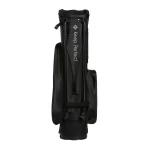 Premium Stand Bag
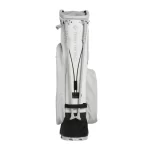 Ultra-Light Stand Bag
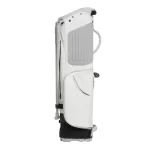 Hybrid Stand Bag
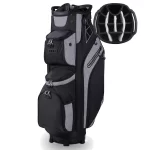 Rain-Resistant Stand Bag
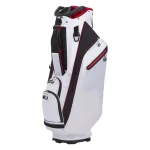 Premium Tour Cart Bag
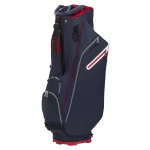 Lightweight Cart Bag
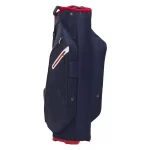 Waterproof Cart Bag
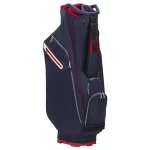 Staff Cart Bag
Need custom golf bags? Contact us for OEM/ODM quotes — MOQ 100pcs, FOB Xiamen.