Golf bags endure constant wear and tear, from rough paths to unpredictable weather. To ensure reliability, manufacturers test materials, stitching, hardware, and weather resistance rigorously. Here’s a quick breakdown:
- Material Strength: Fabrics must handle abrasion, tearing, and tension. Nylon is preferred for its durability, with materials meeting 30,000+ Martindale rubs and 200 Newtons of tensile strength.
- Stitching Quality: Seams and stitching are tested for stress tolerance (150-300 Newtons) and inspected for defects like skipped stitches or weak tension.
- Hardware Durability: Zippers, buckles, and fasteners are tested for cycle endurance, weight tolerance, and corrosion resistance using methods like ASTM standards.
- Weather Resistance: Waterproofing, UV stability, and temperature tolerance ensure bags withstand rain, sun, and extreme temperatures.
A well-tested golf bag can last 5–10 years, protecting your clubs and ensuring performance on the course.
How Much Abuse Can a Golf Travel Bag REALLY Take?
sbb-itb-4fa7e8b
Testing Material and Fabric Strength
Golf bags go through a lot – rubbing against cart straps, scraping along concrete paths, and being crammed into tight trunk spaces. To ensure they can handle this wear and tear, manufacturers rigorously test the materials for abrasion resistance and tear strength before the bags hit the shelves. Let’s break down how these properties are evaluated.
Abrasion Resistance Testing
Abrasion resistance testing checks how well a fabric holds up against repeated friction. Two main methods dominate this testing: the Martindale test and the Taber test.
- The Martindale test uses a figure-eight motion to rub the fabric from all directions, simulating real-world wear.
- The Taber test, on the other hand, uses weighted abrasive wheels, making it especially effective for coated materials.
The results are measured in "rubs" or "cycles", with higher numbers signaling better durability. For golf bags, materials should ideally withstand 30,000 to 40,000 rubs on the Martindale test to meet heavy-duty standards. Nylon leads the pack as the most abrasion-resistant fabric, followed by polypropylene and polyester. Natural fibers like cotton, however, fall short in this area.
Here’s a quick reference for Martindale rub scores:
| Martindale Rub Score | Recommended Use Case | Suitability for Golf Bags |
|---|---|---|
| < 10,000 | Decorative / Accents | Poor (Not recommended) |
| 10,000 – 20,000 | Light Domestic / Occasional Use | Low (Lightweight carry bags only) |
| 20,000 – 30,000 | General Domestic / Regular Use | Moderate (Standard consumer bags) |
| 30,000+ | Commercial / Heavy Duty | High (Premium/Professional bags) |
| 40,000+ | High-Traffic Commercial | Excellent (Extreme durability) |
Tear and Tensile Strength Analysis
While abrasion tests focus on surface durability, tear and tensile strength tests evaluate how well the fabric holds up under tension. Tensile strength measures the maximum force a material can endure before snapping. For golf bags, the fabric should meet a minimum tensile strength of 200 Newtons to ensure reliability.
The Grab Test (ASTM D5034) is a popular method for measuring breaking strength in woven fabrics, as it accounts for the support provided by neighboring yarns. For tear resistance, methods like the Trapezoid Procedure (ASTM D5587) and Tongue Procedure (ASTM D2261) are used. These tests rely on a Constant-Rate-of-Extension tensile machine to measure the force needed to extend a tear. High-quality fabrics excel in these tests, ensuring the bag remains intact even under heavy loads.
Checking Stitching and Seam Quality
Once you’ve ensured the fabric is durable, the next step is to inspect the stitching and seams. These elements are crucial for the bag’s ability to handle stress without falling apart. Even the strongest fabric won’t matter if the stitching gives way during regular use. A well-made golf bag should tolerate a minimum tensile force of 150 Newtons without tearing or slipping more than 1 cm. For strap attachment points, the requirement is even higher – at least 300 Newtons. After fabric tests, focus on the stitching to confirm the bag’s overall durability.
Visual Inspection for Stitch Consistency
Start by examining the stitch lines across the bag. Look for straight, evenly spaced stitching, as this reflects proper tension and solid construction. Run your fingers along the seams to check for any loops or loose threads – these are signs of weak tension that could lead to failure. Pay special attention to high-stress areas like strap mounting points, handle attachments, and pocket corners. These spots should have bartack reinforcement, a tight zigzag stitch designed to prevent localized wear and tear.
Watch for common defects that indicate poor workmanship. Skipped stitches can leave gaps that might tear under pressure, while "seam grin" (visible gaps when gently pulling the fabric) suggests weak construction and possible slippage. Tiny pinholes caused by needle perforation can weaken the fabric and affect its tear resistance. Tangled threads can also create bulk and lead to faster wear over time.
Seam Strength Testing
A simple way to test seam strength is to pull the fabric perpendicular to the seam. If you notice any separation, the stitch density is likely inadequate .
For a more precise evaluation, professionals use the ASTM D1683 Grab Test. This test involves clamping a fabric sample between grip jaws set 3 inches apart and pulling it at a constant speed of 12 inches per minute until the seam breaks. The breaking force is then compared to the strength of the base fabric to assess seam efficiency. For waterproof bags, inspect the interior for a thin, rubbery seam tape covering the stitching. If this tape is peeling or missing, the bag may leak, no matter how strong the fabric is.
Testing Hardware and Accessory Durability
After evaluating fabric and stitching, it’s crucial to test the durability of hardware components to ensure the bag can handle everyday wear and tear. Zippers, buckles, and clasps endure constant use – whether it’s opening a pocket or adjusting a strap. Weak hardware can undermine the entire bag’s performance, so these elements deserve just as much attention as the fabric. Fasteners and connectors should also be rigorously examined.
Zipper and Fastener Strength
Zippers undergo a lot of stress, so testing them thoroughly is essential. Run zippers through 10,000 to 25,000 cycles and suspend a 22-33 lb weight on them for 24 hours to check for issues like slider deformation or tape separation. To test the bond strength, close the zipper fully and pull the fabric tape on both sides apart. If the teeth pop open or the slider slips, the zipper isn’t reliable and might fail during use. Also, ensure the top stop is secure enough to prevent the slider from detaching at the end of its track.
Metal hardware, like buckles and clasps, can corrode over time, especially in humid or coastal environments. To test corrosion resistance, use a salt-spray chamber following ASTM B117 standards – this simulates about five years of exposure in just 200 hours. For side-release buckles, use a force gauge to measure tensile strength; they should withstand at least 200 Newtons (45 lbs) before breaking.
Impact and Drop Testing
Beyond cycle tests, impact and drop tests simulate the stress hardware faces in real-world conditions. Drop a 22-lb weight from 3.3 feet onto D- and O-rings three times to see if they deform. Plastic buckles can be especially brittle in cold temperatures, so freeze them to 14°F before testing rapid opening and closing cycles to check for cracking.
For zippers, ensure the slider stays attached and the teeth remain locked after impact testing. Apply pressure from different angles to confirm the pull tab stays secure. Hardware should also operate smoothly – any squeaking might indicate internal friction, which could lead to failure over time.
Testing for Weather Resistance and Waterproofing
Once the fabric, stitching, and hardware have proven their durability, the next step is testing how well the bag withstands outdoor elements. Weather can take a toll on golf bags if they’re not built to handle rain, sun, and temperature changes. By examining these factors, you can ensure your bag will protect your clubs for years to come.
Waterproofing and Moisture Resistance
Waterproofing tests help differentiate between basic water repellency and full waterproof protection. One common method is the AATCC TM22 spray test, which evaluates how well water beads up and rolls off the fabric. This is done by spraying water on a stretched piece of fabric and comparing the resulting pattern to standard images for reference.
For a deeper dive, hydrostatic pressure testing (AATCC TM127) measures how much water pressure a fabric can endure before it starts to leak. Results are categorized into three levels of protection:
- Basic: 1,000–3,000 mm
- Standard: 3,000–10,000 mm
- Premium: Over 10,000 mm.
Additional features like taped seams and rubberized zippers with "zipper garages" (fabric hoods that shield zippers) enhance waterproofing. Want to test at home? Pour water on a small, hidden section of your bag. If the water beads and rolls off, the waterproofing is intact. If it soaks in, consider reapplying a silicone- or fluoropolymer-based waterproof spray.
UV and Temperature Resistance
Prolonged exposure to sunlight can fade colors and weaken materials, making UV resistance a critical factor. Using UV stability testing (ASTM G155), materials are exposed to simulated sunlight – often through Xenon arc lamps – for 500 hours or more. This process helps evaluate color fading and any loss in mechanical strength.
Temperature testing is equally important. High temperatures can cause adhesives to fail or materials to soften, while freezing conditions may lead to cracking. Specialized tests identify how materials handle these extremes. For instance, plastic buckles and bonded seams are often the first to fail under thermal stress. UV rays can also degrade polymers, breaking them down and reducing their strength.
Testing chambers typically simulate harsh conditions, operating at 104–122°F (40–50°C) with 60–80% humidity to speed up wear and tear. After cold exposure, it’s a good idea to test zippers and buckles for brittleness, as freezing temperatures can make these components fragile.
At Keep Perfect Golf, we put every bag through these rigorous tests to ensure they hold up in demanding outdoor environments.
Conclusion
Durability testing plays a key role in protecting your golf equipment and ensuring you get the most out of your investment. Golf bags designed to meet industry benchmarks – like fabrics rated at 200 N, seams at 150 N, and straps at 300 N – are built to last between 5 and 10 years. By rigorously testing materials, stitching, hardware, and weather resistance, manufacturers ensure that each bag delivers top-tier performance on the course.
With high-quality manufacturing practices, nearly 98.5% of products meet quality standards with minimal defects. This combination of robust material testing and precise hardware inspections transforms a seasonal accessory into a reliable, long-term investment.
"When durability leads the design, performance follows naturally." – Best Golf Clubs
At Keep Perfect Golf, we incorporate these rigorous testing standards into every step of production. From precision cutting systems with tolerances as tight as ±0.5 mm to multi-stage quality checks, every bag is crafted to withstand tough conditions. Whether it’s heavy rain with waterproof ratings exceeding 10,000 mm or intense sun exposure, these features ensure your gear holds up. The result? A dependable golf bag that lets you focus on your game, knowing it will perform round after round.
FAQs
How can I test golf bag durability at home?
To check the durability of a golf bag at home, begin with the zippers – make sure they glide smoothly without snagging. Next, test the straps by carrying the bag loaded with varying weights to ensure they remain secure and feel comfortable. Place golf clubs inside to assess the bag’s balance and stability. Lastly, examine the stitching and material closely for any signs of wear or weakness, and see how well it handles both stress and weight.
What Martindale rub score is “good” for a golf bag?
A Martindale rub score measures the durability of a material by testing its resistance to wear and tear. For light use, a score between 10,000 and 15,000 is sufficient. Materials with scores of 15,000 to 20,000 are better suited for moderate wear, while those in the 25,000 to 30,000 range can handle heavy use effectively. If a material scores between 50,000 and 100,000, it’s built to endure the most demanding conditions, making it an excellent choice for high-performance items like golf bags.
How do I know if my golf bag is truly waterproof?
To determine if your golf bag is waterproof, start by examining its materials and design. Check for water-resistant fabrics such as treated nylon or PVC, which are often used to repel moisture. Pay close attention to the seams and zippers – sealed seams and waterproof zippers are essential for keeping water out.
You can also perform a simple test: spray water onto the bag’s surface. If the water beads up and doesn’t soak in, the material is doing its job. Lastly, inspect the seams and zippers closely. Look for heat-welded seams and high-quality waterproof zippers, as these features are critical for ensuring your gear stays dry.
Related Blog Posts
- Waterproof Golf Bags: How Custom Materials Protect Your Gear in Rain
- Seam Durability vs. Stitching Strength: Key Differences
- Step-by-Step Guide to Designing a Durable Golf Stand Bag from Concept to Reality
- Inside Look: The Full Manufacturing Process of Golf Bags Explained
Related Resources
Related Products
Explore our manufacturing capabilities in this category:
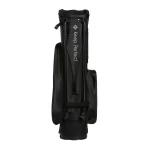 Premium Stand Bag
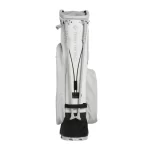 Ultra-Light Stand Bag
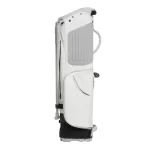 Hybrid Stand Bag
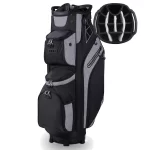 Rain-Resistant Stand Bag
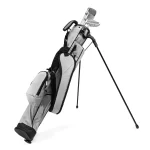 Classic Sunday Carry Bag
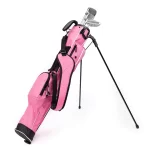 Ultra-Light Sunday Bag
Need custom golf bags? Contact us for OEM/ODM quotes — MOQ 100pcs, FOB Xiamen.