Want to improve your golf game? Start with your bag. A well-organized golf bag saves time, protects your clubs, and reduces strain on your shoulders. Here’s how to get it right:
- Assess Your Bag: Identify your bag type (stand, cart, Sunday, or tour) and understand its divider system.
- Arrange Clubs: Place longest clubs (driver, woods) in the back and shortest (putter, wedges) in the front for easy access and balance.
- Use Pockets Efficiently: Assign specific items to designated pockets – balls in the ball pocket, valuables in the fleece-lined pocket, and drinks/snacks in the cooler pocket.
- Balance Weight: Position heavier items like woods near the straps and distribute accessories evenly for comfort.
- Maintain Your Bag: Clean it regularly, store it properly, and remove unused items to keep it functional.
How to Properly Setup Your Golf Bag (For Every Type Of Player)
sbb-itb-4fa7e8b
Step 1: Assess Your Golf Bag Layout
Start by taking a close look at your bag’s layout. Every golf bag is designed differently, and understanding your specific bag’s setup will make organizing it a much smoother process.
Identify Your Bag Type
The type of bag you use determines everything – from the number of pockets available to how the weight is distributed and how you access your gear during a round.
| Bag Type | Typical Weight | Best For | Divider Preference |
|---|---|---|---|
| Stand Bag | 3–6 lbs | Walkers/Carriers | 4-way or 5-way |
| Cart Bag | 7–10 lbs | Riders/Push Cart Users | 14-way or 15-way |
| Sunday Bag | 2–4 lbs | Minimalists/Practice Rounds | 2-way or 3-way |
| Tour Bag | 10+ lbs | Professionals/Caddies | 14-way+ |
Stand bags are ideal for golfers who prefer walking the course. These bags have retractable legs, but uneven weight distribution can cause shoulder strain by the back nine. Cart bags, on the other hand, are designed for use with motorized or push carts. They’re heavier, wider, and have forward-facing pockets for easy access while strapped in. If you use a cart bag, check for a strap pass-through channel to ensure the cart strap doesn’t block your pockets. Sunday bags are ultra-light and minimal, perfect for quick practice rounds or casual 9-hole games but not meant for carrying a full set of 14 clubs.
Once you’ve identified your bag type, take a closer look at the divider system to understand how your clubs will be organized.
Understand Divider Systems
After determining your bag type, examine the top of the bag and count the slots. This will reveal your divider system, which dictates how your clubs are arranged and how much flexibility you have.
- A 14-way top offers a slot for each club. As Spencer Lanoue, Founder of Caddie AI, puts it:
"The beauty of a 14-way bag is silence. Because the shafts aren’t hitting each other, you get less ‘bag chatter’ as you walk or ride."
- A 4–6-way top groups clubs together. While this keeps the bag lighter, the shafts can tangle at the bottom if you’re not careful about grouping them.
- An 8-way top strikes a balance, often dedicating specific slots to woods and the putter while grouping irons together.
Check if your bag features full-length dividers. You can test this by inserting a club – if it drops freely without touching the sides, the dividers run the full length of the bag. This is especially helpful for protecting graphite shafts from damage caused by steel iron heads.
With your dividers sorted out, shift your attention to the bag’s pockets.
Find and Sort Your Pockets
Once you’ve assessed your bag type and dividers, it’s time to organize the pockets for maximum efficiency. Start by emptying the bag, clearing out debris, and wiping down the interior. This will give you a clear look at all compartments.
Most golf bags come with a variety of pockets, each designed for specific items:
- A fleece-lined valuables pocket is perfect for your phone, keys, and wallet. Avoid storing loose tees or anything that might scratch sensitive items.
- A large apparel pocket is typically located on the side and is ideal for rain gear or extra layers.
- The ball pocket is usually the most accessible and should remain easy to reach during play.
- Many bags include an insulated cooler pocket for water bottles or snacks.
- Some also have a rangefinder slot or a magnetic-closure pocket near the top for quick mid-round access.
Here’s a helpful tip: if you haven’t used an item in your last five rounds, remove it. Extra weight can add up quickly, and a streamlined bag is much easier to manage from the moment you hit the first tee.
Step 2: Arrange Clubs for Easy Access
Now that you’ve identified your bag type and organized the pockets, it’s time to arrange your clubs in a way that makes sense. A well-thought-out setup not only saves time on the course but also protects your gear and ensures your bag stays balanced while you play.
Club Arrangement Basics
The general rule? Place your longest clubs in the back and your shortest in the front. The "back" refers to the section closest to the shoulder strap, while the "front" is near the ball pocket at the base of your bag. Rick Shiels offers a great analogy:
"Look at your golf bag like a class photo, where the tallest kids stand at the back. The same applies here… Your longest clubs go into the back slots."
This setup helps protect delicate graphite shafts from clanging against the steel heads of irons. Plus, it creates a natural flow – you’ll instinctively know where each club is without needing to check. Adjust your arrangement to match your bag’s divider system for the best results.
Club Layouts for 14-Way and 4–6-Way Dividers
Your club layout will vary depending on your bag’s divider system.
- 14-way dividers: These bags give each club its own slot, making organization simple. Place your woods and hybrids at the top, irons in the middle (arranged by number), and wedges and your putter at the front. Returning each club to its proper slot after use helps build muscle memory, making club selection quicker during your round.
- 4-way or 6-way dividers: These systems require grouping clubs together. Here’s how you can organize them:
| Divider Type | Back Section | Middle Section(s) | Front Section |
|---|---|---|---|
| 4-Way | Driver, Woods, Hybrids | Long Irons (Left), Mid Irons (Right) | Short Irons, Wedges, Putter |
| 6-Way | Driver (Left), Woods/Hybrids (Right) | Long Irons (Mid-Left), Mid Irons (Mid-Right) | Wedges (Front-Left), Putter (Front-Right) |
For grouped systems, using headcovers on your woods and putter is a smart move to prevent scratches or damage during transport. Once your clubs are arranged, focus on balancing your bag to ensure it’s comfortable to carry.
Balancing Weight for Comfort
Proper club placement isn’t just about organization – it also affects how your bag feels on your shoulders. Heavier clubs, like your driver and woods, should be placed at the top of the bag near the main strap. SOKIM explains:
"Heavier clubs at the top keep the bag from feeling bottom-heavy as you walk. The bag hangs better on your shoulders."
This placement prevents the bag from dragging downward and keeps it stable as you move. If you’re using a cart, position the driver in a front-facing slot for easy access. For walkers, store heavier accessories in lower-center pockets to create a low center of gravity.
Step 3: Use Pockets and Accessory Storage Wisely
Once your clubs are organized and your bag is balanced, it’s time to tackle the accessories. Giving each item its own spot not only keeps things neat but also saves you from fumbling around mid-game. Overstuffing pockets can lead to frustration and slow you down, so a little strategy goes a long way.
Storing Everyday Essentials
The side pocket on your dominant side is prime real estate for items you’ll use often, like golf balls, tees, and ball markers. Most seasoned golfers recommend keeping at least six balls in this pocket to avoid running out during a round. To keep things tidy, store tees and markers in mesh sleeves or small pouches instead of tossing them all into one pocket. For gloves, use an internal divider or a dedicated pouch – this keeps them easy to find and prevents them from getting mixed up with other gear.
Once your essentials are sorted, you can move on to packing apparel and weather gear.
Packing Apparel and Weather Gear
Smart apparel storage does more than save space – it helps maintain your bag’s balance as you move through the course. Full-length side pockets are perfect for rain jackets, hats, and extra layers. To make the most of the space, roll rain gear tightly to compress it and avoid wrinkles. But don’t overpack! Too much weight in this pocket can throw off your bag’s balance, especially if you’re carrying it.
Storing Food, Drinks, and Valuables
For early rounds, freeze water bottles overnight – they’ll keep your drinks cold and act as ice packs for the first few holes. Place these in the cooler pocket, ideally located near the base of the bag, to keep the weight low and stable on uneven ground.
Valuable items like your phone, wallet, and keys should go in the valuables pocket. If your bag has a padded or fleece-lined compartment, use it to protect delicate items like a rangefinder or GPS device.
As the Outdoor Sports Company puts it:
"Think of your golf bag as the command center of your game; when it’s well-organized, everything else falls into place seamlessly."
Here’s a quick guide to pocket assignments:
| Pocket Type | Best Items to Store | Access Frequency |
|---|---|---|
| Side Pockets (Easy Access) | Golf balls, tees, ball markers | Very High |
| Full-Length Apparel Pocket | Rain gear, extra layers, hats | Low |
| Insulated/Cooler Pocket | Drinks, snacks, ice packs | Medium |
| Valuables Pocket | Phone, wallet, keys, rangefinder | Low (security focus) |
| Bottom Compartments | Extra balls, water bottles | Low |
Step 4: Customize and Maintain Your Golf Bag
Now that your clubs and accessories are organized, it’s time to fine-tune your bag to match your playing style and keep it in great condition.
Make the Most of Modern Bag Features
Today’s golf bags are loaded with features that can make your game more enjoyable. For example, a dedicated putter well can prevent oversized grips from tangling with other clubs. Attach towels and divot tools to external rings or magnetic clips to save pocket space while keeping these items easily accessible.
Use magnetic-closure pockets for frequently used items. These closures are quicker to open than zippers, which are known to be the most common failure point in golf bags.
Adapt Your Bag to Your Playing Style
Once your bag is organized, tweak the setup to suit how you play. Walking golfers, for instance, should place their longest clubs near the shoulder straps to improve balance, while cart riders may prefer shorter clubs in the front for easier access. If you’re using a cart, make sure the straps are threaded through the designated channels for added security.
Here’s a quick guide to customizing your bag based on your playing style:
| Play Style | Club Arrangement | Pocket Priority | Key Benefit |
|---|---|---|---|
| Walking | Longest clubs near straps | Heavy items low/centered | Better balance; less fatigue |
| Cart Riding | Shortest clubs in the front | Front-facing pockets | Easier visibility/access |
| Minimalist | Group clubs by type (4-way divider) | Essentials only | Lightweight; faster movement |
To keep your bag clutter-free, try the "5-round rule." As Aiming Fluid Golf advises:
"If you haven’t touched an item in your last five rounds, consider leaving it out."
Also, adjust your bag for the season. Swap out heavier items like hand warmers for sunscreen during warmer months, and alternate between summer and winter gloves as needed.
Keep Your Bag in Top Shape
An organized bag is only useful if it’s well-maintained. Make it a habit to empty, shake out, and vacuum your bag monthly. Clean your club grips with warm, soapy water to keep them tacky and functional.
If your bag gets wet, empty it and store it upside down for a few hours to prevent mold and odors. Before each round, do a quick 30-second check: make sure all clubs are accounted for, balls and tees are stocked, rain gear is packed, and valuables are secure. When not in use, store your bag in a cool, dry place out of direct sunlight to avoid fabric fading and material damage.
For golfers looking for a more tailored approach, Keep Perfect Golf Gear offers customizable bags to suit your specific needs and style.
Conclusion: The Payoff of a Well-Organized Golf Bag
This guide highlights how paying attention to every detail – down to the layout and accessories – can make a big difference. A well-organized golf bag doesn’t just keep your gear sorted; it enhances your performance. When every club, tee, and tool has its place, you save mental energy and can focus entirely on your next shot. As SOKIM wisely put it:
"The golfer whose bag is a well-organized system conserves that energy for the only thing that actually matters: the next shot." – SOKIM
The advantages go beyond convenience. Proper club arrangement protects your equipment, while balanced weight distribution reduces shoulder strain. Consistent pocket placement ensures you instinctively know where everything is, keeping your mind on the game.
By following the steps outlined here – from evaluating your bag’s layout to tailoring it to your preferences – you turn your bag into a reliable partner on the course.
If your current bag feels lacking in organization, you might want to explore a custom option from Keep Perfect Golf. They specialize in creating golf bags tailored to individual needs, offering features like custom materials, divider setups, and logo designs. With over 15 years of experience, they collaborate with golfers and businesses to craft bags that blend functionality with personal style.
FAQs
Do I really need a 14-way divider?
A 14-way divider in a golf bag can be a game-changer for some, but it really depends on what you value most. With a dedicated slot for each club, it keeps everything neatly organized, prevents clubs from tangling, and offers extra protection for your grips. This setup is perfect for golfers who use carts and prioritize keeping their gear in top shape.
That said, there’s a trade-off. Bags with 14-way dividers tend to be heavier and bulkier. If you’re someone who prefers walking the course, you might find a lighter bag with 4- to 6-way dividers to be a more practical and comfortable option.
How can I stop clubs from tangling or chattering?
To keep your clubs from tangling or clanking together, opt for a golf bag with full-length dividers – a 14-way divider system works best to keep each club in its own spot. Dividers with soft-touch or padded lining are a great choice since they help reduce vibrations and protect the club heads from damage.
When organizing your bag, arrange your clubs from longest to shortest, making sure all the heads face the same direction. This keeps everything tidy and easy to access. If you’re looking for a bag with these features, Keep Perfect Golf offers high-quality, customizable options designed to meet these needs.
What should I remove to make my bag lighter?
To make your golf bag easier to carry, start by ditching items you don’t need. Skip extras like multiple ball markers, extra tees, rangefinders, umbrellas, or rain gear if the weather looks clear. You probably don’t need several towels, either – just bring what’s essential for your round. Switching to a smaller, lightweight bag made from materials like nylon can also make a big difference. A lighter bag means less strain and more energy to focus on your game.
Related Blog Posts
- 5 Hidden Features to Add to Your Custom Golf Bag (e.g., GPS Pocket)
- Tour-Approved Golf Bag Organization Hacks You Need Now
- Maximizing Storage: Innovative Pockets in Modern Golf Bags
- Golf Accessory Compatibility Checker: Ensuring Perfect Fit for Your Gear
Related Resources
Related Products
Explore our manufacturing capabilities in this category:
 Premium Stand Bag
 Ultra-Light Stand Bag
 Hybrid Stand Bag
 Rain-Resistant Stand Bag
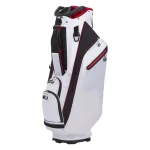 Premium Tour Cart Bag
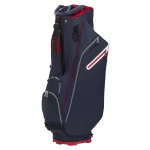 Lightweight Cart Bag
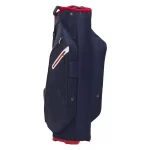 Waterproof Cart Bag
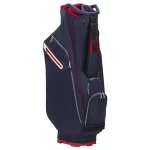 Staff Cart Bag
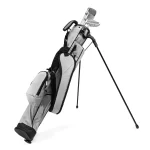 Classic Sunday Carry Bag
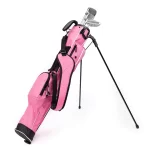 Ultra-Light Sunday Bag
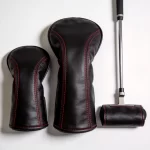 Custom Golf Headcovers Set
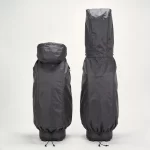 Golf Bag Rain Cover
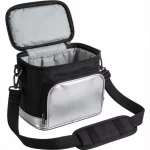 Golf Cooler Bag
Need custom golf bags? Contact us for OEM/ODM quotes — MOQ 100pcs, FOB Xiamen.