Bamboo Fiber and Hemp Golf Bag Materials are emerging natural-fiber alternatives to petroleum-based polyester and nylon in golf bag manufacturing. Bamboo viscose offers softness and natural antimicrobial properties; hemp delivers superior tensile strength and UV resistance. Both materials face real challenges in waterproofing, structural durability under heavy club loads, and cost-competitive mass production. This article provides a technically honest assessment of bamboo fiber, hemp, cork, and organic cotton for golf bag applications — covering durability, water resistance, scalability, and real-world cost data from our factory floor.
The sustainable golf bag market is growing fast, and brands are racing to claim the “eco-friendly” label. Bamboo fiber and hemp have become the two most talked-about natural materials in golf bag product development — appearing on Kickstarter campaigns, DTC brand websites, and social media ads. But behind the marketing buzz, what do these materials actually deliver when subjected to the punishing demands of a golf bag: 14 clubs rubbing against seams, rain-soaked fairways, UV exposure, and the need to hold structure on a cart or during a carry walk?
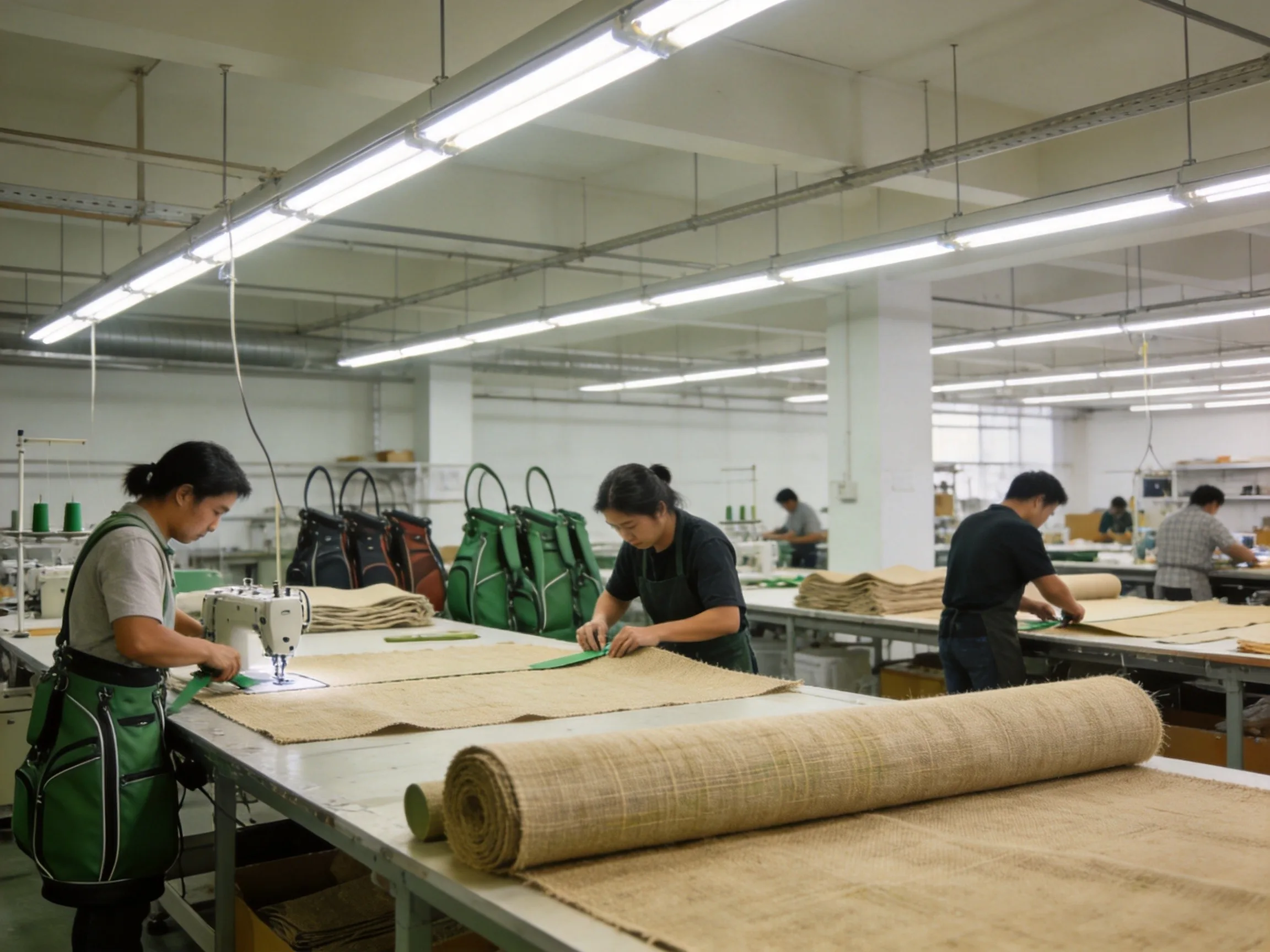
As a golf bag manufacturer with over 12 years of production experience, we’ve tested bamboo fiber blends, hemp canvas, cork panels, and organic cotton twill in our Quanzhou facility. This article shares what we’ve learned — the real strengths, the hard limitations, and the cost reality that no marketing brochure will tell you.
What Is Bamboo Fiber? Understanding the Material
Bamboo fiber used in textile applications comes in two fundamentally different forms, and confusing them is one of the most common mistakes in sustainable material sourcing:
Bamboo Viscose (Regenerated Cellulose)
The dominant form — accounting for roughly 95% of “bamboo fabric” sold commercially — is bamboo viscose, also called bamboo rayon. Raw bamboo stalks are pulped using chemical solvents (typically sodium hydroxide and carbon disulfide), then extruded through spinnerets into fibers. The resulting textile feels silky, drapes well, and carries natural antibacterial properties from residual bamboo kun compounds. However, the chemical-intensive production process has drawn scrutiny from environmental certifiers, and the final fiber loses much of bamboo’s original structural strength.
Bamboo Linen (Mechanically Processed)
A rarer, more expensive alternative. Bamboo stalks are crushed and retted (soaked in water to separate fibers), then mechanically combed and spun — similar to traditional linen production. The resulting fiber retains more of bamboo’s natural strength and is genuinely low-impact, but the process is labor-intensive and costly. Bamboo linen fabric typically costs 3–5× more than bamboo viscose and is rarely available in the wide-width rolls needed for golf bag panel cutting.
Key Definition: Bamboo Viscose = chemically regenerated cellulose fiber from bamboo pulp (soft, silky, scalable). Bamboo Linen = mechanically extracted bamboo fiber (stronger, truly eco-friendly, but expensive and limited supply). When a golf bag brand says “bamboo fabric,” it almost always means bamboo viscose.
What Is Hemp Fiber? The Ancient Crop Goes Industrial
Hemp (Cannabis sativa L., industrial variety with <0.3% THC) is one of humanity’s oldest cultivated fiber crops. The bast fibers extracted from the plant’s outer stalk are long, strong, and naturally resistant to mold, mildew, and UV degradation. Unlike bamboo viscose, hemp fiber processing can be fully mechanical — no harsh chemical solvents required — making it one of the most genuinely sustainable textile fibers available.
Modern hemp textile production has improved dramatically. Decortication machines can now process hemp stalks at industrial scale, and fiber blending with organic cotton or recycled polyester has solved many of the traditional “itchy hemp” complaints. The result: hemp canvas and hemp-blend fabrics that are genuinely durable, naturally antimicrobial, and increasingly available in consistent quality suitable for bag manufacturing.
Durability Showdown: Natural Fibers vs. Industry-Standard Synthetics
Golf bags endure unique stresses that most consumer bags do not. Fourteen steel-shafted clubs constantly rubbing against interior seams. Bags dropped on cart paths, dragged across wet grass, and exposed to direct sunlight for hours. Let’s compare the key mechanical properties:
| Material | Tensile Strength (MPa) | Abrasion Resistance | UV Degradation | Weight (g/m² @ 600D equiv.) | Expected Bag Lifespan |
|---|---|---|---|---|---|
| 1680D Polyester (industry standard) | 75–90 | Excellent | Excellent (inherent) | 280–320 | 5–8 years |
| 600D Polyester (budget standard) | 45–55 | Good | Good | 180–220 | 2–4 years |
| Bamboo Viscose Blend (70/30 bamboo/poly) | 30–40 | Fair | Poor (needs coating) | 200–240 | 1–3 years |
| Hemp Canvas (100% hemp, 12oz) | 55–70 | Good–Very Good | Excellent (natural) | 340–400 | 3–6 years |
| Hemp/Poly Blend (60/40) | 50–65 | Good | Good | 260–300 | 3–5 years |
| Organic Cotton Canvas (12oz) | 35–50 | Fair–Good | Poor (needs coating) | 300–360 | 1–3 years |
| Cork Fabric (cork/oak bark laminate) | 15–25 | Fair (surface scratches) | Excellent (natural) | 450–600 | 2–4 years (panel use only) |
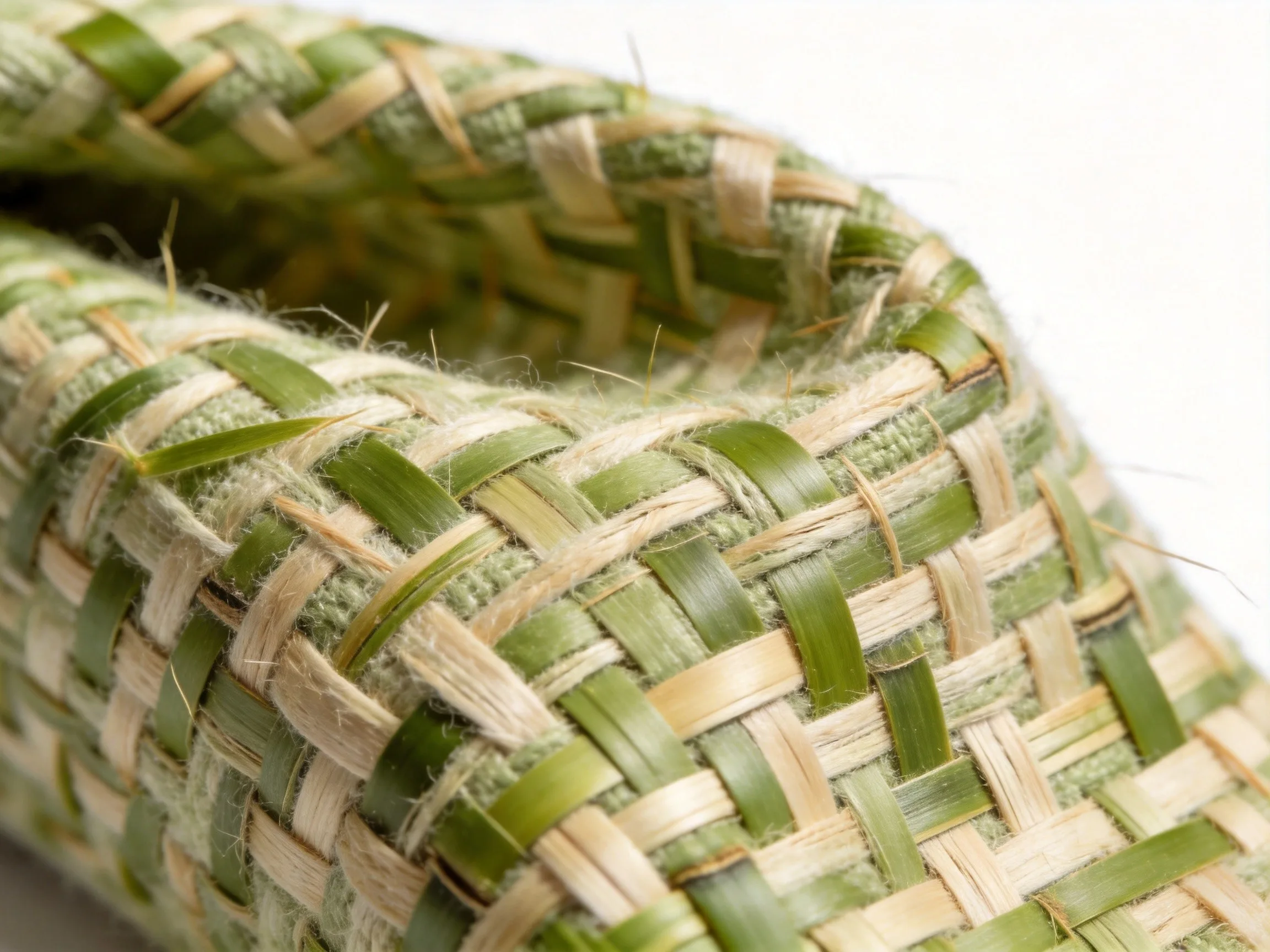
The data tells a clear story. Hemp is the only natural fiber that genuinely competes with polyester on durability. Bamboo viscose, while beautifully soft, lacks the structural integrity for primary bag panels — it works best as accent panels, interior lining, or carry-strap covers. For a deeper technical discussion of fabric weight and denier ratings, see our guide on Golf Bag Fabric Weight: 600D vs 1200D vs 1680D.
Water Resistance: The Achilles Heel of Natural Fibers
This is where the conversation gets real. Golf bags get wet. Morning dew, sudden rain showers, sprinkler spray on the course — a golf bag’s fabric faces moisture exposure that a tote bag or backpack simply doesn’t encounter with the same frequency or intensity.
Bamboo Fiber Water Resistance
Bamboo viscose is hydrophilic — it absorbs water readily. Untreated bamboo fabric will soak through in minutes during a rain shower. To make bamboo viable for golf bag panels, manufacturers must apply a waterproof coating (typically PU or TPU lamination). This adds cost, weight, and partially negates the “natural material” positioning. In our testing, bamboo/poly blend fabric with PU coating achieved a water column rating of approximately 1,500–2,000mm — functional for light rain but inadequate for sustained downpours. For a full technical comparison of waterproofing technologies, see our Golf Bag Waterproofing: PU vs TPU vs PVC Compared guide.
Hemp Water Resistance
Hemp performs significantly better. The fiber’s natural lignin content provides inherent moisture resistance, and hemp fabric swells when wet — the fibers expand to partially close the weave gaps. With a wax or bio-based DWR (durable water repellent) finish, hemp canvas can achieve 3,000–5,000mm water column ratings, approaching entry-level polyester performance. However, repeated washing and UV exposure gradually degrade the DWR finish, requiring re-treatment every 12–18 months.
Cork and Organic Cotton
Cork fabric (a thin cork bark layer laminated to a cotton or polyester backing) is naturally water-resistant due to suberin — a waxy compound in cork cell walls. However, the seams where cork panels meet other materials remain vulnerable. Organic cotton, like bamboo, is highly absorbent and requires full PU lamination for any meaningful water protection.
Scalability: Can Natural Fibers Meet Golf Bag Production Demands?
This is the question that separates marketing from manufacturing. A golf bag brand might design a beautiful prototype with hemp canvas — but can they produce 5,000 units with consistent color, weight, and hand-feel? Can they reorder the same fabric six months later and get a match?
Bamboo Fiber Scalability
High scalability for bamboo viscose. China alone produces over 2 million tons of bamboo viscose fiber annually. The supply chain is mature, pricing is stable, and fabric mills can produce consistent quality at volume. Bamboo viscose is available in a wide range of weights, colors, and weaves. The bottleneck isn’t supply — it’s the environmental certification gap. Many European and North American buyers now require FSC or Oeko-Tex certification for bamboo viscose, and not all Chinese suppliers carry these certifications.
Hemp Fiber Scalability
Moderate and improving. Global hemp fiber production has surged since 2018, driven by regulatory liberalization and sustainability demand. However, textile-grade hemp fiber (long-staple, decorticated, suitable for fine weaving) remains a smaller fraction of total hemp output. Lead times for custom hemp fabric runs can extend to 60–90 days, compared to 15–30 days for polyester. Color consistency across batches is also more challenging — natural hemp fiber has inherent color variation that requires careful dye-lot management.
Cork and Organic Cotton Scalability
Cork fabric supply is limited — the primary production region is the Iberian Peninsula (Portugal and Spain), and cork oak trees take 25+ years between harvests. Supply is finite and pricing is premium. Organic cotton is widely available but costs 20–40% more than conventional cotton and faces its own water-use criticisms.
Cost Reality: The Numbers Behind Natural Fiber Golf Bags
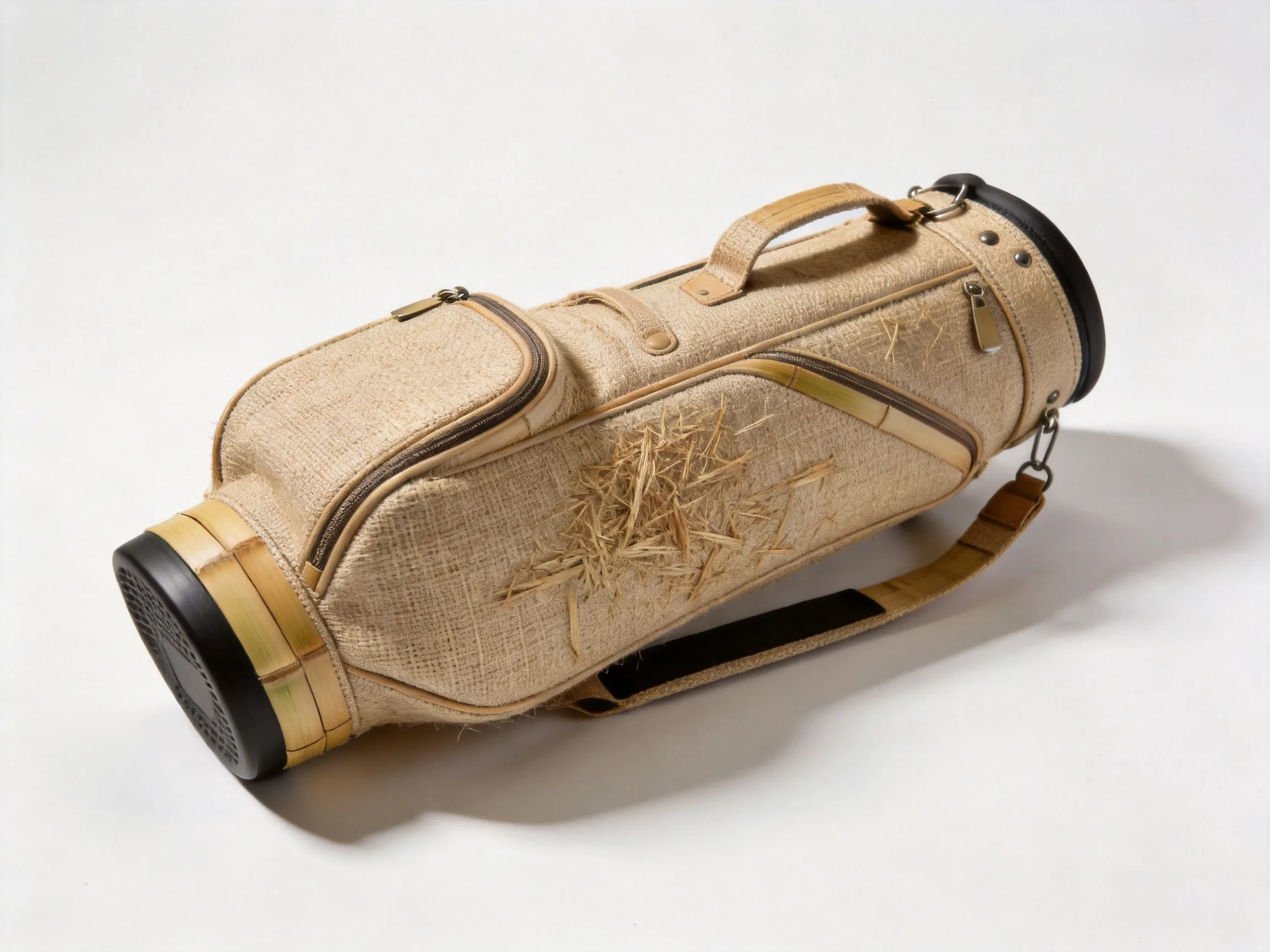
Let’s talk about the cost elephant in the room. Here are the raw material costs we’re seeing in Q3 2026 for golf bag–grade fabrics (prices per meter, FOB China, MOQ 1,000m):
| Material | Fabric Cost ($/m) | Estimated Bag Material Cost | Price Premium vs. 600D Poly | Minimum Order Quantity |
|---|---|---|---|---|
| 600D Polyester (baseline) | $1.80–2.50 | $8–12 per bag | — | 500m |
| 1680D Polyester | $3.50–5.00 | $15–22 per bag | +80% | 500m |
| Bamboo Viscose Blend (70/30) | $4.00–6.50 | $18–28 per bag | +120% | 1,000m |
| Hemp Canvas (100%, 12oz) | $8.00–14.00 | $35–60 per bag | +300% | 2,000m |
| Hemp/Poly Blend (60/40) | $5.50–8.00 | $24–35 per bag | +180% | 1,000m |
| Organic Cotton Canvas (12oz) | $5.00–7.50 | $22–32 per bag | +160% | 1,000m |
| Cork Fabric (panel-grade) | $15.00–28.00 | $40–75 per bag (panels only) | +400% | 500m |
These numbers make one thing clear: a 100% hemp golf bag at scale will cost 3–5× more in raw materials than a standard 600D polyester bag. That’s before accounting for the additional labor (hemp is harder to cut and sew), higher rejection rates (natural fiber inconsistency), and the need for specialized waterproofing treatments.
From our production floor: In the past 18 months, approximately 12% of our inbound sustainability-focused inquiries specified bamboo or hemp as primary materials. Of those, roughly 70% ultimately chose a bamboo/poly blend or hemp/poly blend rather than 100% natural fiber — a compromise that balances the eco-positioning story with commercial viability. Only 3% of inquiries proceeded with 100% hemp construction, and these were exclusively for premium DTC brands pricing bags at $300+ retail.
Honest Assessment: Where Each Material Shines (and Fails)
Bamboo Fiber — Best For
- Interior lining: The soft hand-feel and natural antimicrobial properties make bamboo viscose excellent for club-head compartments and accessory pockets
- Accent panels and trim: Bamboo fabric’s distinctive texture and drape work well for decorative elements on a polyester-structure bag
- Carry strap covers: Comfort against the shoulder, moisture-wicking properties, and lower structural demands make this a natural fit
- Premium branding story: “Bamboo-lined” is a legitimate, defensible sustainability claim that resonates with eco-conscious consumers
Bamboo Fiber — Not Recommended For
- Primary structural panels (insufficient tensile strength)
- Bottom panels (abrasion failure within 6–12 months)
- Uncoated exterior surfaces (water absorption)
Hemp — Best For
- Full bag construction (premium segment): At $300+ retail, 100% hemp bags are commercially viable and genuinely differentiate a brand
- Cart bag bodies: Cart bags bear less carry stress than stand bags, making hemp’s weight disadvantage less critical
- Brands targeting the “slow golf” / sustainability movement: Hemp’s story is authentic and resonates with environmentally conscious golfers
Hemp — Challenges
- Weight: 100% hemp canvas bags weigh 20–35% more than equivalent polyester bags
- Color limitations: Natural hemp has a distinctive beige/olive tone; bright or dark colors require heavy dyeing
- Supply chain maturity: Fewer certified suppliers, longer lead times, less predictable consistency
Cork — Best For
- Accent panels and branding areas: Cork’s unique texture creates unmistakable visual differentiation
- Limited-edition or concept bags: Cork commands attention and tells a compelling sustainability story
Cork — Not Recommended For
- Primary structural material (too brittle, poor seam strength)
- High-volume production (supply constraints, cost prohibitive)
Organic Cotton — Best For
- Soft-sided carry bags and Sunday bags: Where weight and casual use reduce durability demands
- Interior components and dust bags: Organic cotton’s softness is ideal for club protection
The Verdict: Viable Alternatives or Marketing Gimmicks?
Here’s our honest take after 12+ years of golf bag manufacturing:
Hemp is a viable alternative — not a gimmick. It delivers genuine durability, natural UV resistance, and a compelling sustainability story. The barriers are cost (3–5× polyester) and weight (20–35% heavier). For premium brands targeting environmentally conscious golfers at $300+ retail, hemp is a legitimate material choice. For volume brands competing at $100–200, it remains commercially impractical as a primary material.
Bamboo fiber is primarily a marketing material — but not in a pejorative sense. Bamboo viscose excels as a lining, accent, and comfort component. Its contribution to a golf bag’s sustainability profile is real but limited. Brands that claim “bamboo golf bag” while using bamboo for only 15–20% of the bag’s surface area are technically truthful but contextually misleading. We recommend transparent labeling: “bamboo-lined” or “bamboo accent panels” rather than “bamboo golf bag.”
Cork is a design material, not a structural material. It’s best used sparingly for visual impact and brand storytelling. No serious manufacturer would build a primary golf bag structure from cork.
Organic cotton is viable for low-stress applications (Sunday bags, carry bags, interior components) but lacks the durability for full-size cart or staff bags without synthetic reinforcement.
The future of sustainable golf bags likely lies in hybrid constructions — hemp/poly blends for main panels, bamboo viscose for lining, recycled polyester for structural reinforcements, and bio-based DWR coatings for water protection. This approach delivers 40–60% reduction in virgin petroleum content while maintaining the durability and price points that the mass market demands.
For brands exploring the full spectrum of sustainable materials — from RPET fabrics to recycled hardware — our RPET Fabric in Golf Bags guide covers recycled polyester solutions, and our comprehensive Sustainable & Eco-Friendly Golf Bags: The Complete Guide for 2026 covers the entire material landscape including brand sustainability comparisons like Callaway vs TaylorMade’s eco-friendly product lines.
Frequently Asked Questions
Is a bamboo golf bag actually eco-friendly?
It depends on the processing method. Bamboo viscose (the most common form) requires chemical solvents in production, which raises environmental concerns despite bamboo being a fast-growing, low-water crop. Bamboo linen (mechanically processed) is genuinely eco-friendly but rare and expensive. For the most eco-friendly option, look for bamboo viscose certified by FSC (Forest Stewardship Council) or Oeko-Tex Standard 100, which verify responsible sourcing and limit harmful chemical residues.
How long does a hemp golf bag last compared to polyester?
A well-constructed 100% hemp canvas golf bag typically lasts 3–6 years with regular use, compared to 5–8 years for 1680D polyester. Hemp’s natural UV resistance actually gives it an advantage in sun-exposed environments, but its lower abrasion resistance means faster wear on high-contact areas like the bottom panel and club divider seams. Hemp/poly blends (60/40) narrow this gap significantly, offering 3–5 year lifespans at moderate cost premiums.
Can bamboo fiber golf bags handle rain?
Not without a waterproof coating. Raw bamboo viscose fabric absorbs water quickly and will soak through during a rain shower. Manufacturers must apply PU or TPU lamination to achieve meaningful water resistance (1,500–2,000mm water column rating). Even with coating, bamboo panels are best suited for upper bag sections that see less direct water exposure. For serious rain protection, polyester with TPU coating remains the gold standard.
Why aren’t more golf bag brands using hemp?
Three barriers: cost, weight, and supply chain maturity. Hemp fabric costs 3–5× more than polyester, adds 20–35% more weight to the finished bag, and has fewer certified suppliers with longer lead times (60–90 days vs. 15–30 days for polyester). For brands competing in the $100–200 retail segment, these factors make hemp commercially impractical. However, the premium segment ($300+) is seeing growing hemp adoption, and supply chain improvements are gradually reducing costs.
What’s the most realistic sustainable golf bag material for mass production?
RPET (recycled polyester) remains the most practical sustainable material for volume production — it uses existing manufacturing infrastructure, matches polyester’s performance characteristics, and costs only 15–30% more than virgin polyester. For brands wanting to go beyond RPET, hemp/poly blends (60/40) offer the best balance of sustainability credentials and commercial viability. Bamboo/poly blends work well for interior and accent applications. The key is transparency: clearly communicate which parts of the bag use sustainable materials rather than implying the entire bag is eco-friendly.
Related Products
Explore our manufacturing capabilities in this category:
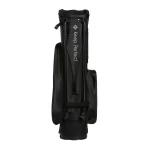 Premium Stand Bag
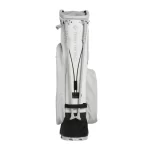 Ultra-Light Stand Bag
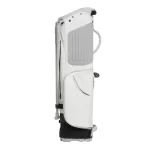 Hybrid Stand Bag
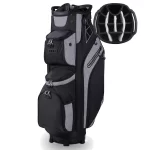 Rain-Resistant Stand Bag
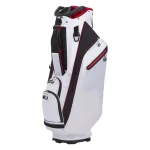 Premium Tour Cart Bag
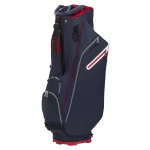 Lightweight Cart Bag
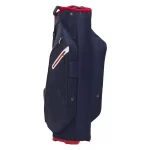 Waterproof Cart Bag
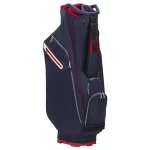 Staff Cart Bag
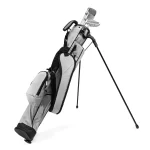 Classic Sunday Carry Bag
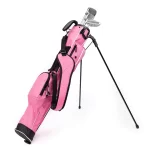 Ultra-Light Sunday Bag
Need custom golf bags? Contact us for OEM/ODM quotes — MOQ 100pcs, FOB Xiamen.