Looking to manufacture custom golf bags? Start with a well-structured Request for Information (RFI). It helps you identify the best manufacturing partner by gathering critical details about their capabilities, materials, timelines, and costs.
Key Steps:
- Define Your Needs: Specify bag type, materials (e.g., nylon, leather), features (e.g., waterproofing, logo placement), and dimensions.
- Set Standards: Use U.S. measurements, currency (USD), and clear formatting for consistency.
- Ask the Right Questions: Include vendor experience, certifications, production capacity, and sample timelines.
- Clarify Expectations: Outline order quantities, delivery timelines, and payment terms.
- Evaluate Vendors: Use comparison criteria like lead times, quality certifications, and pricing.
A precise RFI ensures clear communication, reliable responses, and a smoother selection process. Ready to find the right partner? Let’s dive into the details.
Defining Project Requirements
Using established U.S. project standards, setting clear requirements is essential for crafting an effective RFI (Request for Information). Well-defined project requirements ensure manufacturers can provide precise and relevant responses, ultimately streamlining the entire process.
Design Requirements
Start with the bag type and size. For example, if you’re specifying a stand bag, note that it typically weighs between 3.5–5.0 pounds, while a cart bag generally falls in the 5.0–7.0 pound range. Include exact dimensions in inches, such as a stand bag measuring 36 inches tall, 10 inches wide, and 8 inches deep.
Branding details should be clear and concise. Specify logo placement, size, color codes, and application methods. For instance, you might request embroidered logos on the front panel, heat-transferred logos on side pockets, or stamped logos on leather sections.
When it comes to color, avoid vague terms like "blue." Instead, provide specific shades, such as "navy blue (Pantone 19-4052)", or include exact color codes. If you’re incorporating multi-color patterns or assigning different colors to specific panels, outline these details clearly in your RFI.
Material Preferences
Once design parameters are in place, define the materials to meet your performance needs. Be specific about expectations, such as "fully waterproof" or "highly durable."
- Polyester Oxford and Nylon Oxford are common materials, but their durability depends on the denier (D) rating. Specify ratings like 420D, 600D, or 840D for Polyester Oxford or opt for 1680D Nylon Oxford for greater durability.
- For canvas, indicate the weight in ounces, typically ranging from 12 oz to 20 oz. Heavier weights add durability but may increase the overall bag weight.
- If neoprene is part of your design, include thickness requirements, such as 3mm to 7mm, which will impact both cushioning and weight.
- For leather, detail your preferences for finish, grain, and treatment. Specify whether you want full-grain leather, top-grain leather, or synthetic options, and include any requirements for water resistance.
Always request material samples from vendors. This allows you to evaluate texture, color accuracy, and quality before committing to production. Be sure to include these requests in your RFI.
Functional Features and Quantity Requirements
Clearly outline the functional features you need. For example:
- Specify pocket types and dimensions, such as side saddle, spine, or apparel compartments. Include any special features like waterproof zippers or specific linings.
- For cooler pockets, detail insulation and capacity requirements.
- Strap systems should be tailored to the bag type. Stand bags, for instance, might require dual padded straps, 2–3 inches wide, while cart bags may benefit from features like cart strap pass-throughs and grab handles.
Weight is another critical factor. For carry bags, aim for a maximum empty weight of around 4.5 pounds. Cart bags, with their additional features, can accommodate weights up to about 7.0 pounds.
When specifying quantity requirements, use proper U.S. formatting. For example, an initial order might be "1,500 units", or you could outline annual production plans, such as "5,000 units annually." If ordering variations, break quantities down by configuration, like "750 units in navy blue, 500 units in black, and 250 units in red." Include these breakdowns in your RFI to address different market needs effectively.
Production and Delivery Expectations
Setting clear expectations for production and delivery in your RFI is essential to avoid misunderstandings and delays. It’s important to outline practical timelines, detailed packaging requirements, and transparent payment terms that work for both you and the vendor.
Production and Delivery Timelines
When drafting your RFI, ask vendors to provide detailed timelines for sample development and revisions. This should include production lead times, accounting for factors like order size, design complexity, and seasonal demands. To ensure accuracy, specify your preferred shipping methods and required delivery dates. Make sure to state the date format (MM/DD/YYYY) and clarify if the timelines include weekends and U.S. holidays. Once the timelines are sorted, include your packaging and labeling standards to maintain consistency throughout the process.
Packaging and Labeling Requirements
Packaging is more than just protection – it’s a key part of your brand’s presentation. In your RFI, specify if you need custom packaging options, such as branded boxes, poly bags, dust covers, or carry cases. Additionally, outline your labeling needs, such as custom hangtags, barcodes, UPC labels, instruction manuals, or warranty and care information. If your products require durable identification tags to withstand rough handling or harsh environments, make sure to include those details as well.
Payment Terms
Clearly defining payment terms in your RFI ensures that both parties agree on financial arrangements upfront. For example, specify that production typically begins after a deposit is made upon final design approval, with the balance due upon completion or delivery. Indicate that all payments should be made in U.S. dollars and list accepted payment methods, such as wire transfers or letters of credit. To protect both parties, consider mentioning payment safeguards like escrow services or trade insurance.
As one manufacturer notes, "Once approved, your deposit will be collected and we’ll begin production. The balance of your order will be settled upon delivery."
Vendor Qualifications and Evaluation
When assessing potential vendors, it’s essential to use a structured approach. A well-designed RFI (Request for Information) should clearly outline the baseline qualifications you expect and provide a clear framework for comparing vendors’ responses.
Required Vendor Qualifications
Start by identifying the must-have qualifications for vendors. If you’re sourcing custom golf bags, prioritize vendors with experience in OEM/ODM golf bag production. This expertise ensures they understand the unique challenges and standards of golf equipment manufacturing. Vendors with a history of working with North American clients are particularly valuable since they are more likely to be familiar with U.S. market expectations and regulatory requirements.
Quality certifications are another key factor. Request proof of ISO 9001 certification to confirm the vendor’s quality management systems meet global standards. Additionally, inquire about any golf industry-specific certifications they hold. To verify their track record, ask for references from at least three recent clients who have completed similar custom golf bag projects in the last two years. Each reference should include contact details and project specifics to allow you to assess the vendor’s performance firsthand.
Financial stability is critical for ensuring a reliable, long-term partnership. Request basic financial data, including years in operation, annual production capacity, and proof of business registration in their home country. Vendors should also align with prior U.S. project standards. Beyond this, gather detailed information about their production processes and quality control measures.
Manufacturing and Quality Details
Once you’ve reviewed the basic qualifications, dive deeper into the vendor’s manufacturing capabilities and quality standards. Ask about their monthly production capacity for golf bags, typical lead times during peak and off-peak seasons, and their ability to scale production if your initial order grows.
Pay close attention to their quality control processes. Specifically, request details on their inspection procedures at every stage of production – from sourcing materials to final packaging. Ask for their defect rate statistics and how they address quality issues when they arise. Additionally, understanding their sample development process is vital. Inquire about how many revision rounds are typically allowed and whether sample costs can be credited toward final orders.
Technical capabilities are equally important. Confirm whether their design software is compatible with your technical drawings or 3D models. Also, ask about their prototyping capabilities and whether they can produce functional samples that accurately reflect the durability and performance of the final product.
Vendor Comparison Tables
To objectively evaluate vendor responses, consider using a comparison table. Focus on measurable criteria that directly impact your project’s success.
| Evaluation Criteria | Weight | Vendor A | Vendor B | Vendor C |
|---|---|---|---|---|
| Golf bag experience (years) | 25% | |||
| Monthly production capacity | 20% | |||
| Sample lead time (days) | 15% | |||
| Production lead time (weeks) | 15% | |||
| Quality certifications | 10% | |||
| U.S. client references | 10% | |||
| Price competitiveness | 5% |
Assign weights based on your project priorities. For example, if meeting tight deadlines is your top concern, you might assign more weight to lead times than to price. Use a scoring system (e.g., 1-10) for each criterion, then calculate the weighted scores to rank vendors objectively.
In addition to quantitative scoring, include a qualitative evaluation of factors like communication and professionalism. Note how quickly each vendor responds to your RFI and whether their responses are thorough. Vendors who ask clarifying questions about your requirements often demonstrate a more collaborative and solution-oriented approach.
Lastly, document any red flags that arise during your evaluation. These might include vague answers about quality control, reluctance to provide references, or timelines that seem overly optimistic. Identifying these concerns early can help you avoid costly mistakes when making your final decision.
sbb-itb-4fa7e8b
Creating Your RFI Document
Your RFI (Request for Information) document is your roadmap for communicating project needs to potential manufacturers. It should clearly lay out your requirements while being easy to understand, ensuring vendors can respond effectively. Here’s how to format and organize your RFI for clarity and precision.
RFI Structure
A well-structured RFI walks vendors through your project details step by step. Start with a company introduction to provide context about your business, project goals, and expected timeline. Then, move into a project overview, where you explain that you’re looking for a custom golf bag manufacturing partner. Highlight your main objectives, target audience, and how the product will be used.
Next, dive into technical specifications. Outline design requirements, material preferences (like nylon, polyester, canvas, or leather), and any functional features you need. If waterproofing or UV resistance is important, make that clear. Include details about branding, such as logo placement and preferred application techniques like embroidery, screen printing, or heat transfer.
In the functional requirements section, list key features like cooler pockets, valuables pockets, towel rings, umbrella holders, rain hoods, cart straps, and adjustable backpack-style straps. Specify your desired club divider system (e.g., 4-way, 6-way, or 14-way) and any unique pocket arrangements.
The quantity and timeline section should outline your Minimum Order Quantities (MOQ) for each style. For example, manufacturers often offer options such as 50–100 units for standard customization, 100–500 for more advanced customization, and 500+ for full customization. Include estimated lead times, which typically range from 30–45 days for smaller orders to 45–60 days for larger ones.
Sample RFI Template
Here’s a template you can use to ensure you don’t miss any critical details:
COMPANY INFORMATION
- Company Name: [Your Company Name]
- Contact Person: [Name and Title]
- Phone: [XXX-XXX-XXXX]
- Email: [[email protected]]
- Project Timeline: [MM/DD/YYYY – MM/DD/YYYY]
We are looking for a manufacturer to produce custom golf bags for [specific purpose/market]. Our target launch date is [MM/DD/YYYY], with an initial order of [XXX] units and potential for [XXX] units annually.
SPECIFICATIONS
- Materials: [Preferred materials – nylon, polyester, canvas, leather]
- Color Scheme: [Primary and secondary colors, Pantone numbers if available]
- Dimensions: [Length x Width x Height in inches]
- Weight Target: [Maximum weight in pounds]
- Branding Requirements: [Logo placement and application methods]
- Club Divider System: [4-way, 6-way, 14-way, or custom]
- Required Pockets: [List types and quantities]
- Strap Configuration: [Single, dual, or backpack-style with padding details]
- Weather Protection: [Rain hood, waterproof zippers, etc.]
- Accessories: [Towel rings, umbrella holders, cart straps]
QUANTITY AND DELIVERY
- Initial Order Quantity: [XXX units]
- Preferred MOQ: [XX–XXX units]
- Delivery Date: [MM/DD/YYYY]
- Delivery Location: [City, State, ZIP code]
PACKAGING REQUIREMENTS
Specify any packaging needs, such as branded boxes, poly bags, dust covers, or carry cases. Mention if you require instruction manuals or care cards to be included with each bag.
VENDOR QUALIFICATION QUESTIONS
- How many years of experience do you have in golf bag manufacturing?
- What is your current monthly production capacity?
- Do you hold any quality certifications (e.g., ISO 9001)?
- Can you provide references from recent U.S. clients?
- What is your sample development process and timeline?
- What are your payment terms and conditions?
Formatting and Best Practices
To ensure your RFI is easy to read and navigate, use consistent headers, bullet points, and clear formatting. Add page numbers and include your company’s contact details in the header or footer. Avoid using overly technical terms that might confuse international vendors.
Set a clear deadline for responses, giving vendors at least two weeks to prepare. Specify your preferred response format and request that vendors follow the structure you’ve provided. This will simplify the evaluation process later.
Finally, save your RFI as a PDF to maintain formatting across devices and email platforms. Name the file using your company name and project date for quick identification by vendors.
Key Takeaways
Creating a precise RFI (Request for Information) for custom golf bag manufacturing is crucial. Clear communication and a systematic evaluation process can make or break your project’s success. As mentioned earlier, a well-crafted RFI lays the groundwork for achieving your goals. With 83% of procurement professionals regularly relying on RFIs, getting yours right can significantly influence your results.
RFI Checklist
Let’s distill the earlier steps into actionable insights. Your RFI specifications need to be clear and detailed so vendors can provide accurate quotes and timelines without second-guessing your needs.
- Define quantities, MOQs, and deadlines: Be realistic about minimum order quantities and provide clear timelines. Vendors typically need 2-3 weeks to prepare thoughtful, high-quality responses.
- Set vendor qualification criteria: Align these with your project goals and risk tolerance. Ask targeted questions about their manufacturing experience, certifications, and production capacity. Using structured evaluation criteria can boost vendor selection efficiency by up to 40%.
- Clarify response format and evaluation criteria: By outlining your expectations upfront, you help vendors tailor their submissions. Transparency builds trust and ensures smoother communication. Also, designate a single point of contact to avoid confusion during the response period.
Next Steps
Once you’ve received vendor responses, follow these steps to keep the process moving efficiently. Start by organizing responses based on your pre-defined criteria, documenting all communications, and scoring vendors on key factors like cost, quality, and delivery. This will help you create a shortlist for further discussions.
Don’t just focus on pricing. Evaluate each vendor’s experience with similar projects, their quality control measures, and their ability to meet your deadlines. Providing timely feedback to all vendors, whether they make the shortlist or not, is a professional courtesy that fosters goodwill and keeps relationships open for future collaborations.
From your shortlist, you can move to the next phase. This might involve requesting samples, arranging facility visits, or transitioning to a formal RFP (Request for Proposal) process. The insights gathered through your RFI will guide these steps, helping you make confident and informed decisions about the best manufacturing partner for your project.
Organizations that incorporate strategic response management into their RFI processes report a 15% increase in win rates. By taking a thorough and thoughtful approach, you’ll set the stage for a successful custom golf bag manufacturing project.
FAQs
What should you consider when selecting materials for custom golf bags in your RFI?
When choosing materials for custom golf bags during the RFI process, prioritize durability, appearance, and practicality. Materials like nylon, polyester, canvas, and leather each bring distinct advantages. For instance, nylon and polyester are lightweight and often water-resistant, while canvas offers a sturdy, classic feel, and leather provides a polished, upscale look.
It’s also essential to match the materials to your brand’s personality. Select colors, textures, and finishes that reflect your brand’s identity. Be sure to clearly outline these preferences in your RFI so vendors can fully grasp your vision and propose the most suitable options.
How can I make sure vendors meet the quality and certification standards outlined in my RFI?
When creating your RFI, it’s important to clearly define the quality and certification standards vendors need to meet. Be specific about the materials you require, the construction methods you prefer, and any certifications or testing standards they must follow.
You can also ask vendors to provide supporting documents, like certificates or test reports, to confirm they meet these standards. By including these details in your RFI, you’ll not only set clear expectations but also draw in vendors who are equipped to fulfill your project’s needs.
How should I choose between multiple vendors when their pricing and lead times vary significantly?
When evaluating vendor proposals, take the time to thoroughly review each one, paying close attention to how well they align with your project needs. Look at key elements like design quality, material options, and production capabilities, alongside practical considerations such as pricing and lead times.
Determine which factors – whether it’s cost, speed of delivery, or overall quality – matter most for your project. If anything is unclear or if adjustments are needed, don’t hesitate to contact vendors to ask questions or negotiate terms that better suit your priorities. The goal is to strike a balance that delivers good value without compromising on timelines or quality.
Related Blog Posts
- How to Brand Golf Bags for Corporate Events: A Step-by-Step Guide
- From Design to Delivery: A Behind-the-Scenes Look at Our Custom Process
- How to Choose a Reliable Golf Bag Manufacturer for Custom OEM Orders
- What are the most effective B2B procurement strategies for sourcing custom-manufactured golf bags, and how do they differ from sourcing off-the-shelf products?
Related Resources
Related Products
Explore our manufacturing capabilities in this category:
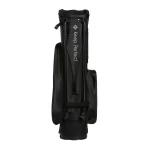 Premium Stand Bag
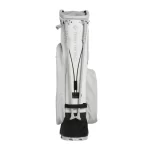 Ultra-Light Stand Bag
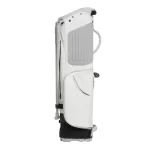 Hybrid Stand Bag
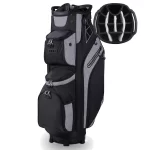 Rain-Resistant Stand Bag
 Premium Tour Cart Bag
 Lightweight Cart Bag
 Waterproof Cart Bag
 Staff Cart Bag
 Classic Sunday Carry Bag
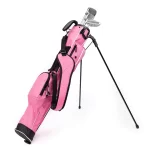 Ultra-Light Sunday Bag
Need custom golf bags? Contact us for OEM/ODM quotes — MOQ 100pcs, FOB Xiamen.