Golf bags are evolving rapidly, blending lighter materials, smart technology, and eco-friendly designs to meet modern demands. Over the next decade, expect:
- Advanced Materials: Carbon fiber, sugarcane-based polyethylene, and recycled plastics reduce weight and emissions without sacrificing durability.
- Sustainability: Bags made with algae-based polymers, ocean plastics, and renewable energy manufacturing are cutting the industry’s carbon footprint by up to 75%.
- Smart Features: Built-in GPS for club tracking, solar-powered charging, and mobile connectivity are turning golf bags into high-tech companions.
- Comfort Improvements: Dual-strap systems, hip pads, and biomechanical designs improve weight distribution and reduce fatigue.
- Customization: Personalization options now include names, colors, and even integrated smart features.
A Golf Bag That Follows You? The Future Is Now
sbb-itb-4fa7e8b
New Materials and Environmental Impact
Lightweight and Strong Materials
Golf bags are stepping into a new era, blending cutting-edge materials with eco-conscious design. One standout is sugarcane-based polyethylene, a material that not only holds up against the elements like traditional petroleum-based plastics but also removes CO₂ from the atmosphere during production. It’s a win for both durability and the planet. Then there are algae-based polymers, which come from algae biomass and offer renewable, sturdy components for golf gear. Add to that wood-based composites, a mix of sustainably sourced wood fibers and bio-based resins, providing natural strength without adding unnecessary weight.
These materials are not just greener; they’re game-changers. For instance, sustainable options like these can slash a golf bag’s carbon footprint by 85%, while advanced manufacturing processes cut CO₂ emissions by 75% compared to older methods. Even recycled ocean plastics are stepping up, delivering 95% of the durability and 92% of the water resistance of new materials, with a UV stability rating of 88%. For golfers who want reliable weather protection without the environmental guilt, sugarcane-based polyethylene offers a perfect balance – it performs like traditional nylon but leaves a negative carbon footprint.
And the sustainability story doesn’t stop there. Manufacturers are rethinking how to use waste in innovative ways.
Recycled and Biodegradable Components
The shift toward eco-friendly golf bags is also about making the most of what’s already out there. Many bags now incorporate fabric made from 25–30 recycled plastic bottles, along with repurposed textile waste and even materials from old cars, like seat fabrics and foam. This approach achieves an impressive 95% material utilization rate in zero-waste production facilities.
But it’s not just about the materials – it’s about how they’re made. Factories are turning to 100% renewable energy, using solar and wind power to cut emissions even further. On top of that, modular designs and repairable components are extending the life of these bags. Paired with take-back recycling programs, these innovations ensure that materials stay in use rather than ending up in landfills.
Ergonomic Features and Comfort Improvements
Improved Carry Systems
Carrying a golf bag for 18 holes can be physically demanding, but modern designs are stepping up to ease the strain. Dual-strap systems have become the go-to solution, evenly distributing weight across both shoulders to reduce pressure on the neck and back. As Cyrus Kahoro from Essential Golf puts it:
"The dual-strap system is a magical ergonomic advancement of the modern age. It distributes weight evenly across both shoulders, thus reducing strain on the neck and back".
In addition to dual straps, many bags now feature hip pads to stabilize the load, which can help golfers maintain stamina throughout their game. Advanced strap systems like E-Z Lite and E-Z Fit take it further with thick cushioning and breathable mesh materials, designed to prevent sweating and eliminate pressure points during long walks. Some models, such as the Sun Mountain H2NO LITE 14-Way ($429), even incorporate automatic leg release mechanisms. These systems deploy the stand instantly when the bag is set down, saving golfers from repetitive bending. Together, these features create a more comfortable carrying experience, with emerging biomechanical designs further refining weight distribution and balance.
Biomechanical Design Changes
The next step in comfort comes from biomechanical innovations that fine-tune how weight is distributed, reducing fatigue even more effectively. One standout development is VLO Technology, which repositions and rebalances the stand system to improve the bag’s center of gravity. Nigel Freemantle, Managing Director of Brand Fusion International, highlights its impact:
"The standout VLO Technology represents the evolution of the golf bag into a pure ‘hybrid’ form. The stand system has been lowered and re-balanced, allowing the top bracket on the golf trolley to ‘grab’ the bag without being impeded by the stand system".
This innovation ensures the bag fits securely on trolleys while maintaining its ergonomic benefits when carried. To further reduce fatigue, manufacturers are using carbon fiber for frames and legs, replacing heavier materials. As a result, lightweight stand bags now weigh as little as 5.1 lbs (2.3kg). Adjustable strap systems are also being refined to accommodate different body types and heights, ensuring each golfer experiences optimal weight distribution. These thoughtful adjustments reflect the industry’s focus on personalized designs that enhance performance, reduce strain, and keep golfers playing longer.
Smart Technology Features
Golf bags have come a long way from being mere storage solutions. With smart technology, they’ve transformed into connected gadgets that enhance the overall golfing experience. Industry forecasts suggest the smart golf equipment market will grow by 15% annually through 2027, with over 35% of golfers expressing interest in features like GPS tracking and mobile connectivity.
GPS-Enabled Storage and Tracking
Modern golf bags now come equipped with sensors and IoT capabilities that track clubs in real time, syncing inventory data directly to mobile apps. This ensures players can confirm all their clubs are accounted for before leaving the course. Additionally, GPS trackers improve security by allowing owners to pinpoint their bag’s exact location.
But it doesn’t stop there. GPS systems in these bags now offer advanced performance tracking, such as automatic shot detection and precise distance measurements. This data syncs to a golfer’s digital profile, enabling detailed post-round analysis. Using Multi-GNSS technology – leveraging GPS, GLONASS, and Galileo satellites – these systems provide yardage accuracy to within less than a meter. Some cutting-edge models are even exploring Real-Time Kinematic (RTK) positioning for centimeter-level precision in course mapping. Connectivity options like Bluetooth 5.0+, WiFi 6, and emerging technologies like 5G or LoRaWAN ensure seamless data synchronization and course-wide tracking. These innovations also support integrated charging solutions, keeping devices powered throughout the game.
Built-In Power and Connectivity
With golfers increasingly dependent on digital tools, built-in power systems have become essential. Many bags now feature battery packs, USB ports, and wireless charging pads to keep devices running during an 18-hole round. A notable example is the MNML MR1 Golf Bag, which retails for around $350 and includes a solar-powered charger.
Solar panels are especially attractive for golfers who walk the course, as they provide a renewable energy source to recharge devices using sunlight. Zephyr Melton, Editor at Golf.com, shared his experience with the MNML MR1:
"After having a portable charger on hand over the last several weeks, I don’t think I’ll be able to ever live without being able to charge my devices on the go".
These power systems integrate seamlessly with smartwatches, rangefinders, and launch monitors, creating a unified digital ecosystem. Some bags even come with Bluetooth speakers and specialized filming pockets, allowing players to record their swings while keeping devices charged. This blend of power and connectivity turns golf bags into high-tech companions, catering to both casual enthusiasts and serious players alike.
Customization and Personalization Options
Golf bags have entered a new era of personalization, offering features that were once exclusive to professional tour players. Today, manufacturers allow golfers to add personal touches like names, logos, and sponsor-style branding to retail bags, making customization accessible to everyone. Ryan Barath, Senior Editor for Equipment at GOLF Magazine, summed it up well:
"One of the coolest parts about getting a new bag is the customization that comes with it: name, club logo, additional sponsors… you don’t need to be a tour pro to get one!"
This trend is reshaping the industry, blending advanced design options with improved functionality.
OEM/ODM Customization Services
Manufacturers are stepping up their game by offering more comprehensive customization services for both corporate clients and individual golfers. These services now cover everything from design and material selection to production and quality control. For example, Sun Mountain has expanded its personalization program to include 28 stand and cart bag models for the 2024 season, with only a small setup charge. Nigel Freemantle, Managing Director of Brand Fusion International, highlighted this transformation:
"The embroidery service from golf bag suppliers has been largely limited to club cresting until now, but another ‘first’ from Sun Mountain with bespoke options elevates the product offering even further at a time when customisation has [become] popular with many golfers."
But it’s not just about looks. OEM/ODM services are integrating smart technology into customized bags, such as GPS mounts and power management systems embedded directly into the bag’s design. Companies like Keep Perfect Golf offer end-to-end solutions, handling everything from design and sampling to production and global delivery. Their services include logo, material, and pattern customization, ensuring each bag aligns with the customer’s brand identity.
Direct-to-Consumer Personalization
For individual golfers, online platforms have made personalization easier than ever. These tools let customers design their bags by choosing models, colors, patterns, and fonts, all from the comfort of their homes. Ping has embraced this trend, offering free personalization on its 2024 bag lineup through its online tool. Customers can add up to 20 characters across three lines, with real-time previews ensuring the design fits perfectly. And the best part? These personalized touches only add a few extra days to standard shipping times.
This direct-to-consumer approach brings professional-grade customization to everyday golfers. It’s not just about aesthetics – features like built-in power systems and GPS connectivity are now part of the package, bridging the gap between visual appeal and cutting-edge functionality.
Conclusion: What the Next Decade Brings
The next decade promises a transformation in golf bags, blending sustainability, smart technology, and ergonomic design. By 2030, we could see bags made entirely from compostable or recyclable materials – a shift already gaining traction, as 78% of golfers now prioritize eco-friendly options when selecting equipment. This growing demand is driving the industry toward greener solutions.
On the tech front, golf bags are expected to feature 5G connectivity, highly accurate multi-constellation GPS, and solar panels for charging devices on the course. With the smart equipment market expanding at an annual rate of 15%, these features are becoming more than just nice-to-haves – they’re the future standard. These advancements will complement the innovative materials and comfort-focused designs already reshaping the market.
Ergonomics will also see a leap forward, with features like self-balancing strap systems and ultra-lightweight materials such as hemp fiber composites. While these advanced materials currently come with a 15% cost premium, increased production is likely to make them more affordable over time. This focus on user comfort ensures that carrying a golf bag becomes less of a chore and more of a seamless experience.
Another exciting development is the move toward a circular economy. Soon, instead of replacing an entire bag, you’ll be able to repair or upgrade individual components. Manufacturers are exploring subscription-based "bag-as-a-service" models and take-back programs, supported by digital material passports that track each component’s lifecycle. With 71% of consumers favoring repairable products, this modular approach is set to become the new norm.
Whether you’re a casual golfer or a serious competitor, these upcoming innovations – from eco-conscious materials to smarter technology and improved comfort – are set to make the game more enjoyable and accessible than ever.
FAQs
Which eco-friendly golf bag materials will last the longest?
Golf bags made from recycled polyester (rPET) – crafted from plastic bottles – and biodegradable fibers are excellent options for those looking to make eco-friendly choices. These materials offer reliable durability while aligning with sustainability goals. They combine toughness with a reduced environmental footprint, making them a smart pick for golfers who value both performance and environmentally conscious design.
Will smart golf bags need a subscription or app to work?
Smart golf bags often come packed with features like GPS, Bluetooth, and sensors, but to make the most of these, they usually rely on a companion app or some form of connectivity. Many of these bags integrate with apps to provide real-time tracking and performance insights, giving golfers a deeper understanding of their game. However, some models might require a subscription to unlock advanced features, depending on the bag’s design and capabilities.
How do I choose the right carry system for my body and walking style?
To pick the right carry system, pay attention to comfort, weight, and how you move while walking. If you’re a walking golfer, lightweight stand bags with padded, adjustable straps are a great choice. On the other hand, if you prefer using a push cart, go for cart bags with secure strap systems. Prioritize features like breathable straps, even weight distribution, and adjustable designs to stay comfortable and minimize fatigue during long rounds.
Related Blog Posts
- Top 10 Personalized Golf Bag Designs in 2025: Trends & Inspiration
- Emerging Trends in Golf Bag Design and Technology for 2024: What’s Next?
- Lightweight Stand Bags: Innovation Trends from Golf Bag Factories
- Smart Features in Golf Bags: Integrating Technology for Modern Golfers
Related Resources
Related Products
Explore our manufacturing capabilities in this category:
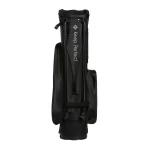 Premium Stand Bag
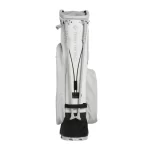 Ultra-Light Stand Bag
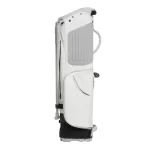 Hybrid Stand Bag
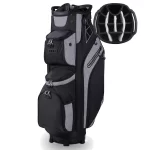 Rain-Resistant Stand Bag
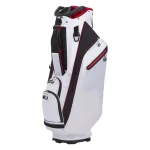 Premium Tour Cart Bag
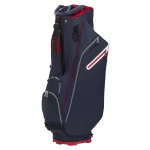 Lightweight Cart Bag
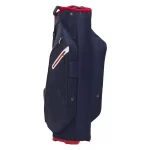 Waterproof Cart Bag
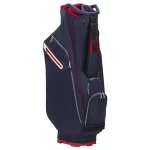 Staff Cart Bag
Need custom golf bags? Contact us for OEM/ODM quotes — MOQ 100pcs, FOB Xiamen.