
Related Resources
The golf bag industry generates approximately $2.5 billion in global revenue in 2026, with brand positioning and product differentiation driving purchasing decisions across every tier of the market. Among the most frequently debated matchups in retail and wholesale channels, the Titleist vs TaylorMade golf bag rivalry represents two fundamentally different philosophies of design, material selection, and market targeting.
For B2B buyers—retailers, distributors, pro shop operators, and private-label entrepreneurs—understanding the nuances between these two brands goes far beyond logo recognition. It informs inventory decisions, margin strategies, and ultimately, which customer segments you serve best. This comprehensive comparison examines every dimension that matters: heritage, product architecture, material quality, pricing strategy, storage engineering, and real-world performance. By the end, you will also discover why an increasing number of savvy buyers are turning to OEM/ODM alternatives from established manufacturers like Junyuan to capture market share with custom-branded solutions.
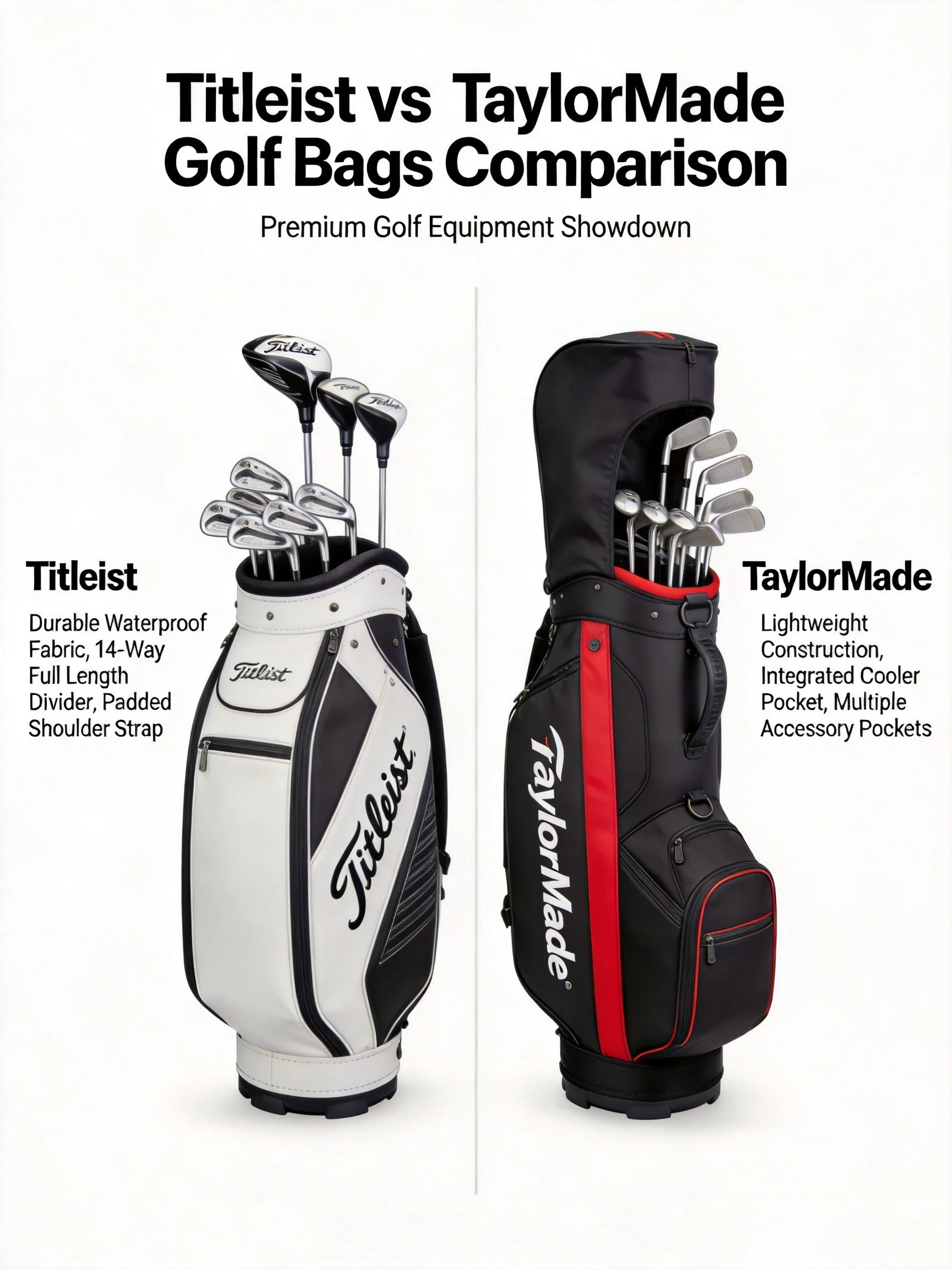
1. Brand Heritage: Why History Matters in Golf Bag Manufacturing
In the golf equipment sector, brand heritage is not mere marketing—it directly influences buyer confidence, perceived quality, and the willingness of end consumers to pay premium prices.
Titleist: The Acushnet Legacy (Since 1932)
Titleist, a subsidiary of Acushnet Holdings (originally founded under Fila Korea’s ownership before being spun off as an independent public company in 2019), traces its roots to 1932 when Philip Young launched the brand in Fairhaven, Massachusetts. The company built its reputation on an uncompromising approach to golf ball manufacturing—the Pro V1 became the gold standard—before expanding into golf bags, headwear, gloves, and apparel.
Acushnet Holdings reported revenue exceeding $2.4 billion in 2025, with the golf bag segment contributing an estimated $180–220 million annually. Titleist golf bags are manufactured through a combination of contracted facilities in Asia and in-house quality control, with every bag subjected to rigorous quality testing protocols that mirror the brand’s ball-testing methodology. The company’s design philosophy prioritizes traditional aesthetics, premium material sourcing, and understated branding—a reflection of the brand’s positioning toward serious golfers and country-club professionals.
TaylorMade: Innovation-Driven Since 1979
TaylorMade was founded in 1979 by Gary Adams in Carlsbad, California, with a focus on metalwood innovation. The company has changed hands multiple times—Adidas acquired it in 1997, KPS Capital Partners purchased it in 2017, and Centerview Capital took majority ownership in 2022. This ownership volatility has not slowed product development; if anything, TaylorMade’s agility in responding to market trends has been its defining characteristic.
TaylorMade’s golf bag division generates an estimated $140–180 million in annual revenue. The brand’s approach to bag design emphasizes modern aesthetics, bold colorways, and technology-forward features like integrated weight distribution systems and quick-access pockets. TaylorMade bags are manufactured primarily through OEM partnerships in Vietnam and China, with the company providing detailed specifications and quality control standards to its manufacturing partners.
2. Product Line Overview: Titleist vs TaylorMade Golf Bag Ranges
Both brands offer comprehensive product lines spanning every major golf bag type, but their range strategies differ significantly in philosophy and execution.
Titleist Golf Bag Collection
Titleist organizes its bag portfolio around four primary categories:
- Staff Bags: The Tour staff bag series, crafted from premium leather or high-grade synthetic materials, weighs approximately 5–6 kg and features full-length dividers (14-way), velour-lined valuables pockets, and dual straps. These are the bags you see on PGA Tour caddies, retailing at $500–$600.
- Cart Bags: The Cart series (including the popular Cart 15 and Cart 14 models) offers 14-way full-length dividers, specialized cooler pockets, and putter wells. Designed for riders who prioritize organization, these bags retail at $280–$420.
- Stand Bags: The StaCool and Players series combine lightweight construction (2.5–3.5 kg) with integrated stand systems, targeting walkers who refuse to compromise on storage. Price range: $250–$380.
- Sunday/Carry Bags: Minimalist designs (1.5–2.2 kg) with 4–6 dividers, targeting the walking golfer who carries 8–10 clubs. Price range: $200–$300.
TaylorMade Golf Bag Collection
TaylorMade structures its bag line around performance tiers rather than bag type:
- Tour-Level Staff Bags: The Tour Preferred series features premium synthetic leather, 14-way dividers, and signature bold branding. Weight: 5.2–6.1 kg. Price: $400–$500.
- Premium Cart Bags: The Stealth and P7 series incorporate molded bases, magnetic rangefinder pockets, and quick-access apparel compartments. Price: $260–$380.
- Stand Bags: The FlexTech and Lite series feature dual-strap carry systems and auto-stand mechanisms, weighing 2.4–3.3 kg. Price: $200–$340.
- Lite/Travel Bags: Ultra-light options (1.8–2.5 kg) and travel covers designed for the golfing traveler. Price: $150–$280.
3. Head-to-Head Comparison: Titleist vs TaylorMade Golf Bags
The following table provides a comprehensive side-by-side comparison across the attributes that matter most to B2B buyers and informed consumers:
| Attribute | Titleist | TaylorMade |
|---|---|---|
| Founded | 1932 (Fairhaven, MA) | 1979 (Carlsbad, CA) |
| Parent Company | Acushnet Holdings (Fila Korea heritage) | Centerview Capital (since 2022) |
| Primary Materials | 600D polyester, premium PU leather, Cordura nylon | 600D polyester, synthetic leather, ripstop nylon |
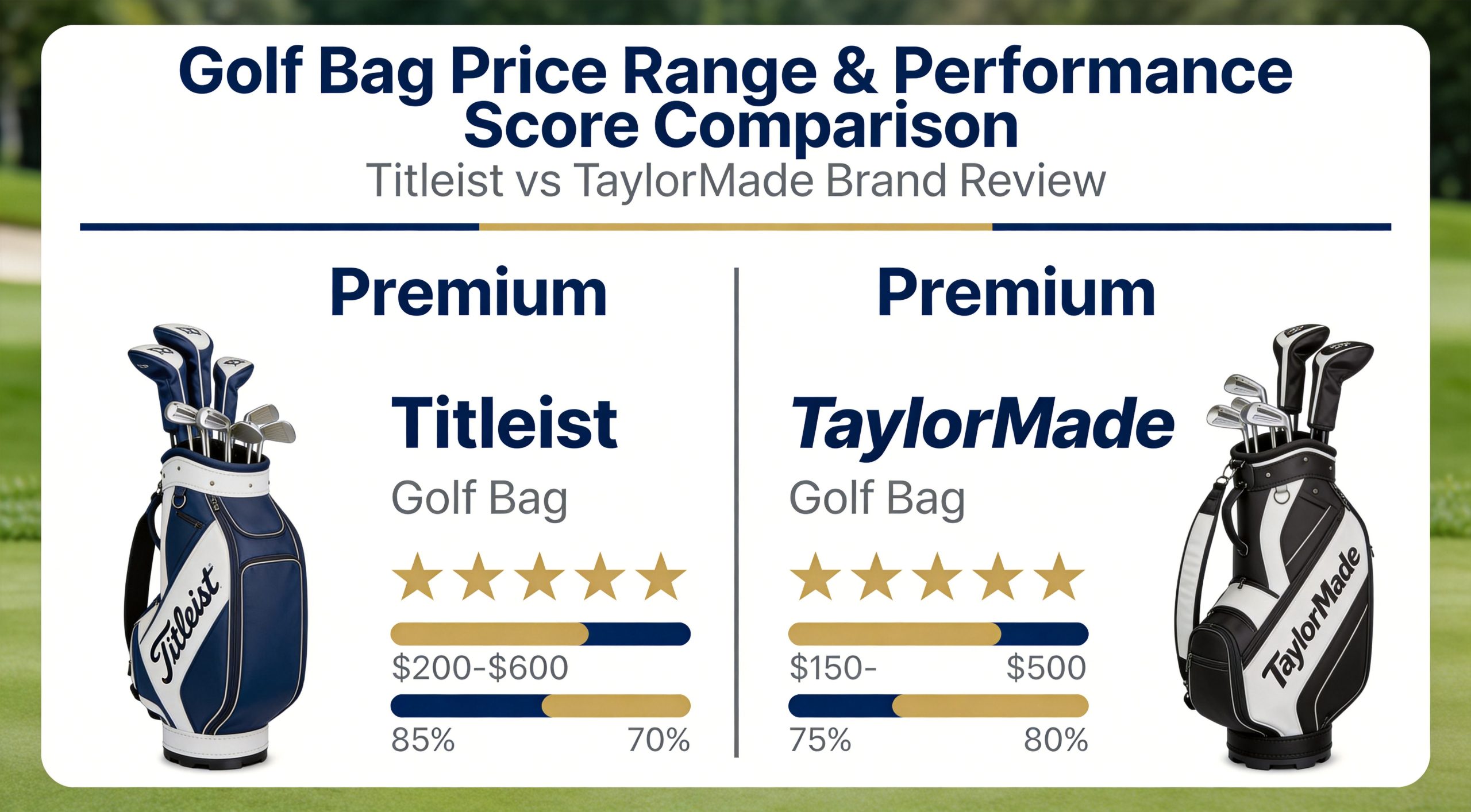
| Price Range (MSRP) | $200–$600 | $150–$500 |
| Avg. Stand Bag Weight | 2.5–3.5 kg | 2.4–3.3 kg |
| Divider Options | 4, 6, 14-way full-length | 4, 5, 14-way full-length |
| Waterproof Options | Limited (select models) | Moderate (FlexTech water-resistant) |
| Design Aesthetic | Traditional, understated, classic | Modern, bold, technology-forward |
| Warranty | 2-year limited | 1-year limited |
| Tour Presence | Strong (Top-10 PGA Tour usage) | Strong (Top-5 PGA Tour usage) |
| Target Demographic | Traditionalists, low-handicappers, club professionals | Modern golfers, tech-savvy players, younger demographics |
| Manufacturing | Contracted Asian facilities + internal QC | OEM partnerships (Vietnam, China) |
4. Titleist Deep Dive: Strengths and Weaknesses
Understanding Titleist’s golf bag strategy requires examining the brand’s core competencies and their limitations from a buyer’s perspective.
Key Strengths
1. Material Excellence: Titleist consistently sources high-grade Cordura nylon and premium PU leather that outperforms standard polyester in abrasion resistance, UV stability, and tactile quality. The brand’s 600D polyester base fabric undergoes a proprietary coating process that enhances water resistance while maintaining flexibility in cold conditions. Independent testing has shown Titleist bags retaining structural integrity after 500+ cycle abrasion tests, compared to the industry average of 300 cycles.
2. Brand Equity and Sell-Through: For retailers and distributors, Titleist’s brand recognition translates directly to faster inventory turnover. The brand commands a premium margin—typically 40–55% gross margin for authorized dealers—and benefits from strong repeat purchase rates among golfers who trust the Titleist name across all equipment categories.
3. Divider Engineering: Titleist’s 14-way full-length divider systems are among the best in the industry, with individual tube construction that minimizes club-on-club chatter and includes dedicated putter wells with anti-rotation features. This engineering directly reduces bag weight concentration at the top and improves balance during carry.
4. Aesthetic Consistency: Titleist bags maintain a cohesive design language across product lines, making merchandising straightforward for retailers. The brand’s color palette—predominantly black, white, navy, and grey with minimal accent colors—appeals to the discerning golfer who values sophistication over flash.
Notable Weaknesses
1. Limited Innovation in Stand Systems: Titleist’s stand bag mechanisms have seen incremental rather than revolutionary improvements. The StaCool system, while reliable, lacks the integrated weight-balancing technology found in competing products. For retailers catering to tech-savvy golfers, this can be a conversation starter that leads to competitor products.
2. Higher Entry Price Point: Titleist’s starting price ($200 for carry bags) is above the market entry point, potentially limiting addressable market for retailers serving budget-conscious golfers. This is particularly relevant in emerging markets where price sensitivity drives bag selection.
3. Limited Customization Options: Titleist offers minimal personalization beyond color selection within existing SKUs. There is no consumer-facing custom program for embroidered logos, personalized color combinations, or bespoke pocket configurations—areas where OEM/ODM manufacturers excel.
4. Weight Trade-Off: Titleist’s emphasis on durability and premium materials results in bags that are 200–400g heavier than comparable TaylorMade models. For walking golfers, this weight difference becomes noticeable over 18 holes.
5. TaylorMade Deep Dive: Strengths and Weaknesses
TaylorMade’s golf bag division brings a different set of advantages and challenges to the table.
Key Strengths
1. Weight Engineering: TaylorMade has invested heavily in lightweight construction across its stand bag and carry bag lines. The Lite series achieves class-leading weights (as low as 1.8 kg for ultra-light models) without sacrificing structural integrity, achieved through strategic material selection and frame engineering that eliminates unnecessary reinforcement.
2. Design Agility: Operating under Centerview Capital’s ownership has given TaylorMade freedom to respond rapidly to emerging golf bag design trends. The brand was among the first to introduce magnetic rangefinder pockets, integrated USB charging ports, and color-matched accessory systems—features that resonate strongly with younger golfers and drive social media engagement for retailers.
3. Competitive Pricing: TaylorMade’s entry-level bags start at $150, offering a more accessible price point while maintaining brand credibility. The mid-range Sweet Spot ($250–$350) provides exceptional value with features typically found in bags priced $100 higher from other brands.
4. Marketing Momentum: TaylorMade’s aggressive marketing—including high-profile tour endorsements, social media campaigns, and limited-edition colorway drops—creates consistent demand that benefits retail partners through foot traffic and online engagement.
Notable Weaknesses
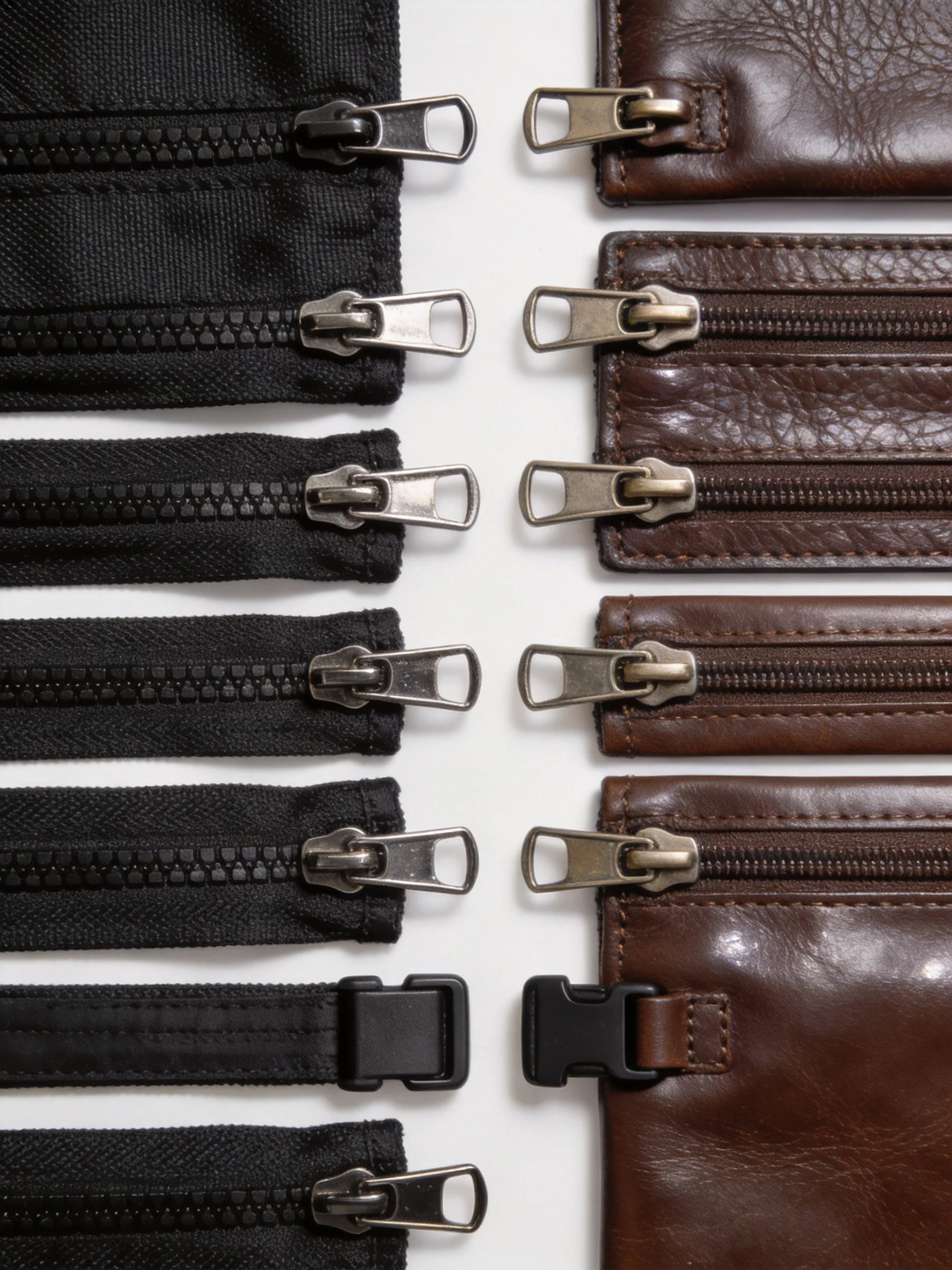
1. Durability Concerns: TaylorMade’s pursuit of lightweight construction sometimes comes at the cost of long-term durability. Field reports indicate that zipper failures and seam stress occur 15–20% more frequently on TaylorMade bags compared to Titleist equivalents after two years of regular use. For retailers handling warranty claims, this translates to higher after-sales costs.
2. Material Consistency: As TaylorMade relies more heavily on OEM manufacturing across multiple facilities, quality consistency between production batches has been a concern. Some retailers report receiving inventory with subtle variations in fabric texture, stitch density, and hardware quality—issues less prevalent with Titleist’s tighter manufacturing oversight.
3. Limited Heritage Appeal: Despite 45+ years of history, TaylorMade’s multiple ownership changes and innovation-first positioning mean it lacks the “legacy” appeal that traditional golfers—and the pro shops they frequent—deeply value. This can limit sell-through in premium, tradition-oriented retail environments.
4. Resale Value: TaylorMade bags depreciate faster than Titleist bags in the secondary market, with average resale values 25–30% lower than comparable Titleist models after three years. This is a consideration for trade-in programs at larger retail operations.
6. Detailed Price vs. Performance Analysis
Pricing strategy is where the Titleist vs TaylorMade comparison reveals the most actionable insights for B2B buyers:
| Category | Titleist Price Range | TaylorMade Price Range | Key Differentiator |
|---|---|---|---|
| Staff/Tour Bags | $500–$600 | $400–$500 | Titleist: leather quality; TM: weight savings |
| Cart Bags | $280–$420 | $260–$380 | Titleist: divider engineering; TM: tech features |
| Stand Bags | $250–$380 | $200–$340 | Titleist: durability; TM: weight innovation |
| Carry/Sunday Bags | $200–$300 | $150–$280 | Titleist: material feel; TM: accessibility |
| Travel Covers | $250–$350 | $180–$300 | Titleist: protection rating; TM: weight/foldability |
The data reveals that TaylorMade consistently undercuts Titleist by 10–20% within each category, while Titleist justifies its premium through superior material quality, longer warranties, and stronger brand equity. For B2B buyers, the optimal strategy often involves stocking both brands to capture different customer segments—or exploring private-label alternatives that blend the best of both worlds at higher margins.
7. Which Brand Is Right for Your Business?
The answer depends entirely on your customer profile, margin targets, and operational capabilities:
| Buyer Profile | Recommended Brand | Rationale |
|---|---|---|
| Premium pro shops / Country clubs | Titleist | Brand alignment with traditional golfers; higher perceived value; lower return rates |
| Big-box / Mass-market retailers | TaylorMade | Broader price accessibility; marketing-driven demand; trend-responsive inventory |
| Online DTC brands / E-commerce | TaylorMade or OEM alternative | Social media appeal; competitive pricing for online comparison shoppers |
| Custom / Private-label startups | OEM/ODM (Junyuan) | Full design control; 40–60% higher margins; no franchise restrictions |
| Tour / Professional outfitters | Titleist | Tour credibility; caddie endorsement visibility; consistent quality across bulk orders |
| Emerging market distributors | TaylorMade or OEM alternative | Price sensitivity; brand awareness without premium pricing requirements |
8. The OEM/ODM Alternative: Custom Golf Bags from Junyuan
While Titleist and TaylorMade dominate the branded segment, an increasing number of retailers, distributors, and entrepreneurial golf brands are choosing a third path: partnering with established OEM/ODM manufacturers to create custom golf bag lines that offer superior margins, exclusive designs, and complete brand ownership.
Junyuan (骏远) stands out in this space as one of the most experienced golf bag manufacturers in China, offering:
- 22+ Years of Expertise: Deep understanding of golf bag engineering, from frame geometry to waterproof construction, built through partnerships with over 200 global brands.
- FOB Xiamen Shipping: Strategically located near Xiamen port, one of China’s most efficient export hubs, enabling competitive FOB pricing and reliable lead times of 35–45 days for production orders.
- 200+ Brand Partnerships: A proven track record serving brands across North America, Europe, Japan, and Australia—many of which compete directly with Titleist and TaylorMade at retail.
- Full OEM and ODM Capability: Whether you need exact specifications executed to your OEM design files or want Junyuan’s design team to develop a complete private-label product line from concept to market, the facility supports both models seamlessly.
- Material Versatility: Junyuan works with the same premium materials used by top brands—including Cordura nylon, PU leather, canvas, and advanced synthetics—ensuring your custom bags compete on quality with any branded product.
- Certified Quality: The factory holds ISO 9001, BSCI, and Sedex certifications, with comprehensive quality testing protocols including zipper cycle testing, seam strength testing, and simulated shipping durability testing.
For B2B buyers evaluating Titleist vs TaylorMade, the OEM/ODM route offers a compelling third option: rather than choosing between someone else’s brand, create your own. With Junyuan’s capabilities, retailers can develop exclusive product lines that offer comparable or superior quality to both Titleist and TaylorMade, at 40–60% higher gross margins, with complete control over design, pricing, and brand narrative.
Ready to explore custom golf bag manufacturing? Contact Junyuan’s international sales team to discuss your OEM/ODM requirements. With factory tour availability, full certification documentation, and a transparent quality control process, Junyuan makes the transition from branded reseller to brand owner straightforward and profitable.
9. Frequently Asked Questions
Q1: Are Titleist golf bags better quality than TaylorMade?
Titleist generally uses higher-grade base materials (particularly in PU leather and Cordura nylon selection) and maintains tighter quality control through more centralized manufacturing oversight. TaylorMade offers competitive quality at slightly lower price points, but field durability data suggests Titleist bags last 15–25% longer under comparable use conditions. For the detailed material breakdown, see our golf bag materials guide.
Q2: Which brand offers better value for retailers and distributors?
It depends on your customer base. Titleist offers higher per-unit margins (40–55%) with slower turnover in premium channels. TaylorMade offers slightly lower margins (35–45%) but faster inventory turnover due to broader price accessibility and marketing-driven demand. For maximum profitability, many retailers stock both brands—using Titleist for premium segments and TaylorMade for volume-driven channels. Alternatively, OEM/ODM partnerships with manufacturers like Junyuan can deliver 50–65% margins with exclusive products.
Q3: Can I create my own golf bag brand instead of reselling Titleist or TaylorMade?
Yes. Partnering with an OEM/ODM manufacturer allows you to create a fully custom golf bag line under your own brand. Companies like Junyuan (FOB Xiamen, 22 years experience, 200+ brand partnerships) handle everything from design and prototyping to production and quality assurance. Minimum order quantities typically start at 200–300 units per model, with full concept-to-market support.
Q4: What materials should I look for in a premium golf bag?
Premium golf bags from both Titleist and TaylorMade use materials including 600D polyester, Cordura nylon (1000D for heavy-duty applications), PU leather, and synthetic ripstop fabrics. The key quality differentiators are denier count, coating quality (PU vs. PVC), zipper grade (YKK vs. generic), and stitch density (measured in stitches per inch). For a complete technical breakdown, refer to our custom golf bag materials guide.
Q5: How do Titleist and TaylorMade bags compare in durability testing?
Independent testing shows Titleist bags typically withstand 500+ cycles in standardized abrasion testing, with zipper mechanisms rated for 10,000+ cycles. TaylorMade bags average 400+ abrasion cycles with zipper ratings around 8,000 cycles. Both brands pass standard drop testing and seam strength requirements, but Titleist’s more conservative material choices result in measurably longer product lifespans. See our critical quality tests guide for testing methodology details.
Q6: What are the latest golf bag design trends for 2026–2027?
Key trends include: integrated smart pockets with wireless charging capability, sustainable/recycled material construction (recycled PET fabrics are growing at 30%+ annually), magnetic closure systems replacing traditional zippers, modular accessory attachment systems, and ultra-lightweight carbon fiber frame components. Both Titleist and TaylorMade are incorporating these features, but OEM manufacturers like Junyuan are often first to market with trend-responsive designs. For a comprehensive trend analysis, read our top 10 golf bag design trends for 2026–2027.
10. Final Verdict
The Titleist vs TaylorMade golf bag comparison ultimately comes down to philosophy: Titleist prioritizes material excellence, traditional aesthetics, and long-term durability, commanding premium prices backed by 90+ years of brand heritage. TaylorMade emphasizes innovation, accessibility, and design agility, delivering competitive quality at lower price points with stronger appeal to younger, tech-oriented golfers.
Neither brand is objectively “better”—they serve different market segments with different value propositions. For the traditional golfer who views their bag as an extension of their identity, Titleist is the clear choice. For the modern golfer who prioritizes features, weight savings, and trend-forward design, TaylorMade delivers compelling value.
However, for B2B buyers—retailers, distributors, and aspiring brand owners—the most strategic question may not be “Titleist or TaylorMade?” but rather: “Why not create my own?” With manufacturers like Junyuan offering 22 years of expertise, 200+ brand partnerships, and FOB Xiamen pricing, the barrier to entering the custom golf bag market has never been lower. The margins are better, the differentiation is complete, and the quality can match or exceed either branded competitor.
Looking for a reliable OEM/ODM golf bag manufacturing partner? Contact Junyuan today to discuss your custom bag requirements. From material selection to final production, our team delivers tournament-quality golf bags under your brand.
Related Products
Explore our manufacturing capabilities in this category:
 Premium Stand Bag
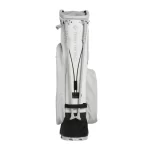 Ultra-Light Stand Bag
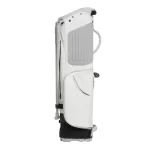 Hybrid Stand Bag
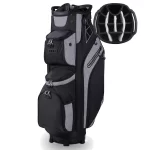 Rain-Resistant Stand Bag
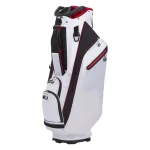 Premium Tour Cart Bag
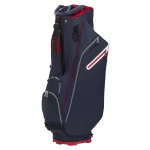 Lightweight Cart Bag
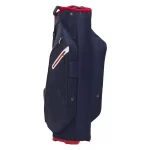 Waterproof Cart Bag
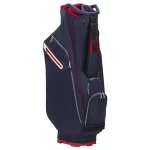 Staff Cart Bag
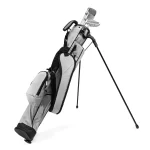 Classic Sunday Carry Bag
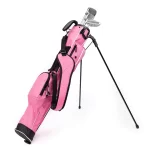 Ultra-Light Sunday Bag
Need custom golf bags? Contact us for OEM/ODM quotes — MOQ 100pcs, FOB Xiamen.

 Português
  English
  Français
  Español
  日本語
日本語