
Material selection is the single most impactful decision in golf bag design. It determines durability, weight, water resistance, visual appeal, and ultimately the price point at which your brand can compete. For B2B brands developing custom golf bag lines, understanding the performance characteristics of each material is essential for making informed decisions that align with your target market’s expectations and quality standards.
The global golf bag materials market is valued at approximately USD 850 million, with high-denier nylon fabrics accounting for the largest revenue share. Industry projections indicate that the premium segment (bags using 1000D+ nylon or PU leather) will grow at 7.2% CAGR through 2030, outpacing the value segment. This shift presents both an opportunity and a challenge for brands: choosing the right material is no longer just a production decision — it is a brand positioning decision that communicates your value proposition before a customer ever reads your marketing copy.
This comprehensive comparison examines the three most widely used materials in OEM golf bag production — 1000D Cordura nylon, PU leather, and heavy-duty canvas — across the dimensions that matter most to brands and end consumers. Whether you are a product manager sourcing materials for a new line or a procurement specialist evaluating supplier recommendations, this guide provides the technical framework for material selection.
Quanzhou, the manufacturing base where Keep Perfect Golf has operated since 2004, is recognized globally as the epicenter of bag manufacturing innovation. The region’s concentration of specialized material suppliers, testing laboratories, and skilled workforces creates a unique ecosystem where material development and production optimization happen in parallel — giving brands faster access to next-generation materials and more competitive pricing than sourcing from dispersed manufacturing locations.
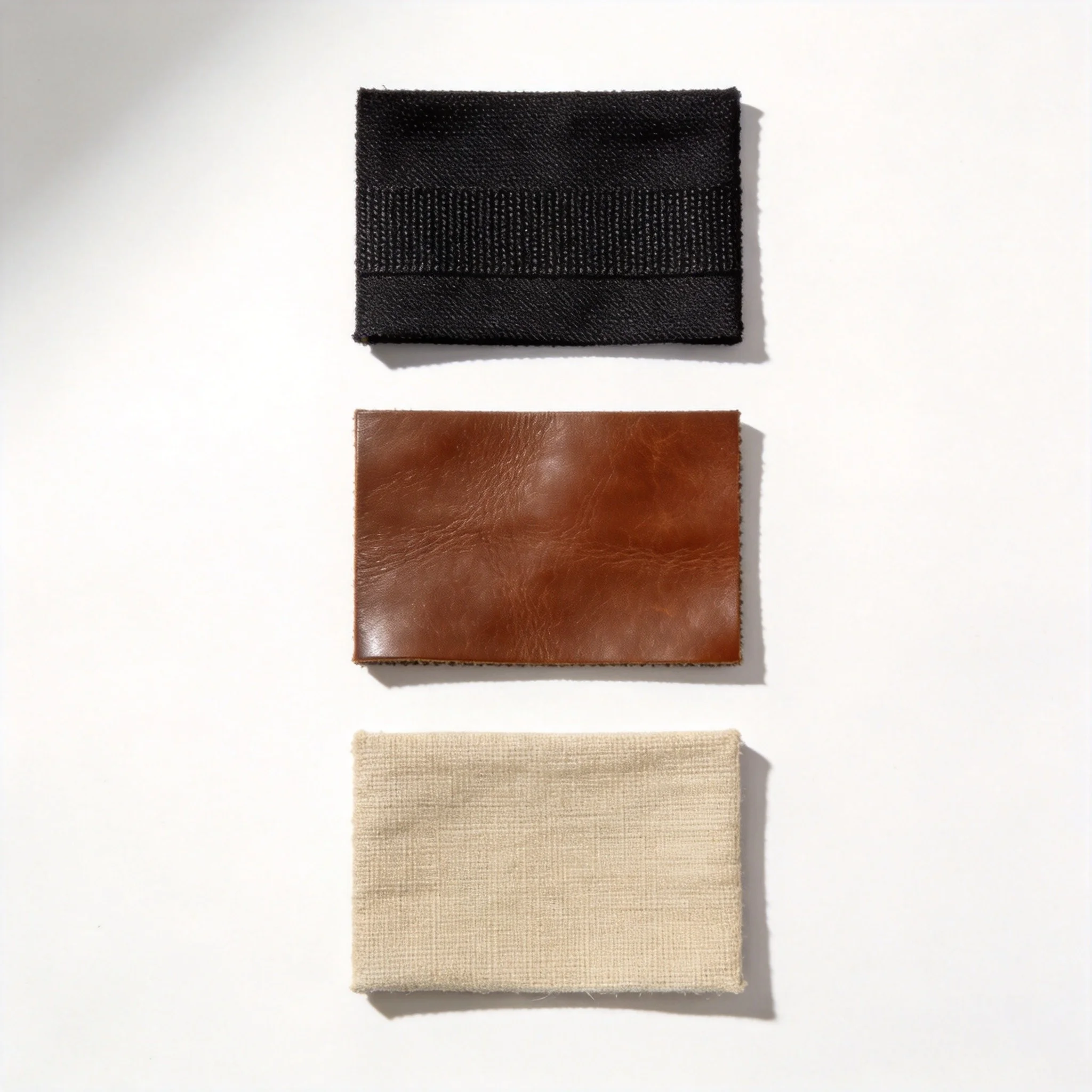
1. 1000D Cordura Nylon: The Premium Performance Standard
Cordura nylon, originally developed by INVISTA (now part of The Lycra Company), has become the gold standard for premium golf bags. The “1000D” designation refers to the fabric’s denier — a measurement of fiber thickness where higher numbers indicate thicker, more durable yarns. At 1000 denier, Cordura offers exceptional abrasion resistance, reportedly 3x more resistant than standard nylon e 10x more than lightweight polyester alternatives (based on ASTM D3884 Taber abrasion testing).
Technical Properties of 1000D Cordura
| Property | Value | Significance |
|---|---|---|
| Denier | 1000D | Fiber thickness indicator |
| Tensile Strength | ≥ 350 lbs (warp) | Load-bearing capacity |
| Tear Strength | ≥ 80 lbs | Resistance to ripping |
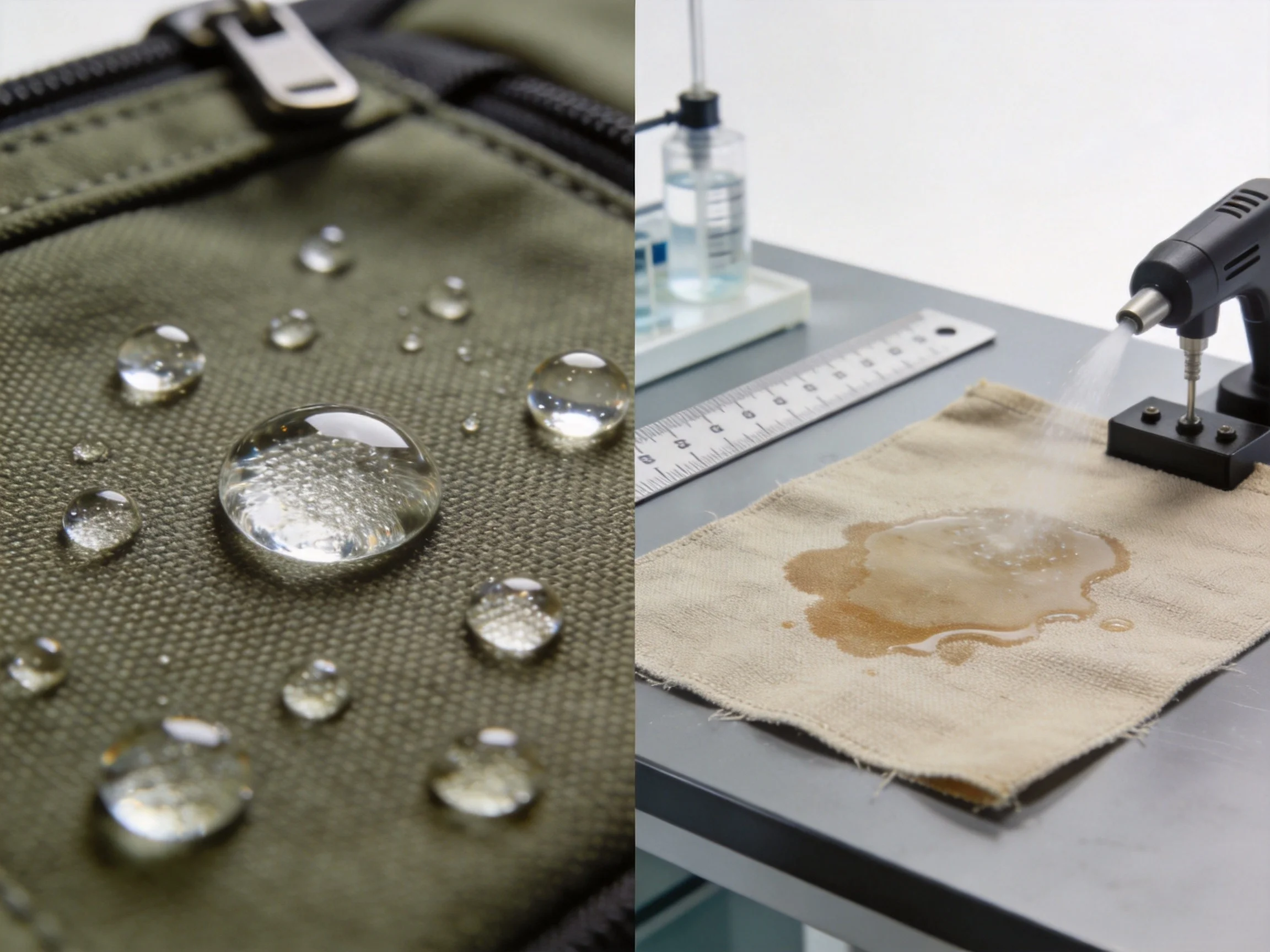
| Water Resistance | 1000mm+ (with PU coating) | Hydrostatic head rating |
| UV Resistance | 500+ hours (AATCC 16) | Color retention in sunlight |
| Weight | ~340 g/m² | Fabric weight per square meter |
| Abrasion (Taber) | >100,000 cycles | Surface wear resistance |
For premium brand positioning, 1000D Cordura delivers several advantages. Its tight weave accepts dye brilliantly, enabling rich, colorfast prints that resist fading from UV exposure — a critical factor for bags spending hours on sun-drenched golf courses. The fabric maintains flexibility in cold temperatures (down to -20°C), resists mildew, and dries quickly when wet. Industry data shows that approximately 65% of premium tour bags from leading brands utilize Cordura or equivalent high-denier nylon constructions.
Best Applications for Cordura Golf Bags
Cordura nylon is the optimal material choice for tour cart bags, premium stand bags, and staff cart bags — products where durability and premium perception must coexist. The fabric’s structural integrity supports complex divider systems (14-way full-length dividers) without sagging, and its surface quality makes it ideal for sublimation printing, allowing all-over custom graphics without compromising material strength.
Cost Considerations
The trade-off is cost. 1000D Cordura fabric costs 30–50% more per yard than standard 600D polyester, which translates to roughly $5–8 additional material cost per bag. For brands targeting the $200+ retail segment, however, this investment is not just justified — it is expected by discerning consumers who associate fabric quality with overall product quality. The ROI manifests in lower warranty claims, higher customer satisfaction scores, and premium retail placement.
2. PU Leather: Luxury Aesthetics with Practical Performance
Polyurethane (PU) leather occupies a distinct niche in the golf bag market, offering the premium visual appeal of genuine leather without the weight, maintenance requirements, or ethical concerns. PU leather has evolved significantly in recent years — modern formulations offer improved breathability, better resistance to peeling (50,000+ flex cycles without cracking), and more natural grain patterns that are increasingly difficult to distinguish from genuine leather even at close inspection.
Technical Properties of PU Leather for Golf Bags
| Property | Value | Significance |
|---|---|---|
| Thickness | 0.8–1.2mm | Material body and rigidity |
| Tensile Strength | ≥ 200 lbs | Structural integrity |
| Flex Resistance | 50,000+ cycles | Crack prevention |
| Water Resistance | Excellent (sealed seams) | Moisture protection |
| Weight | ~600–900 g/m² | Heavier than nylon |
| Temperature Range | -10°C to +60°C | Performance envelope |
| Embossing Quality | Excellent | Logo and branding clarity |
PU leather golf bags typically target the luxury and lifestyle segments, with retail prices ranging from $300 to $800+. The material excels in embossing and debossing applications, making it ideal for brands that rely on logo placement and tactile branding elements. It also provides excellent water resistance when properly sealed at seams.
When specifying PU leather for OEM production, pay close attention to the backing fabric. High-quality PU leather for golf bags uses a polyester or cotton backing that provides structural support and prevents stretching. The bonding method — whether solvent-based or water-based lamination — affects both the environmental profile and long-term delamination resistance. Water-based PU bonding, while slightly more expensive, eliminates DMFa (dimethylformamide) solvent concerns and is increasingly required by EU REACH regulations. Always request the manufacturer’s PU specification sheet including backing type, bonding method, and flex test results before approving material for production.
Production Considerations for PU Leather
However, PU leather has limitations that affect manufacturing. It is heavier than nylon (adding approximately 0.5–1 lb to bag weight), less breathable (which can trap moisture against club shafts if ventilation is not properly designed), and more susceptible to scratching. For OEM production, PU leather requires more careful handling during sewing to avoid needle marks and surface damage, which increases production time by approximately 15–20% compared to nylon construction. This additional labor cost is reflected in the unit price.
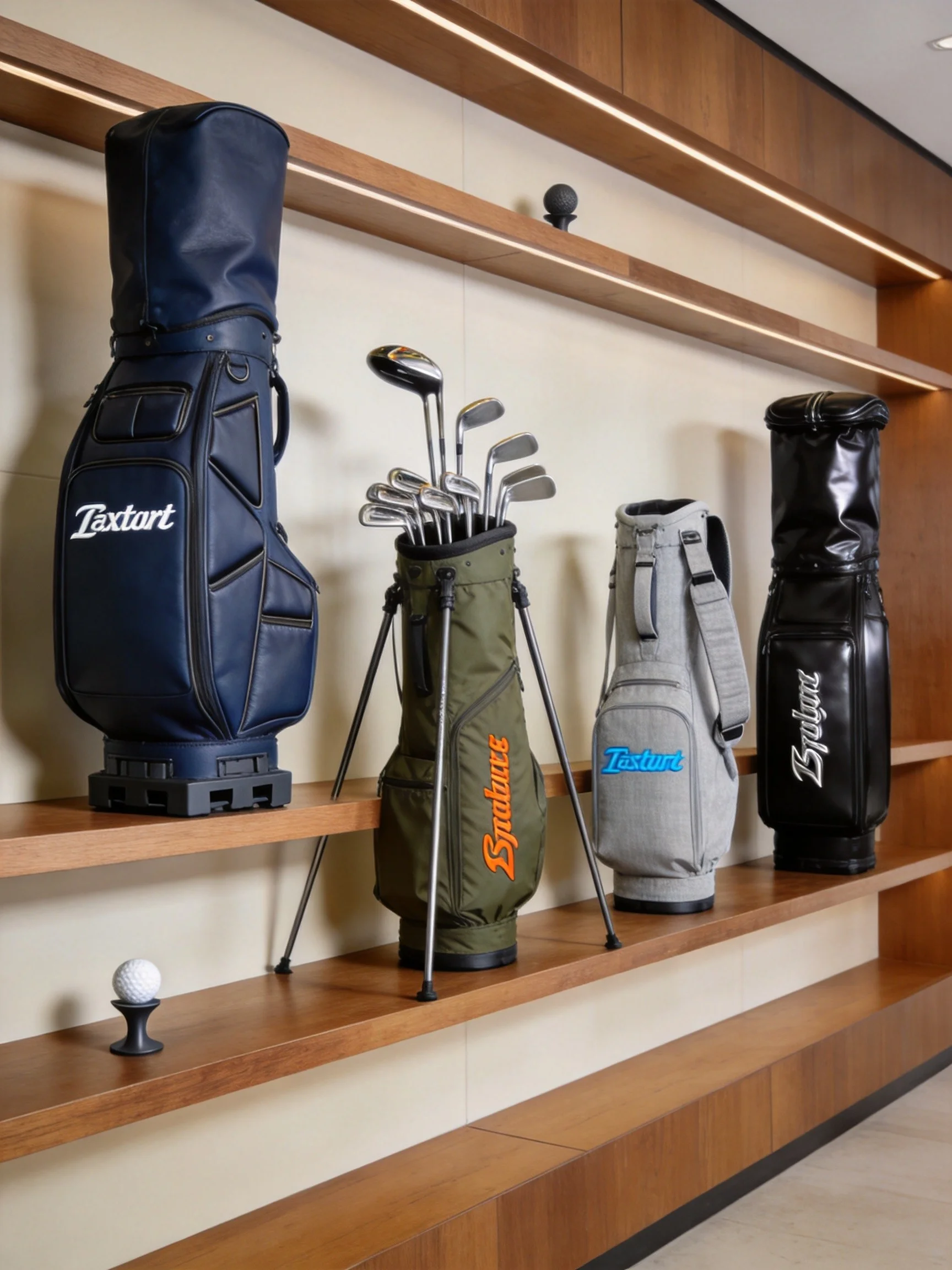
PU leather is the preferred material for luxury staff cart bags and limited-edition collections where visual impact takes priority over weight optimization. Brands like Titleist, Sun Mountain, and Ogio have all built premium PU leather lines that command strong retail margins through perceived luxury positioning.
3. Heavy-Duty Canvas: Heritage Appeal Meets Durability
Canvas — typically 18oz to 22oz cotton or cotton-blend fabric — has experienced a renaissance in the golf bag market, driven by consumer interest in heritage aesthetics and vintage-inspired designs. Canvas bags occupy the “classic American” design space, appealing to golfers who prefer timeless style over cutting-edge technical features. This segment has grown approximately 12% annually since 2022, according to industry data from the Golf Manufacturers Association.
Technical Properties of Canvas for Golf Bags
| Property | Value | Significance |
|---|---|---|
| Fabric Weight | 18–22 oz/yd² | Heavy-duty classification |
| Tensile Strength | ~250 lbs (warp) | Load-bearing capacity |
| Water Resistance | Moderate (waxed) / Low (unwaxed) | Requires treatment |
| Weight | ~610–745 g/m² | Heaviest of three materials |
| Embroidery Quality | Excellent | Ideal for logo application |
| Patina Development | High | Ages beautifully over time |
| Biodegradability | Yes (cotton base) | Environmental advantage |
Waxed canvas treatments provide excellent water resistance while maintaining the fabric’s characteristic hand feel and visual patina that develops over time. The material accepts embroidery beautifully and can be paired with leather trim for a premium mixed-material aesthetic that commands strong retail margins.
From a supply chain perspective, sourcing quality canvas requires attention to origin. Long-staple cotton canvas (from US or Egyptian cotton) delivers superior tensile strength and smoother embroidery surfaces compared to short-staple alternatives. The Keep Perfect Golf sourcing team maintains direct relationships with certified cotton suppliers, ensuring consistent fabric quality across production runs — a critical factor when your brand’s reputation depends on the patina and feel of the finished product.
Production Considerations for Canvas
Canvas drawbacks include higher weight (comparable to or exceeding PU leather), longer drying times when wet, and susceptibility to mildew if stored in damp conditions without proper treatment. Production considerations include pre-shrinking requirements (3–5% shrinkage in first wash/exposure to moisture) and the need for reinforced stitching at stress points due to the fabric’s lower tensile strength compared to nylon. Canvas is ideally suited for Sunday carry bags and heritage-styled stand bags where the weight penalty is acceptable given the design aesthetic.
4. Material Comparison: Technical Data at a Glance
The following comparison matrix consolidates the key performance metrics across all three materials. Use this as a decision framework when selecting materials for your custom golf bag line:
| Criteria | 1000D Cordura Nylon | PU Leather | Heavy-Duty Canvas |
|---|---|---|---|
| Weight (per bag) | 4.5–6.5 lbs | 6.0–9.0 lbs | 5.5–8.0 lbs |
| Durability | ★★★★★ | ★★★★☆ | ★★★☆☆ |
| Water Resistance | ★★★★☆ | ★★★★☆ | ★★★☆☆ (waxed) |
| UV Resistance | ★★★★★ | ★★★☆☆ | ★★★☆☆ |
| Brandability | Print, Embroidery | Emboss, Deboss, Print | Embroidery, Patch |
| Material Cost (relative) | $$$ | $$$$ | $$ |
| Production Complexity | Standard | +15–20% time | +10% (pre-shrink) |
| Ideal Retail Price | $200–$500 | $300–$800+ | $200–$400 |
| Target Segment | Performance/Tour | Luxury/Lifestyle | Heritage/Classic |
5. Decision Framework: Matching Material to Market Position
Here is a practical framework for selecting materials based on your brand positioning and target customer profile:
- Performance/Tour segment ($250+): 1000D Cordura nylon with waterproof zippers and reinforced base. Prioritize weight-to-durability ratio. Ideal for tour cart bags e stand bags targeting scratch golfers and touring professionals.
- Luxury/Lifestyle segment ($350+): PU leather with premium hardware and embossed branding. Prioritize visual impact and tactile quality. Best for staff cart bags and limited-edition collections targeting country club demographics.
- Heritage/Classic segment ($200–$400): Waxed canvas with leather accents and brass hardware. Prioritize aesthetic differentiation and brand story. Perfect for Sunday carry bags and vintage-styled stand bags appealing to traditionalist golfers.
- Value segment ($80–$180): 600D polyester with PVC coating. Prioritize cost efficiency while maintaining acceptable quality. Suitable for promotional bags, entry-level offerings, and high-volume retail programs.
Pro tip for new brands: If you are launching your first golf bag line, consider starting with a mixed-material approach that uses Cordura nylon for high-wear areas (base, pockets, strap attachment points) while using a more cost-effective material for the main body panel. This hybrid construction delivers premium durability where it matters most while keeping unit costs manageable for initial production runs. Our ODM team has helped dozens of emerging brands optimize this balance between performance, cost, and visual appeal.
For established brands expanding their line: Consider your existing product architecture. If you already offer Cordura-based performance bags, adding a heritage canvas line or a luxury PU leather limited edition allows you to capture adjacent market segments without cannibalizing your core products. The key is ensuring each material choice reinforces your overall brand narrative and price tier structure.
Manter o golfe perfeito has extensive experience working across all material categories, having produced bags in 1000D Cordura, premium PU leather, waxed canvas, and engineered polyester for over 200 brands globally since 2004. Our material sourcing team maintains relationships with certified suppliers for each category, ensuring consistent quality regardless of your selection. Explore our OEM/ODM services to discuss material options for your specific project.
6. Regional Compliance Requirements by Material
Different materials face different regulatory requirements depending on the destination market. A quality-controlled manufacturing process ensures compliance across all regions:
| Material | US (CPSIA/Prop 65) | EU (REACH) | Key Concerns |
|---|---|---|---|
| Cordura Nylon | DWR coating compliance | PFAS restrictions (2026+) | Switch to PFAS-free DWR |
| PU Leather | DMFa solvent limits | SVHC screening | Water-based PU preferred |
| Canvas | Wax treatment compliance | AZO dye restrictions | OEKO-TEX certification recommended |
7. Emerging Material Innovations to Watch
The golf bag material landscape continues to evolve rapidly. Several innovations are reshaping how brands approach material selection:
- Recycled Nylon (rPET): Made from post-consumer waste like fishing nets and fabric scraps, recycled nylon delivers equivalent performance to virgin Cordura at a 10–15% cost premium. GRS-certified recycled nylon is now available in 500D–1000D weights.
- Plant-Based PU: Derived from corn and sugarcane, bio-based PU leather reduces carbon footprint by 30–40% compared to petroleum-based PU while maintaining identical physical properties.
- PFAS-Free DWR: Next-generation durable water repellent coatings based on dendrimer or wax chemistry provide comparable water resistance without the environmental persistence concerns.
- Dyneema Composite Fabrics: Ultra-high-molecular-weight polyethylene (UHMWPE) fabrics offer 15x the strength of steel at a fraction of the weight, positioning for ultra-premium bag applications.
According to a 2025 industry survey, 42% of golf equipment buyers now consider sustainability credentials when making purchasing decisions — a figure expected to reach 60% by 2028. Brands that proactively adopt sustainable materials position themselves ahead of both regulatory requirements and consumer expectations.
Frequently Asked Questions
1. Which material is best for premium golf bags?
For performance-oriented premium bags ($200–$500 retail), 1000D Cordura nylon is the industry standard, used by approximately 65% of leading tour bag brands. For luxury positioning ($300–$800+), PU leather delivers the visual and tactile premium perception that justifies higher price points. The choice depends on your brand positioning, target customer, and price architecture.
2. How does material choice affect the per-unit manufacturing cost?
Material choice typically accounts for 25–40% of total manufacturing cost. Compared to standard 600D polyester, 1000D Cordura adds $5–8 per bag, PU leather adds $8–15 per bag (plus 15–20% additional labor), and premium canvas adds $3–6 per bag. These material costs scale with order volume, with significant cost reductions at 500+ piece orders.
3. Can I combine different materials in a single golf bag design?
Absolutely. Many of the most successful golf bag designs use mixed-material construction — for example, Cordura nylon for the main body with PU leather accents on the base and pockets, or canvas body with leather trim. Keep Perfect Golf’s ODM design team can help optimize material combinations for both aesthetics and manufacturability.
4. What is the minimum order quantity for custom material golf bags?
Keep Perfect Golf offers an MOQ of 100 pieces per design per color, regardless of material selection. This applies to Cordura nylon, PU leather, canvas, and polyester constructions. Sample lead time is 10–18 days, and bulk production takes 45–75 days, shipping FOB Xiamen.
5. Are there sustainability certifications available for golf bag materials?
Yes. Key certifications include GRS (Global Recycled Standard) for recycled nylon and polyester, OEKO-TEX Standard 100 for fabric chemical safety, and Bluesign for comprehensive environmental and safety compliance. When sourcing sustainable materials, always request Transaction Certificates (TCs) to verify chain-of-custody documentation.
6. How do I request material samples for evaluation?
Contact Keep Perfect Golf via WhatsApp at +86 177 5002 0688 or email cco@junyuanbags.com to request material swatch cards and sample panels. We can provide physical samples of all three materials (Cordura, PU leather, canvas) in various weights and finishes for your evaluation, along with technical data sheets and compliance documentation.
Start Your Custom Golf Bag Material Project
Choosing the right material is not just a production decision — it is a brand positioning decision. The materials you select communicate your brand’s values, quality expectations, and target customer profile before a single word of marketing copy is read. Make this decision with the same rigor you apply to every other aspect of your brand strategy.
With 22 years of golf bag manufacturing experience since 2004, expertise across all major material categories, and a track record of serving 200+ brands across 100+ countries, Manter o golfe perfeito is your trusted partner for material selection and custom golf bag production.
Ready to Discuss Material Options for Your Golf Bag Line?
Manter o golfe perfeito — 22 Years | 200+ Brands | 100+ Countries
📱 WhatsApp: +86 177 5002 0688
📧 Email: cco@junyuanbags.com
🏭 Visit Our Factory | OEM/ODM Services | Certifications | Quality Control
Related Resources
Related Products
Explore our manufacturing capabilities in this category:
 Premium Stand Bag
 Ultra-Light Stand Bag
 Hybrid Stand Bag
 Rain-Resistant Stand Bag
 Premium Tour Cart Bag
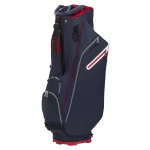 Lightweight Cart Bag
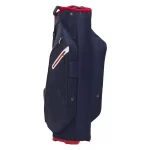 Waterproof Cart Bag
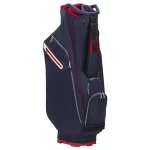 Staff Cart Bag
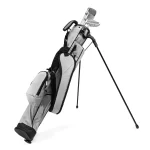 Classic Sunday Carry Bag
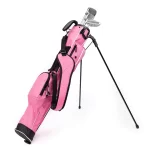 Ultra-Light Sunday Bag
Need custom golf bags? Contact us for OEM/ODM quotes — MOQ 100pcs, FOB Xiamen.
 Português
  English
  Français
  Español
  日本語
日本語