
Sustainability is no longer a nice-to-have in the golf equipment industry — it is a business imperative that directly impacts revenue, brand equity, and market access. A 2025 survey by the National Golf Foundation found that 62% of golfers under age 45 consider environmental responsibility when making equipment purchases, and 38% are willing to pay a premium of 10–15% for products with verified sustainable credentials. For B2B brands sourcing custom golf bags, this shift in consumer sentiment represents both a significant opportunity and a strategic mandate.
However, transitioning to sustainable golf bag production requires understanding which materials and processes genuinely reduce environmental impact versus those that constitute greenwashing. This comprehensive guide examines the most impactful sustainable innovations available to OEM manufacturers today, providing actionable data that B2B buyers can use to make informed sourcing decisions.
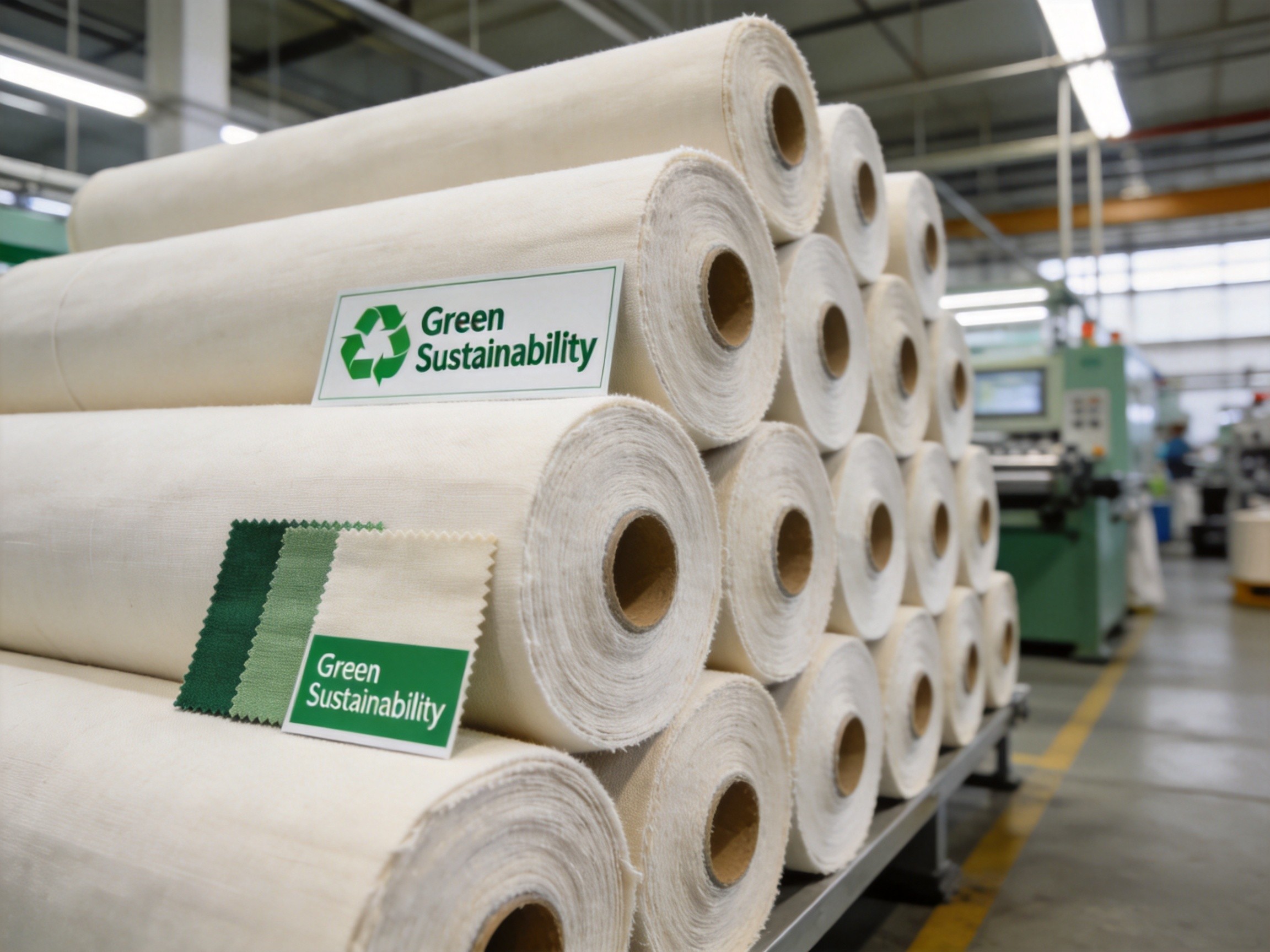
Recycled Nylon and RPET Polyester: Closing the Material Loop
Recycled nylon (commonly branded as ECONYL®) and recycled polyester (RPET) have emerged as the most commercially viable sustainable alternatives to virgin synthetics in golf bag production. These materials represent the cornerstone of any credible sustainable golf bag manufacturing program.
RPET: From Plastic Bottles to Performance Golf Bags
RPET (Recycled Polyethylene Terephthalate) is manufactured from post-consumer plastic bottles through a multi-stage process: collection → sorting → cleaning → shredding into flakes → melting into pellets → extruding into fibers → weaving into fabric. Approximately 30 recycled plastic bottles are needed to produce enough RPET fabric for one standard golf bag.
Performance-wise, RPET is virtually indistinguishable from virgin polyester. It maintains the same tensile strength (minimum 400N warp, 350N weft per ASTM D5034), abrasion resistance (>5,000 cycles on the Martindale test), and dye absorption characteristics. The environmental benefit, however, is substantial: RPET reduces CO₂ emissions by approximately 60% compared to virgin polyester production, according to data from the Bureau of International Recycling.
Recycled Nylon: The Premium Sustainable Option
Recycled nylon is derived from discarded fishing nets, carpet fibers, and industrial nylon waste. It reduces CO₂ emissions by up to 90% compared to virgin nylon production. For premium golf bag lines, recycled nylon offers the same hand feel, drape, and durability as conventional nylon while providing a verifiable sustainability story.
For OEM buyers, the cost premium for recycled materials has decreased significantly over the past five years. The following table summarizes current cost and performance comparisons:
| Material | Cost Premium vs. Virgin | Tensile Strength | CO₂ Reduction | Availability |
|---|---|---|---|---|
| RPET Polyester | 3–8% | Equivalent (400N+) | ~60% | Widely available |
| Recycled Nylon (ECONYL®) | 5–10% | Equivalent (450N+) | Up to 90% | Widely available |
| Plant-Based PU Leather | 10–20% | Comparable | 40–70% | Growing supply |
| Organic Cotton Canvas | 15–25% | Lower (200–300N) | ~45% | Limited |
Major brands including Sunice, OGIO, and Sun Mountain have already introduced full product lines using recycled materials, validating market demand and production feasibility at scale.
Plant-Based PU Leather: Luxury Without the Fossil Fuel Footprint
Traditional PU leather is petroleum-based, but next-generation plant-based alternatives are rapidly maturing. Innovations include PU derived from corn starch, sugarcane, and even mushroom mycelium. These bio-based PUs offer the same aesthetic qualities — embossing capability, premium hand feel, visual grain patterns — while reducing fossil fuel dependency by 40–70%.
The most advanced plant-based PUs now meet the same durability standards as petroleum-based alternatives, including 5,000+ cycle abrasion resistance (ISO 5470-2) and colorfastness ratings of 4+ on the gray scale. For luxury golf bag lines targeting environmentally conscious consumers, plant-based PU leather offers a compelling narrative without compromising on quality.
One critical consideration: “bio-based” content varies significantly by product. Some materials are only 20–30% plant-derived (with the remainder being conventional PU), while others achieve 60–80% bio-based content. B2B buyers should request specific bio-content percentages and third-party certification documentation (such as USDA BioPreferred or TÜV Austria OK biobased) from material suppliers to ensure claims are accurate and substantiated.
Water-Based Adhesives and PFAS-Free DWR Treatments
Traditional golf bag manufacturing relies heavily on solvent-based adhesives and PFAS-based DWR (Durable Water Repellent) coatings. Both categories are coming under increasing regulatory scrutiny — the EU has already restricted certain PFAS compounds under REACH, and similar restrictions are being considered in the United States under the EPA’s PFAS Strategic Roadmap.
Water-Based Adhesives: Performance Without VOCs
Water-based adhesives have made significant progress in performance. Modern formulations achieve bond strengths within 85–95% of solvent-based alternatives while eliminating VOC (Volatile Organic Compound) emissions entirely. The primary trade-off is slightly longer drying times in production, which adds 10–15 minutes to certain assembly steps — a manageable impact when factored into overall production planning.
The PFAS-Free Transition for Water Resistance
For water-repellent treatments on products like the Rain-Resistant Stand Bag そして Golf Bag Rain Cover, the industry is transitioning from C8-fluorocarbon-based DWR to C6 and PFAS-free alternatives. While early PFAS-free DWR treatments sacrificed some durability, newer formulations — particularly silicone-based and dendrimer-based options — now achieve comparable water repellency (AATCC Test Method 22 rating of 90+) with significantly better environmental profiles.
As of 2025, the EU’s restriction on PFAS in consumer textiles affects over 10,000 substances, making PFAS-free DWR not just an environmental choice but a market access requirement for brands selling into Europe. Expect PFAS-free treatments to become the global standard within the next 2–3 years.
Sustainable Hardware and Component Innovation
Beyond fabrics and coatings, component sustainability is an often-overlooked opportunity that can significantly enhance a product’s environmental credentials. Key innovations include:
| Component | Traditional Material | Sustainable Alternative | Environmental Benefit |
|---|---|---|---|
| Zipper pulls | Virgin metal/plastic | Recycled zinc alloy or RPET tape | 30–50% lower carbon footprint |
| Buckles & clips | Virgin ABS plastic | Castor oil-based bioplastic nylon | 60% reduction in fossil fuel use |
| Packaging | Plastic poly bags | FSC-certified kraft paper / compostable bags | 100% biodegradable or recyclable |
| Base panels | EVA foam (petroleum) | Cork composite or bamboo fiber board | Renewable, naturally antimicrobial |
| Shoulder straps | Virgin polyester webbing | RPET or organic cotton blend webbing | Matches fabric sustainability |
Some manufacturers are exploring natural fiber reinforcements — bamboo fiber inserts, cork base panels, and hemp blend accents — that add visual sustainability cues while providing genuine performance benefits. Cork, for example, is naturally water-resistant, lightweight (density approximately 0.12–0.24 g/cm³), and antimicrobial, making it an excellent material for base panels and accent panels on products like the Waterproof Cart Bag.
Manufacturing Process Optimization: Reducing Impact Beyond Materials
Sustainable manufacturing extends beyond material selection to encompass the entire production process. Keep Perfect Golf’s manufacturing facility in Quanzhou, China — operating since 2004 — has implemented several process-level sustainability measures:
Energy and Water Reduction
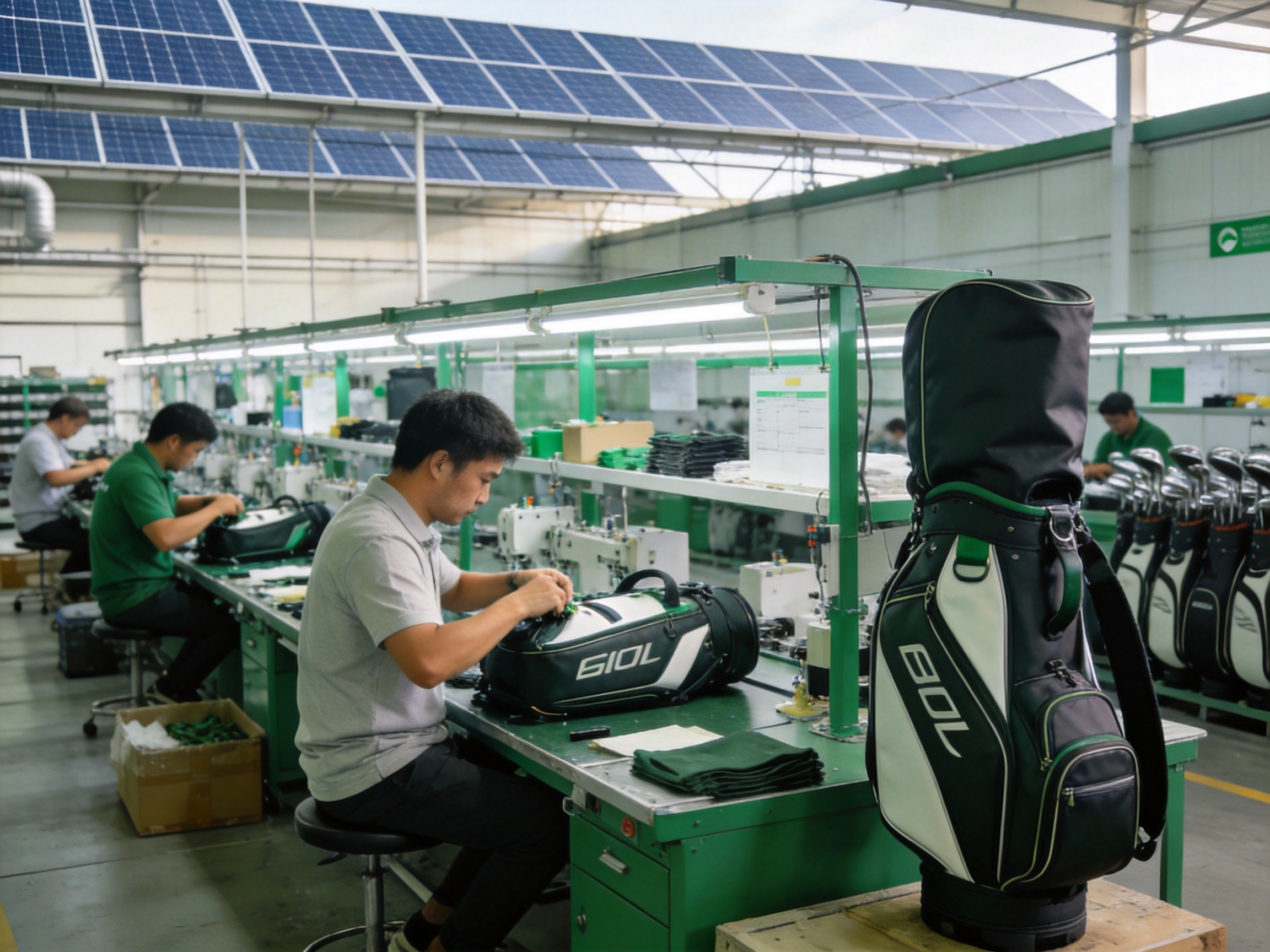
Solar panel installations on factory rooftops generate approximately 30% of the facility’s electricity needs. Water recycling systems in the cutting and sewing departments reduce freshwater consumption by 40%. LED lighting retrofits across the production floor have cut energy consumption by 25% compared to conventional lighting systems.
Waste Minimization Through Precision Cutting
Computer-aided nesting software optimizes fabric cutting patterns, reducing material waste from 12–15% (manual cutting) to 4–6%. Off-cuts are collected and sent to recycling partners for downcycling into industrial wiping cloths or insulation materials. This approach is applied across all product lines, from the Premium Stand Bag to cart bags and travel covers.
Quality Control and Longevity as Sustainability
Perhaps the most impactful sustainability measure is producing products that last. A golf bag that serves a brand’s customers for 8–10 years instead of 3–5 years reduces per-year environmental impact by 50–60%. Keep Perfect Golf’s quality control process — including 50,000-cycle zipper endurance testing, 48-hour salt spray testing on metal hardware, and 3-point inspection protocols — ensures every bag meets the durability standards that make long product lifespans achievable.
Environmental Certifications and Compliance: What B2B Buyers Should Verify
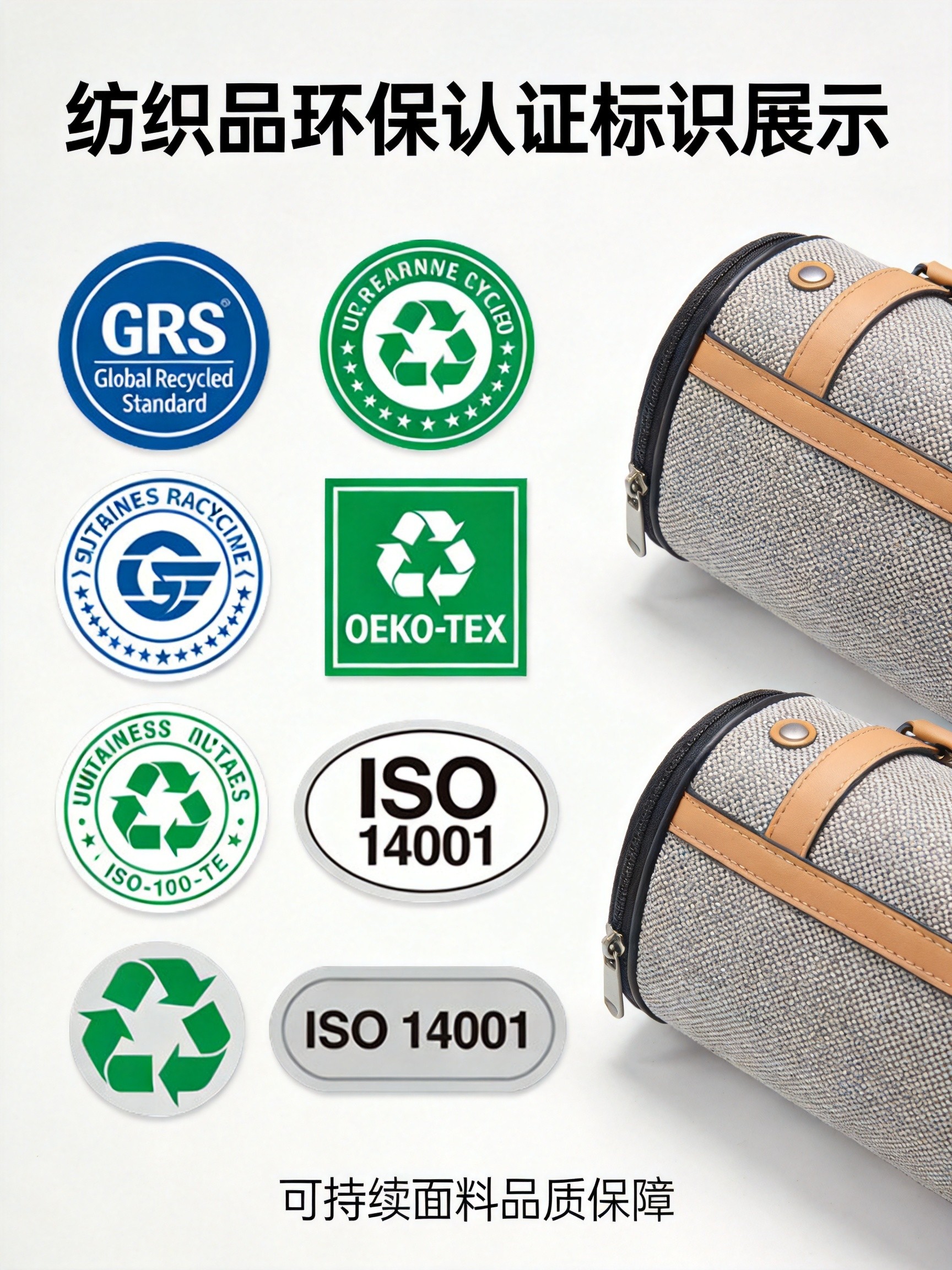
Credible sustainability claims require third-party verification. The following certifications are the most relevant for golf bag manufacturing:
| Certification | Scope | Relevance to Golf Bags | Market Recognition |
|---|---|---|---|
| GRS (Global Recycled Standard) | Recycled content verification | Validates RPET and recycled nylon claims | Required by most EU brands |
| OEKO-TEX Standard 100 | Harmful substance testing | Ensures no harmful chemicals in finished product | Global standard |
| ISO 14001 | Environmental management system | Factory-level environmental process certification | Required for corporate procurement |
| BSCI | Social compliance | Ethical manufacturing verification | Required by EU importers |
| USDA BioPreferred | Bio-based content | Validates plant-based PU leather claims | US market recognition |
B2B buyers should request current, valid certificates — not just claims — and verify them directly with the certifying body. Keep Perfect Golf maintains active certifications across all major sustainability and quality standards, ensuring buyers have the documentation needed for their own compliance programs.
Keep Perfect Golf: Sustainable Manufacturing Specifications
| Specification | Value |
|---|---|
| Minimum Order Quantity (MOQ) | 100 pieces per design |
| Sample Lead Time | 10–18 days |
| Bulk Production Lead Time | 45–75 days |
| Shipping Terms | FOB Xiamen |
| Sustainable Materials Available | RPET, Recycled Nylon, Plant-Based PU, Organic Cotton |
| Certifications | GRS, OEKO-TEX, ISO 14001, BSCI |
| Export Markets | 100+ countries (EU, US, Asia-Pacific, Middle East) |
| Brands Served | 200+ globally |
| Years in Manufacturing | 22 years (since 2004) |
Implementing a Sustainability Strategy Without Sacrificing Quality
The most common concern from B2B buyers considering sustainable materials is quality risk. This concern is understandable but largely outdated. Modern sustainable materials have closed the performance gap with conventional alternatives across virtually every measurable parameter.
The key is working with a manufacturer that has genuine experience with sustainable materials — not one that simply offers them as a catalog option. Keep Perfect Golf has invested in sustainable material sourcing and production processes over the past five years, developing supply chain relationships with certified recycled material providers and validating every sustainable option through the same rigorous testing protocols applied to conventional materials.
According to a 2025 McKinsey & Company report, sporting goods brands with credible, third-party-verified sustainability programs see an average revenue premium of 12% and customer retention rates 18% higher than competitors without such programs. The business case for sustainability is as compelling as the environmental case.
The transition to sustainable golf bag production is not an all-or-nothing decision. Start with one material change — such as switching to RPET linings for your Premium Stand Bag line or recycled nylon face fabric for your cart bags — measure market response, and progressively expand your sustainable offerings. Whether you are developing a new Rain-Resistant Stand Bag line with PFAS-free DWR or transitioning your entire Waterproof Cart Bag range to RPET fabrics, Brands that begin this journey now will have a significant advantage as consumer expectations and regulatory requirements continue to tighten across the EU, US, and Asia-Pacific markets.
Regional Sustainability Compliance: EU, US, and Asia-Pacific Requirements
Sustainable golf bag manufacturing must also comply with regional regulatory frameworks that increasingly mandate environmental due diligence. Understanding these requirements is critical for B2B buyers sourcing from manufacturers in Quanzhou, China, who export to diverse global markets.
European Union: CSRD and the Corporate Sustainability Due Diligence Directive
The EU’s Corporate Sustainability Reporting Directive (CSRD), effective since January 2024, requires large companies to disclose their environmental impact across the full value chain — including suppliers. For golf bag brands selling into the EU market, this means manufacturers like Keep Perfect Golf must provide verified data on carbon emissions, water usage, and waste management. The forthcoming Corporate Sustainability Due Diligence Directive (CSDDD) will extend these requirements to identify and mitigate environmental impacts throughout supply chains, making partnerships with transparent, certified manufacturers essential.
United States: State-Level Sustainability Mandates
In the US, California’s SB 253 (Climate Corporate Data Accountability Act) and SB 261 (Greenhouse Gases: Climate Corporate Data Accountability) require large companies to disclose scope 3 emissions — which include upstream manufacturing. While these regulations currently target companies with over $1 billion in annual revenue, the reporting cascade effect means mid-market brands are increasingly being asked by their retail partners to provide environmental impact data for sourced products.
Asia-Pacific: Evolving Standards
Japan’s Act on Promotion of Green Purchasing and South Korea’s K-Mark sustainability labeling program create additional compliance requirements for brands exporting to these markets. Australia’s mandatory packaging requirements under the APCO (Australian Packaging Covenant Organisation) framework require packaging to be recyclable by 2025, driving demand for FSC-certified paper packaging alternatives to plastic poly bags.
Keep Perfect Golf’s certifications and quality compliance program is designed to meet these diverse regional requirements, providing B2B buyers with the documentation and verification they need across all major export markets — from the EU to the US to Asia-Pacific destinations.
Frequently Asked Questions
What is RPET fabric and how is it used in golf bag manufacturing?
RPET (Recycled Polyethylene Terephthalate) is a fabric made from recycled post-consumer plastic bottles. In golf bag manufacturing, RPET replaces virgin polyester as the primary face fabric, lining, or strap material. Approximately 30 plastic bottles are needed to produce enough fabric for one golf bag. RPET offers identical tensile strength and abrasion resistance to virgin polyester while reducing CO₂ emissions by approximately 60%.
What is the MOQ for sustainably manufactured golf bags?
Keep Perfect Golf maintains a minimum order quantity of 100 pieces per design for both conventional and sustainable material options, including RPET, recycled nylon, and plant-based PU leather. Sample orders are available with a lead time of 10–18 days.
Are sustainable materials more expensive than conventional materials?
The cost premium for sustainable materials has decreased significantly. RPET polyester now carries only a 3–8% cost premium over virgin polyester, while recycled nylon carries a 5–10% premium. Plant-based PU leather ranges from 10–20% premium. These premiums are decreasing as supply chains mature and production scales increase.
What certifications verify sustainable golf bag manufacturing claims?
The key certifications include GRS (Global Recycled Standard) for recycled content verification, OEKO-TEX Standard 100 for harmful substance testing, ISO 14001 for environmental management systems, and BSCI for social compliance. B2B buyers should request current, valid certificates and verify them with the certifying body.
Can sustainable golf bags meet the same durability standards as conventional bags?
Yes. Modern sustainable materials match conventional materials in tensile strength (400N+ for RPET), abrasion resistance (5,000+ cycles), and colorfastness (4+ on gray scale). Keep Perfect Golf applies the same 50,000-cycle zipper testing, 48-hour salt spray testing, and 3-point inspection protocols to all products regardless of material choice.
What is the bulk production lead time for eco-friendly golf bags?
Keep Perfect Golf’s bulk production lead time is 45–75 days for sustainable golf bag orders, shipped FOB Xiamen. This is comparable to conventional golf bag production timelines, as sustainable material sourcing is well-established in the Quanzhou manufacturing supply chain.
Ready to Launch Your Sustainable Golf Bag Line?
Keep Perfect Golf — 22 years of manufacturing excellence, 200+ brands served, 100+ countries exported. Specializing in eco-friendly materials including RPET, recycled nylon, and plant-based PU leather.
📧 cco@junyuanbags.com | 💬 WhatsApp: +86 177 5002 0688
📍 FOB Xiamen, China | MOQ: 100 pieces | Sample: 10–18 days | Bulk: 45–75 days
Related Resources
Related Products
Explore our manufacturing capabilities in this category:
 Premium Stand Bag
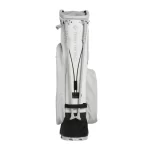 Ultra-Light Stand Bag
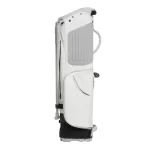 Hybrid Stand Bag
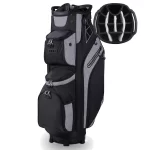 Rain-Resistant Stand Bag
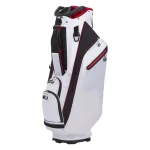 Premium Tour Cart Bag
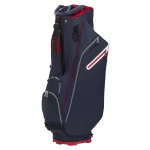 Lightweight Cart Bag
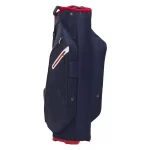 Waterproof Cart Bag
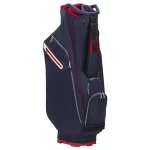 Staff Cart Bag
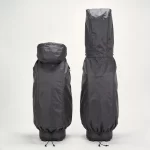 Golf Bag Rain Cover
 Custom Golf Headcovers Set
Need custom golf bags? Contact us for OEM/ODM quotes — MOQ 100pcs, FOB Xiamen.

 日本語
日本語  English
  Português
  Français
  Español