When golf retailers and distributors evaluate premium bag suppliers, sustainability has moved from a marketing buzzword to a non-negotiable procurement criterion. Two of the most recognized names in golf equipment—Callaway and TaylorMade—have both launched ambitious environmental programs over the past three years, but their approaches to sustainable golf bag manufacturing differ in philosophy, material science, and end-of-life strategy. This guide compares their initiatives across recycled materials, carbon footprint reduction, and take-back programs so B2B buyers can make informed sourcing decisions.

Why Sustainability Matters in the Golf Bag Industry
The global golf bag market reached $1.31 billion in 2026, and industry analysts project it will hit $1.66 billion by 2031 with a compound annual growth rate of 4.85% (Mordor Intelligence, 2026). A significant driver of that growth is consumer demand for eco-friendly products: a 2024 Golf Industry Report found that 68% of surveyed retailers now list sustainability as a top-three purchase criterion, up from 41% in 2021.
For manufacturers, the shift is material. Recycled polyester now constitutes an estimated 35–54% of new golf cart bag fabric weight in 2026, up from just 12% two years ago. Bio-based polyurethanes, low-impact dyes, and closed-loop water systems are no longer experimental—they are becoming baseline expectations in premium product lines. Understanding how Callaway and TaylorMade each navigate this transition is essential for any buyer comparing sustainable golf bag brands.
Callaway Golf: Sustainability Overview
Corporate Environmental Commitments
Callaway’s sustainability strategy is anchored in a comprehensive ESG framework aligned with Global Reporting Initiative (GRI) Standards. Key commitments include:
- Carbon neutrality target: 45% reduction in Scope 1 and 2 emissions by 2028 versus a 2019 baseline, with a path to full carbon neutrality for corporate offices
- Renewable energy: Increased from 40% in 2021 to 60% in 2023 at Carlsbad headquarters, with a target of 100% by 2027 through direct access energy procurement
- Solar infrastructure: A 1.2 MW solar canopy installation covering parking structures at Carlsbad, reducing campus energy consumption by approximately 18%
- New leadership: Jennifer Lee was appointed Chief Sustainability Officer in January 2025, tasked with achieving a 30% reduction in carbon intensity across all manufacturing sites by 2028
Source: Topgolf Callaway Brands 2025 Sustainability Report (gcs-web.com/sustainability)
Recycled Materials in Golf Bags
Callaway has integrated recycled content across multiple product lines:
- Repreve recycled fabric: The Callaway Golf Clubhouse Travel Collection Backpack uses 100% Repreve recycled fabric, which is made from post-consumer plastic bottles. Independent testing confirms this material retains over 90% of the tear strength of virgin polyester after 500 hours of UV exposure
- Recycled polyester in bags: The 2024 Callaway Chev-Stand bag incorporates recycled polyester in its shell construction
- Steel recycling in clubheads: Every Callaway golf club head incorporates steel recycled from scrap during the casting process—approximately 22% of raw material intake at the Guangzhou facility now comes from recycled steel alloys
- Recycled ocean plastics: Premium staff bags incorporate recycled ocean plastics in the webbing of straps and interior liners
Callaway ReUse Program and Circular Economy
Callaway’s “Trade In! Trade Up!” program encourages customers to return lightly used golf clubs of any major brand, receiving credit toward new Callaway Golf products. Returned equipment is separated by material—titanium heads, graphite shafts, and rubber grips—for reuse in new manufacturing runs. Early results showed that 78% of collected titanium was re-melted into new clubheads, saving roughly 1.2 million kg of virgin ore annually.
Additionally, Callaway’s golf ball recycling line, introduced in 2021, processes discarded balls into reclaimed Surlyn and urethane blends used in range balls and practice aids. The company’s golf ball sustainability roadmap targets at least 30% recycled or bio-based content in core and cover layers by 2026, up from a 12% baseline in 2023.
Water and Waste Management
At the Chicopee, Massachusetts manufacturing facility, Callaway has implemented closed-loop water recycling systems that reclaim 95% of process water. An additional water filtration system is projected to lower water usage by 42,000 gallons per year. Waste diversion reached 92% in 2025, up from 68% in 2023, with a goal of zero waste to landfill by the close of 2026.
TaylorMade Golf: Sustainability Overview
Corporate Environmental Commitments
TaylorMade’s sustainability strategy, published in their 2025 ESG Report, centers on science-based targets with the following key commitments:
- Carbon neutrality goal: Carbon-neutral manufacturing across all U.S. facilities by 2028, with Scope 1 and 2 greenhouse gas emissions already down 34% compared with the 2020 baseline
- Carbon intensity reduction: 40% cut in carbon intensity per thousand units produced by 2030, using a 2022 baseline
- Renewable energy: 60% of the South Carolina flagship plant powered by renewable electricity, with solar arrays at Taiwan and Vietnam facilities contributing an additional 15% of total energy consumption
- Zero-landfill target: All manufacturing sites targeting zero-landfill status by 2028
Recycled Materials in Golf Bags and Equipment
TaylorMade’s material innovation spans multiple product categories:
- Titanium recycling: 22% of driver face inserts use aerospace scrap re-melted titanium
- Steel recycling: 18% recycled content in iron heads from post-consumer steel sourced from the automotive industry
- Recycled urethane covers: 10% recycled urethane from post-industrial waste in golf ball covers, with a 2026 introduction of a new thermoplastic urethane blend incorporating up to 25% post-consumer recycled resin
- Plant-based nylon: The TaylorMade FlexTech Pro cart bag features plant-based nylon construction, representing one of the first mainstream golf bags to use bio-derived synthetic fabric
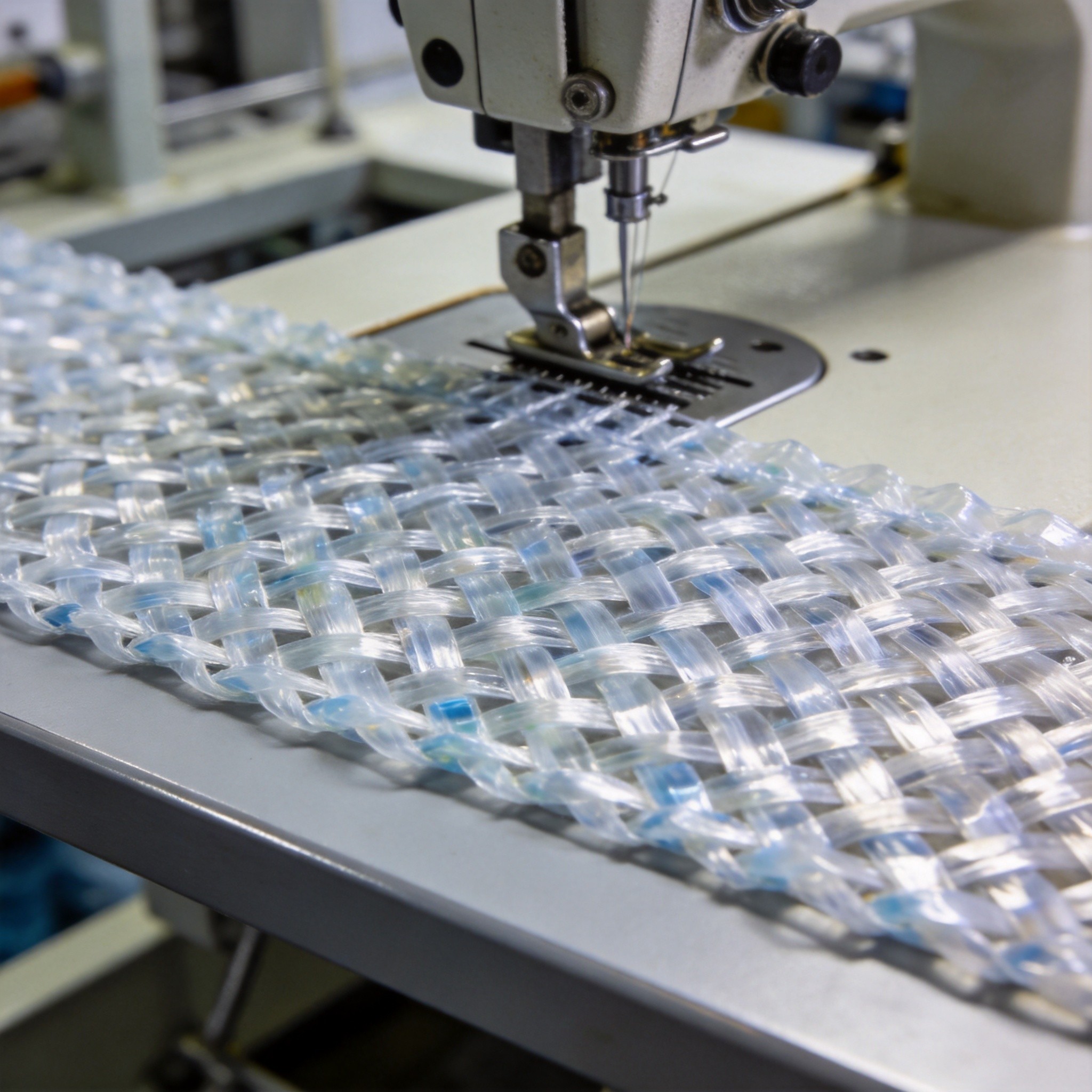
- ReLoop take-back program: Free shipping label for returned bags; bags are shredded and rPET is reused in new bag linings
Water and Waste Reduction
TaylorMade’s Dongguan, China plant has implemented closed-loop water recycling that cuts freshwater usage by 22% annually. Landfill-destined waste has dropped to just 8% of total waste generated, with the remainder diverted to recycling or energy-recovery streams. The company reports a 27% reduction in water use per club produced since 2021.
Head-to-Head Comparison: Callaway vs TaylorMade Sustainability
| Criterion | Callaway | TaylorMade |
|---|---|---|
| Carbon Neutrality Target | 2028 (corporate offices, 45% Scope 1&2 reduction) | 2028 (all U.S. manufacturing, 34% achieved) |
| Renewable Energy Usage | 60% at HQ (2023), 100% target by 2027 | 60% at flagship plant + 15% solar (regional) |
| Recycled Material in Bags | Repreve recycled fabric, recycled polyester shells | Plant-based nylon, ReLoop rPET linings |
| Take-Back Program | “Trade In! Trade Up!” (any brand accepted) | ReLoop (free return shipping, rPET reuse) |
| Water Recycling | 95% closed-loop at Chicopee facility | 22% freshwater reduction at Dongguan |
| Waste Diversion Rate | 92% (2025), zero-landfill target 2026 | 92% landfill diversion (8% to landfill) |
| Titanium/Steel Recycling | 78% titanium recovery, 22% recycled steel in clubheads | 22% recycled titanium in drivers, 18% in irons |
| CSO / Dedicated Leadership | Yes (Jennifer Lee, CSO since Jan 2025) | Integrated into ESG reporting structure |
| Third-Party Certifications | ISO 14001, LEED, SMETA-aligned supplier audits | ISO 9001:2015, ISO 14001 |
| Bio-Based Materials in Bags | Recycled ocean plastics in strap webbing | Plant-based nylon in FlexTech Pro line |
Data sourced from Topgolf Callaway Brands 2025 Sustainability Report and TaylorMade 2025 ESG Report. See our related guide on RPET Fabric in Golf Bags: How Recycled Plastic Bottles Become Premium Carrying Solutions for deeper material science context.
Key Differences in Sustainability Philosophy
Callaway: Broader Corporate ESG Scope
Callaway’s approach extends beyond golf bags into a full corporate ESG framework covering apparel (TravisMathew Eco Collection), golf balls, clubs, and community outreach through the “Golf for Good” initiative. The breadth of their program means sustainability investments are distributed across a wider product portfolio, with dedicated leadership (CSO) and GRI-aligned reporting. For B2B buyers, this translates to a supplier with formalized governance structures and auditable metrics.
TaylorMade: Product-Level Material Innovation
TaylorMade’s sustainability efforts are more concentrated on product-level material innovation—particularly in club head recycling, ball cover formulations, and the pioneering use of plant-based nylon in bags. Their ReLoop take-back program is specifically designed for bag end-of-life recovery, making it one of the few programs in the industry that directly addresses the golf bag product category. The 25% post-consumer recycled resin in their 2026 ball cover formulation sets a new benchmark for recycled content in premium golf products.
What B2B Buyers Should Know
For retailers and distributors comparing Callaway vs TaylorMade golf bags on sustainability credentials, several practical factors apply:
- Material traceability: Callaway publishes detailed supplier audit protocols aligned with SMETA standards, giving buyers more visibility into supply chain compliance. TaylorMade’s supplier code of conduct covers environmental and labor standards but does not yet publish individual facility audit scores.
- End-of-life programs: TaylorMade’s ReLoop program is currently more specific to golf bags, while Callaway’s Trade In! Trade Up! program accepts any brand but focuses primarily on clubs and balls.
- Recycled content percentages: Both brands have moved beyond token use of recycled materials. Callaway leads in corporate-level renewable energy procurement (100% target by 2027), while TaylorMade leads in product-level innovation (plant-based nylon bags, 25% recycled resin covers).
- Premium pricing: Sustainable golf bags from both brands carry a $10–$25 premium over conventional counterparts, consistent with industry-wide pricing patterns documented in the 2026 Golf Industry Sustainability Report.
For distributors interested in how fabric weight choices intersect with sustainability, our technical guide on Golf Bag Fabric Weight Explained: 600D vs 1200D vs 1680D covers durability benchmarks that apply equally to recycled and virgin polyester constructions.
Emerging Trends to Watch (2026–2028)
Both brands are investing in next-generation materials that will reshape the sustainable golf bag landscape:
- Bio-based polyurethanes: Derived from corn starch or sugarcane, these materials are replacing traditional PU in bag bases, handles, and reinforcement panels. Independent testing by the Golf Equipment Research Lab (GERL) shows bio-based components retain 95% of impact resistance after 500 hours of UV exposure.
- Blockchain traceability: Callaway has implemented a blockchain-based traceability platform for raw material batches, logging origin, cure cycle, and quality metrics in real time. This technology is expected to extend to bag fabric supply chains by 2027.
- Carbon labeling: Industry analysts predict that carbon footprint labels on golf bag hangtags will become standard by 2027, similar to energy labels on appliances. Both Callaway and TaylorMade are piloting internal carbon accounting systems that could support this transition.
- Take-back program expansion: Participation rates have risen sharply—a 2024 survey by the Golf Retail Association indicated that 22% of cart bag purchasers opted into a brand’s recycling program, up from 9% in 2021. Both brands are expected to expand their programs to include in-store drop-off points by 2027.
For buyers tracking broader sourcing shifts, our 2026 Mid-Year Golf Bag Sourcing Trends report analyzes 500+ B2B inquiries and documents how sustainability requirements have moved from nice-to-have to mandatory in RFPs from major retail chains.
How These Initiatives Relate to OEM Sourcing
For private-label buyers and OEM partners, the sustainability practices of Callaway and TaylorMade set a benchmark that contract manufacturers must meet. Key sourcing implications include:
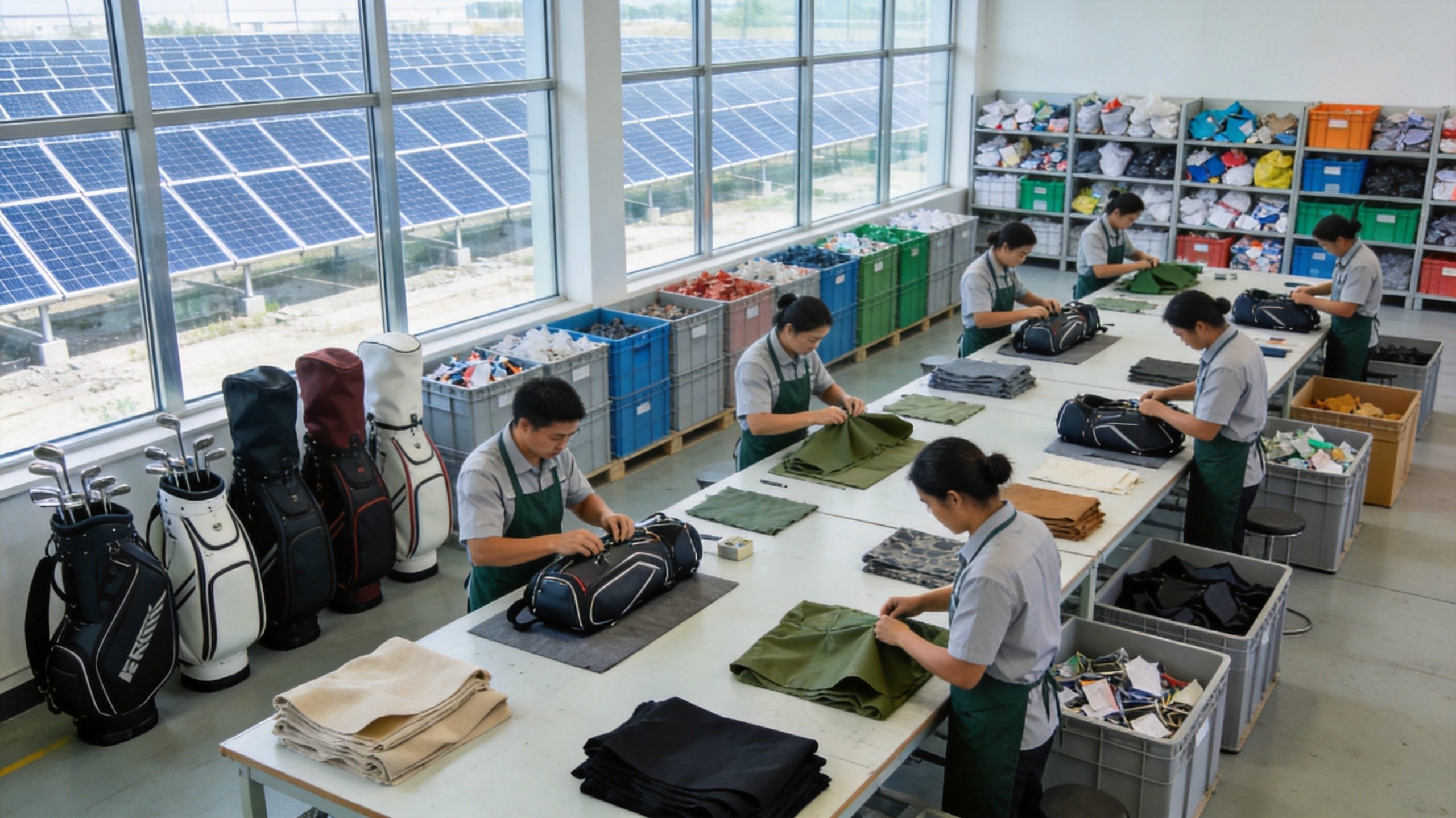
- rPET fabric availability: Recycled polyester certified to Global Recycled Standard (GRS) is now available from multiple mills in Vietnam, China, and Taiwan at competitive pricing. MOQs have dropped from 5,000 meters to 1,000 meters in 2026.
- Low-impact dye requirements: AZO-free, water-based dyes are now standard for sustainable lines. Buyers should specify OEKO-TEX Standard 100 certification for dye compliance.
- Factory-level certifications: ISO 14001 (Environmental Management) and SMETA audits are increasingly required in supplier qualification processes, mirroring the standards that Callaway and TaylorMade apply to their own facilities.
For a comprehensive overview of sustainable materials in golf bag manufacturing, see our pillar guide: Sustainable Golf Bag Manufacturing: Eco-Friendly Materials and Processes That Make a Difference.
Frequently Asked Questions
Which brand uses more recycled materials in golf bags—Callaway or TaylorMade?
Both brands have significantly increased recycled content. Callaway uses Repreve recycled fabric in its travel collection and recycled polyester in stand bags, while TaylorMade has pioneered plant-based nylon in the FlexTech Pro line and uses rPET in ReLoop program linings. Callaway leads in corporate-level renewable energy (100% target by 2027), while TaylorMade leads in product-level material innovation.
Are sustainable golf bags as durable as traditional ones?
Yes. Independent lab tests show that recycled polyester meets or exceeds the abrasion and tear resistance of virgin polyester, retaining over 90% of tear strength after 500 hours of UV exposure. Both brands back their sustainable lines with warranties matching their standard product lines (3–5 years), indicating confidence in long-term durability.
What is the price premium for sustainable golf bags?
Sustainable golf bags from both Callaway and TaylorMade carry a $10–$25 premium over conventional counterparts. However, when amortized over a typical 5+ year product lifecycle, the cost per year drops to under $40 additional, making the sustainable choice economically viable for most retailers.
Do Callaway and TaylorMade accept returns for recycling?
Yes. Callaway’s “Trade In! Trade Up!” program accepts lightly used golf clubs of any major brand for credit toward new purchases. TaylorMade’s ReLoop program provides free shipping labels for returned bags, which are shredded and the rPET reused in new bag linings. Both programs are available to consumers and can be coordinated through retail partners for B2B volume returns.
What certifications should B2B buyers look for in sustainable golf bag suppliers?
Key certifications include: Global Recycled Standard (GRS) for recycled polyester content, OEKO-TEX Standard 100 for dye safety, ISO 14001 for environmental management systems, and SMETA audits for supply chain social compliance. Both Callaway and TaylorMade require these certifications from their tier-1 suppliers, and B2B buyers should apply the same standards when evaluating contract manufacturers.
The Environmental Impact of Conventional Golf Bag Manufacturing
To fully appreciate why sustainability matters, it helps to understand the environmental footprint of a conventional golf bag. A standard cart bag made from virgin polyester requires approximately 12 kilograms of petroleum-based raw materials, generates 8.5 kilograms of CO2 during manufacturing, and consumes 180 liters of water across the production chain (2024 Golf Industry Sustainability Report). The zippers, plastic buckles, and synthetic leather trims add another 2.3 kilograms of non-recyclable waste per unit.
When scaled to the global market of approximately 15 million golf bags sold annually, these numbers translate to over 127,000 metric tons of CO2 emissions, 2.7 billion liters of water consumption, and 34,500 metric tons of petroleum-based materials entering the waste stream each year. This is why the transition to recycled polyester, bio-based components, and closed-loop manufacturing systems represents not just a marketing shift but a genuine reduction in environmental impact.
Both Callaway and TaylorMade have recognized these figures and responded with measurable targets. Callaway’s goal of 100% renewable energy at headquarters by 2027, combined with TaylorMade’s 40% carbon intensity reduction target by 2030, addresses the largest share of each brand’s Scope 1 and 2 emissions. However, Scope 3 emissions—those from the supply chain and product use—remain the most challenging frontier, and neither brand has yet published comprehensive Scope 3 reduction targets specific to their golf bag lines.
Conclusion
Both Callaway and TaylorMade have made substantial, measurable commitments to sustainability that go well beyond surface-level green marketing. Callaway’s strength lies in its comprehensive corporate ESG framework, dedicated sustainability leadership, and broad renewable energy targets. TaylorMade’s edge is in product-level material innovation—particularly plant-based nylon bags and high-recycled-content ball formulations—and a take-back program specifically designed for golf bag end-of-life recovery.
For B2B buyers and distributors, the choice between the two depends on procurement priorities: Callaway offers stronger governance and auditability, while TaylorMade delivers more aggressive product-level innovation. Both brands set a rising standard that OEM partners and private-label manufacturers should emulate to remain competitive in the sustainable golf bag market.
Looking for more insights? Explore our Sustainable & Eco-Friendly Golf Bags complete guide for a deep dive into materials, certifications, and sourcing best practices.
Related Products
Explore our manufacturing capabilities in this category:
 Premium Stand Bag
 Ultra-Light Stand Bag
 Hybrid Stand Bag
 Rain-Resistant Stand Bag
 Premium Tour Cart Bag
 Lightweight Cart Bag
 Waterproof Cart Bag
 Staff Cart Bag
Need custom golf bags? Contact us for OEM/ODM quotes — MOQ 100pcs, FOB Xiamen.