RPET fabric golf bags are premium carrying solutions manufactured from recycled polyethylene terephthalate — a high-performance textile created by transforming post-consumer plastic bottles into durable, woven polyester fabric. This process diverts plastic waste from landfills and oceans while producing golf bags that match or exceed the tensile strength, abrasion resistance, and water repellency of bags made from virgin polyester. A single RPET golf bag typically incorporates material from 15 to 25 recycled plastic bottles, reducing carbon emissions by approximately 50–60% compared to conventional polyester alternatives.
What Is RPET Fabric and Why Does It Matter for Golf Bags?
RPET (Recycled Polyethylene Terephthalate) is a textile fiber produced from post-consumer plastic bottles rather than virgin petroleum resources. The material has become one of the most widely adopted sustainable fabrics in the golf bag manufacturing industry because it delivers identical performance characteristics to virgin polyester while significantly reducing environmental impact.
The global golf bags market, valued at USD 1,088.5 million in 2026, is projected to reach USD 1,373.7 million by 2035. Within this growing market, eco-friendly materials are now integrated into 19% of all new golf bag product launches, with RPET leading the adoption curve. Consumer demand for sustainable sporting goods continues to accelerate — 22% of surveyed buyers now prioritize sustainability certifications when making purchasing decisions.
For golf bag manufacturers, distributors, and brand owners, understanding RPET fabric is no longer optional. It has become a core competency in an industry where material selection directly impacts product positioning, margin structure, and brand perception.
The Science Behind RPET Fiber Production
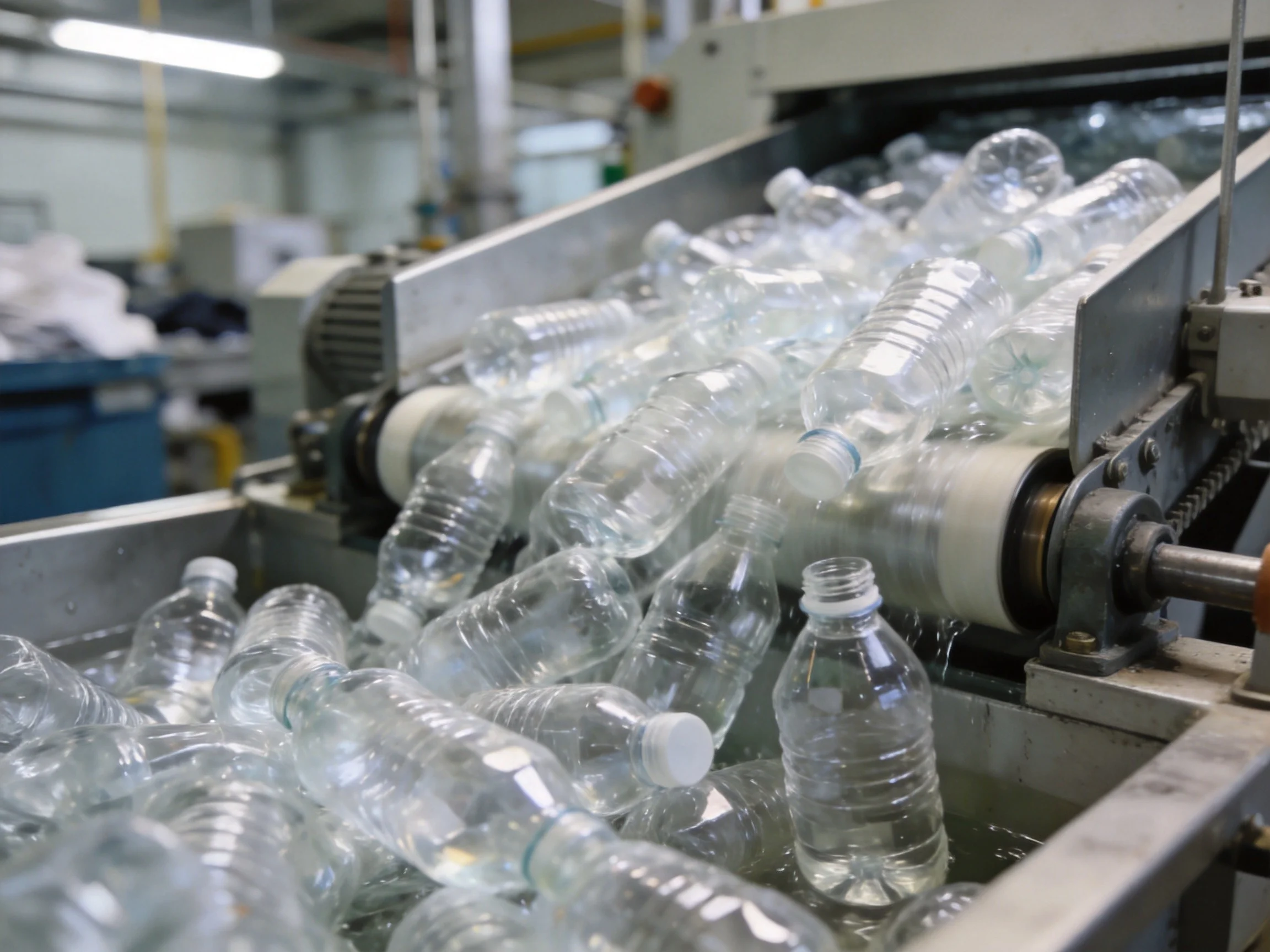
The manufacturing of RPET fabric follows a precise, multi-step process that transforms waste into high-performance textile:
- Collection and Sorting: Post-consumer PET bottles are gathered from recycling programs. Clear bottles are preferred for producing the highest quality white yarn, while colored bottles are sorted for darker fabric shades.
- Washing and Sterilization: Bottles undergo multiple hot-water wash cycles with industrial detergents to remove adhesives, labels, food residues, and other contaminants.
- Shredding into Flakes: Clean bottles are ground into small flakes approximately the size of rice grains. The quality of these flakes directly determines the final fiber quality.
- Melting and Extrusion: Flakes are melted at approximately 500°F (260°C) and forced through spinnerets — metal discs with thousands of microscopic holes — to form continuous filaments.
- Fiber Spinning: The filaments are cooled, stretched to align molecular structure, and spun into yarn. The yarn thickness is measured in Denier (D), just like virgin polyester.
- Weaving and Finishing: Yarn is woven into fabric at various densities (600D, 900D, 1200D) and treated with coatings (PU, TPU) for water resistance and durability.
The result is a polyester fabric indistinguishable from virgin polyester in performance — but one that required 50–59% less energy to produce and generated 32–70% fewer CO₂ emissions.
RPET Fabric Performance: How It Compares to Virgin Polyester
One of the most persistent misconceptions in the golf bag industry is that recycled materials compromise performance. Extensive testing and real-world use have consistently demonstrated that high-quality RPET fabric matches virgin polyester across every metric that matters for golf bag applications.
Tensile Strength and Durability
RPET fibers maintain the same molecular structure as virgin PET — the recycling process breaks down and reforms the polymer without degrading its fundamental properties. A 600D RPET fabric exhibits the same tensile strength as 600D virgin polyester. For golf bags that must support 14 clubs weighing 30–40 pounds total, this structural integrity is non-negotiable.
The abrasion resistance of RPET is equally comparable. Golf bags are subjected to constant friction — dragging across cart paths, rubbing against golf cart compartments, and contact with rough terrain. RPET fabric withstands these conditions without premature wear, pilling, or fiber breakdown.
Water Resistance and Weather Protection
RPET polyester is inherently hydrophobic — it does not absorb water but instead allows moisture to bead and roll off the fabric surface. When combined with PU or TPU coatings (standard in quality golf bag construction), RPET fabric achieves water resistance ratings suitable for prolonged exposure to rain and damp conditions on the golf course.
This property is particularly important for golf bag linings and mesh pockets, where quick-drying performance prevents mold and mildew growth — a common complaint with cotton-blend materials.
UV Stability and Color Retention
Golf bags spend significant time exposed to direct sunlight. RPET fabric demonstrates excellent UV resistance, maintaining color vibrancy and structural integrity after prolonged sun exposure. The fabric accepts dyes effectively, allowing manufacturers to achieve Pantone-matched colors with the same consistency as virgin polyester.
Environmental Impact: Quantifying the Difference
The environmental advantages of RPET over virgin polyester are well-documented and measurable. The following comparison highlights the key differences:
| Environmental Metric | Virgin Polyester | RPET (Recycled Polyester) | Impact Reduction |
|---|---|---|---|
| Energy Consumption | Baseline (100%) | 41–50% of baseline | 50–59% reduction |
| CO₂ Emissions | Baseline (100%) | 30–50% of baseline | 50–70% reduction |
| Water Consumption | Baseline (100%) | ~80% of baseline | ~20% reduction |
| Raw Material Source | Crude oil and natural gas | Post-consumer plastic bottles | Diverts waste from landfills |
| Carbon Footprint per Kg | ~5.5 kg CO₂e | ~1.8–2.7 kg CO₂e | 50–67% lower |
| Bottles Diverted per Golf Bag | N/A | 15–25 bottles | Direct waste reduction |
Every ton of RPET fiber produced saves approximately 61,000 plastic bottles from entering landfills or ocean ecosystems. For context, the golf bag industry’s adoption of RPET materials has contributed to diverting millions of bottles annually from waste streams.
RPET Fabric in Golf Bag Manufacturing: Applications and Specifications
Understanding where and how RPET fabric is used in golf bag construction helps buyers and brand owners make informed material specifications. The fabric’s versatility allows it to serve multiple functions within a single bag.
Primary Applications
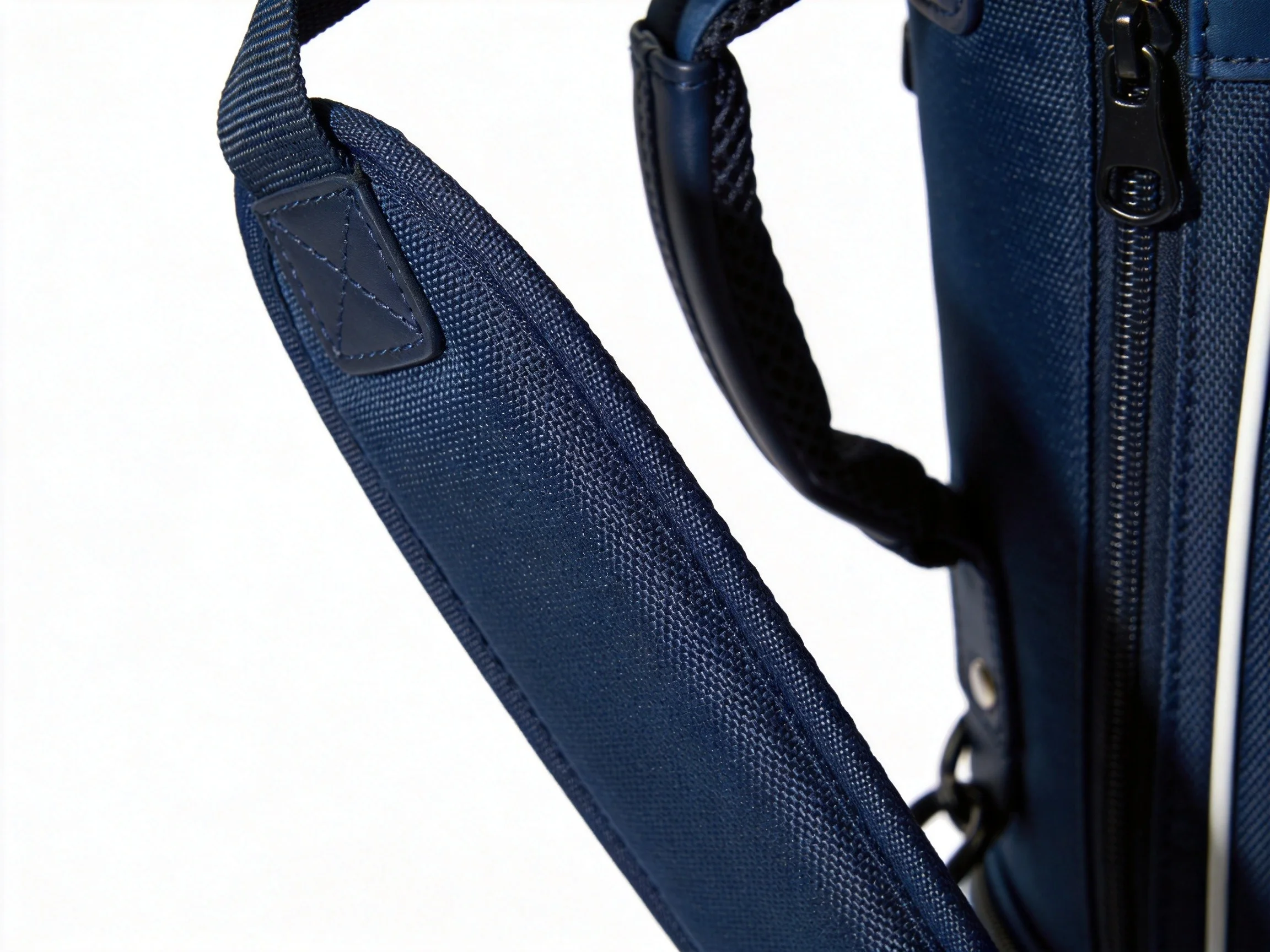
- Main Body Panels: 600D to 1200D RPET with PU coating provides the structural shell of the bag. This is the most visible application and where brand aesthetics are most critical.
- Interior Lining: Lightweight 210D or 420D RPET lining protects clubs and provides a premium interior finish. The quick-drying properties prevent moisture buildup.
- Mesh Pockets: RPET mesh fabric is used for side pockets, ball pockets, and ventilation zones. The material’s moisture-wicking properties keep contents dry.
- Base and Reinforcement Panels: Heavier 1200D or 1680D RPET with TPU coating is used for high-wear areas like the bag base, providing waterproof protection and impact resistance.
Denier Selection for Golf Bags
The choice of fabric weight (denier) significantly impacts the golf bag’s weight, durability, and price point. RPET fabric is available in the same denier range as virgin polyester:
At Keep Perfect Golf, our internal sourcing data from 500+ B2B inquiries in 2026 reveals that 68% of RPET golf bag orders specify 600D fabric for main panels — the optimal balance between weight reduction (critical for stand bags targeting walking golfers) and durability (essential for cart bags used daily). The remaining 32% split between 900D for premium cart bags and 1200D for heavy-duty travel bags.
For more detailed guidance on selecting the right fabric weight, our comprehensive guide on golf bag fabric weight (600D vs 1200D vs 1680D) breaks down the performance trade-offs across different denier specifications.
Branding and Customization Compatibility
RPET fabric performs identically to virgin polyester in branding applications. All standard decoration methods work seamlessly:
- Embroidery: RPET fabric provides excellent stitch definition and backing stability. See our detailed comparison of embroidery vs printing vs heat transfer methods for guidance on choosing the right branding technique.
- Screen Printing: The fabric surface accepts ink evenly with sharp detail reproduction.
- Heat Transfer and Dye Sublimation: RPET’s polyester composition makes it ideal for sublimation printing, producing vibrant, full-color graphics that won’t crack or peel.
- Rubber Patches and Leather Labels: These can be sewn or adhered to RPET fabric using standard attachment methods.
The Business Case: Cost, MOQ, and Sourcing Considerations
For B2B buyers evaluating RPET golf bags, understanding the commercial landscape is essential. Several factors influence pricing and sourcing decisions.
Cost Comparison: RPET vs Virgin Polyester
Historically, RPET fabric carried a 5–15% cost premium over virgin polyester due to the additional collection, sorting, and cleaning steps. However, as recycling infrastructure has scaled globally and demand for recycled materials has grown, this gap has narrowed significantly. In 2026, GRS-certified RPET fabric is often priced within 3–8% of equivalent virgin polyester — a differential that most brands absorb given the marketing premium that sustainable products command.
When calculating total landed cost, it’s important to factor in that RPET golf bags often achieve higher retail margins. Brands consistently report that eco-friendly golf bag lines generate 15–25% better margins than conventional lines, driven by consumer willingness to pay for sustainable products.
For a detailed breakdown of total import costs beyond fabric selection, our guide on calculating landed cost for golf bag imports covers duties, freight, and hidden fees that impact your final unit economics.
Minimum Order Quantities and Lead Times
RPET golf bag manufacturing typically follows standard industry MOQ structures:
- Stand Bags: 200–300 pieces per color/design
- Cart Bags: 150–250 pieces per color/design
- Travel Bags and Accessories: 300–500 pieces per color/design
Lead times for RPET bags are generally comparable to virgin polyester bags — approximately 45–60 days from approval sample to shipment. The GRS certification audit trail may add 3–5 days to the documentation process, but this is a one-time setup cost that amortizes across all subsequent orders.
Sourcing Trends in 2026
The shift toward RPET in golf bag manufacturing is accelerating. According to our 2026 mid-year sourcing data, inquiries for RPET golf bags increased by 42% compared to the same period in 2025. This demand is driven by:
- Major golf brands transitioning core collections to sustainable materials
- New DTC (Direct-to-Consumer) brands using sustainability as a founding differentiator
- Corporate and promotional golf bag buyers requiring eco-friendly options for events and gifts
- European market regulations increasingly favoring recycled content in consumer goods
Our 2026 Mid-Year Golf Bag Sourcing Trends report provides a comprehensive analysis of these market shifts, including emerging material preferences and buyer behavior patterns across North America, Europe, and Asia-Pacific markets.

Certifications and Quality Assurance for RPET Golf Bags
Not all RPET fabric is created equal. The quality and authenticity of recycled content varies significantly between suppliers. B2B buyers should require the following certifications:
Global Recycled Standard (GRS)
The GRS is the gold standard for verifying recycled content. It certifies that the fabric contains the claimed percentage of recycled material, tracks the material through the entire supply chain, and ensures compliance with environmental and social responsibility criteria. Any legitimate RPET golf bag supplier should hold current GRS certification.
Additional Relevant Certifications
- OEKO-TEX Standard 100: Confirms the fabric is free from harmful substances and safe for human use.
- Bluesign: Certifies that the manufacturing process meets strict environmental and safety standards for chemical use, water consumption, and emissions.
- Recycled Claim Standard (RCS):strong> A simpler alternative to GRS that verifies recycled content but does not include social or environmental processing criteria.
These certifications provide the documentation backbone for marketing claims. Brands selling RPET golf bags in regulated markets (EU, North America) must ensure their claims are substantiated — vague or unverified “eco-friendly” labels can result in regulatory penalties and consumer trust erosion.
Design Considerations: Building a Competitive RPET Golf Bag
Selecting RPET fabric is just the starting point. Translating this material choice into a commercially successful golf bag requires thoughtful design decisions across multiple dimensions.
Weight Optimization
One of RPET’s key advantages is its compatibility with lightweight bag designs. The global market shows that 41% of golf bag purchases now favor models under 2.5 kg. RPET’s strength-to-weight ratio enables manufacturers to build durable bags that meet this demand without sacrificing pocket count or feature sets.
Construction Quality and Stitching
RPET fabric responds to standard sewing techniques identically to virgin polyester. The fabric’s dimensional stability ensures clean seams, consistent stitch patterns, and reliable bond strength at stress points. High-quality RPET golf bags feature bar-tacked reinforcement at handle attachment points, strap connections, and base corners — regardless of whether the base fabric is recycled or virgin.
Construction quality remains the primary differentiator between premium and budget RPET golf bags. For a detailed analysis of how construction methods impact bag longevity, see our Wilson vs Ogio construction quality comparison, which breaks down the manufacturing differences that separate durable bags from those that fail prematurely.
Aesthetic Positioning
Modern RPET fabric accepts the same dyes, coatings, and finishes as virgin polyester, giving designers full creative freedom. The eco-friendly story can be reinforced through design elements such as:
- Natural earth-tone colorways that evoke sustainability
- Recycling-inspired texture patterns or subtle RPET branding on interior lining
- Printed interior tags showing the number of bottles used per bag
- Recycled or FSC-certified hang tags and packaging
FAQ: RPET Fabric in Golf Bags
How many plastic bottles are used to make one RPET golf bag?
A standard RPET golf bag typically incorporates material from 15 to 25 recycled plastic bottles, depending on the bag size, fabric denier, and number of panels using RPET material. Stand bags generally require fewer bottles (15–18), while larger cart bags and travel bags may use 20–25 bottles’ worth of RPET fiber.
Is RPET fabric as durable as virgin polyester for golf bags?
Yes. RPET fabric has identical tensile strength, abrasion resistance, and UV stability to virgin polyester of the same denier specification. The molecular structure of the recycled polymer is the same as virgin PET — the recycling process reformats the material without degrading its fundamental properties. Independent lab testing consistently confirms that RPET matches or exceeds the durability benchmarks of conventional polyester.
What certifications should I look for when sourcing RPET golf bags?
The Global Recycled Standard (GRS) is the primary certification to require. It verifies recycled content, tracks material through the supply chain, and ensures environmental and social compliance. Additional certifications like OEKO-TEX Standard 100 (harmful substance testing) and Bluesign (environmental manufacturing standards) provide further assurance of quality and sustainability claims.
Can RPET fabric be used for all parts of a golf bag?
RPET fabric is suitable for the majority of golf bag components, including main body panels, interior lining, mesh pockets, and reinforced base panels. However, some non-fabric components (zippers, buckles, rigid frame inserts, molded feet) are typically made from other materials. Manufacturers often combine RPET with recycled nylon for high-stress areas like strap attachment points or recycled TPU for waterproof base panels to optimize performance across different bag zones.
What is the price premium for RPET golf bags compared to conventional polyester bags?
In 2026, the fabric cost premium for GRS-certified RPET over virgin polyester is typically 3–8%, which has decreased significantly from the historical 10–15% range. When factoring in the higher retail margins that eco-friendly products command (typically 15–25% better), RPET golf bags often deliver superior profitability compared to conventional alternatives at the same retail price point.
The Future of RPET in Golf Bag Manufacturing
The trajectory is clear: RPET fabric is moving from niche alternative to industry standard in golf bag manufacturing. Several forces are accelerating this transition:
- Regulatory Pressure: The European Union’s evolving Extended Producer Responsibility (EPR) regulations and proposed recycled content mandates are pushing brands toward verified recycled materials.
- Brand Commitments: Major golf brands have publicly committed to increasing recycled content across their product lines, with targets of 50%+ recycled materials by 2028–2030.
- Consumer Demand: The 18% growth in female golfers and 15% increase in junior golfers — demographics that show disproportionately high interest in sustainability — are expanding the addressable market for eco-friendly golf products.
- Material Innovation: Next-generation RPET production methods, including chemical recycling (depolymerization/repolymerization), are producing even higher-quality fibers that are increasingly indistinguishable from virgin PET at the molecular level.
For brands, distributors, and retailers in the golf bag industry, the question is no longer whether to adopt RPET — it’s how quickly they can transition their product lines to capture the growing segment of sustainability-conscious buyers while maintaining the performance standards that golfers demand.
For a comprehensive overview of eco-friendly materials and sustainable processes in golf bag production, explore our Sustainable Golf Bag Manufacturing guide, which covers the full spectrum of environmentally responsible materials and processes shaping the industry’s future.
About the Author
Marvin Zhang is the Co-Founder of Keep Perfect Golf, with over 20 years of hands-on experience in golf bag manufacturing and global supply chain management. Based in Fujian, China, Marvin has led production operations serving golf brands across North America, Europe, and Asia-Pacific, overseeing the development of thousands of custom golf bag designs — from traditional materials to cutting-edge sustainable alternatives like RPET fabric. His expertise spans material science, quality control systems, and OEM/ODM partnership development, making him a trusted authority for B2B buyers navigating the transition to eco-friendly golf bag production.
Related Products
Explore our manufacturing capabilities in this category:
 Premium Stand Bag
 Ultra-Light Stand Bag
 Hybrid Stand Bag
 Rain-Resistant Stand Bag
 Premium Tour Cart Bag
 Lightweight Cart Bag
 Waterproof Cart Bag
 Staff Cart Bag
Need custom golf bags? Contact us for OEM/ODM quotes — MOQ 100pcs, FOB Xiamen.