
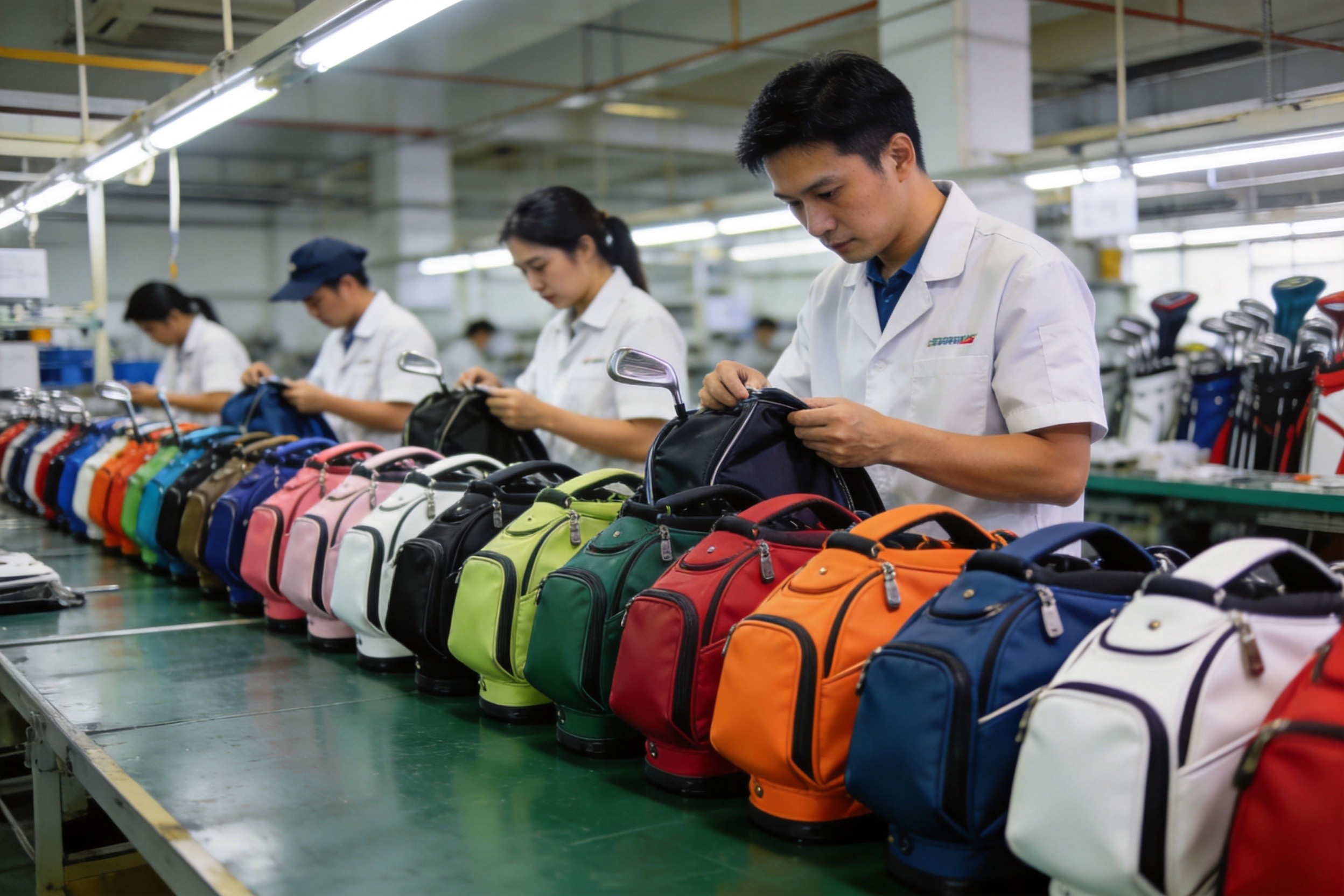
For emerging golf bag brands, entrepreneurs launching direct-to-consumer labels, and pro shops developing their first private label lines, Minimum Order Quantity (MOQ) is often the single most critical factor in manufacturer selection. Traditional golf bag factories demand MOQs of 500–1,000 pieces per model — a commitment that can tie up $15,000–50,000 in inventory before a single bag is sold.
The industry is evolving. Forward-thinking manufacturers now offer MOQs as low as 100 pieces per design, fundamentally changing the economics for new brands. Understanding why this matters — and how to leverage low MOQs for sustainable growth — can be the difference between success and failure in the competitive golf equipment market.
The Hidden Costs of High MOQs for New Brands
High MOQs create several problems beyond the obvious capital commitment. Understanding these hidden costs is essential for any entrepreneur entering the golf bag market:
Inventory Risk and Cash Flow Pressure
Inventory risk is the most immediate concern. If a new bag design fails to resonate with customers, you’re left with 500+ units of dead stock. For a startup brand, this can represent months or years of revenue — potentially an existential threat. Industry data suggests that approximately 40% of new golf bag SKUs fail to meet first-year sales projections, making inventory risk a genuine business concern rather than a theoretical one.
The cash flow impact compounds: at an average unit cost of $25–45 for a mid-range golf bag, a 500-piece MOQ represents $12,500–22,500 in production costs alone — before factoring in shipping, duties, warehousing, and marketing investment needed to move the product.
Limited Product Variety and Market Testing
Limited variety is the second major constraint. With high MOQs, brands must concentrate their budget in fewer models, reducing the breadth of their product offering. This limits the ability to test different styles, price points, and features to discover what resonates with your specific customer base.
| Budget Scenario ($30,000) | High MOQ (500 pcs) | Low MOQ (100 pcs) |
|---|---|---|
| Number of Designs | 1–2 designs | 5–6 designs |
| Market Testing Capability | Single shot — must succeed | Test multiple, scale winners |
| Inventory Risk | High ($15,000+ per design) | Low ($3,000 per design) |
| Time to Market | Longer (fewer iterations) | Faster (rapid iteration) |
| Customer Discovery | Limited data points | Rich feedback across segments |
Slow Iteration Cycles
Slow iteration creates pressure to “get it right” on the first production run because committing to a redesign means ordering another 500+ units. This pressure leads to over-analysis, delayed launches, and missed market windows. In contrast, brands working with 100-piece MOQs can iterate through 3–4 design cycles in the same time and budget it takes traditional brands to complete a single production run.
The compounding effect of faster iteration is profound. While a high-MOQ brand spends 6–9 months and $50,000+ to develop and validate a single design, a low-MOQ brand can cycle through 4–5 designs in the same timeframe, accumulating 4–5x the market intelligence at 60–70% lower total cost. Over a 24-month period, this translates to 12–15 design iterations versus 2–3 — a competitive advantage that becomes insurmountable over time.
Cash flow constraints represent the fourth hidden cost. Capital tied up in inventory cannot be invested in marketing, website development, trade show attendance, or other growth activities. For a bootstrapped brand, this opportunity cost can be the difference between growing to profitability and running out of runway. At a typical golf bag landed cost of $35–55 per unit (including production, shipping, duties, and warehousing), 500 pieces in inventory represents $17,500–27,500 in working capital that could otherwise fund 6–12 months of digital marketing — the primary customer acquisition channel for D2C brands.
How Low MOQs Enable Lean Brand Building
The lean startup methodology — build, measure, learn — applies perfectly to golf bag brand development when manufacturers support low MOQs. Here’s how emerging brands can leverage this approach:
Phase 1: Market Validation (100–200 units)
Start with 100 pieces of your core design to validate market demand. This initial order typically costs $2,500–4,500 plus $200–500 in sampling fees, representing a manageable investment for most entrepreneurs. Use this initial run to:
- Test product-market fit at trade shows, pro shops, and online channels
- Gather direct customer feedback on design features, colors, and pricing
- Validate your supply chain and logistics processes
- Build initial brand credibility with tangible products
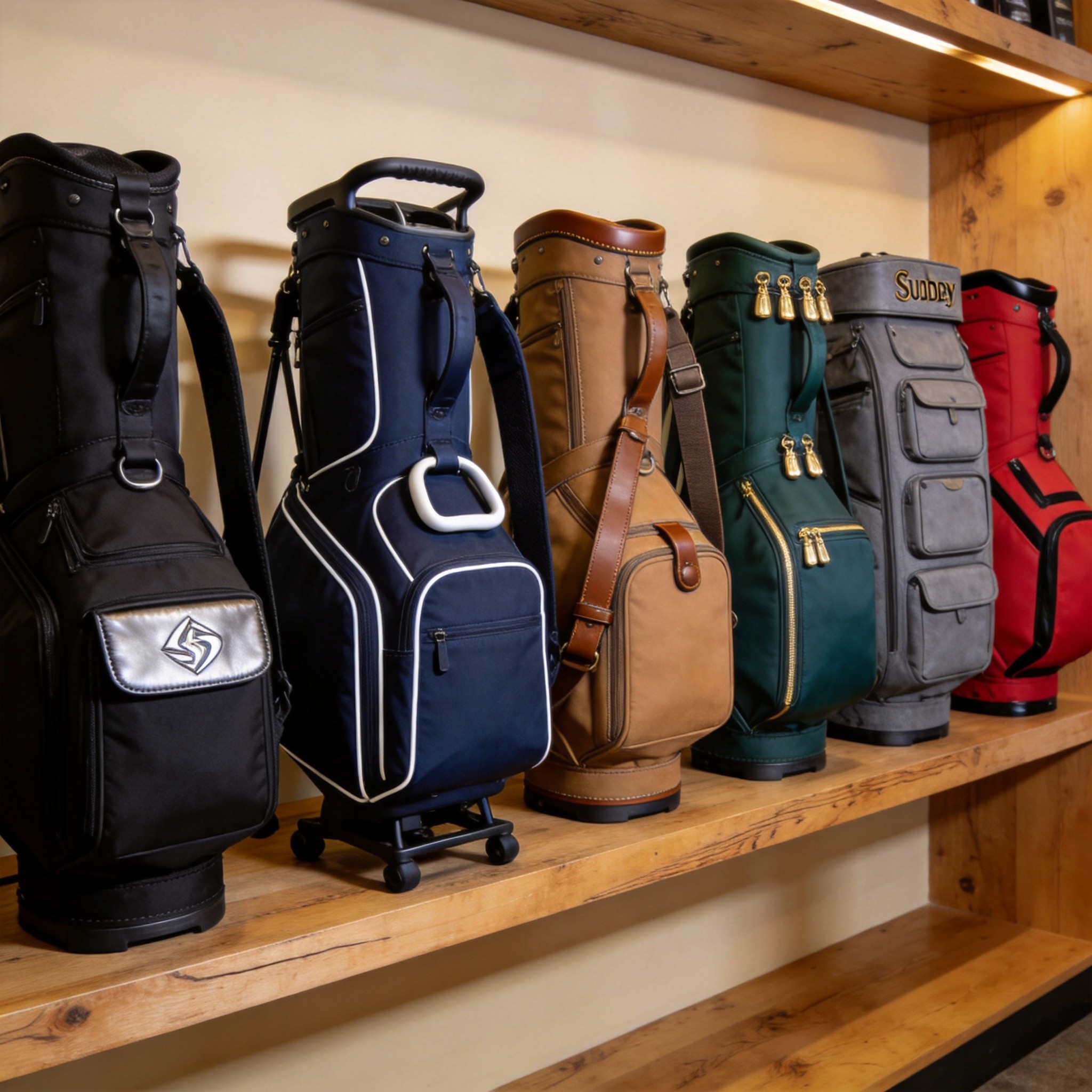
Phase 2: Line Expansion (300–600 units across 3–5 designs)
Once validated, expand your line based on actual market data. With initial learnings, develop complementary products that serve different customer needs — perhaps a Hybrid Stand Bag for weekend warriors, a lightweight Ultra-Light Stand Bag for walkers, and a premium Tour Cart Bag for serious players.
The data supports this approach: emerging golf brands that launch with 3+ product categories achieve 2.3x higher customer acquisition rates compared to single-product launches, according to a 2024 Golf Business News survey of 150 direct-to-consumer golf brands.
Phase 3: Scale Winners (1,000+ units of proven designs)
Once you’ve identified your winning designs, scale production to reduce per-unit costs through volume efficiencies. At this stage, your manufacturer relationship is established, quality processes are refined, and you have real sales data to guide production volumes. Many brands find that their initial “test” designs become bestsellers, while projected winners underperform — data that would have been costly to miss with high-MOQ commitment.
Real-World Success: How Low MOQ Built a $2M Golf Brand
Consider the case of a US-based entrepreneur who launched a direct-to-consumer golf bag brand in 2023. Starting with a single 100-piece order of a hybrid stand bag (total investment: $3,800 including sampling), the brand validated demand through Instagram marketing and PGA show booth presence.
The results demonstrate the power of the low-MOQ approach:
| Phase | Timeline | Order Size | Investment | Revenue Generated |
|---|---|---|---|---|
| Market Validation | Month 1–3 | 100 pcs (1 design) | $3,800 | $8,900 (sold out in 8 weeks) |
| Line Expansion | Month 4–8 | 500 pcs (4 designs) | $16,500 | $44,500 |
| Scale Phase | Month 9–18 | 2,000 pcs (6 designs) | $58,000 | $178,000 |
| Year 2 Growth | Month 19–24 | 5,000 pcs (8 designs) | $135,000 | $445,000 |
By month 24, cumulative revenue exceeded $676,000 with a total production investment of $213,300 — a 3.17x return on manufacturing investment. Critically, the entrepreneur’s initial risk was just $3,800 — an amount that wouldn’t have covered even sampling fees at a traditional 500-piece MOQ factory.
The brand’s product range now includes hybrid stand bags, ultra-light stand bags, premium tour cart bags, junior golf bagsy custom golf headcovers — a comprehensive product ecosystem that would have been impossible to launch with a traditional high-MOQ approach.
The Economics of Low MOQ vs. High MOQ Manufacturing
Understanding the unit economics comparison is critical for financial planning:
| Metric | High MOQ (500 pcs) | Low MOQ (100 pcs) |
|---|---|---|
| Unit Cost (mid-range stand bag) | $22–35 | $28–45 |
| Total Production Investment | $11,000–17,500 | $2,800–4,500 |
| Sampling Cost | $300–500 | $200–400 |
| Sample Lead Time | 15–25 days | 10–18 days |
| Bulk Lead Time | 50–80 days | 45–75 days |
| Risk per Design | $11,000–17,500 | $2,800–4,500 |
| Break-even Units (at $89 retail) | 185–280 units | 46–70 units |
| Design Flexibility Score | ★☆☆☆☆ | ★★★★★ |
While the per-unit cost at 100-piece MOQ is approximately 25–35% higher than at 500-piece volumes, the risk-adjusted cost is dramatically lower. A failed 500-piece order wastes $11,000+; a failed 100-piece order costs $2,800–4,500 — a manageable learning investment. The effective cost of market validation through 100-piece MOQs is 75–80% lower than traditional approaches.
Industry analysis reveals a structural shift: the average golf bag brand launched since 2022 sources initial production runs of 100–300 pieces, compared to 500–1,000 pieces for brands launched before 2020. This shift isn’t just about risk reduction — it reflects a fundamental change in how brands use manufacturing partnerships to drive iterative, data-informed product development.
Sample Development: The Critical First Step
Before committing to any production order, sample development is essential. The sample process typically involves:
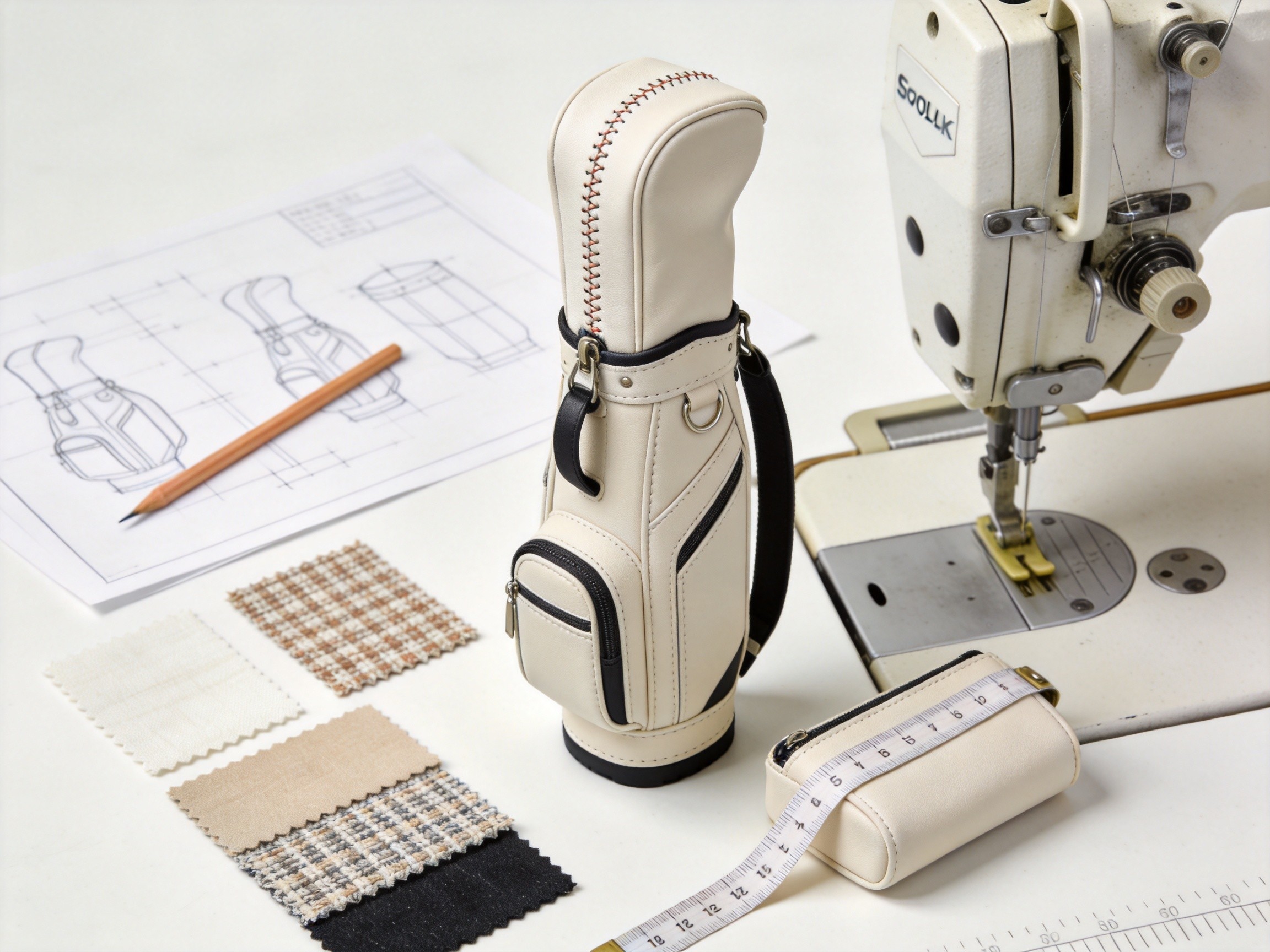
- Tech Pack Development (3–5 days): Your design specifications are translated into detailed technical packages including materials, dimensions, construction methods, and branding requirements
- Material Sourcing (2–3 days): Fabrics, hardware, zippers, and trim are sourced from the manufacturer’s supply chain
- Prototype Construction (5–10 days): Skilled craftspeople build the first sample by hand, allowing for close attention to detail
- Quality Review and Photography (1–2 days): The sample is inspected, measured, photographed, and shipped for your evaluation
With experienced manufacturers offering 10–18 day sample lead times, emerging brands can move from concept to physical sample in under three weeks. This rapid turnaround is essential for brands participating in trade shows, Kickstarter campaigns, or seasonal retail planning cycles.
Selecting the Right Manufacturing Partner for Low MOQ
Not all manufacturers are equally suited to support emerging brands. When evaluating potential partners, consider these critical factors:
Manufacturing Heritage and Expertise
Look for manufacturers with 20+ years of golf bag production experience. Established factories have refined their processes to handle the complexity of small-batch production efficiently. A manufacturer with 22 years of experience (established 2004) has processed the design iterations, material innovations, and quality challenges that come with serving diverse global markets.
Proven Track Record with Emerging Brands
Manufacturers who have served 200+ brands understand the unique challenges of new brand development — from design refinement to packaging customization to compliance documentation. This breadth of experience means they’ve likely encountered and solved challenges similar to yours.
Export Capability and Compliance
For brands targeting international markets, verify that your manufacturer has exported to 100+ countries and maintains relevant certifications. Key certifications to verify include:
- ISO 9001 (Quality Management)
- BSCI or Sedex (Social Compliance)
- GRS (Global Recycled Standard — essential for eco-materials)
- OEKO-TEX Standard 100 (Chemical Safety)
Review your potential partner’s certifications and quality documentation before committing to production.
Flexible Production and Shipping Terms
Manufacturers shipping FOB Xiamen benefit from one of China’s major container ports, with efficient logistics to global destinations. Quanzhou-based factories in the Fujian manufacturing cluster have well-established export infrastructure that supports both small and large shipments efficiently. With bulk production timelines of 45–75 days, plan your inventory cycles around seasonal demand peaks.
Communication Responsiveness and Language Capability
For international B2B buyers, communication quality is paramount. Manufacturers with dedicated English-speaking sales teams, responsive WhatsApp support, and experience navigating cross-cultural business nuances can dramatically reduce development cycle times. When evaluating partners, assess their response time during the inquiry stage — manufacturers who respond within 24 hours during business days typically maintain that responsiveness throughout the production relationship.
Strategic Advantages of Low MOQ for Different Business Models
| Business Model | MOQ Advantage | Recommended Strategy |
|---|---|---|
| D2C E-commerce Brand | Test 3–5 designs, scale winners | 100 pcs per design, 2–3 color options |
| Pro Shop Private Label | Exclusive designs for retail channel | 100–200 pcs, customized branding |
| Golf Academy/Instructor Brand | Teaching bags with personal branding | 100 pcs, simplified design |
| Corporate/Promo Gift Programs | Custom bags for events and client gifts | 100–300 pcs per design |
| Subscription Box Partner | Rotate designs seasonally | 100 pcs per seasonal SKU |
Emerging Market Opportunities
The global golf market is expanding beyond its traditional strongholds. Emerging golf markets in Southeast Asia, the Middle East, and Eastern Europe are creating new demand for affordable, quality golf equipment. Brands that can quickly test these markets with small initial orders — then scale based on real demand data — will capture first-mover advantages in regions where golf participation is growing at 15–25% annually.
Manufacturers with export experience to 100+ countries understand the regulatory requirements, labeling standards, and logistics nuances of these emerging markets. When sourcing FOB Xiamen, buyers benefit from established shipping routes to both traditional markets (US, EU, Japan) and growth markets (Vietnam, Thailand, UAE, Poland).
Company Profile: Your Low-MOQ Manufacturing Partner
Junyuan Bags has been at the forefront of flexible golf bag manufacturing since 2004. With 22 years of experience, over 200 brands served, and exports to more than 100 countries, we understand the unique needs of emerging brands. Our OEM/ODM services are specifically designed to support brands at every stage — from first-time entrepreneurs placing their inaugural 100-piece order to established companies scaling production across multiple product lines.
Take a virtual factory tour to see our production capabilities, or explore our product range including Hybrid Stand Bags, Ultra-Light Stand Bags, Premium Tour Cart Bags, Junior Golf Bagsy Custom Golf Headcovers for inspiration on your own product line.
Get Started: Contact Us Today
Ready to launch your golf bag brand with minimal risk? Whether you have a fully developed tech pack or just a concept sketch, our team can guide you from idea to production. With MOQs starting at 100 pieces and sample turnaround of just 10–18 days, your first custom golf bag is closer than you think.
- 📱 WhatsApp: +86 177 5002 0688
- 📧 Email: cco@junyuanbags.com
- 🏭 Shipping: FOB Xiamen, Quanzhou, Fujian, China
Frequently Asked Questions (FAQ)
What is the minimum order quantity (MOQ) for custom golf bags?
The MOQ for custom golf bags varies by manufacturer. Traditional factories typically require 500–1,000 pieces per model. However, flexible manufacturers like Junyuan Bags offer MOQs as low as 100 pieces per design, enabling emerging brands to test market demand with minimal financial risk. Sample orders can be as few as 1–5 pieces for design validation before committing to full production.
How much does it cost to produce 100 custom golf bags?
Producing 100 custom golf bags typically costs between $2,800 and $4,500 for mid-range stand bags, depending on materials, features, and customization level. This includes production costs, custom branding, and standard packaging. Additional costs include sampling ($200–500 per design) and shipping. The per-unit cost at 100-piece MOQ is approximately 25–35% higher than at 500-piece volumes, but the total financial risk is 75–80% lower.
How long does it take to receive custom golf bag samples?
Custom golf bag samples typically take 10–18 days from approval of your tech pack to delivery. This includes material sourcing (2–3 days), prototype construction (5–10 days), and quality review and photography (1–2 days). Most manufacturers ship samples via express courier (DHL, FedEx, UPS), adding 3–5 international shipping days. Total timeline from design submission to sample in hand is typically 2.5–4 weeks.
Can I order different designs in a single 100-piece order?
This depends on the manufacturer’s production setup. Most factories require 100 pieces per individual design/color combination. However, some flexible manufacturers allow mixing 2–3 designs within a single order if total quantity meets a threshold (e.g., 300 pieces total across 3 designs at 100 each). For emerging brands testing multiple concepts, this mixed-order capability is valuable for minimizing total investment while maximizing market testing breadth.
What is the difference between OEM and ODM for golf bag manufacturing?
OEM (Original Equipment Manufacturing) means the manufacturer produces your exact design specifications — you provide the tech pack and they build it. ODM (Original Design Manufacturing) means the manufacturer offers their own designs that you can customize with your branding, colors, and materials. Many manufacturers, including Junyuan Bags, offer both services. OEM gives maximum design control; ODM reduces development time and cost since the base design is already proven in production.
What shipping terms are typical for golf bag manufacturing from China?
The most common shipping term is FOB (Free On Board) from major Chinese ports. For golf bag manufacturers in Fujian province, FOB Xiamen is standard — Xiamen is one of China’s largest container ports with efficient global logistics connections. Under FOB terms, the manufacturer handles production and delivery to the port; the buyer arranges ocean freight and import customs. Typical ocean freight transit times: 15–20 days to US West Coast, 25–30 days to US East Coast, 20–25 days to Europe.
Related Resources
Related Products
Explore our manufacturing capabilities in this category:
 Premium Stand Bag
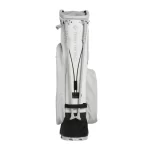 Ultra-Light Stand Bag
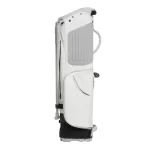 Hybrid Stand Bag
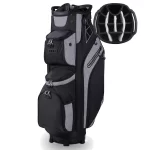 Rain-Resistant Stand Bag
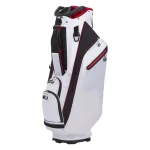 Premium Tour Cart Bag
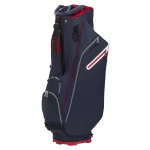 Lightweight Cart Bag
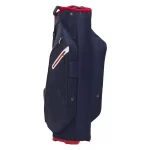 Waterproof Cart Bag
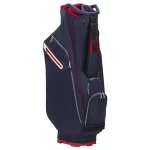 Staff Cart Bag
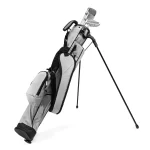 Classic Sunday Carry Bag
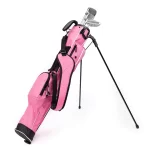 Ultra-Light Sunday Bag
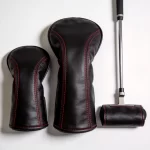 Custom Golf Headcovers Set
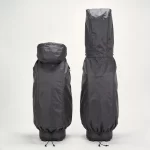 Golf Bag Rain Cover
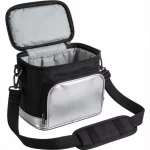 Golf Cooler Bag
Need custom golf bags? Contact us for OEM/ODM quotes — MOQ 100pcs, FOB Xiamen.

 Español
  English
  Português
  Français
  日本語
日本語