
The global golf bag market is projected to reach USD 2.5 billion by 2028, growing at a CAGR of 5.2% according to Grand View Research. For B2B brands looking to launch or expand their golf bag lines, selecting the right manufacturing partner is arguably the most consequential decision you will make. A reliable factory can elevate your brand with consistent quality, competitive pricing, and innovative design capabilities — while the wrong one can lead to costly delays, quality failures, and reputational damage.
With hundreds of golf bag manufacturers concentrated in China, Vietnam, and South Asia, the evaluation process can feel overwhelming. Golf bag manufacturing in Quanzhou, Fujian Province alone accounts for over 40% of China’s total golf bag exports, making the region a critical sourcing hub for global brands. This guide distills the critical factors that separate exceptional manufacturing partners from mediocre ones, helping procurement teams and brand owners make informed decisions with confidence.
1. Why Industry Experience Matters in Golf Bag Manufacturing
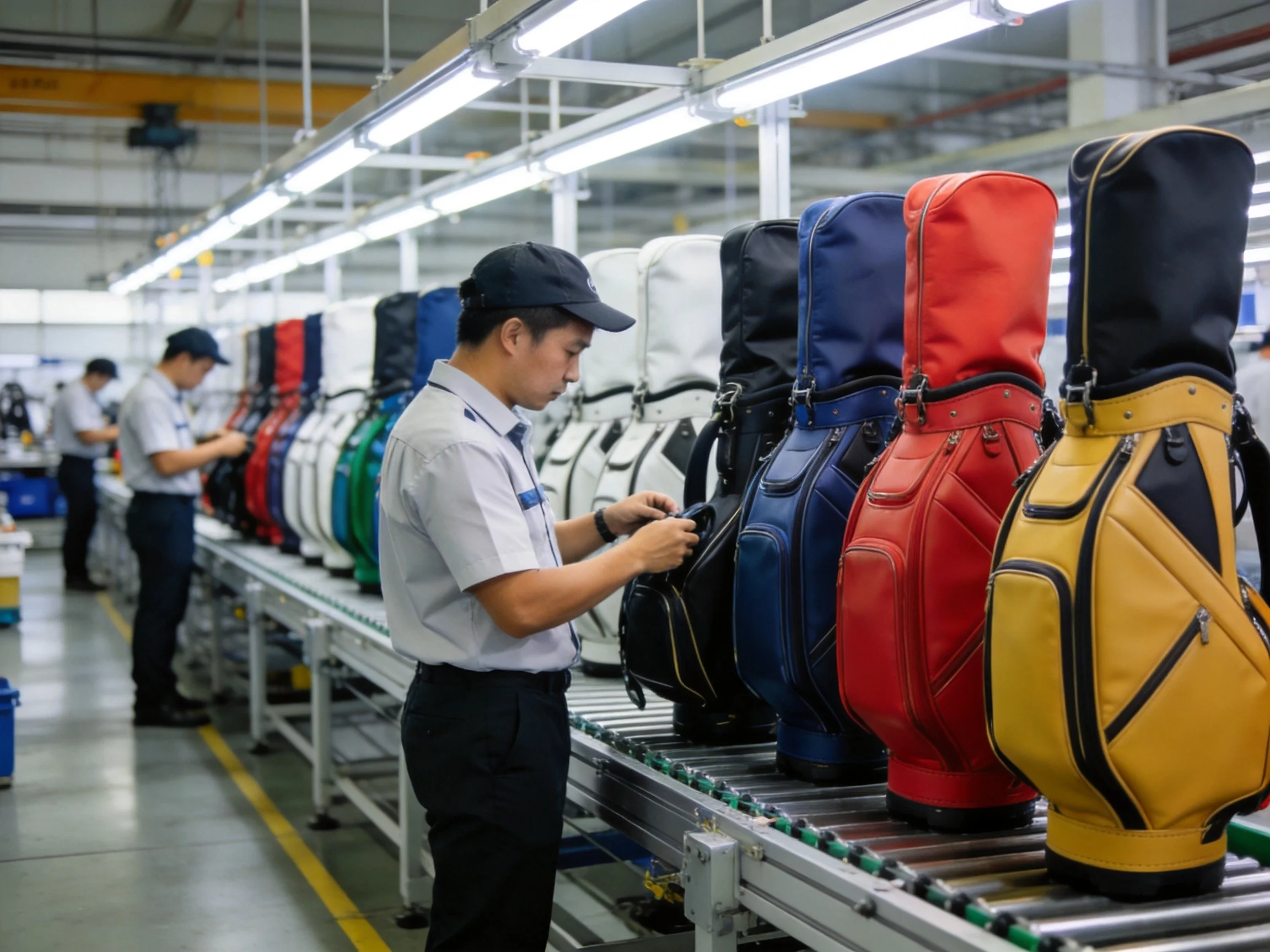
Years of experience in golf bag manufacturing matter more than most buyers realize. A factory that has been producing golf bags for two decades has weathered material innovations, shifting consumer preferences, and evolving international compliance standards. They have refined their production workflows, developed supplier relationships for premium materials, and accumulated institutional knowledge about what works — and what fails — in real-world conditions.
When evaluating a golf bag OEM manufacturer, ask specific questions:
- How many years have they been producing golf bags specifically (not general sporting goods)?
- How many brands have they worked with, and in which geographic markets?
- Can they provide case studies or buyer references from your target region?
- What is their defect rate across production runs, and how is it measured?
- Have they navigated major material transitions (e.g., PVC to TPU coatings, solvent-based to water-based adhesives)?
As a benchmark, Keep Perfect Golf — a golf bag manufacturer established in Quanzhou, China since 2004 — brings 22 years of specialized golf bag production experience and has served over 200 brands across more than 100 countries. This depth of experience translates directly into fewer production surprises and more consistent outcomes for your brand. Quanzhou itself is recognized as one of the world’s largest bag manufacturing hubs, with a mature ecosystem of material suppliers, hardware manufacturers, and logistics providers dedicated to the bag industry. The concentration of specialized suppliers within a 50-kilometer radius means faster material sourcing, lower logistics costs, and better quality control across the entire supply chain.
A manufacturer with this level of experience has also developed optimized patterns that minimize fabric waste (typically 15-20% savings), refined sewing techniques that reduce seam failure rates, and established quality benchmarks that are consistent across production runs. For B2B buyers, this means predictable results — batch after batch, season after season.
2. Certifications and Compliance: Non-Negotiable Verification
International certifications serve as objective validation of a manufacturer’s operational standards. Before placing any order, verify that your prospective manufacturer holds current certifications in the following categories:
| Certification | What It Covers | Required For |
|---|---|---|
| ISO 9001 | Quality Management Systems | All markets |
| BSCI | Social Compliance (Labor Practices) | EU markets, major retailers |
| SGS / TÜV | Product Safety Testing Reports | All export markets |
| CPSIA | Consumer Product Safety (US) | North America |
| REACH | Chemical Safety (EU Regulation) | European Union |
| Prop 65 | California Toxic Substances | California, USA |
For brands selling in North America or Europe, compliance with CPSIA, REACH, and Proposition 65 is non-negotiable. These regulations restrict lead content, phthalates, and other hazardous substances in consumer products. A single compliance violation can result in product recalls costing $50,000–$500,000+ and irreparable brand damage.
Ask your prospective manufacturer to provide current certification documents — not just claims. A transparent factory will provide these willingly; view Keep Perfect Golf’s certifications here. A questionable one will make excuses.
3. OEM vs ODM: Understanding Customization Capabilities
The ability to customize every aspect of your golf bag — from fabric selection and colorways to divider configurations, embroidery, and hardware — is what separates a true OEM/ODM golf bag partner from a simple order-taker. Understanding the difference between these two models is essential for B2B buyers:
OEM (Original Equipment Manufacturing)
You provide the complete design package — tech pack, patterns, bill of materials, branding assets — and the manufacturer executes production to your exact specifications. OEM is ideal for established brands with existing designs who need a factory to produce at scale with precision. The manufacturer’s role focuses on material sourcing, pattern optimization, production execution, and quality control.
ODM (Original Design Manufacturing)
The manufacturer provides base designs or develops new designs based on your brief. You select, customize, and brand. ODM is ideal for brands entering the golf bag market or expanding into new categories (for example, a golf apparel brand launching a bag line). It reduces development time by 4–8 weeks and leverages the factory’s engineering expertise.
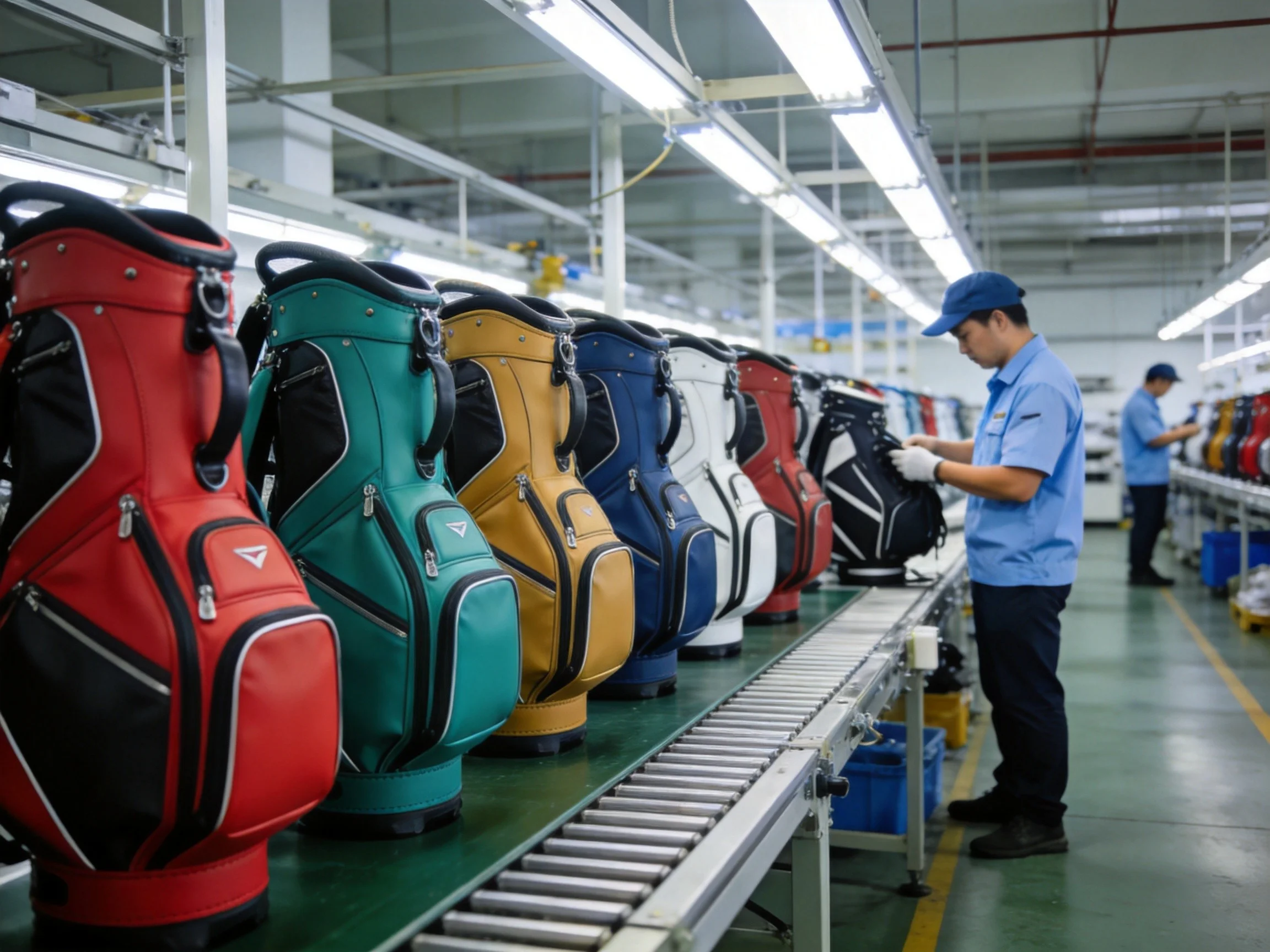
Leading manufacturers support both models and can facilitate hybrid approaches — for example, developing a new bag shape in ODM mode while executing brand-specific hardware and packaging in OEM mode.
When evaluating a manufacturer’s portfolio, look for evidence of work across multiple bag types: tour cart bags, stand bags, staff cart bags, ultra-light stand bags, Sunday carry bagsy custom golf headcovers. A manufacturer with deep capabilities will show evidence of diverse materials (Cordura nylon, PU leather, canvas, polyester), varied branding techniques (sublimation printing, silkscreen, woven labels, debossing, embroidery), and custom zipper pulls and hardware finishes.
Request their sampling process documentation. A professional manufacturer will provide:
- 3D renderings within 48 hours of design briefing
- Physical samples within 10–18 days
- Full technical specifications including material weight, color Pantone codes, and hardware specs
- Up to 3 revision rounds included in sampling cost
4. MOQ Flexibility and Total Cost Analysis
Minimum Order Quantity (MOQ) is often the first deal-breaker in manufacturer negotiations. Large factories may require MOQs of 500–1,000 pieces per model, which creates significant inventory risk for emerging brands. Forward-thinking manufacturers have recognized this shift and now offer MOQs as low as 100 pieces per model, enabling brands to test market response before committing to larger production runs.
However, evaluate total cost — not just unit price. Consider the following cost model:
| Cost Factor | Factory A (500 MOQ) | Factory B (100 MOQ) |
|---|---|---|
| Unit Price | $18.00 | $22.00 |
| Total Investment | $9,000 | $2,200 |
| Dead Stock Risk | High (if 30% unsold = $2,700 loss) | Low (if 30% unsold = $660 loss) |
| Capital Tied Up | $9,000 | $2,200 |
| Market Test Agility | Over-committed | Flexible — scale based on data |
| Reorder Lead Time Advantage | No urgency | Proven seller → fast reorder at volume |
A factory offering $18 per unit at 500-piece MOQ may actually cost you more than one charging $22 per unit at 100-piece MOQ when you factor in warehousing, dead stock risk, and opportunity cost of capital. The smart approach: start with a 100-piece test order, validate product-market fit, then scale to 500+ pieces with full data backing your decision. Request detailed pricing tiers at different quantities to understand the full economic picture before committing.
5. Quality Control: The Multi-Stage Inspection Framework
A professional golf bag manufacturer operates a multi-stage quality control system. Understanding this framework helps B2B buyers evaluate whether a factory’s QC process meets international standards and protects their brand reputation.
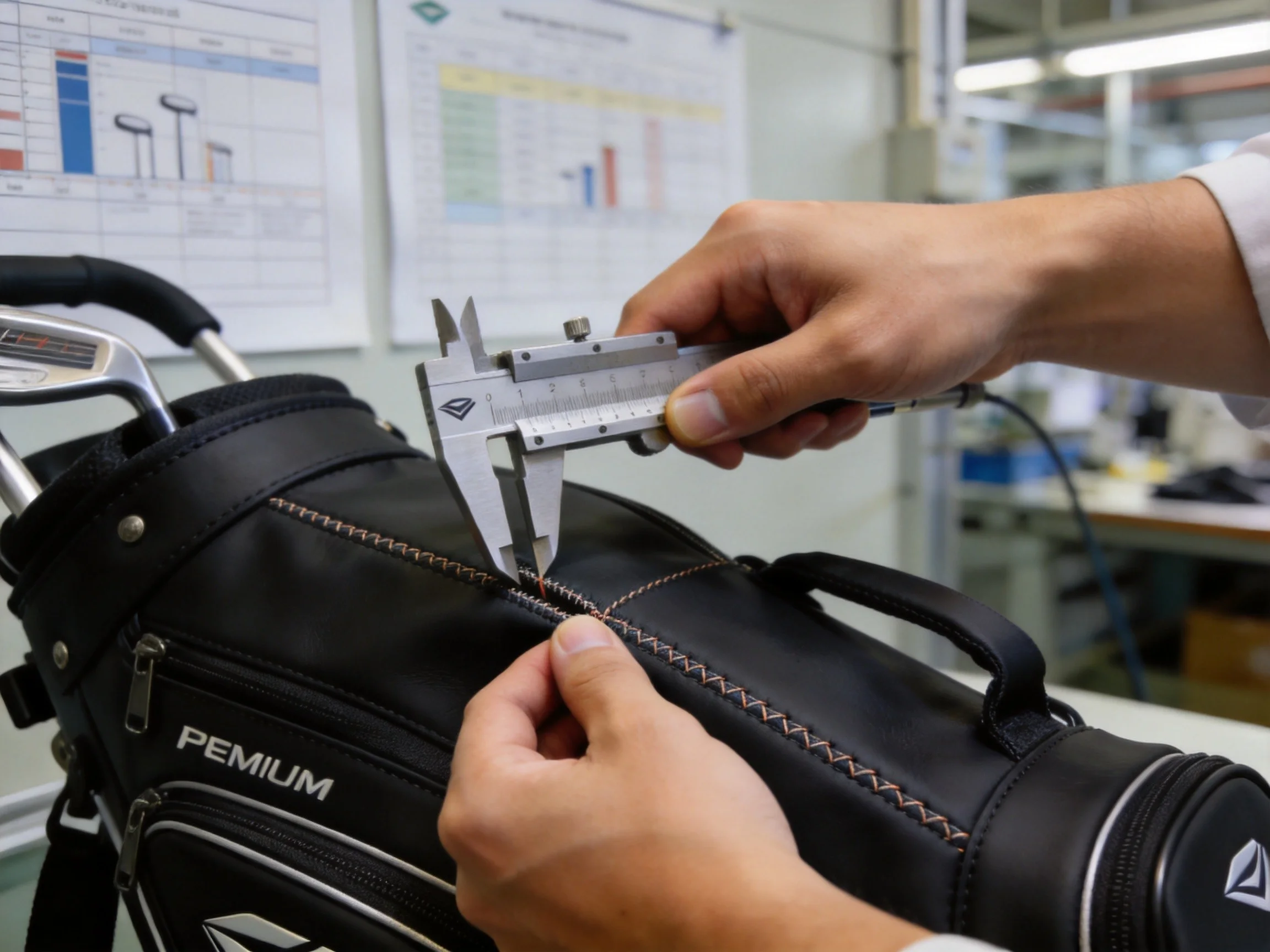
The standard QC framework at a certified golf bag manufacturer includes:
- Stage 1: Incoming Quality Control (IQC)
- Fabric weight verification (tolerance ±3%), color consistency checks (Delta E ≤ 1.0 using spectrophotometer), zipper and hardware testing (minimum 5,000-cycle endurance), material certification verification against purchase orders.
- Stage 2: In-Process Quality Control (IPQC)
- Stitching quality per station (minimum 8 stitches per inch, no skipped stitches), zipper alignment and smoothness, print/embroidery accuracy (position tolerance ±2mm), divider system assembly checks, strap attachment reinforcement verification.
- Stage 3: Final Quality Control (FQC)
- AQL 2.5 standard inspection per ANSI/ASQ Z1.4, full dimensional checks against approved sample, load-bearing tests (minimum 35 lbs static for 24 hours), strap pull strength testing (minimum 150 lbs), water resistance spot checks.
- Stage 4: Pre-Shipment Audit (PSA)
- Packaging accuracy, shipping marks and barcode verification, carton drop test (ISTA 3A standard), moisture barrier checks for container shipping (silica gel insertion, poly bag sealing), photo documentation of every carton.
Brands should always request to visit the factory or arrange a virtual tour to observe QC processes firsthand. A manufacturer confident in their quality systems will welcome this request and provide full transparency into their inspection protocols.
6. Production Timelines, FOB Logistics, and Global Shipping
Understanding production timelines is critical for retail planning. Missing a seasonal launch window can cost a brand hundreds of thousands in lost revenue. The typical lead time structure for custom golf bag manufacturing is as follows:
| Phase | Duration | Key Activities |
|---|---|---|
| Design & Sampling | 10–18 days | Design finalization, material sourcing, prototype production, buyer review |
| Sample Revision | 3–7 days | Buyer feedback, modifications, re-sample (1–2 rounds typical) |
| Material Procurement | 7–15 days | Fabric weaving/dyeing, hardware ordering, zipper sourcing |
| Bulk Production | 45–75 days | Cutting, sewing, assembly, QC at each station, packaging |
| Shipping (FOB Xiamen) | 15–35 days | Container loading, ocean freight to destination port, customs clearance |
Keep Perfect Golf ships FOB Xiamen — one of China’s busiest container ports — ensuring efficient logistics and competitive freight costs to destinations worldwide. The factory’s location in Quanzhou, just 90 minutes from Xiamen Port by truck, provides a significant logistics advantage.
Total lead time from order confirmation to port delivery typically ranges from 70 to 130 days. Forward-planning brands should initiate sampling at least 4–5 months before target retail launch dates. Peak production season (August–November) may extend lead times by 10–15 days, so plan accordingly for spring/summer product launches.
7. Communication, Responsiveness, and Partnership Quality
Manufacturing partnerships span months and sometimes years. The quality of communication during the pre-production phase is a reliable indicator of how the relationship will function long-term. Pay attention to:
- Response times: Does the manufacturer respond within 24 hours on business days? In our experience, manufacturers who respond slowly before the order will respond even more slowly when problems arise.
- Technical documentation: Are tech packs, BOMs, and production specs clearly communicated in English? Poor documentation is the #1 cause of production errors.
- Proactive problem-solving: A good manufacturer will probe your requirements thoroughly and flag potential production challenges before they become costly mistakes. If a manufacturer says “yes” to everything without questions, that is a red flag.
- Dedicated account management: The best manufacturers assign dedicated managers who understand your brand’s positioning, target market, and quality expectations. This continuity reduces miscommunication and ensures consistency across orders.
- Post-delivery support: How does the manufacturer handle claims, replacements, or quality disputes after delivery? Clear policies established upfront prevent relationship breakdowns later.
Red flags include: vague timelines, reluctance to provide references, refusal to share certification documents, pressure to commit to large orders before sampling, and inability to provide detailed cost breakdowns. A trustworthy manufacturer will invest time in understanding your brand before quoting prices.
8. Regional Compliance Requirements for Golf Bag Exports
When importing custom golf bags from China, different destination markets have distinct compliance requirements. A manufacturer experienced in exporting to 100+ countries will already have the documentation and testing protocols in place. Key regional requirements include:
| Market | Key Regulations | Testing Requirements |
|---|---|---|
| United States | CPSIA, Prop 65, CPSC | Lead content, phthalates, flammability |
| European Union | REACH, CE marking | SVHC screening, chemical restrictions |
| Australia / NZ | ACCC Safety Standards | Product safety, labeling |
| Japan | JIS Standards, DENAN | Material composition, labeling |
| Middle East | SASO (Saudi), ESMA (UAE) | Conformity assessment, Arabic labeling |
| South Korea | KC Certification | Safety confirmation, Korean labeling |
A manufacturer that has been exporting for 22 years to 100+ countries will already have established testing relationships with labs like SGS, Intertek, and TÜV — reducing your testing costs and lead times. Always confirm that your manufacturer can provide the specific compliance documentation required for your target markets before placing an order.
Quick Reference: Keep Perfect Golf at a Glance
| Parameter | Value |
|---|---|
| Company Name | Keep Perfect Golf (Junyuan Bags) |
| Founded | 2004 (22 years in business) |
| Headquarters | Quanzhou, Fujian, China |
| Brands Served | 200+ globally |
| Export Countries | 100+ |
| MOQ | 100 pieces per design per color |
| Sample Lead Time | 10–18 days |
| Bulk Lead Time | 45–75 days |
| Shipping Terms | FOB Xiamen |
| Certifications | ISO 9001, BSCI, SGS, TÜV |
| Product Range | Cart Bags, Stand Bags, Staff Bags, Carry Bags, Travel Bags, Headcovers |
| Póngase en contacto con | WhatsApp: +86 177 5002 0688 | Email: cco@junyuanbags.com |
Frequently Asked Questions
1. What is the minimum order quantity (MOQ) for custom golf bags?
The standard MOQ at Keep Perfect Golf is 100 pieces per design per color. This low threshold is specifically designed to support emerging brands testing market response, as well as established brands launching new product lines. Larger orders (500+ pieces) benefit from volume pricing tiers that reduce per-unit costs by 15–25%.
2. How long does it take from order to delivery?
The complete timeline from sample approval to port delivery (FOB Xiamen) is typically 60–110 days. Sampling takes 10–18 days, bulk production takes 45–75 days depending on order complexity and quantity, and ocean freight adds 15–35 days depending on destination. We recommend planning 4–5 months ahead of your target retail launch date to account for sampling, revisions, and logistics.
3. Can I visit the factory before placing an order?
Absolutely. We encourage all B2B partners to visit our factory in Quanzhou to inspect production facilities, meet the team, review samples in person, and discuss your requirements face-to-face. Virtual factory tours via video call are also available for buyers who cannot travel. Transparency in operations is a core principle of our business.
4. What certifications does Keep Perfect Golf hold?
Keep Perfect Golf maintains ISO 9001, BSCI, SGS, and TÜV certifications. We also provide product-specific testing reports for CPSIA (US), REACH (EU), and Proposition 65 compliance. All certifications are available for download on our certifications page.
5. Do you offer both OEM and ODM services?
Yes. We provide full OEM and ODM services. OEM clients provide complete tech packs and we execute to specification. ODM clients leverage our in-house design team to develop new products from concept to production-ready prototypes. Many clients use a hybrid model — for example, ODM for new bag shapes and OEM for brand-specific hardware, packaging, and labeling.
6. What types of golf bags can you manufacture?
Our comprehensive product range includes Premium Tour Cart Bags, Premium Stand Bags, Staff Cart Bags, Ultra-Light Stand Bags, Classic Sunday Carry Bags, travel covers, and Custom Golf Headcovers. All products support full customization including materials (1000D Cordura, PU leather, canvas, polyester), colors, branding methods, and hardware finishes.
Start Your Custom Golf Bag Project with Keep Perfect Golf
Selecting a golf bag manufacturer is not just about finding the lowest price — it is about building a strategic partnership that will directly impact your brand’s reputation, customer satisfaction, and profitability. The most successful golf bag brands have one thing in common: they invested significant effort in choosing the right manufacturing partner from the start.
With 22 years of golf bag manufacturing experience since 2004, a proven track record of serving 200+ brands across 100+ countries, and a complete suite of international certifications (ISO 9001, BSCI, SGS, TÜV), Keep Perfect Golf is positioned as a trusted manufacturing partner for brands serious about quality, compliance, and scalability.
Whether you need OEM production of your existing designs or ODM support to develop new concepts, our team provides end-to-end support from sampling to shipment — FOB Xiamen. Our MOQ of just 100 pieces makes it accessible for brands at every stage of growth.
Ready to Start Your Custom Golf Bag Project?
Keep Perfect Golf — 22 Years | 200+ Brands | 100+ Countries
📱 WhatsApp: +86 177 5002 0688
📧 Email: cco@junyuanbags.com
🏭 Visit Our Factory | OEM/ODM Services | Certifications | Quality Control
Related Resources
Related Products
Explore our manufacturing capabilities in this category:
 Premium Stand Bag
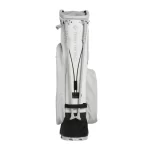 Ultra-Light Stand Bag
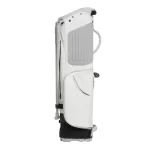 Hybrid Stand Bag
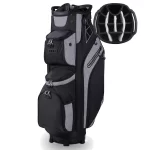 Rain-Resistant Stand Bag
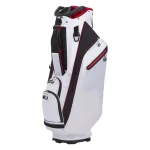 Premium Tour Cart Bag
 Lightweight Cart Bag
 Waterproof Cart Bag
 Staff Cart Bag
 Classic Sunday Carry Bag
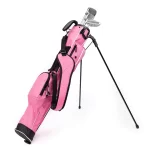 Ultra-Light Sunday Bag
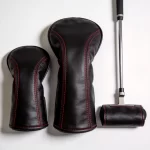 Custom Golf Headcovers Set
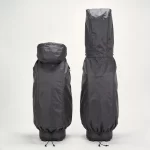 Golf Bag Rain Cover
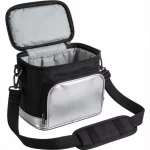 Golf Cooler Bag
Need custom golf bags? Contact us for OEM/ODM quotes — MOQ 100pcs, FOB Xiamen.

 Español
  English
  Português
  Français
  日本語
日本語