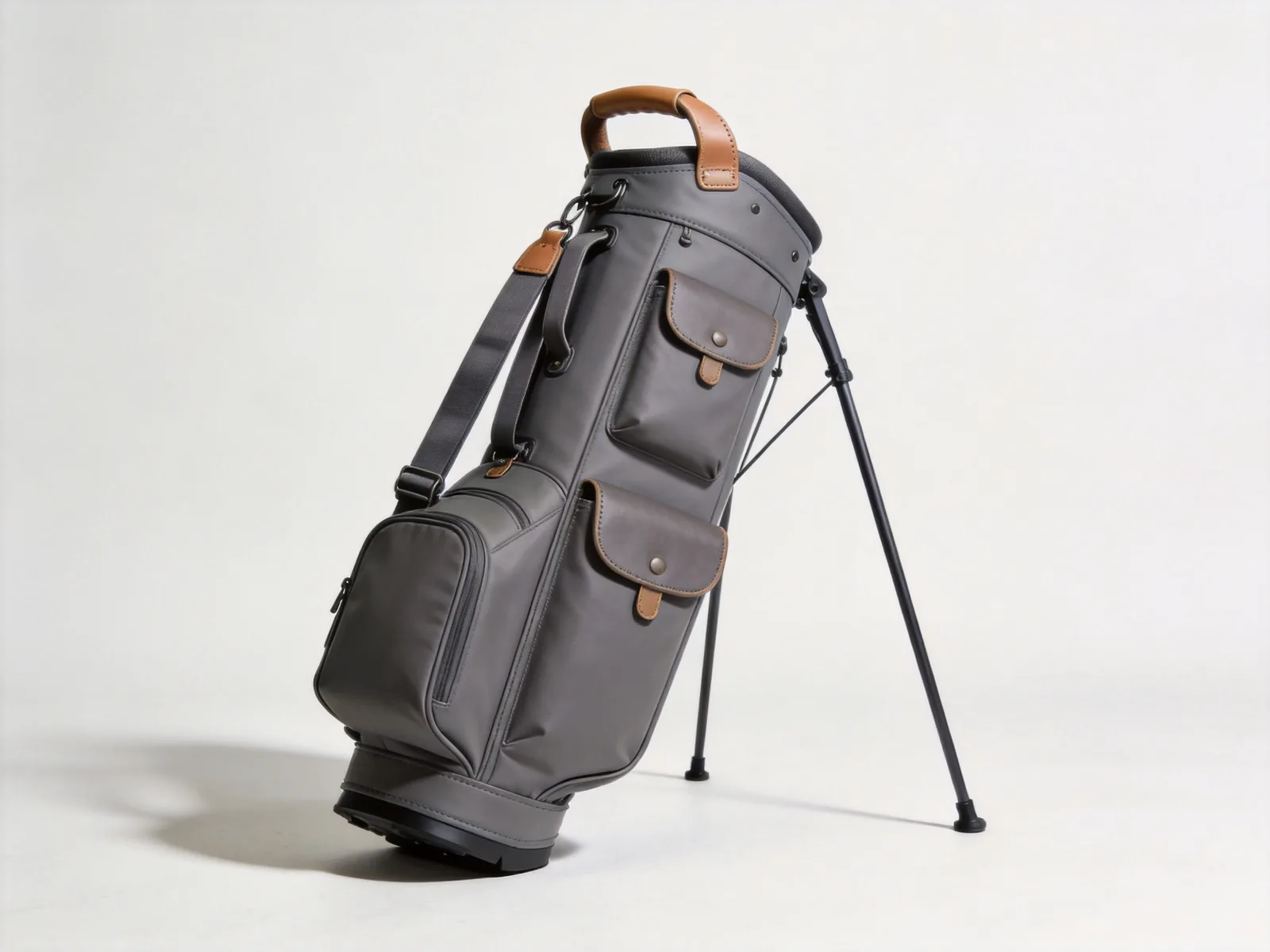
A STITCH golf bag looks almost too simple to cost $398, so it is fair to ask what is really inside one when you put the materials and build under a microscope. From a factory perspective, the honest answer is that the price is driven less by exotic fabrics and more by a deliberately proprietary leather-look material, low-volume premium finishing, and a razor-thin product range — not by 1680D polyester alone. A STITCH SL1 weighs about 57 oz (1.6 kg), is built from a materials system STITCH calls Touring Fabric™ with genuine leather accents and gunmetal hardware, and retails around $398, while an affiliated/partner factory can build a comparable minimalist stand bag at a materially lower factory price point. This guide takes the bag apart layer by layer — fabric, foam, liner, leather, stitching, stand and hardware — with an approximate cost table, so you can decide whether the STITCH premium is about craft, branding, or both.
Quick Answer: Is a STITCH Golf Bag Worth the Money?
For most buyers, a STITCH bag is worth it if you value the lightweight minimalist look, the leather-trimmed finish, and single-strap walkability above maximum storage — but the value is in the design and finish, not in unusually expensive raw materials. The Touring Fabric system is essentially a premium structure-coated microfibre on a light chassis that reads and ages like leather while staying lighter and more water-resistant. Retail is roughly $198–$398 depending on the model, yet the comparable factory build cost is in the tens of dollars, so you are paying mostly for the brand, the design, and a curated, low-volume supply chain. A qualified OEM/ODM partner factory can reproduce the look, weight, and level of finishing at a fraction of retail if you are a brand or a line buyer.
Quick Specs: STITCH Best-Sellers at a Glance
| Model | Retail (approx) | Weight (approx) | Top / Style | Signature Material |
|---|---|---|---|---|
| SL1 | $398 | 57 oz / 1.6 kg | Two-way minimalist | Touring Fabric™ |
| SL2 Gen 2 | $398 | ~4.5–5 lb | 14-way | Touring Fabric™ |
| SL2 Air Walker | $298 | ~4 lb | Stand / walker | Touring Fabric™ |
| SL Sunday | $198 | ~2.5 lb | Sunday / minimalist | Touring Fabric™ |
| SL Cart – Tour Edition | $648 | ~6 lb | Cart bag | Touring Fabric™ / leather |
Prices and weights are approximate as of 2026 and change by season and spec.
Under the Microscope #1: The Touring Fabric™ (Materials)
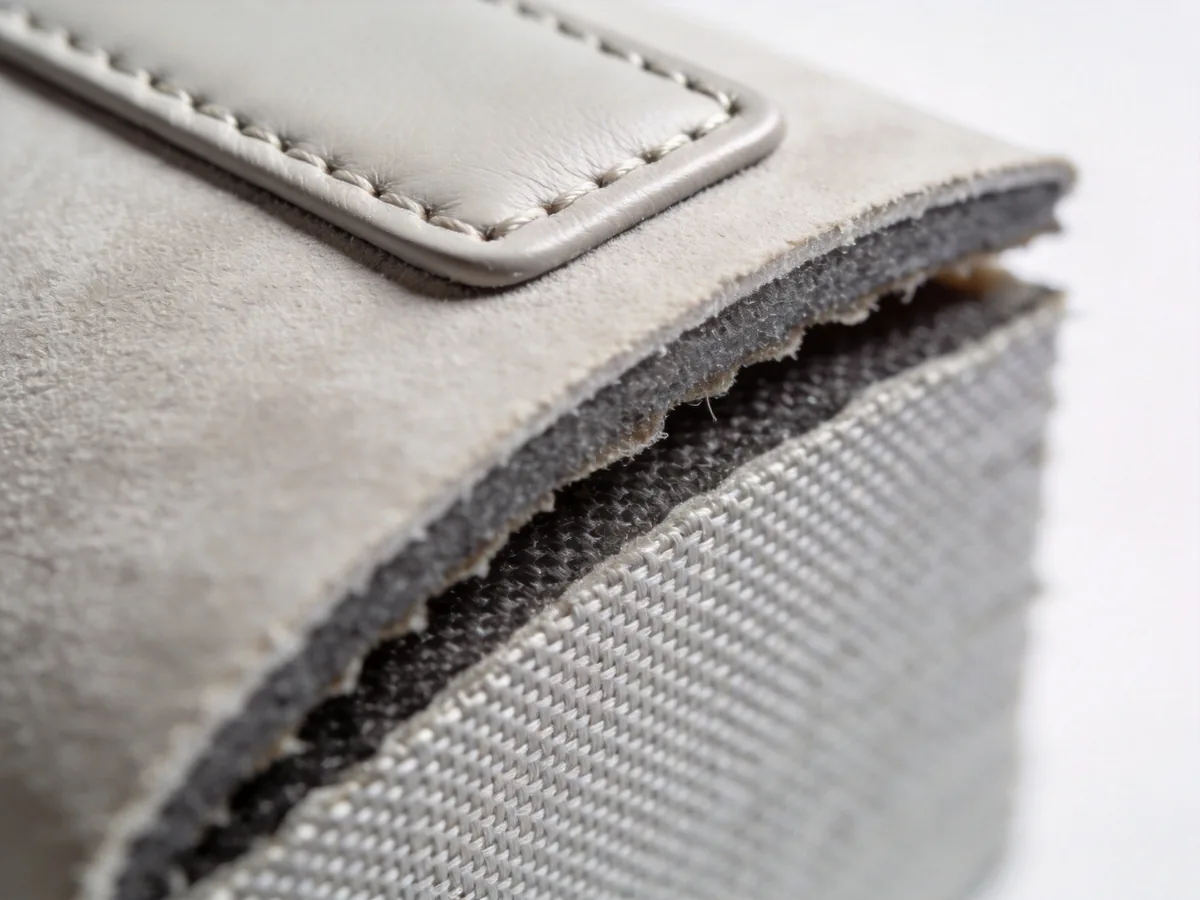
STITCH does not sell a secret super-fabric. What looks like leather on most of its bags is a proprietary leather-look material they name Touring Fabric™ — in practice a structured, coated microfibre engineered to combine the look of leather with better durability, lower weight, and strong water resistance (STITCH explicitly says it is very water-resistant, not fully waterproof). Under a microscope the key findings are:
- Face layer: a compacted microfibre or coated textile that mimics top-grain grain and resists scuffing and staining.
- Core / structure: a stable woven or non-woven reinforcement that stops the face from cracking under load.
- Backing / liner: a low-denier liner that keeps the shell light while protecting clubs.
- Accents: genuine leather is reserved for high-touch details such as handles and selected trims; the 100% leather origin is most evident in its hand-stitched headcovers, not the main shell.
How the Shell Compares: Touring Fabric vs the Usual Suspects
To understand where STITCH sits, it helps to line the shell up against the materials used across the rest of the market. The choice is a deliberate trade-off between look, weight, toughness and cost.
| Material | Common Use | Weight | Durability | Cost | Look / Feel |
|---|---|---|---|---|---|
| 600D polyester | Entry / mid bags | Light | Good | Low | Basic |
| 1200D polyester | Mid range | Light–mid | Very good | Low–mid | Smooth |
| 1680D ballistic polyester | Premium / tour | Mid–heavy | Excellent abrasion | Mid | Technical |
| Nylon | Light walkers | Light | Good–very good | Mid | Dry matte |
| Leather | Luxury accents / full | Heavy | Very good (needs care) | High | Classic premium |
| Touring Fabric™ (microfibre) | STITCH minimalist | Very light | Good scuff/stain | Mid | Leather-like |
The takeaway is that Touring Fabric is not “more durable than everything” — it is a premium-feel compromise tuned for a light, minimalist bag. If ultimate puncture and scrape resistance is the priority, a 1680D shell still wins. If a low weight and a refined look matter most, the microfibre system is the better fit. Understanding that trade is the whole point of putting the bag under a microscope.
Compared with a mainstream 1680D ballistic-type shell, Touring Fabric trades a little abrasion toughness for a premium hand-feel, a cleaner minimalist silhouette, and less bulk — which is exactly why the bag looks expensive without weighing much.
Under the Microscope #2: Construction & Craft (Build Steps)
Put through the same manufacturing checklist a partner factory would use, a STITCH-class bag follows this sequence:
- Pattern & material prep — panels die-cut from the Touring Fabric shell, foam and liner are layered and bonded for a soft yet stable wall.
- Reinforcement — high-wear zones (base, top collar, divider junctions, strap points) get hidden stiffening so the bag holds its shape.
- Stitching — clean topstitching and low stitch-per-inch variance; the leather details are finished to a near-hand-stitched standard.
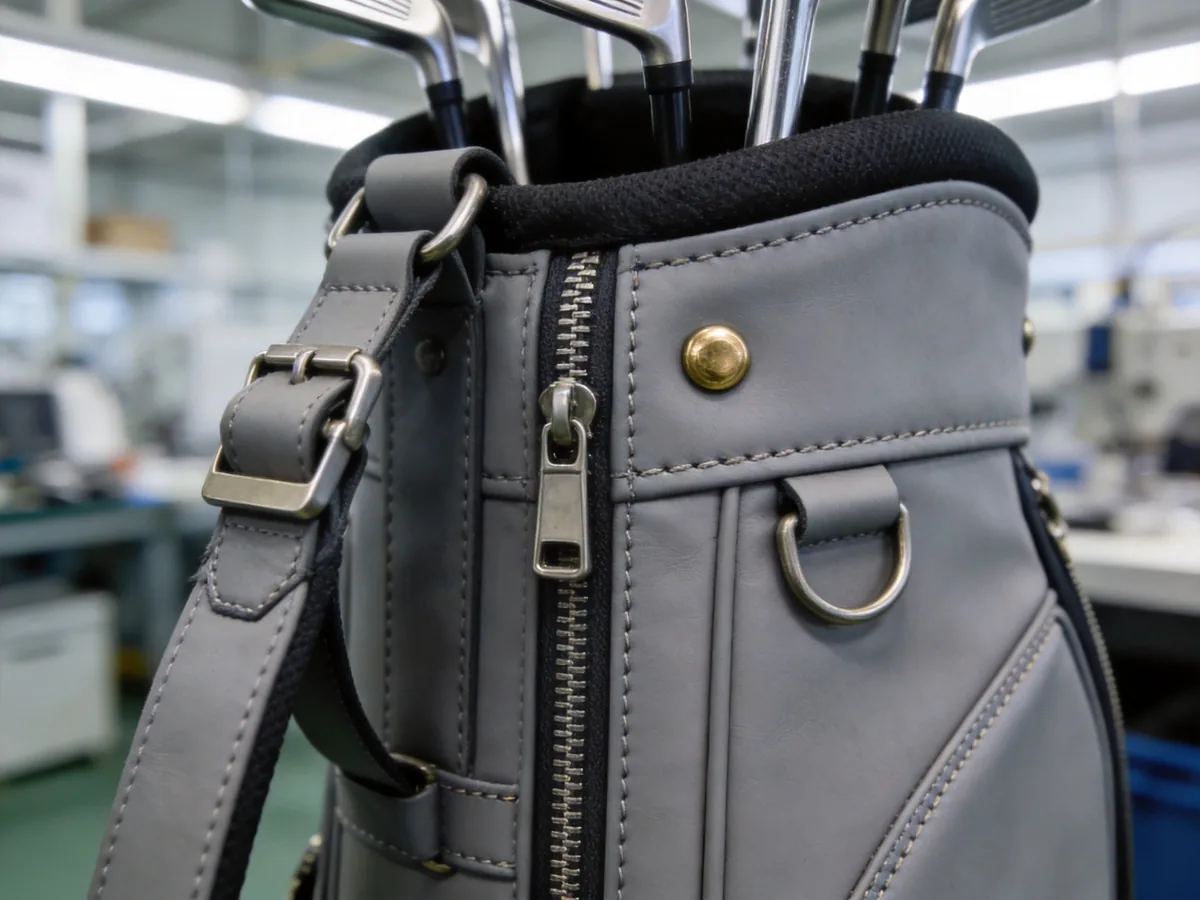
- Hardware & zippers — sealed, gunmetal-tone zippers and cast metal buckles for a quiet, premium feel.
- Stand & divider assembly — for stand models, a lightweight frame and stable leg mechanism; for 14-way tops, dividers with a hidden base guide.
- QC — zipper glide, stitch tension, hardware torque, and stand open/close cycle testing before packing.
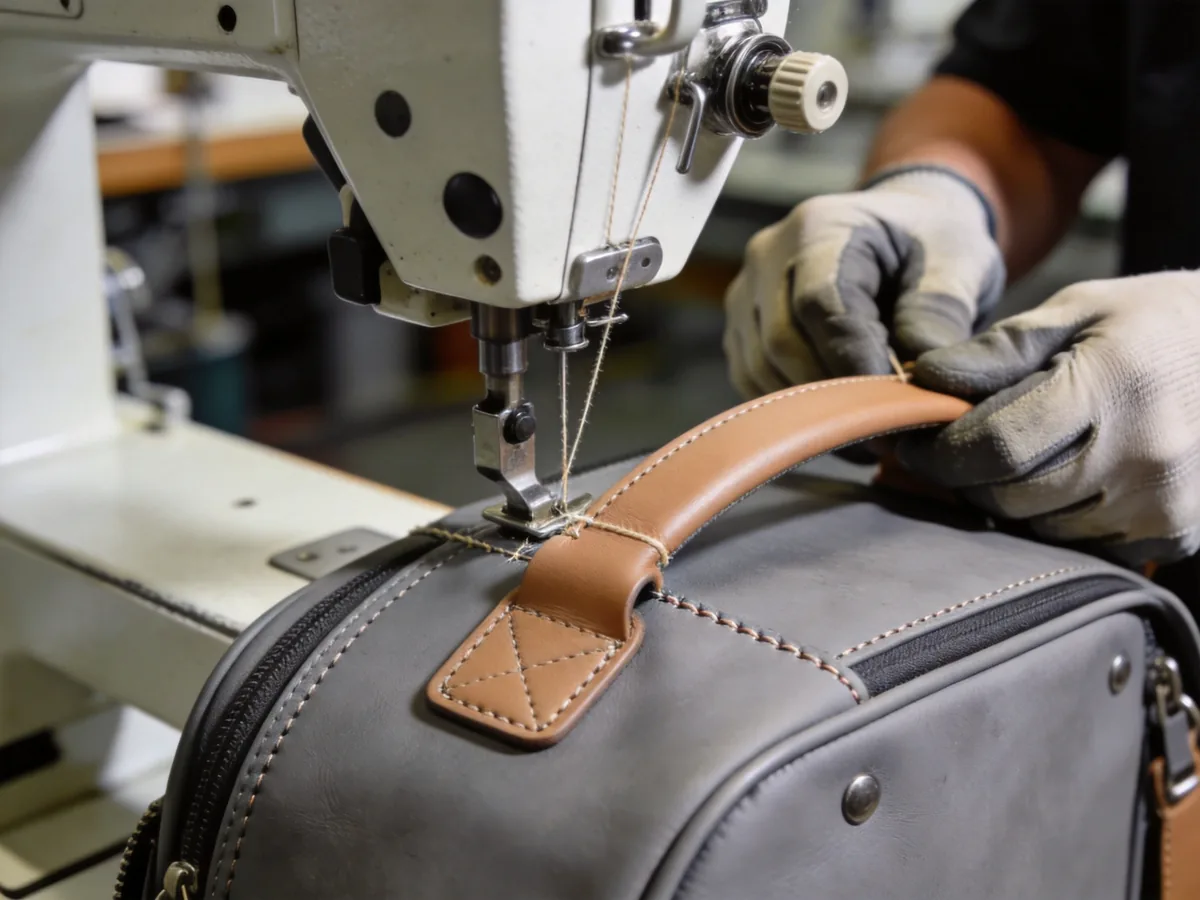
This is the same class of build sequence a mid-to-large partner factory runs daily. The craft that elevates STITCH is consistency and finishing tolerance — clean seams, squared panels, matched leather — rather than a revolutionary manufacturing method.
Under the Microscope #3: Approximate Factory Cost vs. Retail
A transparent way to read any premium bag is to separate material cost, build cost, and brand margin. The table below is an approximate factory-side estimate for a comparable minimalist leather-trimmed stand bag; exact tariffs and overheads are subject to your broker’s confirmation and are not quoted as precise tax figures here.
Two honest caveats before the numbers. First, low-volume premium runs cost more per unit than mass-production because patterns, material and line setup are spread over fewer pieces. Second, the decorative complexity — leather details, sealed zippers, a light stand — drives the build time up even when the fabric bill stays modest. Both factors are why the true comparison is not “retail vs fabric cost” but “retail vs the landed cost of a comparable custom build.”
| Component | Approx. Factory Share (USD) |
|---|---|
| Shell fabric (Touring-class microfibre), foam, liner | $9–16 |
| Leather accents (handle, trims) | $4–9 |
| Hardware, zippers, buckles, straps | $5–10 |
| Stand frame & base (stand models) | $5–9 |
| Padding, pockets, dividers, webbing | $5–9 |
| Labor, finishing & QC | $12–22 |
| Approx. factory cost | $40–75 |
At a $398 retail, the gap is brand, design, tour partnerships, marketing, distribution, freight, and import duty — not the fabric bill. That is not inherently bad: it is the standard economics of a premium niche brand operating at low volume with a curated range.
Is It Worth It? Who Should and Shouldn’t Buy a STITCH Bag
There is no single “worth it” answer, because a STITCH bag and a full-feature 14-way cart bag solve different problems. Judge it against how you actually play.
Buy it if: you walk the course and want a light, flat, minimalist bag that looks premium and pairs with modern apparel; you value leather-trimmed finish and don’t need huge pocket capacity; you accept the brand premium for the look; or you want a second, lighter “walker” bag to pair with a roomier cart bag for travel and weekend rounds.
Skip it (or look for an alternative) if: you need maximum storage, a lot of organization, or the toughest abrasion resistance for heavy travel; if you ride and want a high-pocket cart bag with easy club access; or if you are buying for a full bag tour and price matters more than the badge. In those cases the money buys a different bag entirely.
In practical terms, the strongest cases for a STITCH bag are the golfer who walks short to medium rounds and values a clean, light, premium look, and the second-bag buyer who wants something sharply styled that still carries a full set comfortably.
The Value Alternative: A Factory-Equivalent Minimalist Bag
The strongest value play is not a different retail brand — it is the same class of build via custom OEM/ODM from an affiliated/partner factory. Our affiliated/partner factory operates a 4,950 sqm facility with 7 production lines, roughly 149 machines (126 of them sewing), a team of about 137 people, and monthly capacity around 200,000 pieces, serving 200+ brands across 100+ countries as of 2026. From that line you can spec a water-resistant microfibre shell, leather-trimmed handle, lightweight frame, and 14-way or two-way top at a materially lower factory price — with your own branding. For brand owners, this delivers the STITCH aesthetic at a fraction of retail while keeping QC and design control.
What to Check Before Buying Any Premium Bag
- Weight vs. capacity: confirm the shell keeps the bag light before you pay for storage you may not need.
- Water resistance, not waterproofing: expect resistance from coating/sealed zippers; full waterproofing is a different, heavier material.
- Leather scope: verify how much genuine leather is used (details vs. full shell).
- Stand reliability: for stand models, check leg mechanism and base durability.
- Hardware feel: sealed zippers and cast metal quietly separate premium from mass-market builds.
FAQ
Is a STITCH golf bag made of real leather?
Mostly no. The main shell uses STITCH’s proprietary Touring Fabric™, a leather-look microfibre material; genuine leather is used for details such as handles and trims, and for the brand’s signature hand-stitched headcovers.
Is STITCH Touring Fabric waterproof?
No. STITCH describes it as very water-resistant, not fully waterproof. The sealed zippers and coated surface shed light rain, but heavy exposure can wet through.
Why are STITCH golf bags so expensive?
Because it is a premium, low-volume brand. The comparable factory build is often only $40–75; the retail price adds design, tour presence, marketing, distribution, freight, and brand margin rather than unusually costly fabric.
How much does a STITCH SL1 weigh?
About 57 oz (1.6 kg), which is why the minimalist SL1 is popular with walkers.
Are STITCH bags good for a full set of clubs?
Yes for most modern sets, but models differ: the SL2 offers a 14-way top for organization, while the SL1’s minimalist two-way top trades organization for light weight.
How long does a STITCH bag last?
With normal use a well-made Touring Fabric bag typically lasts 5–10 years or more; the first wear points are usually zippers, hardware, and base, so sealed zippers and reinforced base matter more than the logo.
Can I get the same minimalist look for less?
Yes. An affiliated/partner factory can build a water-resistant microfibre, leather-trimmed minimalist stand or cart bag at a materially lower price for private-label OEM/ODM, with the same light chassis and finishing tolerance.
Is a STITCH bag worth it versus a mainstream 1680D bag?
It is not strictly better — it is different. You trade brute-force abrasion toughness and lower price for a lighter, cleaner, premium look and leather detailing. If you value that aesthetic and walking feel, the premium is justified; if durability-per-dollar is the only metric, a 1680D bag wins.
Final Take
Put under a microscope, a STITCH bag is a well-engineered minimalist product where the premium sits in design, finishing, and brand, not in exotic materials. For an individual walker who wants a light, sharp, leather-trimmed bag, it is a genuine buy. For brand owners and value-focused line buyers, the same build is reachable at a fraction of the retail through a qualified partner factory — so ask the right questions, check the leather scope and zippers, and choose the route that fits your budget and positioning.
Need a factory-equivalent minimalist golf bag or a custom build at a better price? Our affiliated/partner factory handles OEM/ODM from light stand bags to 14-way cart bags with full QC. Get in touch for a quote and tech-pack review.
Related Products
Explore our manufacturing capabilities in this category:
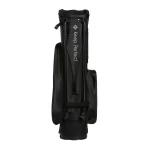 Premium Stand Bag
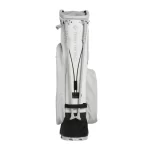 Ultra-Light Stand Bag
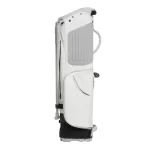 Hybrid Stand Bag
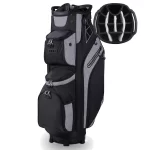 Rain-Resistant Stand Bag
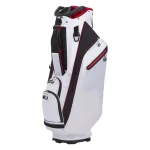 Premium Tour Cart Bag
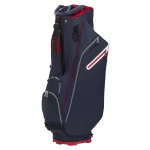 Lightweight Cart Bag
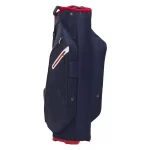 Waterproof Cart Bag
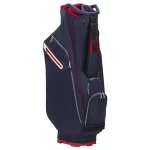 Staff Cart Bag
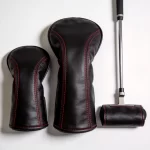 Custom Golf Headcovers Set
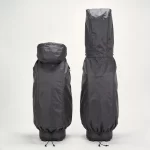 Golf Bag Rain Cover
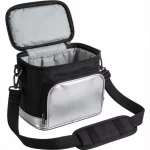 Golf Cooler Bag
Need custom golf bags? Contact us for OEM/ODM quotes — MOQ 200 pcs (100 pcs for test orders), FOB Xiamen.