Your golf bag’s design can make or break your crowdfunding campaign. A well-thought-out design not only solves common golfer frustrations but also attracts backers by addressing real needs. Here’s how you can create a golf bag that stands out:
- Solve Real Problems: Identify issues golfers face, like poor organization, damaged gear, or lack of durability.
- Understand Your Audience: Research your target backers’ preferences, such as lightweight designs for walkers or premium features for advanced players.
- Focus on Materials: Use durable, weather-resistant fabrics like waxed canvas or synthetic materials, reinforced with leather or faux leather at stress points.
- Test Your Prototype: Build and test prototypes with golfers to refine functionality and fix any flaws.
- Align Design with Campaign Goals: Set realistic pricing, offer attractive reward tiers, and tell a compelling story that highlights the benefits of your design.
Know Your Target Audience and What They Want
Before diving into the design phase, it’s essential to identify who your campaign’s backers are. Successful campaigns often owe 30% to 50% of their total funding to a pre-vetted group of supporters identified before launch. This success stems from understanding what motivates your backers. Without these insights, your design risks falling flat.
The difference between a modest campaign and one that hits six figures often comes down to how well you know your audience. By understanding their pain points, preferences, and motivations, you can create a golf bag that feels tailor-made for them. This approach can double conversion rates compared to campaigns that focus solely on features. With these insights, every detail of your design can be aligned with what backers truly want.
Define Your Ideal Backer Profile
To connect with your audience, go beyond surface-level demographics. Combine demographics (who they are) with psychographics (why they pledge). For example, a demographic profile might reveal a backer earning $85,000 a year, while psychographics show they’re an early adopter who values convenience and prioritizes sustainability.
Segment your audience based on their specific needs in the golfing world. Are they beginners looking for a lightweight, easy-to-use bag? Amateur players seeking professional features at a reasonable price? Or advanced golfers demanding premium materials and specialized compartments for their tech gadgets? Each group faces unique challenges.
Conduct interviews with at least 20 golfers to uncover how current golf bags fall short. Ask questions about issues like damaged grips, poor organization, or unbalanced weight distribution. These conversations can reveal the exact problems your design should solve. A helpful framework here is the "Jobs To Be Done" methodology – figure out the specific "job" your golf bag needs to perform, whether it’s reducing strain during long walks or organizing high-tech gadgets more efficiently.
Trends suggest that "Conscious Explorers" are willing to pay up to 20% more for products made from ethically sourced or sustainable materials. If sustainability is important to your audience, let this guide your material choices. Similarly, if you’re targeting early adopters, focus on detailed technical specs and clear comparisons that showcase your bag’s advantages.
Research Market Trends and Campaign Data
Once you’ve outlined your ideal backer, validate your assumptions with data. Look at successful campaigns in the golf or outdoor niche that raised over $50,000 in the past 18 months. Study their reward tiers, backer comments, and funding patterns. Comment sections, in particular, can offer valuable insights into common complaints or features that might have been overlooked.
Use pre-launch surveys to test your ideas before committing to prototypes. Even a survey of 500 potential backers can help you avoid costly mistakes by confirming price points and feature priorities. Ask respondents to rank features by importance, share their frustrations with current golf bags, and indicate their willingness to pay at different price levels. If over 35% of respondents choose your target price tier, you’ve validated your core reward pricing.
Pay attention to where your audience spends time online. Join golf-specific subreddits like r/golf, private Facebook groups, and Discord channels. These communities are goldmines for unfiltered opinions on what works – and what doesn’t – in golf bag design.
The growing popularity of direct-to-consumer (D2C) golf brands highlights that modern golfers are looking for value by cutting out the middleman. They want premium performance at mid-market prices. For reference, D2C pricing for golf equipment includes drivers around $475 and utility irons at $119. This pricing shows that backers expect top-tier quality without the retail markup. Your campaign must position your golf bag within this value-focused mindset, clearly demonstrating why your design is worth their investment. These data-driven insights can guide design decisions that truly resonate with your audience.
sbb-itb-4fa7e8b
Design a Golf Bag That Gets Noticed
Creating a golf bag that grabs attention starts with understanding your audience. Once you’ve nailed that, the next step is translating those insights into a design that not only solves real user challenges but also looks sleek and stylish. A golf bag that stands out in photos and social feeds often comes down to smart material choices and thoughtful design details. The goal? A product that feels premium while staying practical.
Select the Right Materials and Features
The foundation of any great golf bag is its materials. Opt for 18–24 oz. duck or waxed canvas for durability and water resistance, ensuring the bag holds up on the course and in adverse weather conditions. For a touch of luxury, leather accents are a great choice, though synthetic fabrics may perform better in unpredictable weather and are lighter to carry.
Reinforcement is key. Use leather – real or faux – at stress points like the base and strap attachments. Secure these areas with solid brass or black metal rivets instead of relying solely on stitching. Inside, a full-length divider system helps keep clubs organized and prevents shafts from tangling. Add specialized storage, like insulated pockets for drinks or lined compartments for valuables, to enhance functionality.
To ensure the bag lasts, use heavy-duty, UV-resistant upholstery thread that can withstand weight and sun exposure. For stability, insert a 1/8-inch or 1/4-inch thick HDPE plastic circle at the base, allowing the bag to stand upright on its own. For straps, choose 1.5-inch to 2-inch wide webbing with slide adjusters for easy customization. Finally, reinforce the top rim with heavy-gauge wire or plastic tubing sewn into the hem – this keeps the opening rigid, making it easier to access clubs.
Add Creative Design Elements
Durability is essential, but a golf bag also needs to turn heads. Eye-catching design touches can make all the difference. Bold colors, unique textures, and custom hardware – like solid brass D-rings or distinctive zipper pulls – immediately elevate the bag’s appearance.
Personalization options, such as embroidery for initials, names, or logos, create an emotional connection for users. For a more vintage vibe, consider stenciling designs directly onto the bag. Functional details, like a grab handle near the top rim or a dedicated metal grommet for a towel ring, blend practicality with aesthetic appeal.
Even material choices can become part of the design statement. Waxed canvas delivers a vintage, minimalist feel, while leather accents signal sophistication and quality. These small but impactful decisions can transform your bag into something that feels both functional and stylish.
"A well-designed custom golf bag does more than just hold your clubs. It makes your time on the course better, shows your style, and leaves a great impression." – Legend Times
Balance Function and Appearance
To truly resonate with your audience, balance is everything. A golf bag should combine striking design with top-notch performance. Consider your audience’s playing style when finalizing your design. For those who walk the course, lightweight materials and comfortable, ergonomic straps are a must. For cart users, prioritize ample storage and plenty of pockets.
For an added touch of luxury, line the top section with sherpa fleece to protect club shafts from scratches. While this feature might not stand out in photos, it’s the kind of thoughtful detail that earns rave reviews once backers start using the bag. Adjustable, padded straps that look sleek but feel comfortable during long rounds are another win.
Before finalizing the design, create mockups to test how the bag looks in different scenarios – whether carried, on a cart, or standing solo on the course. Pay attention to stitching patterns, custom details, and color schemes to ensure the bag looks great from every angle while still meeting golfers’ needs.
"The Sunday bag, at its core, represents a simpler approach to golf… It’s an extension of your personality on the course." – Spencer Lanoue, Founder, Caddie AI
Prototype and Test Your Design
Creating and testing a prototype bridges the gap between your design concept and how it performs in real-world conditions. This step is essential before committing to large-scale production. A prototype doesn’t just confirm that your design works – it also helps you identify and fix potential flaws early. It’s the difference between a product that looks good on paper and one that works flawlessly on the course.
"A solid prototype does two critical things. First, it proves your design actually works and helps you find fatal flaws before you’re locked into a manufacturing plan. Second, it becomes the star of your campaign." – PledgeBox
Use Prototyping Tools and Methods
Start with simple sketches, then move to 3D CAD models, and eventually build a proof-of-concept prototype to test basic functionality. Once you’ve nailed the basics, you can develop a manufacturing-ready version.
Partnering with a reliable manufacturer, like Keep Perfect Golf, can make this process smoother. They can help refine your design, create samples, and oversee production. Incorporating Design for Manufacturing (DFM) principles early on is key to minimizing waste and production delays while maintaining quality.
For structural elements, 3D printing is a great option. Materials like ABS (known for its toughness and heat resistance) or resins (ideal for intricate details) work well. Simple design tweaks – like adding fillets to corners or thickening walls – can improve durability and prevent failures under stress.
Your prototype also plays a starring role in your crowdfunding campaign. High-quality photos and videos of a working prototype help establish trust with potential backers. Once your production-ready prototype is complete, testing it with real users is the next critical step.
Get Feedback from Golfers
Testing your prototype with actual golfers ensures it performs as intended. Real-world trials on a golf course can reveal issues you might miss in a workshop – like a bag tipping over on uneven ground or pockets being hard to access during play. Observing how golfers interact with the product can uncover frustrations or awkward movements that need addressing.
Take Ronan Galvin, CEO of Sunday Golf, as an example. In 2020, he developed a prototype for the "Loma", a lightweight golf bag designed for executive courses. He tested it at The Loma Club in San Diego, where other golfers immediately showed interest. This real-world validation led to a successful launch and a $1.2 million equity crowdfunding raise on Wefunder in June 2023.
"I made a prototype and the first time I took it to the course, other groups of golfers kept coming over to ask about it. That’s when I thought we might have something." – Ronan Galvin, CEO, Sunday Golf
Live demos are another valuable way to gather feedback. Whether at local clubs or trade shows, face-to-face interactions can highlight which features work well and which need improvement. Document every iteration with photos and notes – these not only guide future changes but also make for compelling campaign content.
Focus on changes that address real user needs and avoid overloading the design with unnecessary features. For example, if you’re planning to offer personalization options like embroidered names or logos, test removable panels (such as a ball pocket) to ensure they’re easy to swap or customize during production. These refinements not only improve the final product but also enhance the credibility and appeal of your crowdfunding campaign.
Match Your Golf Bag Design to Campaign Goals
Your golf bag design should align seamlessly with your crowdfunding strategy. Every feature needs to support your pricing, rewards, and overall campaign story. Even the most inventive designs can struggle if they don’t match realistic production costs or fit the narrative you’re sharing with potential backers. This connection is key to setting prices and reward tiers that reflect the value of your product.
Set Realistic Pricing and Reward Tiers
Before deciding on pricing, make sure to calculate all your costs. This includes manufacturing, materials, shipping, platform fees (Kickstarter takes 5% plus 3% + $0.30 per transaction for payment processing), marketing (typically 10%-20% of your goal), and taxes (set aside at least 10% for sales tax or VAT). It’s also smart to include a 10%-15% buffer for any unexpected production or shipping costs.
Establish two goals: an internal goal that covers your actual costs and a lower public goal designed to build momentum and attract early backers. Campaigns that reach 30% of their funding goal within the first 48 hours have an 85% success rate. Your pricing strategy should strike a balance between urgency and profitability. For instance, if your bag costs $40 to produce and you sell it for $100, you’re working with a 60% profit margin before overhead.
When structuring reward tiers, focus on encouraging backers to act at different stages. Here’s a common strategy:
- Super Early Bird tier: Offer 40%-50% off retail for the first 50-100 backers.
- Early Bird tier: Provide 30% off retail for the first 48 hours.
- Standard tier: Set pricing at 15%-20% below planned retail.
- Premium tier: Include exclusive perks like personalized embroidery or limited-edition colors. This tier emphasizes exclusivity over discounts.
Avoid overcomplicating your reward tiers with unrelated items like T-shirts or posters. These extras not only make fulfillment harder but also distract from your main product.
"If I were to do it again, I would have eliminated all that stuff [T-shirts, hats, posters] and focused on exactly what my campaign was and not have offered anything tangible." – Zane Lamprey, Founder, ADV3NTURE Gear
Stretch goals can also play a big role in boosting pledges. Consider adding options like a new colorway or upgraded straps, which can increase average pledges by up to 20%. After the campaign, use a pledge manager to offer high-margin add-ons like custom headcovers or rain hoods – these can raise total funding by another 10%-20%.
Before finalizing your pricing, test your prototype to confirm its weight and dimensions. This helps prevent unexpected shipping costs from eating into your margins. Be upfront about shipping details, especially regarding international taxes and duties, so backers know exactly what to expect.
Once you’ve nailed down your pricing and reward tiers, the next step is presenting your design effectively within your campaign story.
Present the Design in Your Campaign Story
Your campaign story should focus on how your golf bag benefits its users. Instead of listing technical features like "14-way divider", explain the benefit: "prevents club damage and helps you grab the right club instantly." Campaigns that highlight benefits in 70% of their messaging see conversion rates increase from 3.5% to 4.8%.
Use a problem-solution narrative to structure your story. Start by identifying the problem your bag solves – like the cost of replacing a broken rangefinder due to a lack of padding in standard bags. Then, walk backers through your journey to create a solution, using behind-the-scenes footage, prototype iterations, and manufacturing photos. Show how backer support is the final step to bringing your idea to life.
Authenticity from the founder is crucial. Share your personal motivation behind the bag’s design. If you’re a golfer frustrated by the limitations of existing bags, say so. A genuine story can increase average pledge amounts by 20%.
Visuals are just as important as words. Use high-quality videos and photos to showcase your bag in action. Include shots of it on a golf course, close-ups of key features, and even the unboxing experience. A production-ready prototype establishes credibility and reassures backers that your design is ready for the market.
Frame your features using the Jobs To Be Done approach. For example:
- Instead of "insulated pocket", say "keeps your beverages cold for all 18 holes."
- Instead of "waterproof zippers", say "protects your valuables when sudden rain hits the course."
Pair this messaging with clear calls to action (CTAs). For instance, “Secure Your Early Bird Unit: Save $75 Today” can drive better conversions – CTAs with specific financial incentives convert 25% better. Keep your backers engaged by posting regular updates (at least three times per week), which can increase average pledges by another 25%.
If you’re collaborating with a manufacturer like Keep Perfect Golf, highlight that partnership in your campaign. Show how their expertise ensures quality and timely delivery. Including photos of the factory floor, quality control processes, or sample production runs can further build confidence in your ability to deliver on your promises.
Conclusion
Creating a successful crowdfunding campaign for a golf bag hinges on three key principles: understanding your audience, keeping the design straightforward, and aligning everything with your campaign’s objectives. Start by identifying your audience – are you designing for walkers who need lightweight bags or cart users who prioritize storage? Dive into the real challenges golfers face on the course to ensure your design directly addresses their needs. This clarity should also shape how you present your campaign’s story.
The best designs aren’t overloaded with unnecessary features. Instead, they focus on being reliable and solving specific problems better than the competition. Overcomplicating a product can derail even the most well-funded campaigns. By zeroing in on a clear need and meeting it effectively, your design will naturally stand out.
Quality and functionality should always take precedence. Integrating design-for-manufacturing (DFM) principles early can help you avoid production delays. Test your prototype with actual golfers, refine based on their feedback, and set pricing that reflects both production costs and the perceived value of the bag.
When telling your campaign’s story, focus on the benefits your design brings rather than just listing features. Use high-quality visuals to showcase the product, share your genuine motivation for creating it, and be open about your manufacturing process. Transparency and authenticity can make a big difference – campaigns that highlight the founder’s genuine story see an average pledge boost of 20%.
The direct-to-consumer golf market continues to grow because golfers are looking for high-quality gear at fair prices. If you’ve designed a bag that solves real problems, understand your audience, and communicate the value effectively, you’re ready to launch with confidence. By following these principles from concept to prototype, you’ll set the stage for a campaign that not only resonates with backers but also delivers a product golfers will appreciate on the course.
FAQs
What features should I prioritize first?
When choosing a golf bag, prioritize durability, organization, and comfort. Opt for high-quality materials like nylon, leather, or waterproof fabrics to ensure it stands up to regular use and various weather conditions. For better organization, look for functional features such as multiple compartments and full-length club dividers to keep your gear neatly arranged. To ensure comfort, focus on ergonomic details like padded, adjustable shoulder straps, which make carrying the bag easier and more enjoyable. These elements work together to create a golf bag that’s both practical and built to last.
How much should I budget for prototypes and testing?
Budgeting for prototypes and testing involves several key expenses, including creating a workable prototype, running durability and functionality tests, and fine-tuning the design. The total cost can vary widely depending on the materials used and the complexity of the product. However, it’s smart to set aside a few thousand dollars to cover these stages. Partnering with a manufacturer early in the process can help you get accurate cost estimates and avoid expensive mistakes. This step is crucial for confirming your design is ready before moving into mass production.
How do I keep my bag design manufacturable at my target price?
To hit your target price point, opt for materials that are both durable and budget-friendly, like nylon or polyester. Work closely with manufacturers during the design process to make sure your features are practical and won’t drive up costs unnecessarily. Stick to straightforward construction methods, such as accurate cutting and sewing, and explore modular designs to increase the product’s longevity. Teaming up with seasoned OEMs can also help fine-tune your design for efficient manufacturing and better cost management.
Related Blog Posts
- How to Choose the Best Custom Golf Bag: 5 Factors for Durability & Style
- How to Brand Golf Bags for Corporate Events: A Step-by-Step Guide
- Golf Bag Customization Mistakes: 3 Real Client Stories (And Fixes)
- Customizable Golf Bags: Personalization Trends Taking Over
Related Resources
Related Products
Explore our manufacturing capabilities in this category:
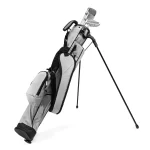 Classic Sunday Carry Bag
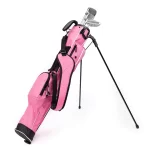 Ultra-Light Sunday Bag
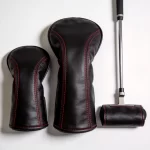 Custom Golf Headcovers Set
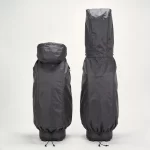 Golf Bag Rain Cover
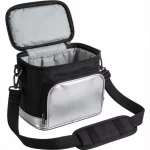 Golf Cooler Bag
Need custom golf bags? Contact us for OEM/ODM quotes — MOQ 100pcs, FOB Xiamen.